

[For Kids] Fun Facts & Trivia Quiz about Koinobori (Carp Streamers)

In May, there’s a long holiday called Golden Week, and many families—both adults and children—look forward to it, don’t they?
On Children’s Day, which falls on the last day of Golden Week, you’ll often see koinobori (carp streamers) fluttering grandly against the blue sky all across Japan.
In this article, we’ll introduce trivia and fun quiz questions about koinobori.
They’re designed for children, but there are plenty of facts that even adults might not know.
Be sure to enjoy them together with your kids!
- Little-Known Trivia and Fun Facts About Koinobori (Carp Streamers)
- [Sakura Quiz] Trivia & Fun Facts Quiz about Cherry Blossoms for Kids
- Let's get excited with a two-choice quiz that everyone—from kids to adults—can enjoy!
- Fun for Children’s Day! A Collection of Performance and Play Ideas Recommended for Early Childhood Education
- Will you like May even more once you know? Fun May trivia elementary schoolers should know
- Surprisingly, there’s a lot we don’t know? A quiz to learn trivia about May!
- [For Kids] December Trivia Quiz & Fun Facts! Learn about seasonal events and traditions!
- Lesser-known facts about Mother’s Day that might surprise you—tidbits you’ll want to share with someone
- Make your summer festival even more fun! Trivia quizzes and fun facts for kids
- [For Kids] Fun Summer Trivia Quiz & Facts
- Trivia quiz with useful tips to know: fun facts that come in handy at school or at home [for kids]
- Recommended for elementary school students! Trivia quiz you'll want to share once you know it
- [For Elementary School Students] A Collection of Fun, Educational Quiz Ideas for Mother's Day
[For Kids] Fun Facts & Trivia Quiz about Koinobori (Carp Streamers) (11–20)
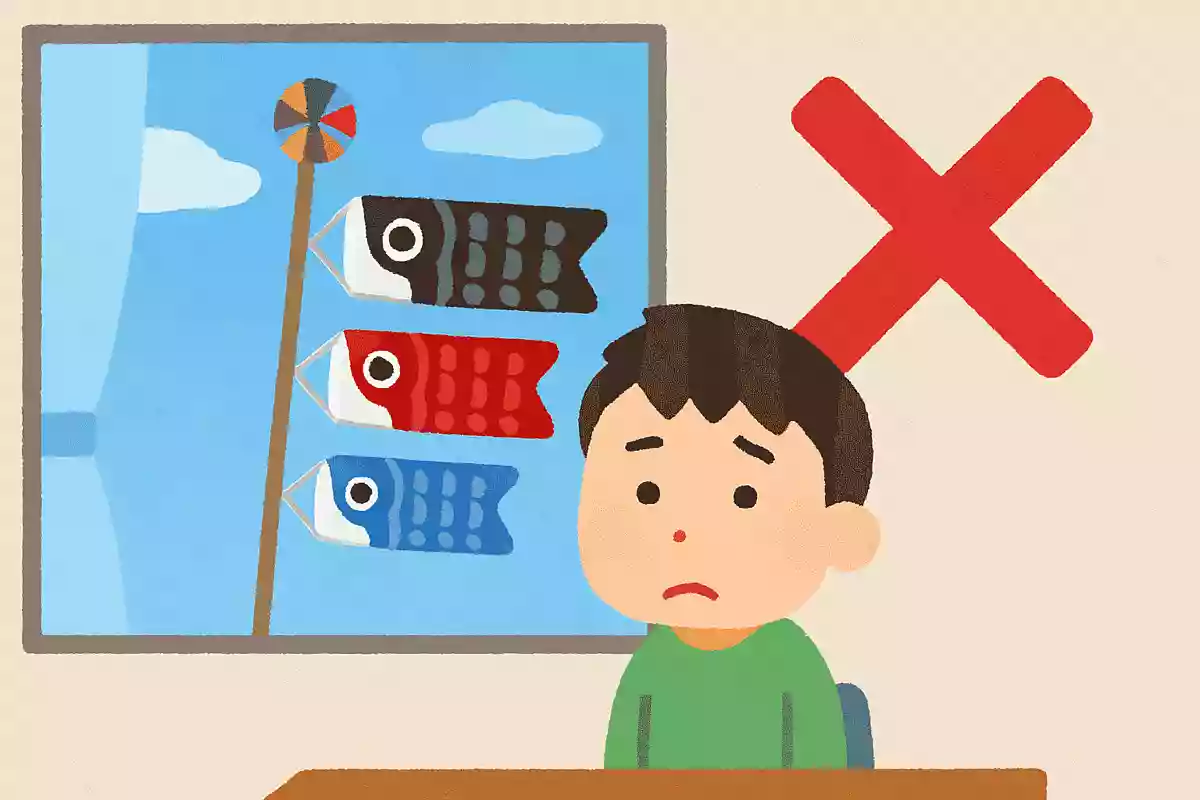
Koinobori must be displayed outdoors. True or false?
- ◯
- ☓
See the answer
☓
While it is a common tradition to display carp streamers (koinobori) outdoors, it is not strictly necessary to do so. In places with limited space, such as apartments and condominiums, people often celebrate in different ways, like displaying small koinobori indoors. What matters most is the wish for children’s healthy growth and happiness.

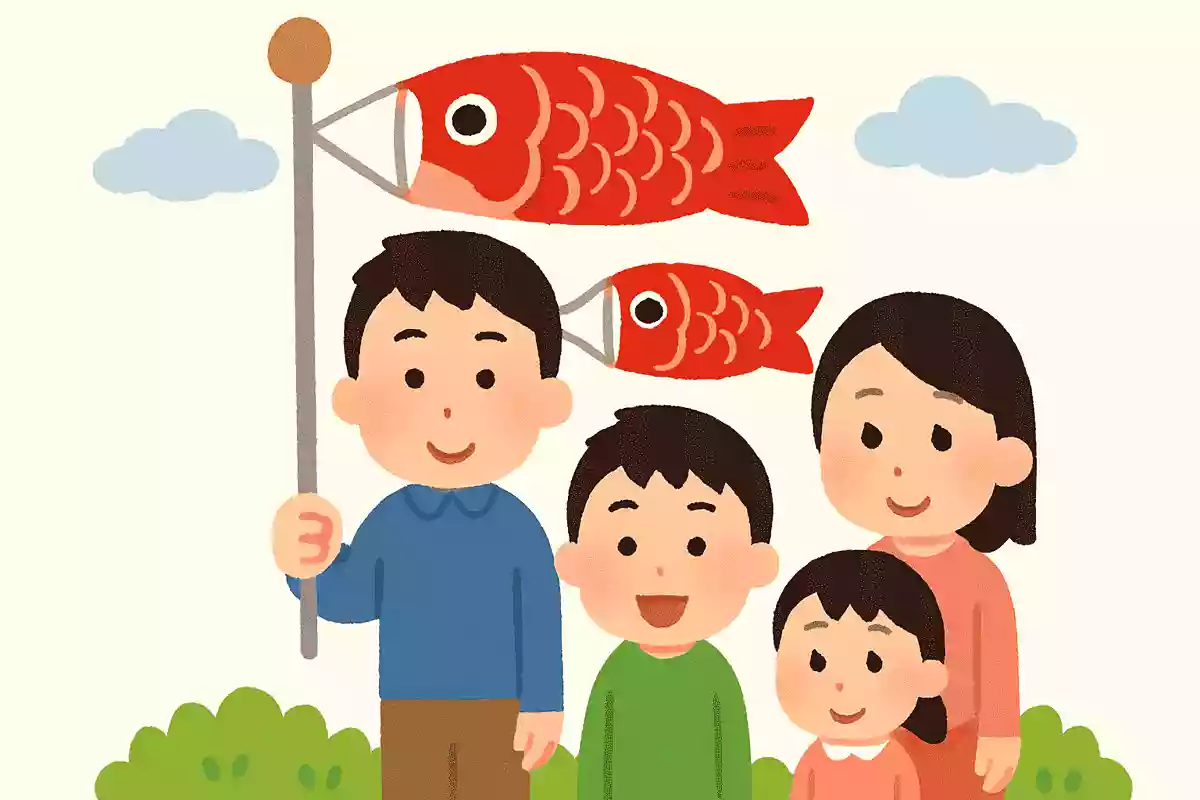
Which family member does the red koi nobori, the higoi, represent?
- mother
- father
- child
See the answer
mother
Koinobori symbolize the family: typically, the black koinobori represents the father, the red koinobori represents the mother, and the smaller koinobori in blue, green, and other colors represent the children.
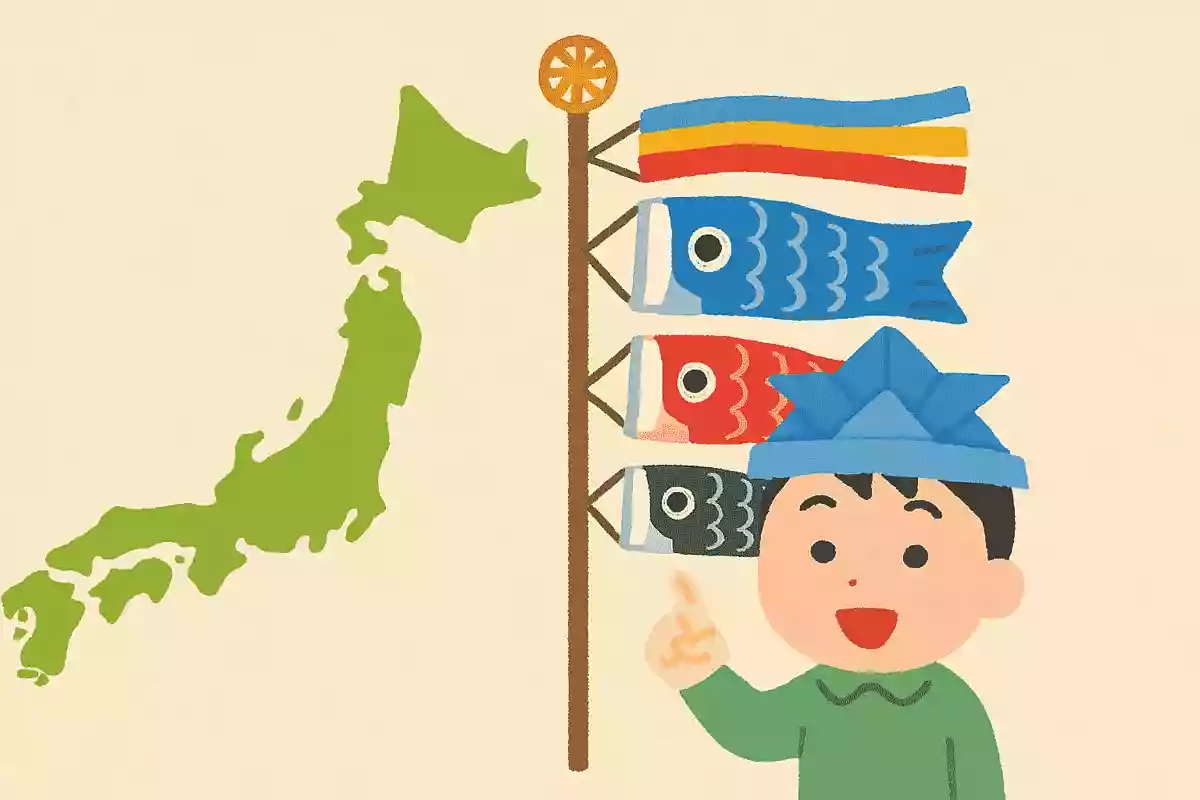
Which country is the origin of koinobori?
- Japan
- China
- South Korea
See the answer
Japan
Koinobori originated in Japan. They are displayed on Tango no Sekku, the Boys’ Festival in May, to pray for children’s health and growth. Although the festival itself has roots in China’s Duanwu Festival, the custom of displaying koinobori is a uniquely Japanese tradition.
At a certain point, carp streamers became colorful due to a particular event. What was the trigger for that change?

- Advancements in dye technology
- The spread of five-colored paper
- Tokyo Olympics
See the answer
Tokyo Olympics
Speaking of the Tokyo Olympics, the 2020 Games are still fresh in our memories, but this is a story about Japan’s first Olympics, held in 1964. Until then, koi nobori (carp streamers) came in just two colors—black and red—but inspired by the colorful Olympic rings, people thought, “Why not make them more colorful?” That’s how blue and green carp streamers came to be.
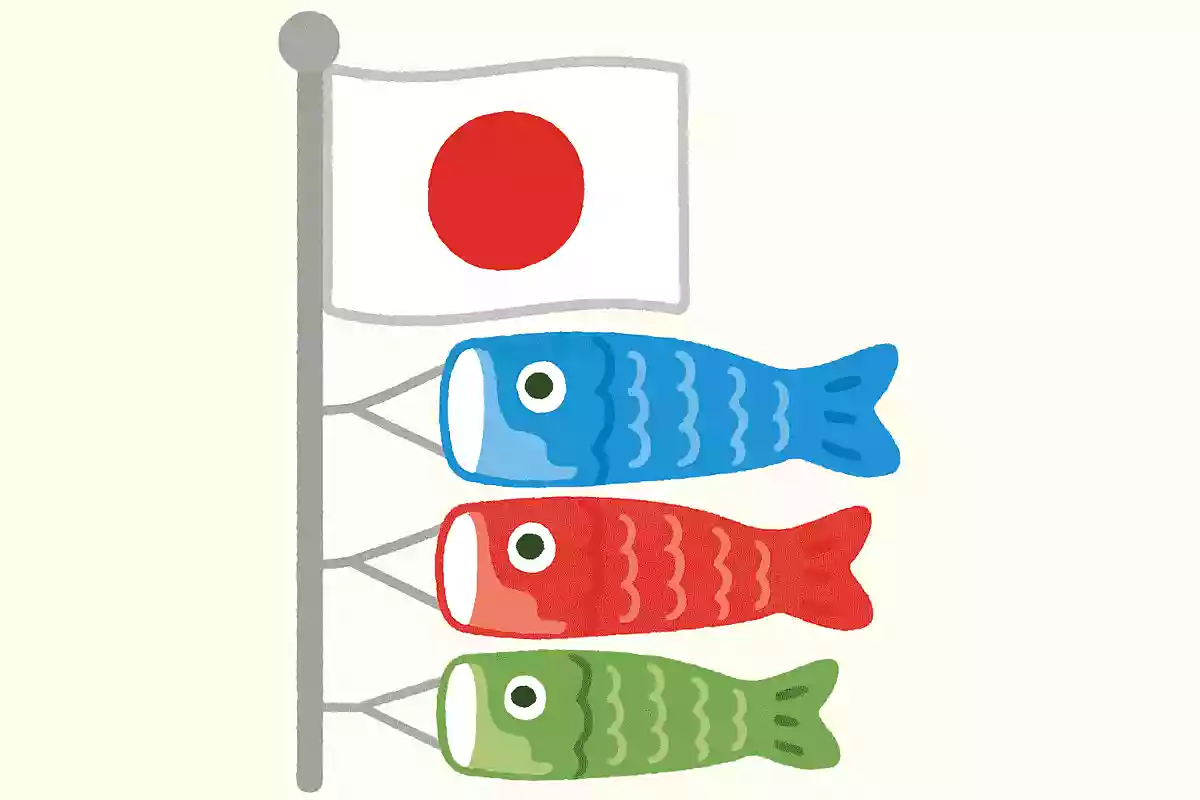
The roots of carp streamers in Japan lie in banner flags. True or false?
- ◯
- ☓
See the answer
◯
The roots of koinobori in Japan can be traced to legends from ancient China and to the banners raised during battles. Imitating those flags, they spread mainly among the samurai class in the Edo period as a way to pray for family safety and the healthy growth of boys. Later, they were adopted by ordinary households and evolved into the koinobori we know today.
The meaning of the streamer at the very top of the koinobori
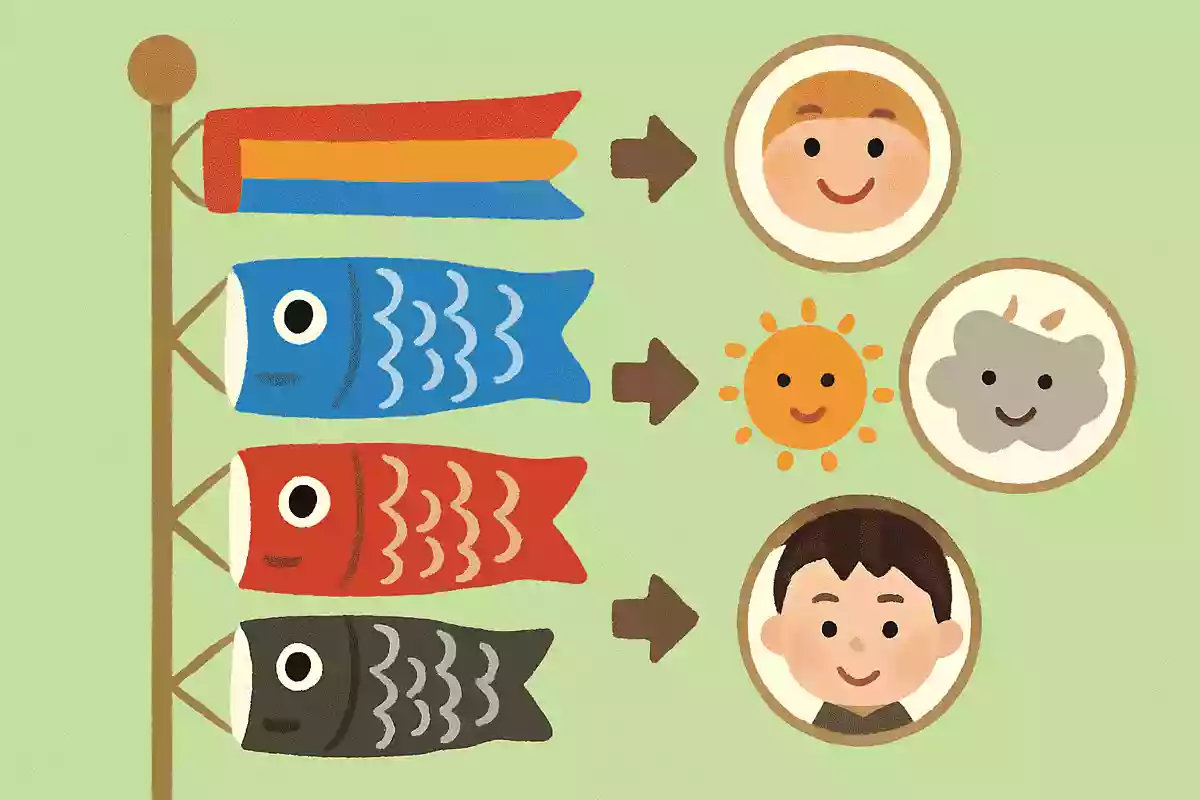
Koinobori are one of the essential decorations for Children’s Day, and the sight of large carp dancing in the wind evokes a sense of strength and freshness.
But what meaning is carried by the part that isn’t the carp—the colorful windsock that flies above them? The colors of the windsock also have significance: they represent the elements of nature in the Yin-Yang and Five Elements theory, serving as a talisman to protect children.
It is also said to act as a marker for the gods.
Altogether, the windsock expresses the wish for protection over the home and the children.

In conclusion
We introduced trivia and fun facts quizzes about koinobori (carp streamers). There are many things that even adults surprisingly don’t know—many of you may never have thought about them before. Feel free to use these for quiz contests at Children’s Day events and the like.