

Chopin’s masterpieces. Popular classical music.

Are you looking for famous piano pieces and beautiful melodies?
Here are some masterpieces and recommended works by Frédéric Chopin, a pianist and composer who represents the early Romantic era in Poland.
Chopin composed as many as 21 nocturnes, and he also left a wealth of piano works in many other styles—such as mazurkas, waltzes, and polonaises—which is why he is known as the Poet of the Piano.
Let yourself be captivated for a while by the beautiful melodies woven by Chopin.
- [Masterpiece Classics] A special showcase of gem-like masterpieces so beautiful they’ll move you to tears
- Classical piano masterpieces: legendary performances from around the world you should hear at least once
- Rachmaninoff’s masterpieces. Recommended pieces by Rachmaninoff.
- [Tchaikovsky] Pick up famous and representative pieces!
- Frederic Chopin Popular Songs Ranking [2026]
- François Couperin Popular Songs Ranking [2026]
- [Advanced] A Comprehensive Introduction to the Difficult Piano Pieces of Chopin, the Poet of the Piano!
- Pick up Beethoven’s famous and representative works!
- Popular classical piano pieces. A collection of masterful performances by Japanese pianists.
- Timelessly beautiful classical masterpieces. Recommended classical music.
- Classical masterpieces. Recommended classical music.
- Cool classical masterpieces. Recommended classical music.
- Elgar’s masterpiece. Popular classical music.
Chopin’s masterpieces. Popular classical music (231–240)
Etude in E major, Op. 10 No. 3 “Tristesse” (Farewell Song)Frederic Chopin

The piece known as “Farewell Song,” said to be the most popular among Japanese people, is included in Chopin’s collection of Études.
There’s even an anecdote that Chopin himself said, “I’ll never be able to compose such a beautiful melody again,” attesting to how wonderful the piece is.
Scherzo No. 2Frederic Chopin
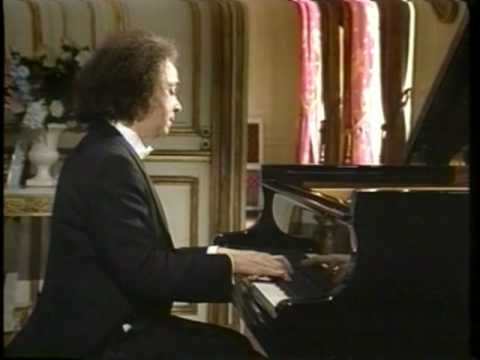
The repeated “La, C, D, F, A” at the beginning functions like a motif, tightening the overall balance of the piece.
The control of tempo and dynamics is superb, keeping listeners engaged, and it’s also a favorite among performers.
It’s a piece often chosen for recitals and concerts.
Scherzo No. 4Frederic Chopin

Scherzo means ‘playful’ or ‘joking,’ and among Chopin’s scherzos, No.
4 conveys that meaning most strongly.
The light, agile right-hand melody vividly expresses a playful character.
Please enjoy this scherzo performed with Yundi Li’s exquisite technique.
Chopin’s masterpieces. Popular classical music (241–250)
Nocturne No. 20 (posthumous)Frederic Chopin

A nocturne with a strikingly sorrowful melody.
After it was used in the film The Pianist, it seems that in Japan there was an explosive increase in people who wanted to play it.
It is a gem imbued with sadness and poignancy, yet with an ineffable beauty.
Nocturne No. 2 in E-flat major, Op. 9 No. 2Frederic Chopin
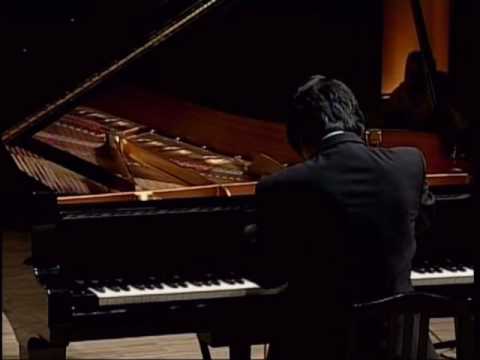
Composed in 1831, the Nocturne No.
2 in E-flat major, Op.
9 No.
2 may be the most famous of Chopin’s nocturnes in Japan, partly due to its use in popular films.
It is also well known as a piano study piece, as it is among the least technically demanding works in his nocturne collection.
Piano Concerto No. 1 in E minor, Op. 11Frederic Chopin

Chopin composed only two piano concertos, and one of them, the Piano Concerto No.
1 in E minor, Op.
11, is said to have been written around 1830.
As the title suggests, it begins in E minor with a grand melody that truly showcases his talent.
Mazurek No. 5, Op. 7-1Frederic Chopin

Among Chopin’s mazurkas, there is a famous group known as the “Five Mazurkas.” The most renowned of these is Mazurka No.
5, Op.
7 No.
1.
It was composed in 1832, when Chopin was 23 years old.
This masterpiece seems to carry the breath of his homeland, Poland.