

[Classical Music] A carefully curated selection of masterpieces born in the pivotal era that bridged the Baroque and Romantic periods

The “Classical era,” in which composers of the Viennese Classical school—centered on Haydn, Beethoven, and Mozart—were active.
Composing in homophony, with melody supported by accompaniment, became mainstream, and musical forms and genres such as sonata form, the symphony, concerto, string quartet, and piano sonata were established.
It is an indispensable period when discussing the history of classical music.
In this article, we introduce particularly famous pieces and works considered historically important from among the music born in that Classical era.
- [Baroque Music] A Curated Selection of Timeless Masterpieces and Famous Works
- Masterpieces of the Romantic Era: A sweeping introduction to soul-stirring, celebrated gems!
- Timelessly beautiful classical masterpieces. Recommended classical music.
- J.S. Bach | Introducing Famous and Representative Works
- [Haydn] Pick up famous and representative pieces!
- [Rameau’s Piano Pieces] A curated selection of harpsichord works by a Baroque master
- Classical Masterpieces: Recommended Works You Should Hear at Least Once
- Cool classical masterpieces. Recommended classical music.
- Today's Classics: Recommended classical music and great performances to listen to today
- Haydn’s Piano Works: Exquisite Piano Pieces Crafted by the Father of the Symphony
- Pick up Beethoven’s famous and representative works!
- Romantic Piano Pieces: A Curated Selection of Popular and Classic Works for Recitals and Concerts
- Mozart: An Introduction to His Signature and Popular Works
Classical Music: A curated selection of masterpieces born in the crucial era connecting the Baroque and Romantic periods (1–10)
The Oratorio ‘The Creation’Franz Joseph Haydn

Franz Joseph Haydn, a composer who epitomizes Classical music.
Born in Austria, Haydn made especially outstanding contributions in the fields of the symphony and the string quartet, earning him the titles “Father of the Symphony” and “Father of the String Quartet.” One of his representative works is the oratorio The Creation, first performed in 1798.
In this piece, a grand narrative based on the Book of Genesis in the Old Testament is expressed through beautiful music woven by soloists, chorus, and orchestra.
It portrays the process of creation, the love of Adam and Eve, and harmony with nature, leaving a profound impression on listeners.
Blending devout faith with Enlightenment ideals, this masterpiece conveys, through music, a timeless message about the beautiful relationship between humanity and nature.
Horn Concerto No. 1 in D major, K. 412/514Wolfgang Amadeus Mozart
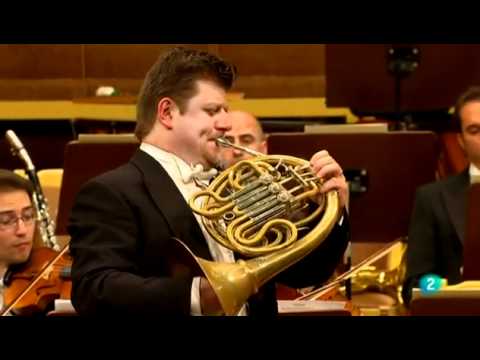
A master of Classical music who displayed extraordinary talent from childhood and composed over 800 works across a wide range of genres, Wolfgang Amadeus Mozart.
His Horn Concerto No.
1 in D major, K.412/514—written for his close friend and exceptional horn player Joseph Leutgeb—captivates with its technical difficulty and Mozart’s characteristically refined melodies.
In particular, the encouragements and jokes written in the score for the performer reveal the intimacy of their relationship.
It’s a highly recommended piece not only as an introduction to classical music but also for anyone who wants to savor a masterpiece.
Queen of the Night Aria from the opera The Magic FluteWolfgang Amadeus Mozart

Among Mozart’s operas, The Magic Flute is especially popular.
In it, this aria is sung when the Queen of the Night, seeking revenge, orders her daughter Pamina to kill her archenemy Sarastro.
It is renowned as a piece requiring extraordinary virtuosity, with extremely high notes that are very difficult to control.
It’s said that only a small handful of professional sopranos can sing it well.

Classical Music: A curated selection of masterpieces born in the pivotal era bridging the Baroque and Romantic periods (11–20)
Eine kleine Nachtmusik, K. 525Wolfgang Amadeus Mozart

In late 18th-century Vienna, Mozart was one of the composers who led the golden age of Classical music.
His works are highly regarded for their graceful melodies and intricate structures, and they remain widely beloved today.
Eine kleine Nachtmusik, K.
525, is a chamber work written in the serenade form, a light genre intended for social occasions.
Its movements captivate listeners in turn: a bright and lively first movement, a beautifully lyrical second, an elegant minuet for the third, and a spirited finale.
In particular, the Romance of the second movement is notable for its sweet, memorable melody.
This piece is well-suited to enrich various everyday moments, such as a leisurely afternoon or a cherished conversation with someone special.
Piano Sonata No. 14, Op. 27 No. 2 “Moonlight”Ludwig van Beethoven
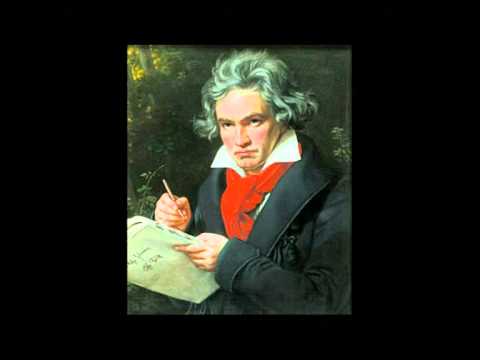
Among Beethoven’s piano sonatas, this work is widely loved for its popular melody.
The nickname “Moonlight” comes from a comment by the poet Rellstab.
The first movement carries a solemnity that evokes the night, while the third movement is strikingly different, with a stormy, lightning-like intensity.
It’s a piece that lets you enjoy Beethoven’s many facets.

Symphony No. 101 in D major, Hob. I:101Franz Joseph Haydn

Franz Joseph Haydn, a composer who represents the Viennese Classical school.
He left outstanding achievements in the fields of the symphony and string quartet, earning him the titles “Father of the Symphony” and “Father of the String Quartet.” His Symphony No.
101 in D major, Hob.
I:101, composed during his stay in London, is a masterpiece known as one of the “London Symphonies.” This work captivates with the diversity and originality of each movement, especially the second movement, whose rhythm evokes the ticking of a clock’s pendulum.
The regularly pulsing rhythm seems to express the invariability of the passage of time.
Other highlights include the lively melody of the third movement and the fourth movement’s structure, which feels like a fusion of sonata form’s development and recapitulation.
It is a must-listen for anyone who wants to savor the world of Classical-era music.
String Quartet No. 67 in D major, Op. 64 No. 5, Hob. III:63Franz Joseph Haydn

Franz Joseph Haydn, a master of the Viennese Classical school, produced numerous masterpieces, especially in symphonies and string quartets.
His String Quartet No.
67 in D major, Op.
64 No.
5, Hob.
III:63—affectionately known as the “Lark” for its striking violin melody that soars in the upper register—is a celebrated work.
Across its four movements, it showcases Haydn’s distinctive sophisticated musical architecture and rich expressive power.
With its serene, songful themes, lively rhythms, and touches of counterpoint, this multifaceted work offers listeners both joy and deep emotion.