

From Showa-era kayōkyoku to pop: songs that sound cool when you can really sing them


Many of you probably want to sing cool, deep tracks at karaoke with style.
In particular, Showa-era kayōkyoku and New Music, as well as early-to-mid Heisei J-POP, are packed with timeless masterpieces that still sound fresh decades after their release—a real treasure trove of cool, mature songs.
It’s precisely because of that universal appeal that these songs continue to be sung by today’s younger generation.
In this article, I’ll introduce plenty of those songs that, if you can pull them off, will give you that sophisticated edge.
I’ve picked selections mainly from Japanese music of the ’70s through the ’90s, with some of the latest J-POP mixed in, so use this as a reference when choosing songs for karaoke!
- Must-see for men: Songs that look cool if you can sing them at karaoke—numbers that women can’t help but be captivated by.
- Cool songs from the Showa era. Masterpieces from Showa that shine with sensuality, passion, and rugged charm.
- A collection of nostalgic hits from the ’70s to 2000s that are perfect for livening up karaoke
- A collection of iconic, cool Showa-era kayōkyoku classics sung by male vocalists
- [Men in Their 50s, Gather Up!] Classic Karaoke Crowd-Pleasers & Easy-to-Sing Hits
- [Classic Showa Kayō Hits] The captivating Showa-era pop songs beloved even by younger generations
- [Songs from the Showa Era] Introducing classic tracks that are easy to sing at karaoke.
- Karaoke songs for men in their 40s: a curated selection of hit tracks women want to hear!
- Heisei-era masterpieces: Easy to sing! Carefully selected songs recommended for karaoke choices!
- Songs Women Want Men to Sing: Popular Karaoke Picks Chosen by Girls
- Even karaoke beginners can relax! Easy-to-sing songs for men
- [Popular and Crowd-Pleasing!] Stylish Song Selections and Karaoke Tracks
- A lineup of classic hits! Karaoke songs recommended for the yutori generation
From Showa Kayō to Pop: Cool Songs to Master (91–100)
Pink sighTakahashi Mariko
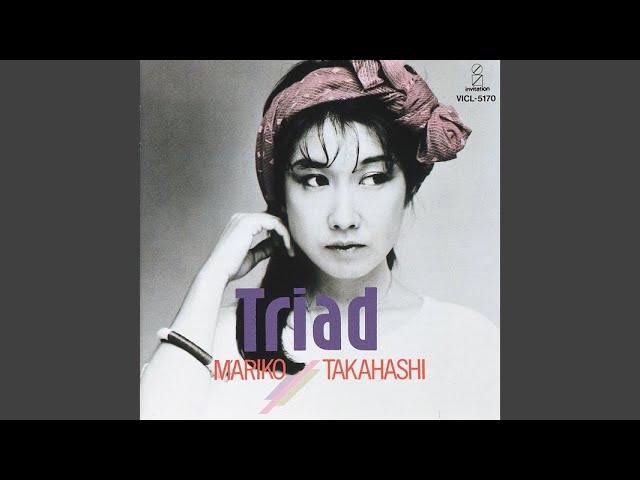
In addition to being cool and chic, why not try singing “Momoiro Toiki,” which also creates a mature vibe? This song was released by Mariko Takahashi in 1984.
Set to an exotic melody, it expresses the romantic feelings of an adult woman.
By the way, the title “Momoiro Toiki” refers to the sigh of a woman in love.
If you listen closely, you can hear parts in the song that are sung almost like sighs.
The trick is to imitate that style a bit more exaggeratedly than usual.

triggerSera Masanori

This is the third single by the rock band Masanori Sera & Twist, formed around Masanori Sera, which helped make the then-still-uncommon genre of rock popular in the J-POP scene.
The arrangement, featuring gritty vocals and a Hammond organ sound, has a cool vibe that truly evokes Western rock.
With its blend of wistful atmosphere and aggressive energy, it’s guaranteed to hype up any karaoke session.
It’s a timeless classic that lets not only those who lived through its era but also younger singers project a cool, mature edge.

In conclusion
Focusing on Showa-era kayōkyoku and J‑POP up through the ’90s, we’ve introduced a rich selection of songs that have a cool, mature vibe when you can sing them well. We’ve picked only timeless classics we’d recommend not just to those who listened in real time back then, but also to today’s younger generation. If you ever feel like singing something different at karaoke or want to nail it with a golden oldie, we hope you’ll use this article as a guide for choosing your setlist.