

From Showa-era kayōkyoku to pop: songs that sound cool when you can really sing them


Many of you probably want to sing cool, deep tracks at karaoke with style.
In particular, Showa-era kayōkyoku and New Music, as well as early-to-mid Heisei J-POP, are packed with timeless masterpieces that still sound fresh decades after their release—a real treasure trove of cool, mature songs.
It’s precisely because of that universal appeal that these songs continue to be sung by today’s younger generation.
In this article, I’ll introduce plenty of those songs that, if you can pull them off, will give you that sophisticated edge.
I’ve picked selections mainly from Japanese music of the ’70s through the ’90s, with some of the latest J-POP mixed in, so use this as a reference when choosing songs for karaoke!
- Must-see for men: Songs that look cool if you can sing them at karaoke—numbers that women can’t help but be captivated by.
- Cool songs from the Showa era. Masterpieces from Showa that shine with sensuality, passion, and rugged charm.
- A collection of nostalgic hits from the ’70s to 2000s that are perfect for livening up karaoke
- A collection of iconic, cool Showa-era kayōkyoku classics sung by male vocalists
- [Men in Their 50s, Gather Up!] Classic Karaoke Crowd-Pleasers & Easy-to-Sing Hits
- [Classic Showa Kayō Hits] The captivating Showa-era pop songs beloved even by younger generations
- [Songs from the Showa Era] Introducing classic tracks that are easy to sing at karaoke.
- Karaoke songs for men in their 40s: a curated selection of hit tracks women want to hear!
- Heisei-era masterpieces: Easy to sing! Carefully selected songs recommended for karaoke choices!
- Songs Women Want Men to Sing: Popular Karaoke Picks Chosen by Girls
- Even karaoke beginners can relax! Easy-to-sing songs for men
- [Popular and Crowd-Pleasing!] Stylish Song Selections and Karaoke Tracks
- A lineup of classic hits! Karaoke songs recommended for the yutori generation
From Showa-era Kayōkyoku to Pop: Cool Songs to Master (51–60)
mountains and riversItsuki Hiroshi
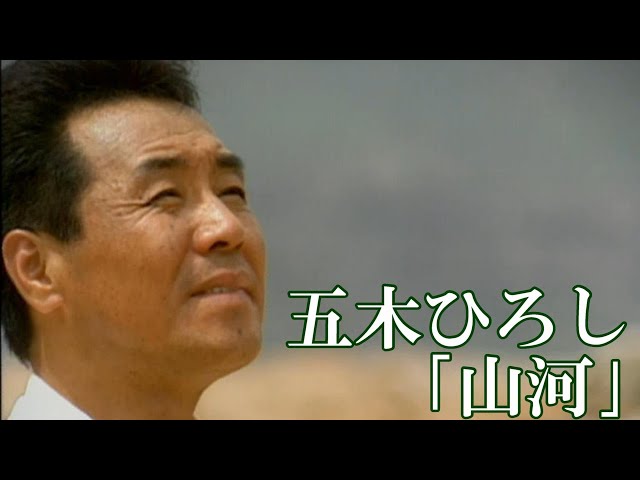
This is a song released by Hiroshi Itsuki in 2000, with lyrics likening life to mountains and rivers.
The lyrics were written by Kei Ogura and the music composed by Takao Horiuchi, both of whom later recorded self-covers.
In 2000, it was performed as the White Team’s finale and the overall closing act at the 51st NHK Kōhaku Uta Gassen.
As a piece that expresses the depth of a man’s life, it becomes wonderfully mature and deeply moving when sung well.
Stardust StageChekkāzu

Among Showa-era idol band songs, this is a standout classic where “the bittersweetness of youth × the drive of rock” shines at its best.
“Hoshikuzu no Stage” was the theme song for the first season of the TBS drama “Uchi no Ko ni Kagitte…” and, remarkably, was The Checkers’ first-ever drama tie-in track.
Unlike their other songs, it has a relaxed tempo, making it easier to sing calmly.
You can take your time and sing carefully while looking at the lyrics, but the key suddenly changes in the final chorus and the pitch goes up, so after the modulation, try raising your energy level by one notch when you sing!

A long nightMatsuyama Chiharu

A smash hit released in 1981.
One of Chiharu Matsuyama’s signature songs, this classic Showa-era ballad straightforwardly conveys the “ache of a man’s heart.” The overall vocal range spans D3 to D5, and it’s a song most people can handle if they sing the talk-like phrasing in the verses and release fully in the chorus for contrast.
However, since the chorus jumps up into higher notes, be careful not to strain your throat.
Like Matsuyama himself, keeping your eyebrows raised while singing makes the high notes much easier to hit—highly recommended! When you project your voice, don’t hesitate—use instant power and send it far.
JUST BECAUSETHE JAYWALK

The debut single by the rock band J-WALK, who became one of the defining bands of the 1990s thanks to the massive hit “Nani mo Ienakute… Natsu.” The ensemble, where an emotionally charged vocal layers over a spacious, dramatic piano intro, has a refined coolness.
With a classic rock-ballad style, its lyrical arrangement and poignant melody exude a timeless, nostalgic charm that doesn’t fade with changing eras.
It’s a ballad number that remains cool and unfaded whether sung by those who experienced it in real time or by younger generations.

From Showa-era kayōkyoku to pop: cool songs that sound great when mastered (61–70)
Indigo WaltzKubota Toshinobu

If you want to sing some sophisticated R&B, I recommend Indigo Waltz.
This song is one of Toshinobu Kubota’s signature works and was released in 1988.
It features a classic R&B slow-ballad melody, giving it an overall mature vibe—truly the epitome of smooth, “shibui” R&B.
If you sing it at karaoke, its sweetness and depth are sure to catch the attention of the ladies, so give it a try!

Listening to OliviaAnri

Anri is hugely popular both in Japan and abroad.
Among her songs, “Olivia o Kikinagara” is especially beloved as a karaoke staple.
Many of you may already know it, but it’s a ballad sung from a woman’s perspective about a love that has already ended.
Rather than looking up the words and names that appear in the lyrics, I think you’ll get more out of it by immersing yourself in its world.
Also, many male artists—such as Takeshi Tsuruno and Hideaki Tokunaga—have covered the song, and those versions are must-listens as well.

loadTHE toraburyū
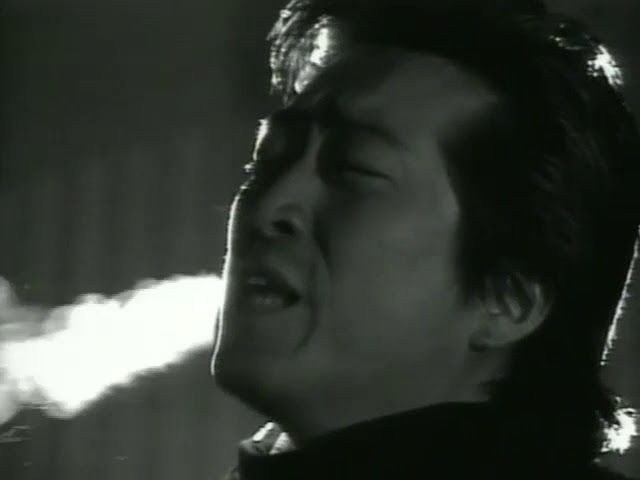
A massive hit that sold over two million copies in total.
Its poignant lyrics about heartbreak and parting deeply resonate with men in their 50s, making it a karaoke classic! It might feel a bit too mellow when actually sung at karaoke, but it’s perfect for when you want a break.
When singing, pay attention to breath flow and expressiveness for a better performance.
The song builds toward the chorus, so if you sing each phrase of the chorus with the image of growing intensity, it will add expressiveness and enhance the atmosphere.
The key is to sing carefully and delicately—avoid singing roughly at all costs!