

From Showa-era kayōkyoku to pop: songs that sound cool when you can really sing them


Many of you probably want to sing cool, deep tracks at karaoke with style.
In particular, Showa-era kayōkyoku and New Music, as well as early-to-mid Heisei J-POP, are packed with timeless masterpieces that still sound fresh decades after their release—a real treasure trove of cool, mature songs.
It’s precisely because of that universal appeal that these songs continue to be sung by today’s younger generation.
In this article, I’ll introduce plenty of those songs that, if you can pull them off, will give you that sophisticated edge.
I’ve picked selections mainly from Japanese music of the ’70s through the ’90s, with some of the latest J-POP mixed in, so use this as a reference when choosing songs for karaoke!
- Must-see for men: Songs that look cool if you can sing them at karaoke—numbers that women can’t help but be captivated by.
- Cool songs from the Showa era. Masterpieces from Showa that shine with sensuality, passion, and rugged charm.
- A collection of nostalgic hits from the ’70s to 2000s that are perfect for livening up karaoke
- A collection of iconic, cool Showa-era kayōkyoku classics sung by male vocalists
- [Men in Their 50s, Gather Up!] Classic Karaoke Crowd-Pleasers & Easy-to-Sing Hits
- [Classic Showa Kayō Hits] The captivating Showa-era pop songs beloved even by younger generations
- [Songs from the Showa Era] Introducing classic tracks that are easy to sing at karaoke.
- Karaoke songs for men in their 40s: a curated selection of hit tracks women want to hear!
- Heisei-era masterpieces: Easy to sing! Carefully selected songs recommended for karaoke choices!
- Songs Women Want Men to Sing: Popular Karaoke Picks Chosen by Girls
- Even karaoke beginners can relax! Easy-to-sing songs for men
- [Popular and Crowd-Pleasing!] Stylish Song Selections and Karaoke Tracks
- A lineup of classic hits! Karaoke songs recommended for the yutori generation
From Showa-era kayōkyoku to pop: Cool songs to master (21–30)
Lovely FreakASOUND

Right now, among Japan’s up-and-coming bands, ASOUND is rumored to have an especially fierce sense of style.
They’re known for a multifaceted sound that blends R&B, soul, neo-soul, and even Afrobeat, earning them high praise from music aficionados.
Their classic track “Lovely Freak” showcases the allure of Black music—jazz included—at every turn.
With frequent falsetto passages, it’s quite challenging, but if you can pull it off, you’ll definitely leave a cool, sophisticated impression.

Faster than meiri

iri is a female singer-songwriter energizing Japan’s contemporary R&B scene.
She’s a rare female artist in J-pop with a low-register voice, and combined with her high-caliber musical sensibility, she’s earned strong acclaim among R&B aficionados.
Her new track, “Faster than me,” is a deeply cool, understated piece.
It carries a downcast vibe, and while it features advanced techniques like vocal runs, there’s no gratuitous flashiness whatsoever.
If you want to be seen as having refined R&B taste, this is a track worth remembering.
From Showa-era Kayōkyoku to Pop: Cool Songs to Master (31–40)
Maplesupittsu
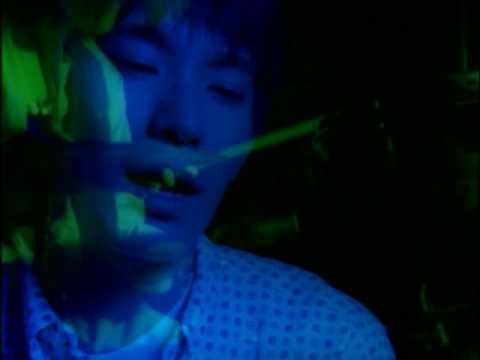
Released in 1998 as Spitz’s 19th single.
It was a single cut from the album “Fake Fur” and was used as the opening theme for TBS’s COUNT DOWN TV.
Although it peaked at No.
10 on the Oricon Weekly Singles Chart, its poignant lyrics and sound have made it one of Spitz’s most popular songs.
After the FestivalKuwata Keisuke

It was released in 1994 as Keisuke Kuwata’s fifth single.
The song was used as the theme for the Nippon TV drama “Shizukanaru Don,” marking the first time one of Kuwata’s solo songs was chosen as a TV drama theme.
With lyrics told from the perspective of a timid, unremarkable man—a viewpoint not often seen in his solo work—it has become a classic beloved by male listeners.
cherry blossomKawaguchi Kyogo
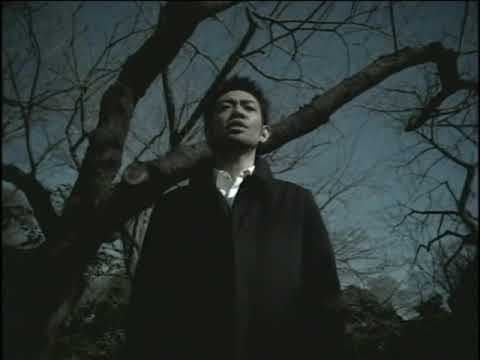
Kyogo Kawaguchi’s ‘Sakura’ is a wonderfully soothing spring song featuring his stunningly beautiful vocals.
While there are many songs about cherry blossoms, this track stands out with its overwhelming sense of atmosphere and a voice that carries a touch of melancholy.
It’s a song you’ll want to sing every time spring arrives, and it’ll likely be a strong addition to your karaoke repertoire this season.

Days in rosy huesTHE YELLOW MONKEY

The rock band THE YELLOW MONKEY, led by Kazuya Yoshii, had everyone captivated by those sexy vocals.
They have many classic songs, and in all of them the singing is exquisite.
If you can pull off their tracks at karaoke, it’s seriously cool.
Bring all the sexiness you’ve got and go for it!
Easy★RiderOkuda Tamio
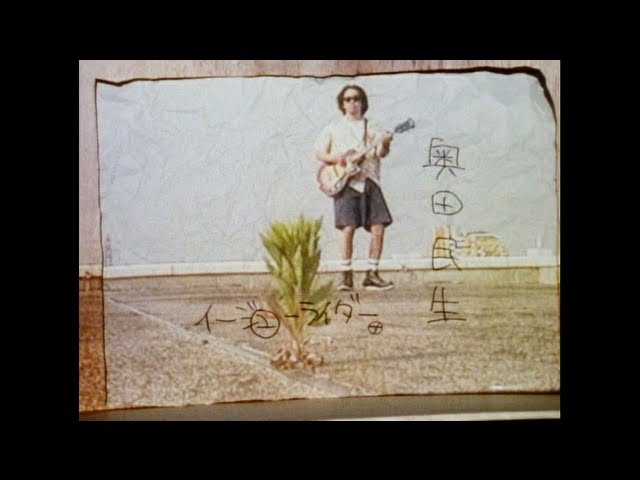
It was released in 1996 as Tamio Okuda’s sixth single.
In addition to being used in a Nissan “Wingroad” commercial, it had many other tie-ins and became a long-running hit.
The song has a laid-back vibe and evokes a sense of masculine romance.
It’s a piece you’ll want to sing with a voice that conveys a man’s ruggedness and depth.