

From Showa-era kayōkyoku to pop: songs that sound cool when you can really sing them


Many of you probably want to sing cool, deep tracks at karaoke with style.
In particular, Showa-era kayōkyoku and New Music, as well as early-to-mid Heisei J-POP, are packed with timeless masterpieces that still sound fresh decades after their release—a real treasure trove of cool, mature songs.
It’s precisely because of that universal appeal that these songs continue to be sung by today’s younger generation.
In this article, I’ll introduce plenty of those songs that, if you can pull them off, will give you that sophisticated edge.
I’ve picked selections mainly from Japanese music of the ’70s through the ’90s, with some of the latest J-POP mixed in, so use this as a reference when choosing songs for karaoke!
- Must-see for men: Songs that look cool if you can sing them at karaoke—numbers that women can’t help but be captivated by.
- Cool songs from the Showa era. Masterpieces from Showa that shine with sensuality, passion, and rugged charm.
- A collection of nostalgic hits from the ’70s to 2000s that are perfect for livening up karaoke
- A collection of iconic, cool Showa-era kayōkyoku classics sung by male vocalists
- [Men in Their 50s, Gather Up!] Classic Karaoke Crowd-Pleasers & Easy-to-Sing Hits
- [Classic Showa Kayō Hits] The captivating Showa-era pop songs beloved even by younger generations
- [Songs from the Showa Era] Introducing classic tracks that are easy to sing at karaoke.
- Karaoke songs for men in their 40s: a curated selection of hit tracks women want to hear!
- Heisei-era masterpieces: Easy to sing! Carefully selected songs recommended for karaoke choices!
- Songs Women Want Men to Sing: Popular Karaoke Picks Chosen by Girls
- Even karaoke beginners can relax! Easy-to-sing songs for men
- [Popular and Crowd-Pleasing!] Stylish Song Selections and Karaoke Tracks
- A lineup of classic hits! Karaoke songs recommended for the yutori generation
From Showa-era kayōkyoku to pop: Cool songs to master (21–30)
99LANA

In Japan’s recent R&B scene, songs with very strong pop elements—far removed from true R&B—have become the mainstream.
Some tracks don’t even use “feints,” one of the most important vocal techniques in R&B.
But LANA is different.
With vocal technique, timbre, and musicality that rival the very best of authentic R&B, she’s an artist operating at a high level in every respect.
Her track “99” is a signature piece.
It’s packed with challenging vocal parts, so if you can pull it off, you’ll definitely come across as seriously cool.

One more time,One more chanceYamazaki Masayoshi

Masayoshi Yamazaki’s signature song “One more time, One more chance.” The way he delivers it with just an acoustic guitar is truly gallant and cool.
Above all, I’m captivated by the beauty of his voice.
With a gentle vocal that ebbs and flows, it’s a ballad that can instantly take over the atmosphere at karaoke.

My sincere heartAina ji Endo

Aina the End is a female artist who continues to thrive on the front lines, wielding her exceptionally husky voice as a weapon.
Her singing ability is so remarkable that you’d never guess she used to be an idol, and in terms of expressiveness, she ranks among the very top of female artists in Japan.
Among her songs, the one that leaves an especially smoky, mature impression is “Watashi no Magokoro” (“My Sincere Heart”).
It’s a track that feels like a blend of Chara and UA’s musical sensibilities—chill, yet brimming with passion.
Not Drunkyouen kingyo

Yoen Kingyo is an R&B/hip-hop duo highly acclaimed by Japan’s core black-music aficionados.
Their songs evoke 1990s and 2000s Western R&B, and their refined style has earned support in the underground scene as well.
Their classic “Not Drunk” exemplifies quality R&B.
While it doesn’t showcase flashy technique, the song is difficult enough that you can’t really sing it without a solid command of R&B fundamentals.
If you can perform it flawlessly, it will undoubtedly leave a cool, sophisticated impression.
Forever with youKayama Yūzō

It was released in 1965 as Yuzo Kayama’s fifth single.
The song was used as the theme for the film The Young Graduate of the Electric Guitar, starring Kayama, and became a massive hit, selling over three million copies.
Covered by many artists, it is one of Yuzo Kayama’s signature songs, known for its striking lyrics that sing of straightforward love.
AiHata Motohiro

It was released in 2010 as Motohiro Hata’s ninth single.
The song was used as the ending theme for TV Miyazaki’s “UMK Super News” and debuted at No.
5 on the Oricon Weekly Chart.
Among Hata’s songs, it is particularly popular and is filled with the gentleness of a man.
GIFTMr.Children
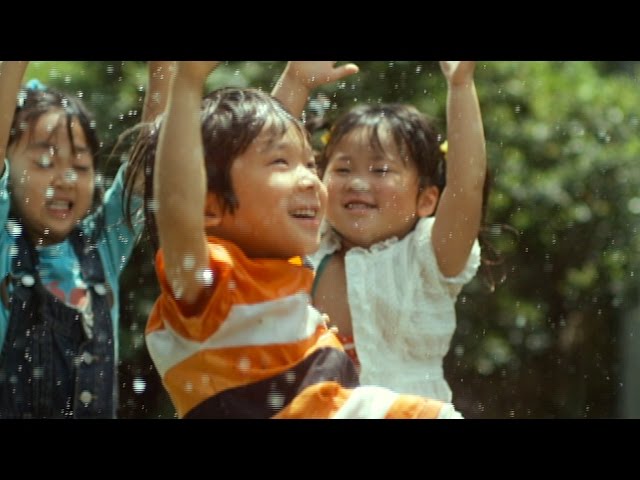
It was released in 2008 as Mr.Children’s 32nd single.
The song was used as the theme for NHK’s broadcasts of the Beijing Olympics and Paralympics, and from January 2012 it was also featured in Shiseido’s MAQuillAGE commercials.
It reached No.
1 on the Oricon weekly singles chart and is one of Mr.Children’s most popular songs.