

From Showa-era kayōkyoku to pop: songs that sound cool when you can really sing them


Many of you probably want to sing cool, deep tracks at karaoke with style.
In particular, Showa-era kayōkyoku and New Music, as well as early-to-mid Heisei J-POP, are packed with timeless masterpieces that still sound fresh decades after their release—a real treasure trove of cool, mature songs.
It’s precisely because of that universal appeal that these songs continue to be sung by today’s younger generation.
In this article, I’ll introduce plenty of those songs that, if you can pull them off, will give you that sophisticated edge.
I’ve picked selections mainly from Japanese music of the ’70s through the ’90s, with some of the latest J-POP mixed in, so use this as a reference when choosing songs for karaoke!
- Must-see for men: Songs that look cool if you can sing them at karaoke—numbers that women can’t help but be captivated by.
- Cool songs from the Showa era. Masterpieces from Showa that shine with sensuality, passion, and rugged charm.
- A collection of nostalgic hits from the ’70s to 2000s that are perfect for livening up karaoke
- A collection of iconic, cool Showa-era kayōkyoku classics sung by male vocalists
- [Men in Their 50s, Gather Up!] Classic Karaoke Crowd-Pleasers & Easy-to-Sing Hits
- [Classic Showa Kayō Hits] The captivating Showa-era pop songs beloved even by younger generations
- [Songs from the Showa Era] Introducing classic tracks that are easy to sing at karaoke.
- Karaoke songs for men in their 40s: a curated selection of hit tracks women want to hear!
- Karaoke songs recommended for men with low voices or who are good at singing in a low register
- Heisei-era masterpieces: Easy to sing! Carefully selected songs recommended for karaoke choices!
- Songs Women Want Men to Sing: Popular Karaoke Picks Chosen by Girls
- [2026] Songs I Want to Try at Karaoke! A Roundup of Popular Showa-Era Kayōkyoku
- Even karaoke beginners can relax! Easy-to-sing songs for men
From Showa-era kayōkyoku to pop: Cool songs to master (81–90)
Love MemoryMatsuzaki Shigeru
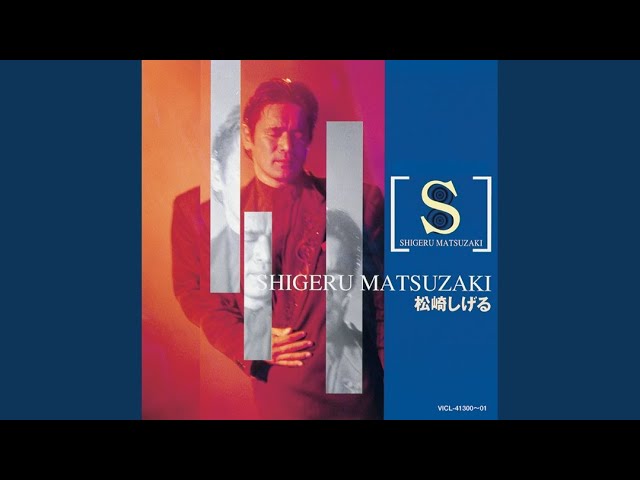
You don’t often see it in Japan, but in Europe there are many competitions where singers vie on pure ability.
Love Memory was composed after a director at Pictor Records was deeply impressed by the Mallorca Music Festival and wanted to let the world know that Japan, too, has top-tier talent.
As a result, Shigeru Matsuzaki was chosen as the featured powerhouse vocalist.
The song went on to take second place in the overall category at the Mallorca Music Festival.
Ironically, it isn’t well known in Japan, but it’s actually an incredible piece.
By the way, at the time the chorus was reportedly arranged in Spanish.
Given all this, the song is extremely difficult, but it’s crafted to be as cool and sophisticated as it gets—so why not give it a try?

Azusa No. 2karyūdō

This is a signature song by a male duo from the Showa era.
I love folk songs from this period! In “Azusa No.
2,” the A and B sections are relatively quiet, but once the chorus hits and the harmonies come in, it suddenly soars! It’s incredibly cool and feels so good to sing! The harmony is basically a third below, but since the main melody’s chorus sits around G4 and has that belting quality, the harmony should come in firmly so it doesn’t get overshadowed.
When entering the chorus, listen carefully to the backing track and breathe together so you both come in at the same time! The unison at the end of the chorus after all that harmonizing is wonderful, too.
It might be a somewhat wistful song, but when the harmonies lock in, it’ll give you goosebumps—so definitely find a partner and give it a try!

DON’T TRY SO HARDWANDS

A song by WANDS, a three-piece rock band that ranked among the top of the Being label artists who dominated the J-POP scene in the 1990s.
Featured on their fourth album, “PIECE OF MY SOUL,” it takes a rock ballad approach that stands apart from their earlier pop-leaning sound—very cool.
The depth of the ensemble born from its dark atmosphere makes it perfect for those who want a karaoke pick that stands out from the crowd.
It’s a challenging song to sing, but its unique worldview is the charm of this sophisticated, moody number.

Stop the clockKarumen Maki

Jacks’ classic song “Tokei o Tomete” (“Stop the Clock”).
Released in 1969, it has since been covered by many artists.
Among those, the cover I recommend is Carmen Maki’s version.
The song has a strong connection to Hokkaido: it was used as the ending theme for the film The Detective Is in the Bar and as background music for a local Hokkaido weather forecast.
With its deeply moving, gritty melody, it’s definitely a great song to try singing yourself.
SomedayYazawa Eikichi

This is the 37th single by the legendary rock singer Eikichi Yazawa—affectionately known as Eikichi-chan—who has remained at the forefront of the J-POP scene since his 1972 debut.
The song was used as the ending theme for the TV drama “Ari yo Saraba,” in which Yazawa himself starred, and its acoustic sound featuring his soulful vocals is truly pleasing.
Despite its laid-back arrangement, the melody is powerful, making it a guaranteed crowd-pleaser at karaoke.
If possible, try to be mindful of your delivery when singing—it’s a number that lets you project a cool, rugged vibe.