

[Masterpiece Classics] A special showcase of gem-like masterpieces so beautiful they’ll move you to tears


Masterpieces of classical music are played on TV, in movies, and in shopping malls, permeating our daily lives as background music.
There are many times when a piece that mysteriously brings you to tears turns out to be a work of classical music.
This time, from among such classical works, we’ve carefully selected timeless masterpieces under the theme “so heartbreakingly beautiful they’ll make you cry.”
Please enjoy to your heart’s content the profound sonorities unique to classical music, which combines both delicacy and boldness.
- A poignant classic masterpiece. Recommended classical music.
- Timelessly beautiful classical masterpieces. Recommended classical music.
- [Violin] A curated selection of beloved classic masterpieces and popular pieces that continue to be cherished across eras
- Cool classical masterpieces. Recommended classical music.
- Masterpieces of classical piano that are too beautiful for words. A gathering of delicate tones that cleanse the soul.
- [Orchestra] Introducing famous and popular pieces
- Popular classical piano pieces. A collection of masterful performances by Japanese pianists.
- Cello Masterpieces: A comprehensive introduction to exquisite classical works that let you savor its profound timbre
- Classical Masterpieces: Recommended Works You Should Hear at Least Once
- [Ultra-Advanced] Even challenging for advanced players! A curated selection of highly difficult piano pieces
- Gabriel Fauré | Introduction to His Famous and Representative Works
- Masterpieces for Harp: A curated selection of distinguished works featuring noble and delicate tones
- Today's Classics: Recommended classical music and great performances to listen to today
Masterpiece Classics: A Special Showcase of Exquisitely Beautiful Gems That Will Move You to Tears (71–80)
SarabandeGeorg Friedrich Händel

This piece is by Handel, who was born in 1685, the same year as Bach.
He was born in Germany, later found success in Italy, and went on to be active in England.
It was written before the invention of the piano; although it is often performed on the piano today, it was composed as a harpsichord work.
While not particularly demanding technically, it has a striking directness that strips away the unnecessary and appeals straight to the emotions.
It might be interesting to compare it with a performance on the harpsichord.

48 Motif Collection — Esquisse, Op. 63 No. 1 in C major “Phantasm”Charles Valentin Alkan

This is a work by the French composer Charles-Valentin Alkan, known for études of extremely high difficulty that demand superlative technique.
It consists of 49 pieces—48 numbered pieces plus one without an opus number—and is considered relatively less difficult among Alkan’s piano works.
The fact that it cycles through the 24 keys twice across the collection evokes Bach’s The Well-Tempered Clavier.
No.
1, “Fantômes” (Phantoms), is a piece that lets you leisurely savor the beauty of the piano’s timbre.
Don’t be intimidated just because it’s Alkan—sit back, relax, and give it a listen.

Waltz of SorrowOskar Nedbal
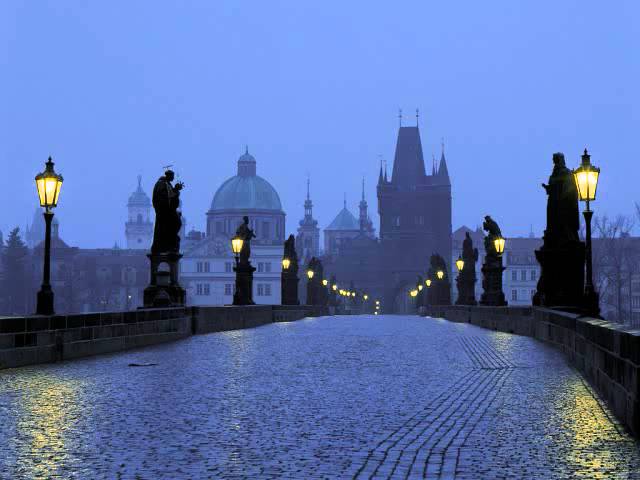
Oskar Nedbal, a modern classical composer who represented Czechoslovakia—the country once comprising what are now the Czech Republic and the Slovak Republic—studied under Antonín Dvořák, a leading figure of late Romantic music, and gained popularity for his compositions centered on cello and piano.
Among his works, the piece in which a sense of poignancy is expressed most exquisitely is the “Valse Triste” (Waltz of Sorrow).
Its structure—where a grand and beautiful melody is accented by wistfulness—will surely stir the emotions.

Suite ‘Mirrors’: A Boat on the OceanClaude Debussy

How about a piano piece that carries a cool breeze on a summer afternoon? The opening movement of Claude Debussy’s Petite Suite for piano four hands offers a gentle, beautiful melody that evokes a small boat gliding gracefully across the water and sinks deep into the heart.
Sparkling light and the rippling of water seem to come into view, as if enjoying an Impressionist painting rendered in sound.
First performed in February 1889 in a piano four-hands rendition with the composer himself participating, the work is said to have been influenced by the poetry of Paul Verlaine.
It was later arranged for orchestra in 1907, which has its own distinct charm.
Rich in poetic atmosphere that helps you forget the heat, this piece is perfect for those who wish to enjoy music quietly or add a beautiful accent to everyday life.
The gentle resonance of the piano is sure to bring a most pleasant time.
Old Clock Tower, Op. 48-2Heino Kaski

Heino Kaski, a great composer representing Finland.
Though World War I prevented him from achieving widespread success, he produced several masterpieces.
The piece I’m introducing today, Old Clock Tower, Op.
48-2, is one of his signature works.
It features a tragic melody and, while it is a dark piece, it also conveys a sense of brilliance.
In the middle section, the interplay of major and minor keys vividly expresses shifting emotions, so be sure to listen for that carefully.
Concertino, Op. 107Cécile Chaminade
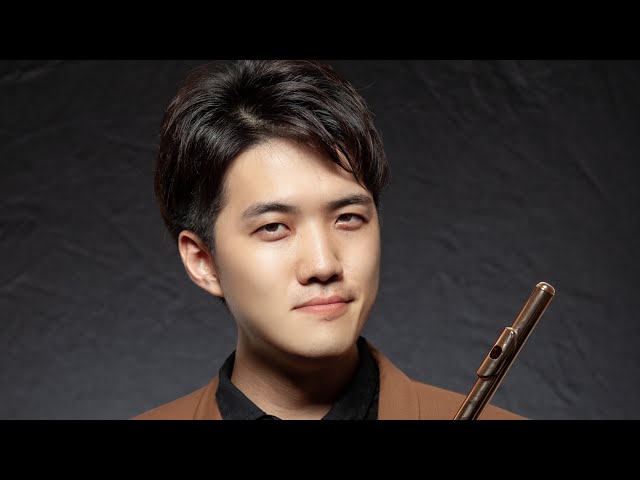
Cécile Chaminade was a French composer active from the late 19th to the early 20th century.
Her representative work for flute was written in 1902 as an examination piece for the Paris Conservatory.
This single-movement piece is characterized by ornate solo passages and is renowned as a technically demanding work, making it popular in competitions.
Symbolizing romance and passion, the piece draws out the performer’s full expressive range.
It is highly recommended for those who wish to enjoy the flute’s beautiful tone and rich expressiveness.
Jesu, Joy of Man’s DesiringJ.S.Bach
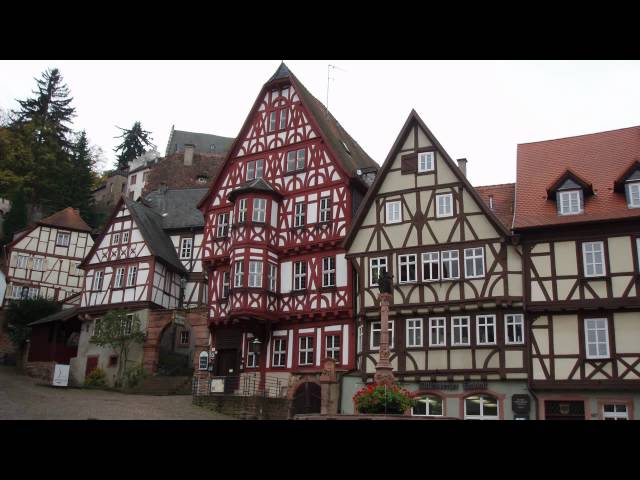
This piece was composed by Johann Sebastian Bach in 1723.
It was written as the final movement of the church cantata “Herz und Mund und Tat und Leben.” The harmonies woven by the counter-melodies are beautiful and majestic.
It’s fascinating to think that, in Japan’s Edo period, music like this was being performed in Germany.
This piece is very popular and has been arranged for instruments such as classical guitar and piano.
It’s also a piece you often hear at weddings and during Christmas.