

![[Masterpiece Classics] A special showcase of gem-like masterpieces so beautiful they’ll move you to tears](https://i.ytimg.com/vi_webp/BV37qZki31U/maxresdefault.webp)


Masterpieces of classical music are played on TV, in movies, and in shopping malls, permeating our daily lives as background music.
There are many times when a piece that mysteriously brings you to tears turns out to be a work of classical music.
This time, from among such classical works, we’ve carefully selected timeless masterpieces under the theme “so heartbreakingly beautiful they’ll make you cry.”
Please enjoy to your heart’s content the profound sonorities unique to classical music, which combines both delicacy and boldness.
- A poignant classic masterpiece. Recommended classical music.
- Timelessly beautiful classical masterpieces. Recommended classical music.
- [Violin] A curated selection of beloved classic masterpieces and popular pieces that continue to be cherished across eras
- Cool classical masterpieces. Recommended classical music.
- Masterpieces of classical piano that are too beautiful for words. A gathering of delicate tones that cleanse the soul.
- [Orchestra] Introducing famous and popular pieces
- Popular classical piano pieces. A collection of masterful performances by Japanese pianists.
- Cello Masterpieces: A comprehensive introduction to exquisite classical works that let you savor its profound timbre
- Classical Masterpieces: Recommended Works You Should Hear at Least Once
- [Ultra-Advanced] Even challenging for advanced players! A curated selection of highly difficult piano pieces
- Gabriel Fauré | Introduction to His Famous and Representative Works
- Masterpieces for Harp: A curated selection of distinguished works featuring noble and delicate tones
- Today's Classics: Recommended classical music and great performances to listen to today
[Masterpiece Classics] A selection of gem-like masterpieces so beautiful they’ll move you to tears (1–10)
Adagio for StringsSamuel Barber

This is an arrangement for string orchestra of the second movement from American composer Samuel Barber’s String Quartet in B minor, Op.
11.
A quiet, mournful melody begins, giving the impression of gentle sobbing.
As the tension gradually rises and the music surges into a searing, anguished climax, the emotion intensifies and the poignancy deepens.
In the end, it fades away slowly.
Because it is sorrowful throughout, it was used at the funeral of John F.
Kennedy.

Pavane for a Dead QueenMaurice Ravel

The piano masterpiece Pavane for a Dead Princess.
This work is a celebrated piece by Maurice Ravel, a composer whose avant-garde musicality had a profound impact on contemporary music.
During his lifetime, Ravel did not clearly state his evaluation of this piece, but in his later years he expressed a special affection for it.
Knowing this background makes the work all the more moving, so be sure to check it out.

CanonJohann Pachelbel

It is one of Pachelbel’s most famous works.
Pachelbel was a German composer active during the Baroque era, and although more than 300 years have passed since this piece was composed, it is still loved by many people today.
“Canon” refers to a musical style in which the main theme’s phrase is passed along in imitation, like a round such as “The Frog Chorus.” Pachelbel also favored a chord progression known as the “golden progression,” which makes it easy to create beautiful music, and he left behind masterpieces that capture people’s hearts.
This piece, too, has a cleansing, heart-soothing beauty.
Piano Sonata No. 8 “Pathétique,” Second MovementLudwig van Beethoven
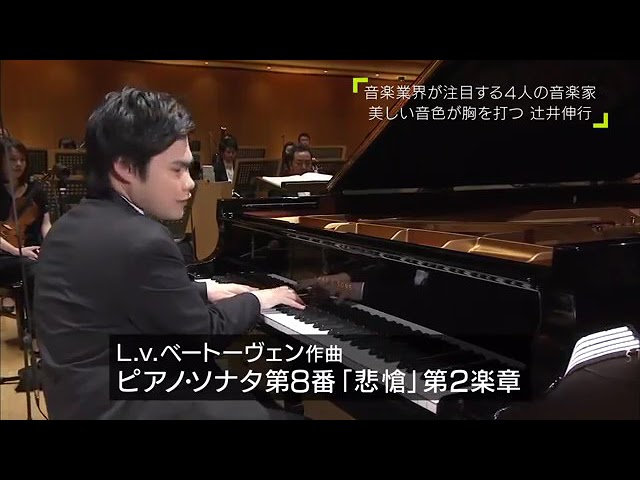
Counted alongside Piano Sonata No.
14 “Moonlight” and No.
23 “Appassionata” as one of Beethoven’s three great piano sonatas, “Pathétique” is also one of the few works to which Beethoven himself gave a title.
In stark contrast to the weighty, passionate first movement, the second movement is striking for its warm, lyrical music that seems to radiate light even amid sorrow.
Beethoven composed the Pathétique around the time he began noticing irregularities in his hearing.
Although no direct connection between his hearing loss and this piece is known, it may reflect the inner turmoil he was experiencing.
MoonlightClaude Debussy

One of the most renowned pieces from the Suite bergamasque by French composer Claude Debussy, who was active from the late 19th to the early 20th century.
Inspired by a poem by Paul Verlaine, this work beautifully conveys the emotional depth that lies within silence and beauty.
Composed around 1900, Debussy employed innovative harmonies and modes in this piece.
Why not spend a peaceful moment listening to its gentle melody, which resonates deeply with the listener’s heart?
String Quartet No. 1, Second Movement: Andante cantabilePyotr Tchaikovsky

This is a gem of a masterpiece inspired by a Ukrainian folk song.
The serene melody born from the harmony of the strings evokes deep emotion in the listener.
Its beautiful tune, which gently enfolds the feelings of a young person in love, delicately portrays the subtleties of human emotion.
There is an anecdote that even Russia’s great literary giant Tolstoy was moved to tears by this work.
masterfully expressing both the anxieties and hopes of love, it is a piece that offers solace to those troubled by romance.
The moving performance at a special concert in December 1876 was recorded by the composer in his diary as a lifelong source of pride.
Intermezzo from Cavalleria rusticanaPietro Mascagni

The opera Cavalleria Rusticana depicts entangled romantic relationships—jealousy, infidelity, and revenge—set on the island of Sicily in southern Italy, much like something you’d read in a gossip column.
It is said to be based on real-life tragedies involving two couples on the island.
The Intermezzo is especially famous and is often performed on its own in concert.
Its serene, lush melody heightens the contrast with the tragic ending that follows, including a duel and a parting by death.