

[Masterpiece Classics] A special showcase of gem-like masterpieces so beautiful they’ll move you to tears


Masterpieces of classical music are played on TV, in movies, and in shopping malls, permeating our daily lives as background music.
There are many times when a piece that mysteriously brings you to tears turns out to be a work of classical music.
This time, from among such classical works, we’ve carefully selected timeless masterpieces under the theme “so heartbreakingly beautiful they’ll make you cry.”
Please enjoy to your heart’s content the profound sonorities unique to classical music, which combines both delicacy and boldness.
- A poignant classic masterpiece. Recommended classical music.
- Timelessly beautiful classical masterpieces. Recommended classical music.
- [Violin] A curated selection of beloved classic masterpieces and popular pieces that continue to be cherished across eras
- Cool classical masterpieces. Recommended classical music.
- Masterpieces of classical piano that are too beautiful for words. A gathering of delicate tones that cleanse the soul.
- [Orchestra] Introducing famous and popular pieces
- Popular classical piano pieces. A collection of masterful performances by Japanese pianists.
- Cello Masterpieces: A comprehensive introduction to exquisite classical works that let you savor its profound timbre
- Classical Masterpieces: Recommended Works You Should Hear at Least Once
- [Ultra-Advanced] Even challenging for advanced players! A curated selection of highly difficult piano pieces
- Gabriel Fauré | Introduction to His Famous and Representative Works
- Masterpieces for Harp: A curated selection of distinguished works featuring noble and delicate tones
- Today's Classics: Recommended classical music and great performances to listen to today
[Masterpiece Classics] A showcase of exquisitely beautiful gems that will move you to tears (31–40)
ChaconneTomaso Antonio Vitali

A violin piece that is sweetly melancholic yet accompanied by brilliance.
It came to light in the 19th century, nearly a century after Vitali’s time.
When the violinist David arranged and published the previously unknown Chaconne in G minor, the piece became widely known.
However, because the score he used for the arrangement was not written directly by Vitali, there is also a controversial theory that it may be a forgery.

Cantabile in B-flat majorFrederic Chopin

Frederic Chopin’s work, whose wistful melody tightens the chest, is a gem of a miniature composed in 1834 and published posthumously.
True to its title, which means “to sing,” it combines a beautiful melody with a vocal, cantabile character.
Although it is not performed very frequently in concerts, its quiet, intimate melody in B-flat major leaves a deep impression on listeners.
Why not listen to it when you want to linger in a bittersweet mood or gently process your sadness?
Largo in E-flat majorFrederic Chopin

Frederic Chopin’s Largo in E-flat major evokes a tightening in the chest with its wistful, drifting melody.
Composed in 1837, this piece embodies Chopin’s patriotism and longing for his homeland.
It also drew attention when Kyohei Sorita performed it at the International Chopin Piano Competition.
Unfolding at a relaxed tempo, its gentle yet richly expressive melody deeply stirs the listener.
A distinctive feature is how affection for Poland’s history and culture is conveyed through delicate expressivity and technical refinement.
Why not listen to it when you want to sink into a bittersweet mood or quietly gather your thoughts?
Rhapsody on a Theme of Paganini, Op. 43, Variation 18: Andante cantabileSergei Rachmaninov

The great composer Sergei Rachmaninoff.
Also active as a pianist, he created many masterpieces during his lifetime.
Among them, one particularly moving work is the Rhapsody on a Theme of Paganini, Op.
43, Variation 18 “Andante cantabile.” Another masterpiece with an equally beautiful melody is Vocalise, but whereas that piece carries a wistful, sorrowful tune, this one is crafted with an inspiring melody that instills a sense of hope.

EARTHMuramatsu Takatsugu

This piece, performed as a flute and piano duo, is a grand work themed around the Earth’s environment and the beauty of nature.
The flute’s gentle melodies and the piano’s rich resonance intertwine exquisitely, evoking the sensation of traveling through the great outdoors.
The structure begins with a quiet introduction, gradually unfolds into a dramatic development, and finally moves toward a tranquil close.
This dynamic contour brings deep emotional expression to the music and captivates listeners.
It’s a recommended piece for those who want to feel their love for nature and the Earth through music, and for anyone who wishes to fully savor the charm of the flute.
[Masterpiece Classics] A Showcase of Exquisitely Beautiful Gems That Will Move You to Tears (41–50)
Symphony No. 6 “Pathétique”Pyotr Tchaikovsky
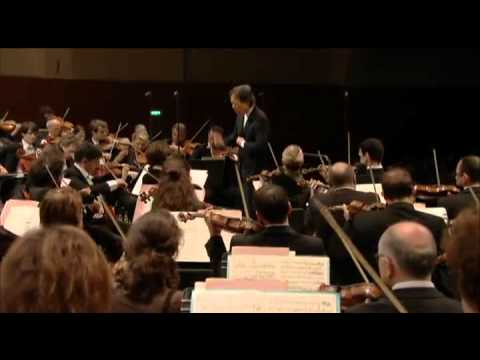
Symphony No.
6 “Pathétique” by the Russian composer Pyotr Ilyich Tchaikovsky—who left many grand works such as the ballet music Swan Lake—was his final composition and is counted among the representative symphonies of the late 19th century.
Tchaikovsky is said to have written in a letter that he was “prouder of this than any other work,” suggesting it was a piece in which he took great confidence.
Particularly famous is the fourth movement, which, true to its subtitle, is suffused with pathos.
Why not quietly savor its heartbreakingly beautiful harmonies that seem to pierce the soul?

Ave MariaGiulio Caccini
A work that maintains a solemn and poignant atmosphere throughout.
Both the lyrics and the melody are simple, but precisely because of their simplicity, the piece has the power to resonate directly with the heart.
This piece has been known as “Caccini’s Ave Maria,” and, together with Schubert’s Ave Maria and Gounod’s Ave Maria, was once referred to as one of the “three great Ave Marias.” However, it is now suspected that the work may actually be by the former Soviet musician Vavilov.
He was a 20th-century guitarist and lutenist who had no formal training in composition, and it is said that he hesitated to publish works under his own name; as a result, he may have released the piece under Caccini’s name.