

[Masterpiece Classics] A special showcase of gem-like masterpieces so beautiful they’ll move you to tears


Masterpieces of classical music are played on TV, in movies, and in shopping malls, permeating our daily lives as background music.
There are many times when a piece that mysteriously brings you to tears turns out to be a work of classical music.
This time, from among such classical works, we’ve carefully selected timeless masterpieces under the theme “so heartbreakingly beautiful they’ll make you cry.”
Please enjoy to your heart’s content the profound sonorities unique to classical music, which combines both delicacy and boldness.
- A poignant classic masterpiece. Recommended classical music.
- Timelessly beautiful classical masterpieces. Recommended classical music.
- [Violin] A curated selection of beloved classic masterpieces and popular pieces that continue to be cherished across eras
- Cool classical masterpieces. Recommended classical music.
- Masterpieces of classical piano that are too beautiful for words. A gathering of delicate tones that cleanse the soul.
- [Orchestra] Introducing famous and popular pieces
- Popular classical piano pieces. A collection of masterful performances by Japanese pianists.
- Cello Masterpieces: A comprehensive introduction to exquisite classical works that let you savor its profound timbre
- Classical Masterpieces: Recommended Works You Should Hear at Least Once
- [Ultra-Advanced] Even challenging for advanced players! A curated selection of highly difficult piano pieces
- Gabriel Fauré | Introduction to His Famous and Representative Works
- Masterpieces for Harp: A curated selection of distinguished works featuring noble and delicate tones
- Today's Classics: Recommended classical music and great performances to listen to today
[Masterpiece Classics] A comprehensive selection of exquisitely beautiful gems that will move you to tears (21–30)
VocaliseSergei Rachmaninov
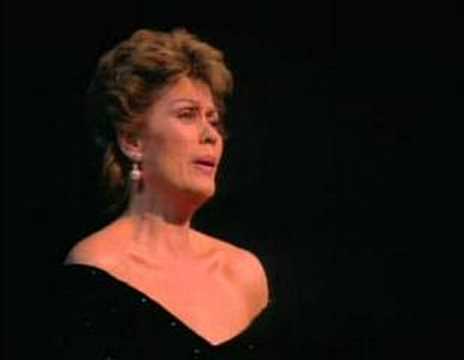
“Vocalise” is a musical term referring to a lyricless vocal exercise sung on one or more vowels.
In vocal performance, vowel-based exercises are essential for producing a beautiful singing voice, and many collections of vocalise studies were published in the 19th century.
From around the late 19th century, however, vocalises began to be treated not merely as exercises but as works of art.
Though they have no lyrics, their melodic beauty and wistfulness seem to speak directly to the heart.

Come, sweet deathJ.S.Bach

This is the first movement of a six-part church cantata said to have been composed in 1716 for worship by Johann Sebastian Bach, a quintessential Baroque classical composer.
A cantata is a vocal work with instrumental accompaniment, for solo or multiple voices, that developed from the 17th to the 18th century, the period during which Bach lived.
Remarkably, Bach left behind more than 200 cantatas.
Please enjoy the world of church music, with its beautifully layered textures.

“Lacrimosa (Day of Tears)” from the RequiemWolfgang Amadeus Mozart

Mozart’s final work was this Requiem.
“Lacrimosa,” the eighth movement, was the last piece he completed—he finished it up to the eighth bar, and that marked the end of his life.
From the ninth bar onward, it was written by Mozart’s pupil.
The persistently heavy, heartrending melody almost sounds as if Mozart’s soul is reluctant to part from his body.
Meanwhile, the chorus prays as if for its own peace for the dead, who approach a painful judgment in tears, and at the end the piece concludes with the word “Amen.”
Pavane for a Dead PrincessMaurice Ravel
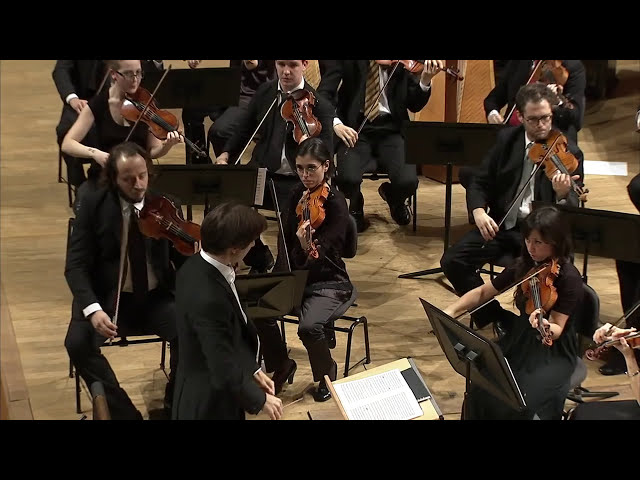
The model for the “dead princess” in the title is said to be Princess Margarita of 17th-century Spain.
Ravel is said to have seen her portrait in the Louvre and drawn inspiration from it.
He described the piece not as “a memorial for a dead princess,” but as “a piece like the kind a little princess might have danced to in the old days at the Spanish court.” Ravel deeply loved his mother, and after her death he even wrote to a friend that “with each passing day, my despair grows deeper.” The sentimental tone that seems to yearn for a bygone era may reflect Ravel recalling memories of his childhood with his mother.
Ave verum corpusWolfgang Amadeus Mozart

Hailed as a “miraculous masterpiece” in the world of classical music, this work’s profound piety and serene beauty resonate deeply with listeners.
Though it spans only 46 measures, the power of prayer contained within is immeasurable.
Beginning in D major and modulating deftly through A major, F major, and D minor, its technique attests to the composer’s extraordinary skill.
At its premiere on June 23, 1791, in a small church on the outskirts of Vienna, many in the audience were moved to tears by its beauty.
This piece is recommended not only for those interested in sacred music, but also for anyone who wishes to engage with music in quiet contemplation.
Nocturne No. 1 from Three NocturnesSergei Rachmaninov

Sergei Rachmaninoff was a Russian pianist and composer active from the 19th to the 20th century.
Remarkably, he wrote these Three Nocturnes at the age of fourteen.
The music brims with youthful freshness and drive, conveying Rachmaninoff’s innermost feelings in a direct, unfiltered way.
It captures the anxieties, conflicts, and forward momentum unique to adolescence, poised between childhood and adulthood.
The piece also overflows with Russian sentiment, reminiscent of Tchaikovsky—another Russian composer who recognized Rachmaninoff’s talent.
sighEdward Elgar

A work by the English composer Edward Elgar, known for the violin’s beautiful, moving melody in Salut d’Amour.
In 1914, on the eve of World War I, it was composed for string ensemble with harp and organ.
Behind the richly layered strings, the subtly played harp lends a poignant hue, making it a piece that deeply resonates with the heart.
The harp part is also performed on the piano.
It’s enjoyable to listen to performances by various ensembles and appreciate how the instrumentation changes the color of the sound.