

A list of cute onomatopoeia! A collection of sound-symbolic words and expressions you'll want to use

“Puru puru,” “niko niko,” “poyo poyo”…
Just hearing cute onomatopoeia like these somehow warms the heart, doesn’t it? Japanese has many onomatopoeic expressions with rich nuance, and I’ve put together a list of especially cute ones.
From gentle, soothing sounds to those you’ll find yourself humming along to.
By weaving them into everyday conversation or writing, you can express yourself more vividly.
Why not try finding your own favorite cute onomatopoeia?
- [Read Aloud] A Fun List of Onomatopoeia: Enjoy the World of Sounds
- Tongue Twisters So Fun and Cute You’ll Want to Say Them Out Loud!
- Enrich your heart with beautiful four-character idioms! A collection of expressions you'll want to use in everyday life.
- How embarrassing! A collection of cute lines perfect for penalty games
- Amusing four-character idioms you’ll want to use right away! A collection of expressions to remember as general knowledge.
- Let's enjoy learning winter seasonal words! A collection of easy-to-use word ideas for elementary school students
- Four-character idioms wishing happiness: a collection of heartwarming expressions for everyday use
- [For Elementary Students] A Collection of Beautiful Four-Character Idioms to Know
- Cute and funny mnemonics made with four-digit numbers
- Nagoya dialect tongue twisters are exquisite! A fun collection where your tongue gets tied in knots with regional dialects
- [For Elementary School Students] Spring Kigo for Haiku Writing! A Collection of Fun, Easy-to-Memorize Ideas
- A collection of gesture-game prompts for elementary school kids: fun ideas to liven up class parties and children's gatherings.
- Easy to remember and fun! A collection of number pun/mnemonic ideas
List of Cute Onomatopoeia! A Collection of Sound Words and Expressions You'll Want to Use (1–10)
poyo-poyo
Poyopoyo is an onomatopoeia that’s perfect for conveying something fluffy and soft in words.
When you touch a sleeping cat’s paw pads, they feel poyopoyo, don’t they? You can also use it when touching a soft belly.
Similar onomatopoeias include fuwafuwa and howahowa.
All three express softness, but their nuances differ.
Poyopoyo suggests not only softness but also a springy, bouncy elasticity.
Try choosing the one that best fits the context of your conversation, even among similar-sounding words.

fluffy
The onomatopoeic expression “powapowa” is used to describe a pleasant feeling or a hazy, floating sensation.
For example, saying “Ofuro agari de karada ga powapowa suru” conveys that your body feels warm and comfortable after a bath.
Saying “Gohan o tabete manpuku ni nattara, powapowa shite kita” suggests that after eating to fullness, you feel dreamy and a bit dazed.
When you’re feeling relaxed, try saying “powapowa suru~” in a cute way!

fluffy
“Mofu-mofu” is a Japanese onomatopoeia often used to describe something that feels nice to the touch or looks so soft you want to touch it.
For example, saying “The dog’s fur is mofu-mofu and cute” evokes an image of soft, pleasant-to-touch fur, and “The area around the neck is mofu-mofu and warm” suggests wearing a scarf or a coat with fur that feels gentle on the skin.
Mofu-mofu is frequently used to express tactile sensations and pleasant textures.
It’s one of those cute onomatopoeic words that’s easy to use in everyday conversation.
List of cute onomatopoeia! A collection of sound-symbolic words and expressions you’ll want to use (11–20)
sparkling
There is an onomatopoeic expression, “kira-kira,” that conveys something shining or beautiful.
It can also describe brightness.
For example, saying “The fireworks bloom kira-kira” evokes the image of aerial fireworks glittering in the night sky.
The expression “eyes that are kira-kira” makes you imagine a gaze full of joy and expectation.
In this way, the onomatopoeia kira-kira is perfect for expressing visually perceptible sparkle, radiance, or beauty.
excited
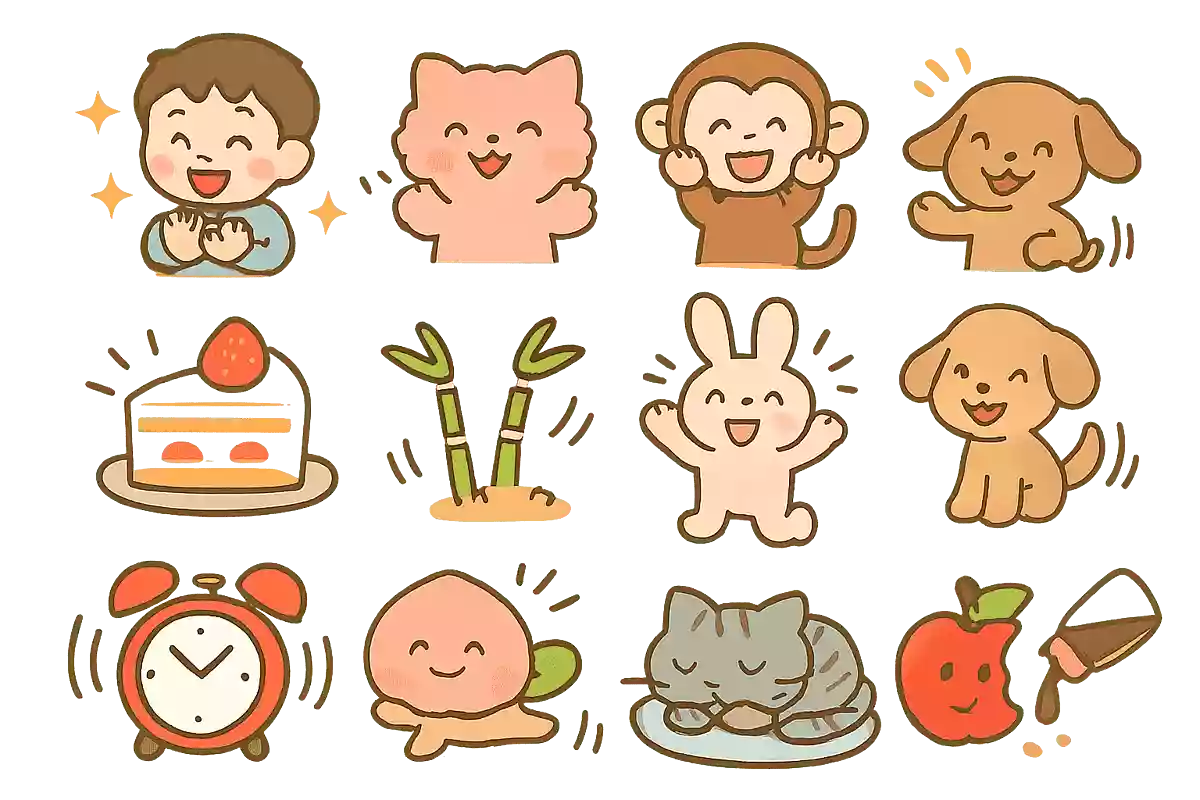
There is an onomatopoeic expression, “wakuwaku,” that conveys anticipation and excited feelings.
It’s often used when expressing the thrill or flutter of looking forward to something.
For example, saying “I’m wakuwaku about tomorrow’s field trip” conveys the excitement you feel when imagining it.
Saying “I got excited (wakuwaku) when I heard someone would teach me” suggests you’re looking forward to new learning and have expectations for your own growth.
It’s not commonly used in negative situations, so try using it when something good happens or when there’s something to look forward to.
teary-eyed
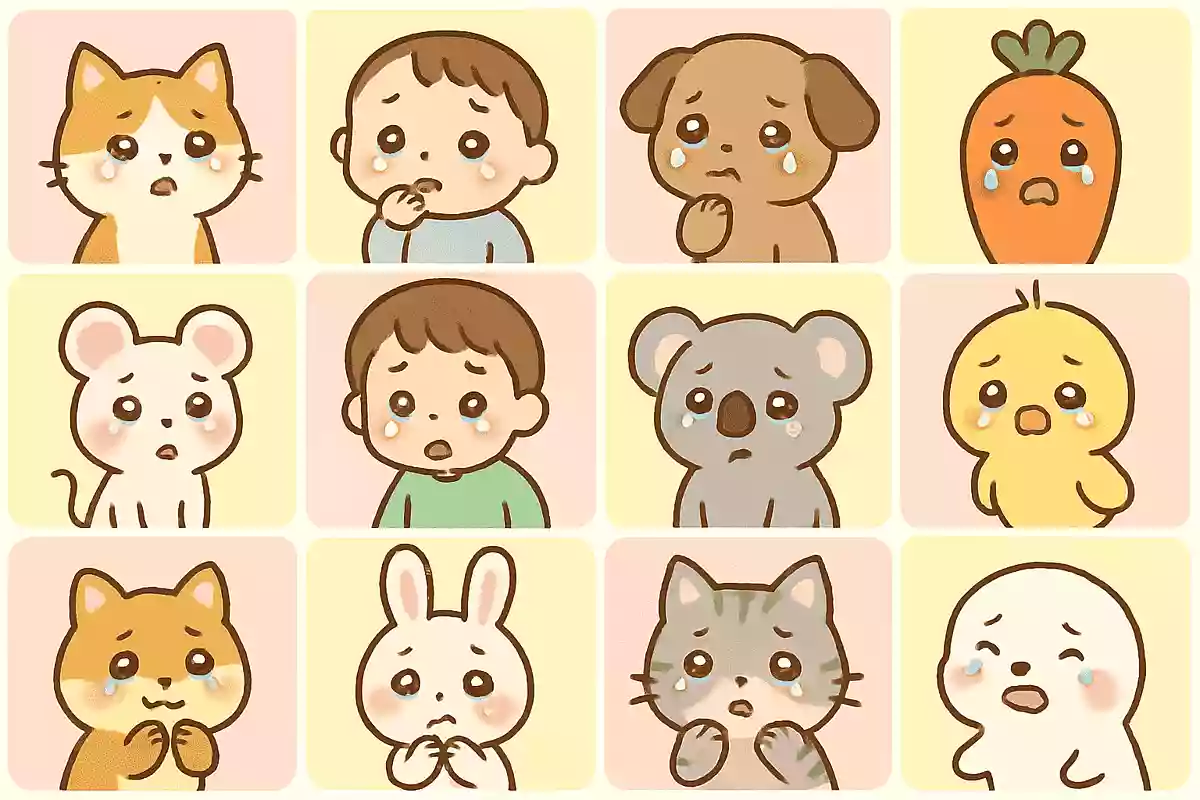
“Uru-uru,” said to derive from tears “urumu” (to become moist), is often uttered by characters in manga—especially gag manga—during crying scenes.
Cutesy-idol types will also often put their hands to their eyes and say “uru-uru.” For some reason, this onomatopoeia reminds me of Momoko Tsugunaga, aka “Momochi,” from Hello! Project.
“Uru-uru” can be used not only when you’re sad but also when you’re moved, as in “I was moved to the point of uru-uru.” It feels like it’s gone beyond “cute” and become part of everyday Japanese.
sleeping soundly
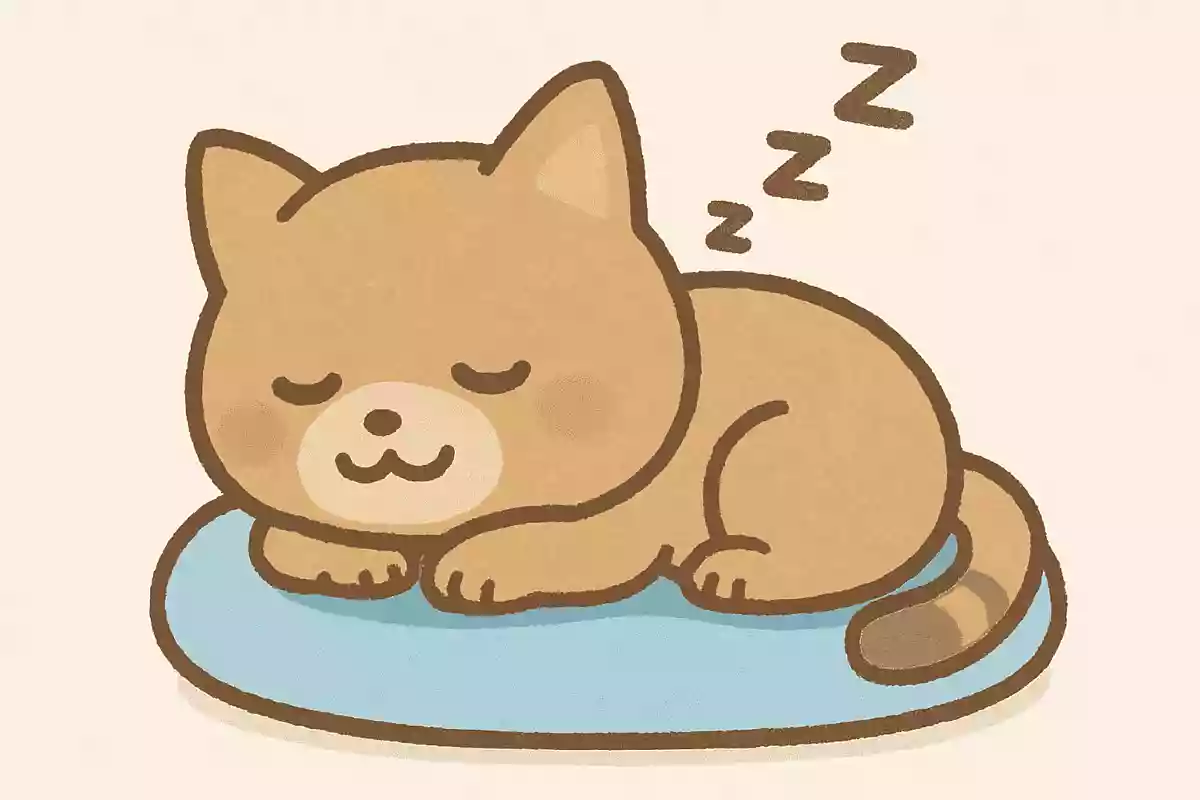
Suyasuya is a word that has long been used to describe a comfortable, peaceful sleep.
If you imagine a baby sleeping, the cuteness of this onomatopoeia comes across even more strongly.
In Japan, it’s so commonly used that there are even picture books that include it in their titles.
Try using it while gazing at the adorable sleeping faces of babies and children, as in “Suyasuya, sleeping so well.” For some people, it also evokes the gesture of putting both palms together against the cheek to mime sleeping.