

Fun for kids and adults alike! Train your brain with easy riddles.

Riddles that everyone can enjoy, from children to adults.
In this collection of ideas, we’ve gathered simple riddles that even small children can solve.
It could be fun to trade riddles with your child and compete, or for adults to try them as brain training.
The simpler they are, the trickier they can be.
- Easy Riddles for Elementary School Students
- [Simple Riddles] A curated selection of fun questions that will excite everyone from kids to adults!
- Let's Think Outside the Box! A Collection of Challenging Riddles for Kids
- So tricky you’ll be fooled! A collection of trick riddles that both adults and kids can enjoy.
- Fun riddles that kids will love
- Fun Brain Teasers for Kids and Adults Alike!
- Mental Workout: Casual Challenge! Riddles for Adults
- Interesting riddles: a collection of simple and fun questions
- Fun quizzes for elementary school kids: a collection of questions everyone can enjoy together
- [Challenge] Stimulate your intellectual curiosity with a general knowledge quiz you might not know!
- [Trick Quiz] Quiz Questions That Excite Everyone from Kids to Adults
- Let's get excited with a two-choice quiz that everyone—from kids to adults—can enjoy!
- Recommended riddles for elementary school students. A collection of kid-friendly riddles.
Fun for kids and adults alike! Train your brain with simple riddles (21–30)
What can go anywhere but doesn’t move?
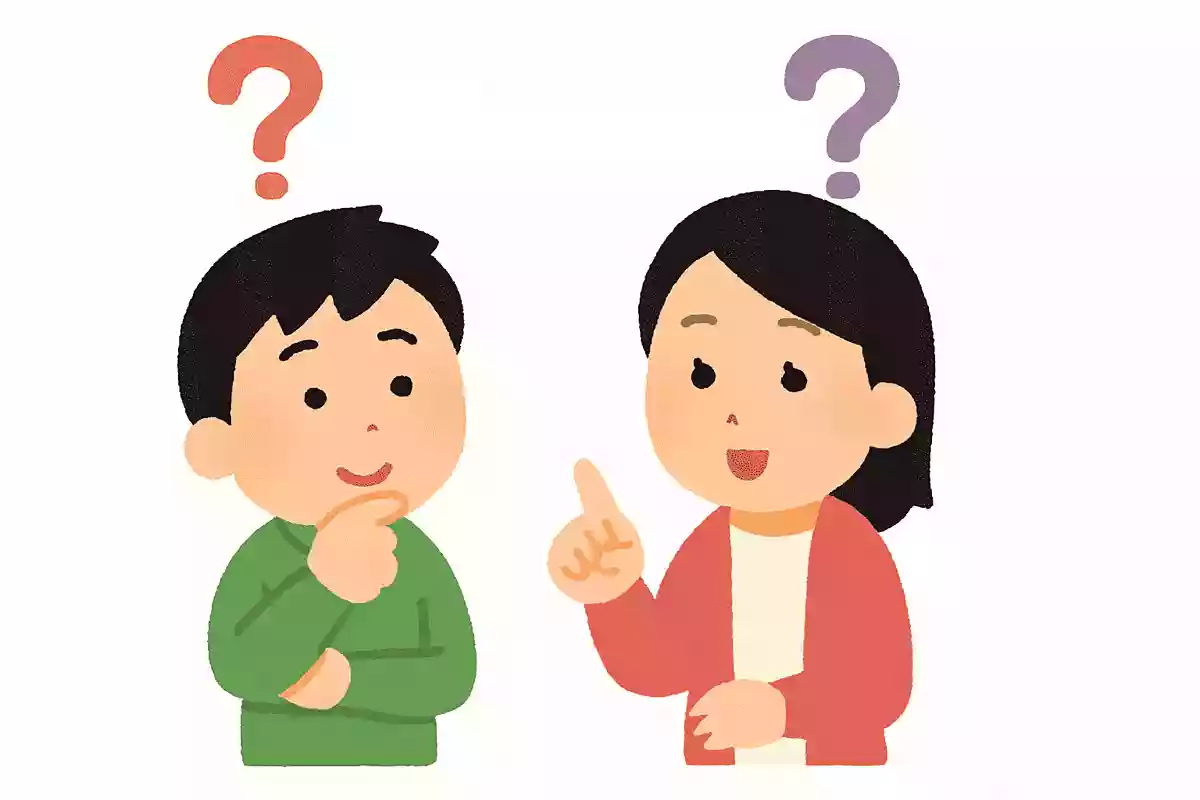
Do many kids love traveling? Just going somewhere different from usual makes you feel excited, doesn’t it? So let’s try this riddle: “What can go anywhere but doesn’t move?” When you think of going anywhere, vehicles like cars, bicycles, and trains come to mind, but they all move, right? So those aren’t the answer.
If you think about something that makes you feel like you’ve gone somewhere without actually going, you might reach the answer.
The correct answer is “a map.” On a map, you can go to various countries, but the map itself doesn’t move.

Why are there sneakers whose laces never come undone no matter how much you run around?
@igosso.youtube♪ Original Song – Igossou [YouTube] – Igossou [YouTube]
Sneaker laces sometimes come undone while you’re wearing them, right? You can just retie them when they come loose, but if your hands are full, you end up walking with untied laces—your shoes feel like they’re about to slip off, and you might even trip over the laces.
A lot of people probably have those quietly annoying memories.
Here’s a quiz about lace-up sneakers! Sneakers whose laces never come undone no matter how much you run around… sounds like a dream product, doesn’t it? But in fact, kids are already wearing this dream-like item.
You might figure out the answer just by looking at your own sneakers!
Fun for kids and adults alike! Train your brain with easy riddles (31–40)
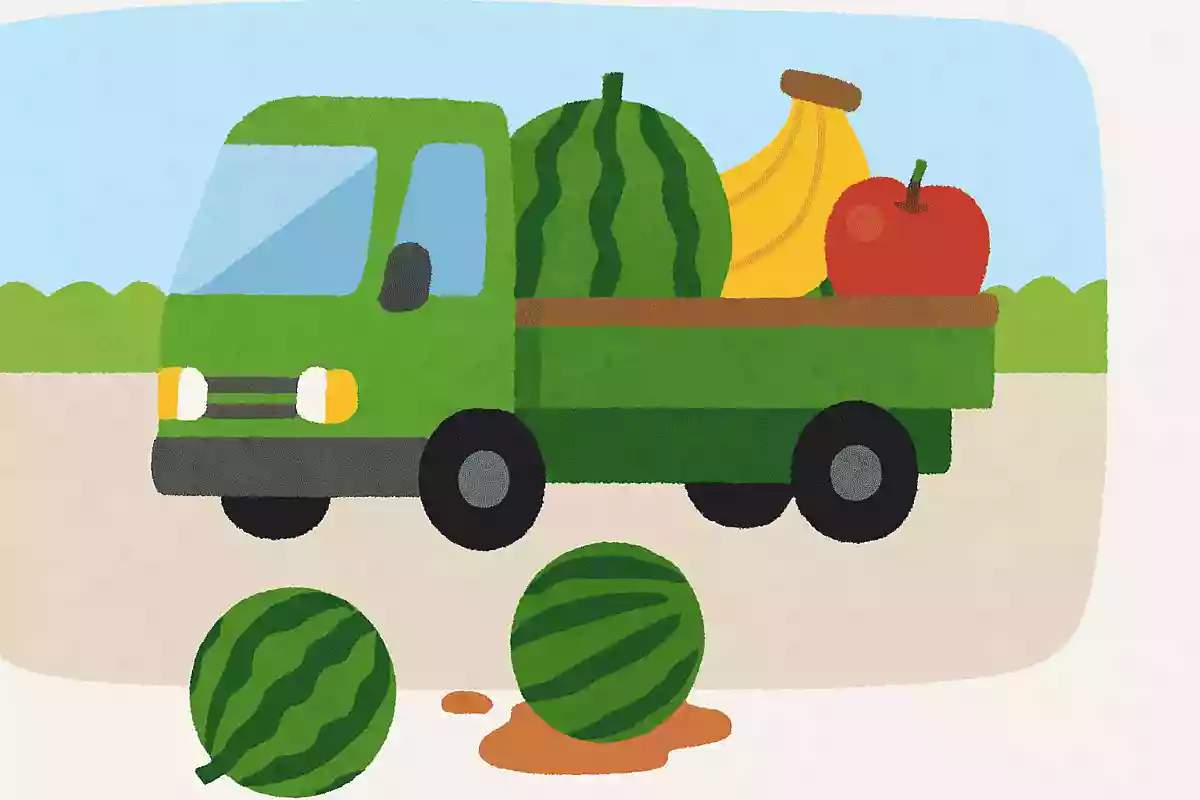
A truck loaded with watermelon, bananas, and apples dropped something. What did it drop?
See the answer
speed
What the truck dropped was not the fruit it was carrying, but its speed (velocity). This indicates that the truck suddenly slowed down. In other words, even if it was loaded with watermelons, bananas, and apples, what actually gets dropped isn’t the cargo, but the speed of its movement.

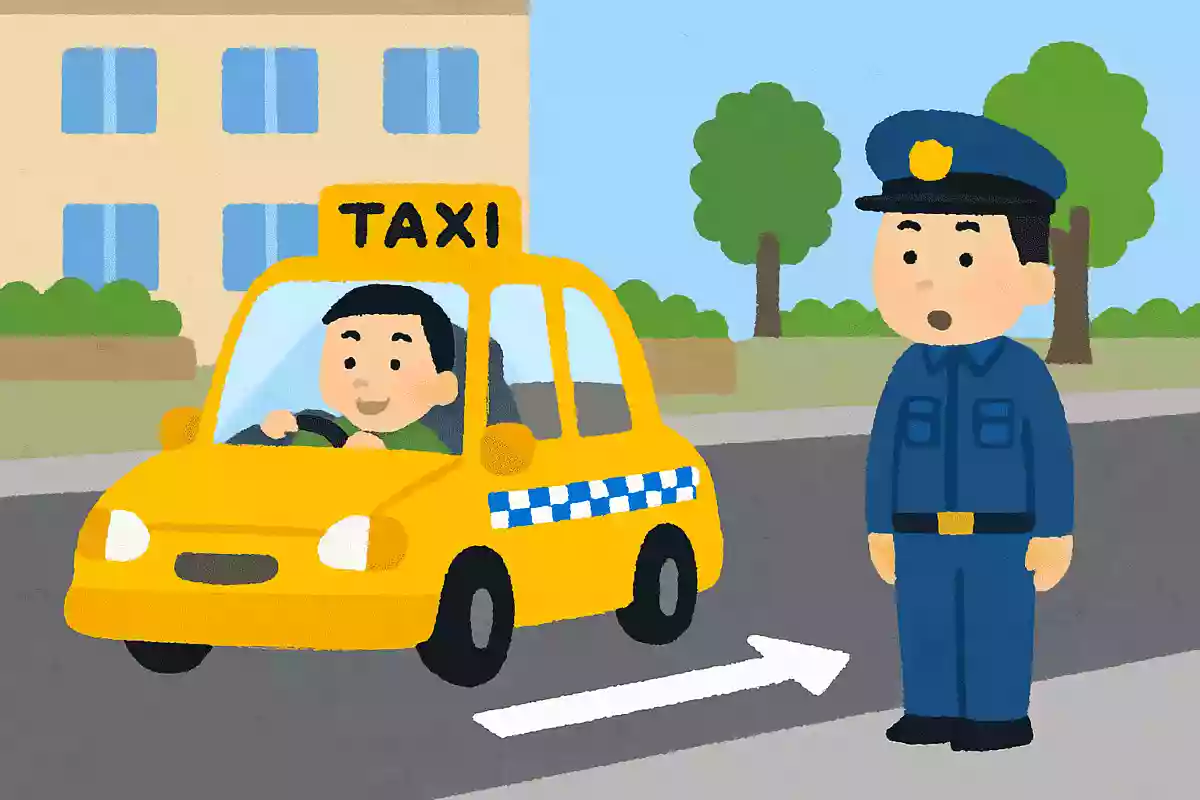
A taxi driver is going the wrong way down the road, but the police don’t stop him. Why is that?
See the answer
Because it’s the driver who’s running
The reason the taxi driver is going the wrong way down the road is that he isn’t driving a car—he’s walking or running himself. In other words, it’s a person running, not a car, so the police don’t stop him. The key is that it’s a play on the meaning of the words.
Today is Monday. Tomorrow is Tuesday. What day is the day after tomorrow?
@20ennochoco Share voiceVoice LibraryFountain pen
♬ Slow and comical BGM(1083863) – Blanket
When trying to answer this question, wouldn’t most people say, “You’re supposed to answer Wednesday, but the trick is that the answer is Thursday!”? That’s what common sense suggests, right? In fact, if a small child answered that way, I’d be tempted to mark it correct—they’re being clever.
However, the answer is actually neither Wednesday nor Thursday.
The key to finding the answer is to focus on the word “asatte” in the problem statement.
Look closely: while “today” and “tomorrow” are written in kanji, “asatte” is written in hiragana… What does that imply?
What is something that doesn’t decrease no matter what you eat?
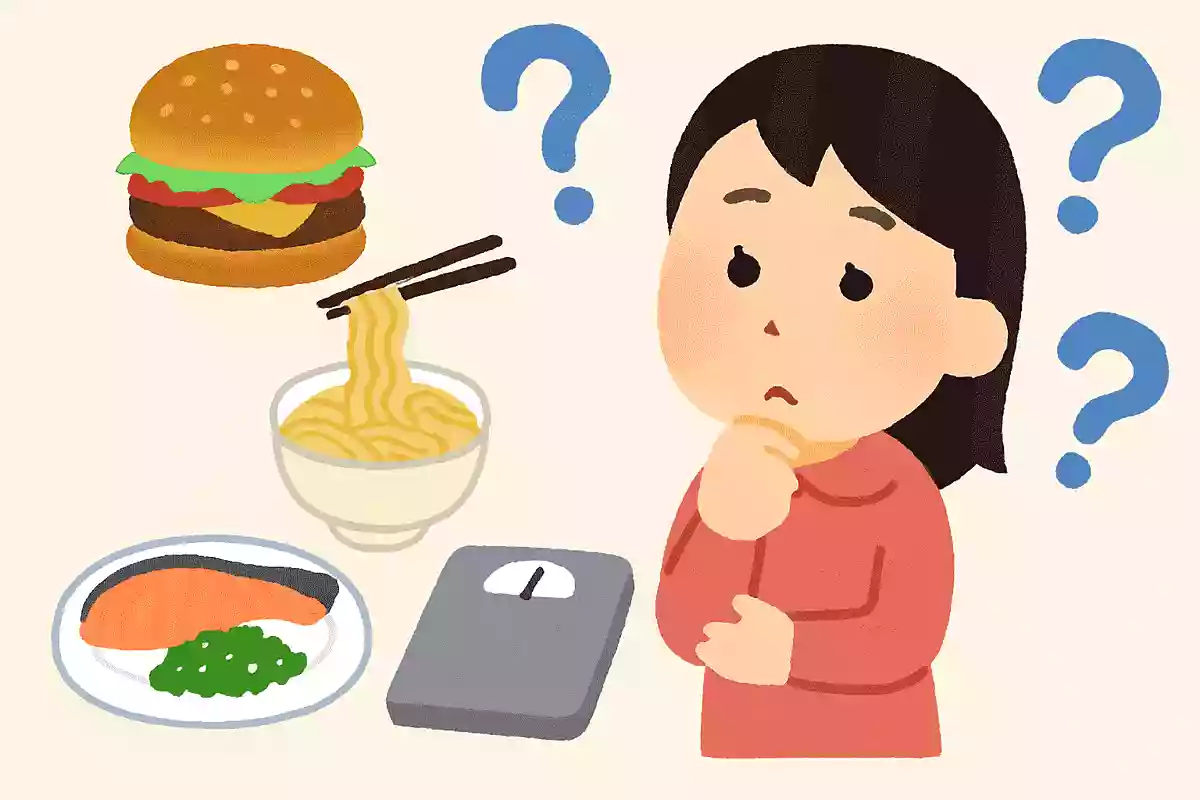
What is something that doesn’t get smaller no matter what you eat? Right now, all sorts of foods are probably popping into your mind: rice balls, sandwiches, apples, tangerines, sweets… There are so many edible things, but once you eat them, they’re gone, right? In other words, if you focus on the food when thinking about this question, you won’t get the right answer.
It’s a trick question, so you need to look at it from a slightly different angle.
The correct answer is “your mouth.” It certainly eats anything, but it’s the food that diminishes—the mouth doesn’t get smaller!
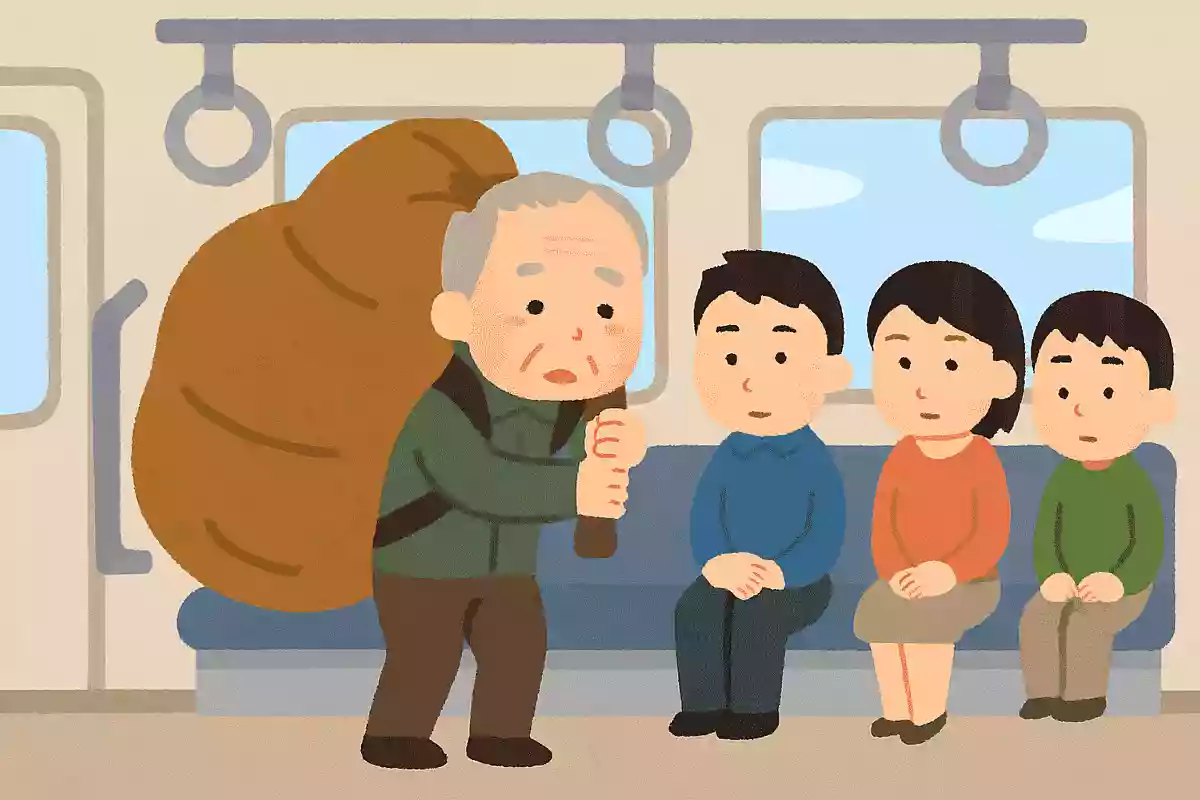
An elderly person carrying large luggage got on the train. But no one offered their seat. Why do you think that is?
See the answer
Because there were many seats available.
The reason the people around didn’t offer their seats when an elderly person carrying large luggage got on the train was that there were plenty of empty seats to begin with. In other words, the elderly person could sit wherever they liked, so there was no need for anyone to go out of their way to give up a seat.