

![[For Seniors] That phrase too! A fun 3-choice abbreviation quiz](https://media.ragnet.co.jp/img/1200__png__https://www.studiorag.com/files/2025/04/77e9f501e2c05ab01797418d51bf3eb8.webp)

Abbreviations you hear and see on TV and in magazines.
There are many kinds of abbreviations used in politics and across different generations.
Some older adults may know these abbreviations through conversations with their children or grandchildren.
On the other hand, there may be terms you’ve “kind of heard of,” but don’t actually know what they stand for.
So this time, we’re introducing a “Quiz on Abbreviations for Older Adults.”
If it’s an abbreviation you know, you can enjoy answering it; if it’s one you don’t know, you can learn something new.
To make it easy for many older adults to participate, it’s a multiple-choice quiz with three options.
Please enjoy a fun time with the “Abbreviation Quiz for Older Adults.”
- [For Seniors] Trivia Multiple-Choice Quiz
- [For Seniors] 3-Choice Dialect Quiz! A Collection of Fun Dialect Quizzes from Around Japan
- [For Seniors] Lively Wordplay Game: Fun Recreation for Elderly Care
- [Brain Training] Lively Word Quiz for Seniors
- How much do you know? Trivia quiz for seniors that’s full of surprisingly unknown facts
- [For Seniors] Great for killing time! A fun three-choice trivia quiz
- [For Seniors] Fun Brain Training! Prefecture Quiz
- [For Seniors] Have Fun with Wordplay Characters! A Collection of Funny Puzzles
- [For Seniors] Sports Trivia Quiz & Fun Facts. Easy and Entertaining
- Surprisingly unknown? Trivia Quiz [Multiple Choice: 3 Options]
- [For Seniors] Fun and Informative! Trivia and Quizzes Introduced
- [For Seniors] Fun and Exciting! Difficult Kanji Quiz
- [For Seniors] Surprising Facts! Multiple-Choice Trivia Quiz (4 Options)
[For Seniors] That phrase too! Enjoyable 3-choice Abbreviation Quiz (1–10)
postage stamp
- ticket bill of exchange
- ticket letter
- ransom note
The stamp you put on an envelope is an abbreviation of “kippu-tegata.” Its origin lies in the fact that, in Japan since long ago, a slip of paper that proved a right obtained by paying money was called “kippu-tegata.” While “kippu-tegata” was a familiar term in Japan at the time, you don’t hear it much in everyday life anymore.

Ekiden (long-distance relay race)
- ekiden relay messenger
- Ekiden relay race
- ekiden relay race
See the answer
Ekiden relay race
Ekiden is an abbreviation for “ekiden kyoso,” or relay road race. Many older adults may have seen New Year’s ekiden races or local ekiden events on TV. Watching several long-distance runners pass the sash (tasuki) makes you want to cheer them on, doesn’t it? The origin of ekiden dates back to 1917, when runners went from Sanjo Ohashi in Kyoto Prefecture to Shinobazu Pond in Tokyo. The event was named the “Tokyo Tento Commemorative Tokaido Ekiden Pedestrian Race.”
CM
- Commercial message
- Secret Meister
- Community mouse
See the answer
Commercial message
If you’re an older viewer who watches TV, CM might be a familiar term. CM stands for “commercial message” and refers to the advertisements aired between programs. The term is used not only for television but also for radio. The first CM in Japan was Seikosha’s morning time signal.
sliced bread
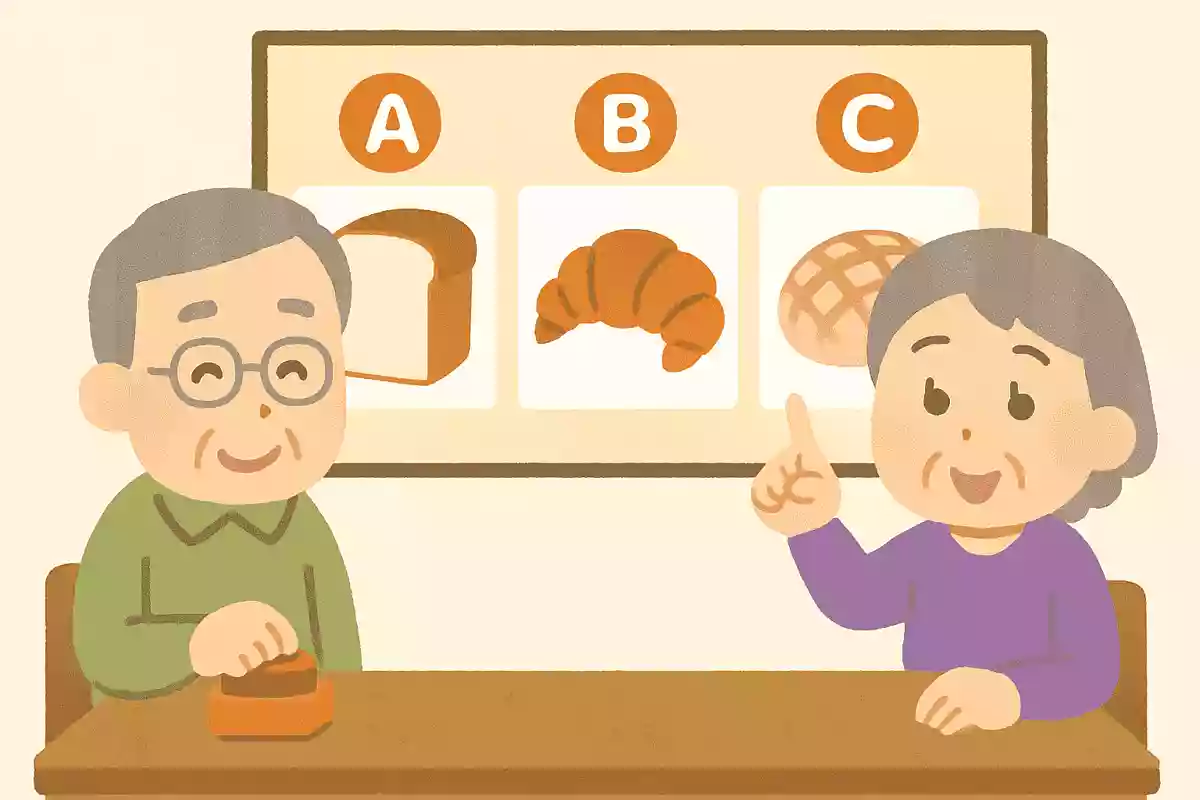
- staple bread
- bread for school lunches
- bread for breakfast
See the answer
staple bread
Even when we say “shokupan” (loaf bread), there are many different varieties nowadays. There are several theories about the origin of the name. At the shop considered the pioneer of Japanese shokupan, they changed the yeast used in the dough and succeeded in creating a bread that rose more than the sweet breads that existed until then. Some say it was designated as “bread for staple food” in contrast to sweet bread, while others suggest the name comes from the fact that, overseas before bread spread in Japan, bread was a staple food. It sounds fun to look into it more, doesn’t it?
air conditioner
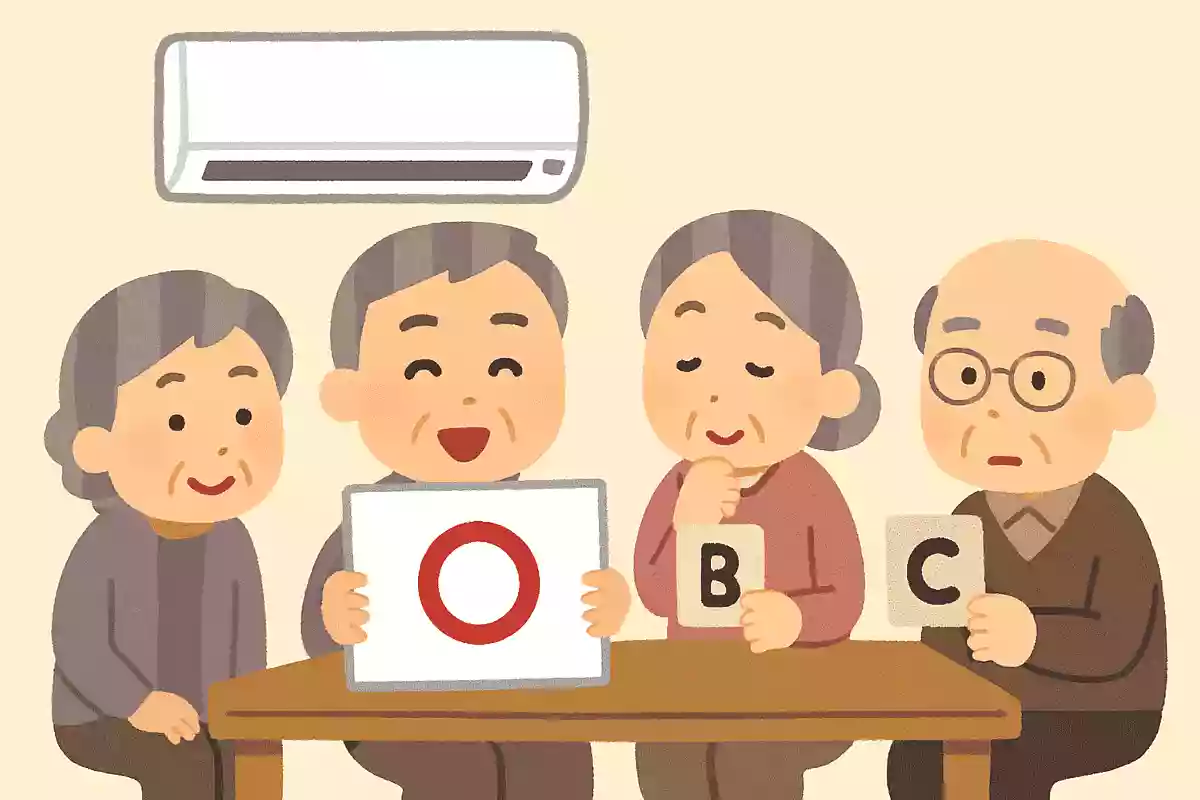
- Air control
- air conditioner
- air computer
See the answer
air conditioner
An air conditioner is climate control equipment that adjusts things like indoor temperature and humidity. There’s a similar device called a “cooler.” Since a cooler is designed specifically to “cool,” it doesn’t have a heating function. That’s the difference from an air conditioner, which can do both cooling and heating.
convenience store
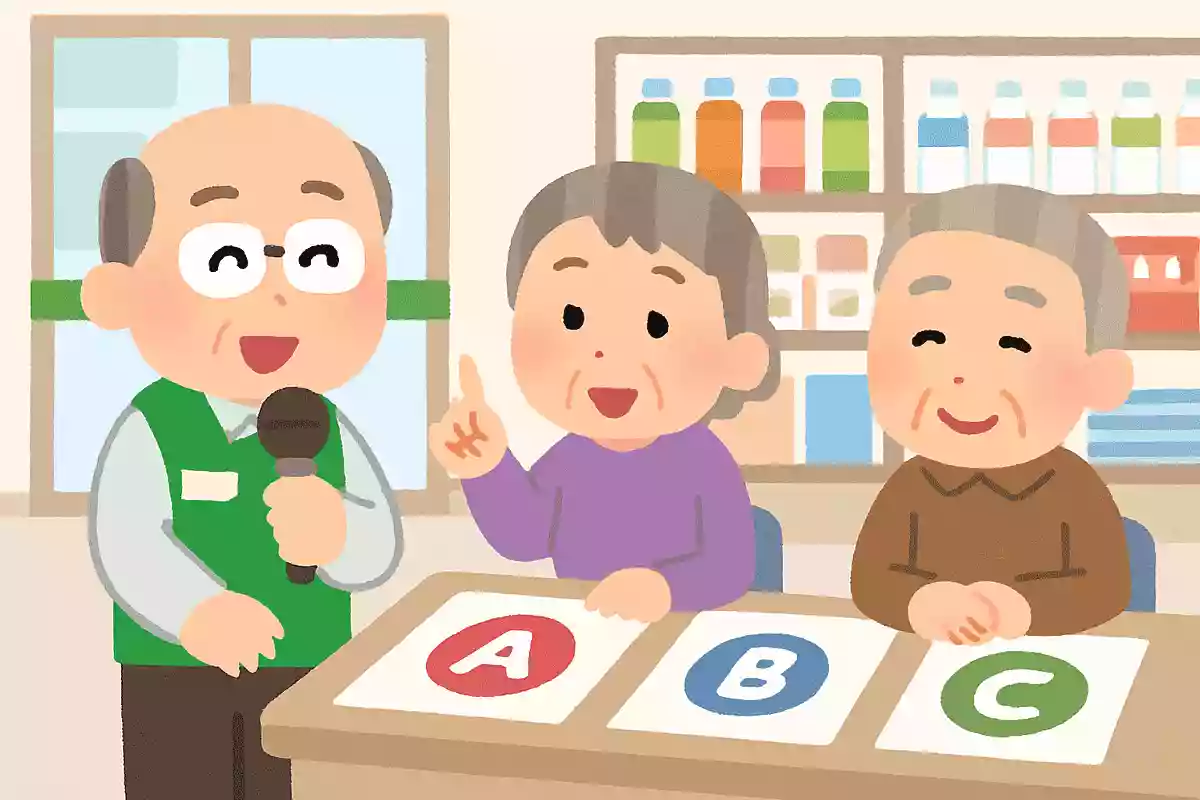
- convenience store
- convenience store
- convenience market
See the answer
convenience store
In English, “convenience” is said to mean “handy” or “useful.” The birthplace of convenience stores is the United States, where people had a custom of buying in bulk. A certain company opened a convenient shop that carried items people often forgot to buy, as well as foods that were difficult to store. It was well received and expanded into a chain. This is said to be the origin of convenience stores.
overwhelmingly the best
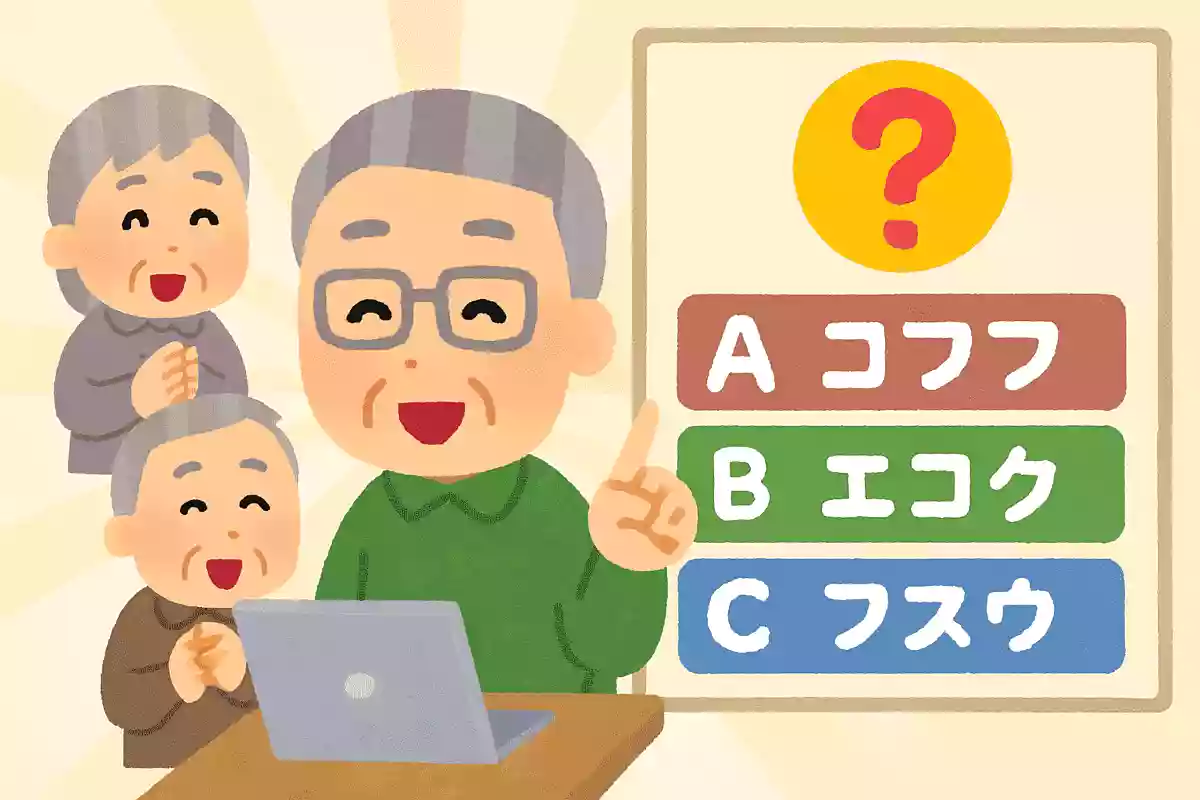
- overwhelmingly on top
- Men's Top
- Bullet top
See the answer
overwhelmingly on top
Dantotsu can also be written as “断トツ,” and it’s an abbreviation of “overwhelmingly top.” “断然” (danzen) means clearly, by far, or markedly apart, and “トップ” (toppu) comes from English and means number one or the lead. These days you sometimes see expressions like “ダントツ首位” (dantotsu shui). If translated literally and correctly, it would become something like “the foremost first position,” which is redundant and therefore an incorrect expression.