

[For Seniors] Fun 3-Choice Animal Quiz! Introducing Questions Full of Surprises and Discoveries


Why not have fun learning about animals’ surprising behaviors and curious habits? We’ve gathered multiple-choice quizzes you can enjoy discussing with older adults, sharing moments of “Wow!” and “I didn’t know that!” together.
The questions range from easy ones that are simple to answer to a few that make you think a bit.
These quizzes are great for stimulating the brain in an enjoyable way, making them perfect for recreation or everyday conversation.
Whether you love animals or don’t know much about them, you can spend a pleasant time discovering the charm of animals from around the world.
- [For Seniors] Proverb Quiz with Animal Names
- [For Seniors] Multiple-Choice Quiz Collection About Living Creatures
- [For Seniors] Laugh-Out-Loud, Crowd-Pleasing! Fun Quiz
- [For Seniors] Liven Things Up! 3-Choice Ranking Quiz
- [For Seniors] Trivia Multiple-Choice Quiz
- [For Seniors] Fun and Informative! Health Trivia Quiz
- [Brain Training] Lively Word Quiz for Seniors
- [For Seniors] Who Am I? Quiz: A Fun Set of Questions with Exciting Hints
- Let's take on a four-choice quiz that everyone can enjoy together!
- [For Seniors] Boost Your Knowledge! Fun Trivia Quiz
- [For Seniors] Recommended Trivia Quizzes & Fun Facts for November
- [For Seniors] Great for killing time! A fun three-choice trivia quiz
- [For Seniors] Fun and Easy! Dinosaur Multiple-Choice Quiz (3 Options)
[For Seniors] Fun 3-Choice Animal Quiz! Introducing Questions Full of Surprises and Discoveries (11–20)
Which part of the human body corresponds to the hole on top of a dolphin’s head?

The hole on top of a dolphin’s head is used for breathing. Which part of the human body serves the same function?
- nose
- ear
- mouth
See the answer
nose
The hole on top of a dolphin’s head is called a blowhole, and it corresponds to what we would call the nose. Since dolphins are mammals like humans, they need to come up for air to survive in the water. They breathe by exhaling and inhaling through this blowhole.

How many hours a day do giraffes sleep?

- about 10 hours
- About 4 hours
- About 20 minutes
See the answer
About 20 minutes
In the wild, giraffes can’t sleep for long stretches at a time because they need to protect themselves from predators. Their total daily sleep averages only about 20 minutes, which is remarkably short. Incidentally, they sleep standing up, staying constantly alert so they can detect danger and flee immediately.
Do owls have ears?

- there is / to exist / to have
- not
- It has decorative ear-like protrusions, but no ears.
See the answer
there is / to exist / to have
Owls have ears and can distinguish sounds well even in quiet places. Although it’s hard to see, they have ear openings under their feathers, and their left and right ears are offset, allowing them to accurately determine the direction and distance of sounds. By the way, the “ear tufts” on top of their heads aren’t ears—they’re decorative feathers.
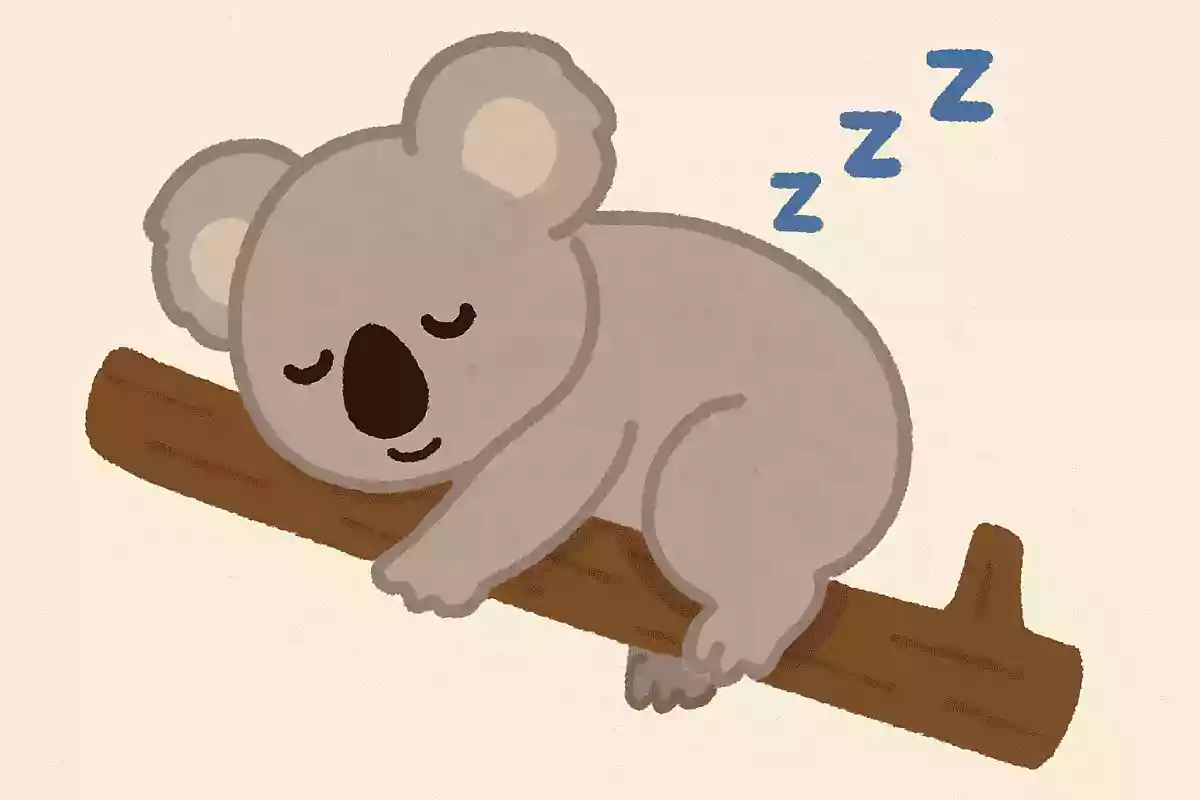
How many hours does a koala sleep in a day?
- 2 hours
- 7 hours
- 22 hours
See the answer
22 hours
Eucalyptus leaves, which koalas eat, contain toxins. It’s said they need to sleep for long periods to digest those toxins in their bodies.
Which animal has red sweat?

- Crocodile
- zebra
- hippopotamus
See the answer
hippopotamus
Hippos don’t have sweat or sebaceous glands, so their sweat is different from the colorless, transparent sweat humans produce. A hippo’s sweat is a bit viscous and starts out clear, but gradually turns red. This red “sweat” is said to protect them from sunburn and bacterial infections.

What is the reason rabbits have long ears?

- To hear better and to let heat escape
- To improve the appearance
- to fight other animals
See the answer
To hear better and to let heat escape
Long ears are a rabbit’s trademark, aren’t they? I’ve heard that these days they’re often kept as household pets. Their long ears help them hear well and release heat. The ears have many blood vessels, and when wind hits them it cools the blood, helping prevent their body temperature from rising.
[For Seniors] Fun 3-Choice Animal Quiz! Introducing Questions Full of Surprises and Discoveries (21–30)
There is an animal that lived to be 225 years old—what is it?

- crane
- hippopotamus
- turtle
See the answer
turtle
It’s known as the longest-lived turtle in the world, said to have been born in 1750 and to have lived until March 2006. That far exceeds the average human lifespan, doesn’t it? It would be great if, as medicine continues to advance, humans could also live long and healthy lives.