

[For Seniors] Proverb Quiz with Animal Names

Proverbs that often come up even in everyday casual conversations.
Among them, various kinds of animals make an appearance.
So this time, we’ll present a proverbs quiz featuring animals—perfect for brain training for seniors.
The quiz is a fill-in-the-blank format where the animal names are left blank.
Seniors with a wealth of knowledge might even get a perfect score! You may find proverbs you’ve known since childhood or ones you use frequently.
Let’s give your brain a solid workout through this animal-themed proverbs quiz.
- [For Seniors] Weather Proverb Quiz
- [For Seniors] Enjoyable Brain Training! Proverb Quiz Collection
- [For Seniors] Lively Wordplay Game: Fun Recreation for Elderly Care
- [For Seniors] Fun 3-Choice Animal Quiz! Introducing Questions Full of Surprises and Discoveries
- [For Seniors] Multiple-Choice Quiz Collection About Living Creatures
- [For Seniors] Fun and Lively! Recommended Quiz Questions
- [For Seniors] Brain Training! Recall Quiz Collection!
- [For Seniors] Laugh-Out-Loud, Crowd-Pleasing! Fun Quiz
- [For Seniors] Fun Recreational Activities Without Equipment
- [For Seniors] Fun Riddles That Stimulate the Brain
- [For Seniors] Today’s recommended quiz. Daily brain-training quiz!
- [For Seniors] Brain-training quizzes for January: Let’s have fun with New Year and winter trivia
- How much do you know? Trivia quiz for seniors that’s full of surprisingly unknown facts
[For Seniors] Proverb Quiz with Animal Names (1–10)
Even 〇〇 falls from the tree.
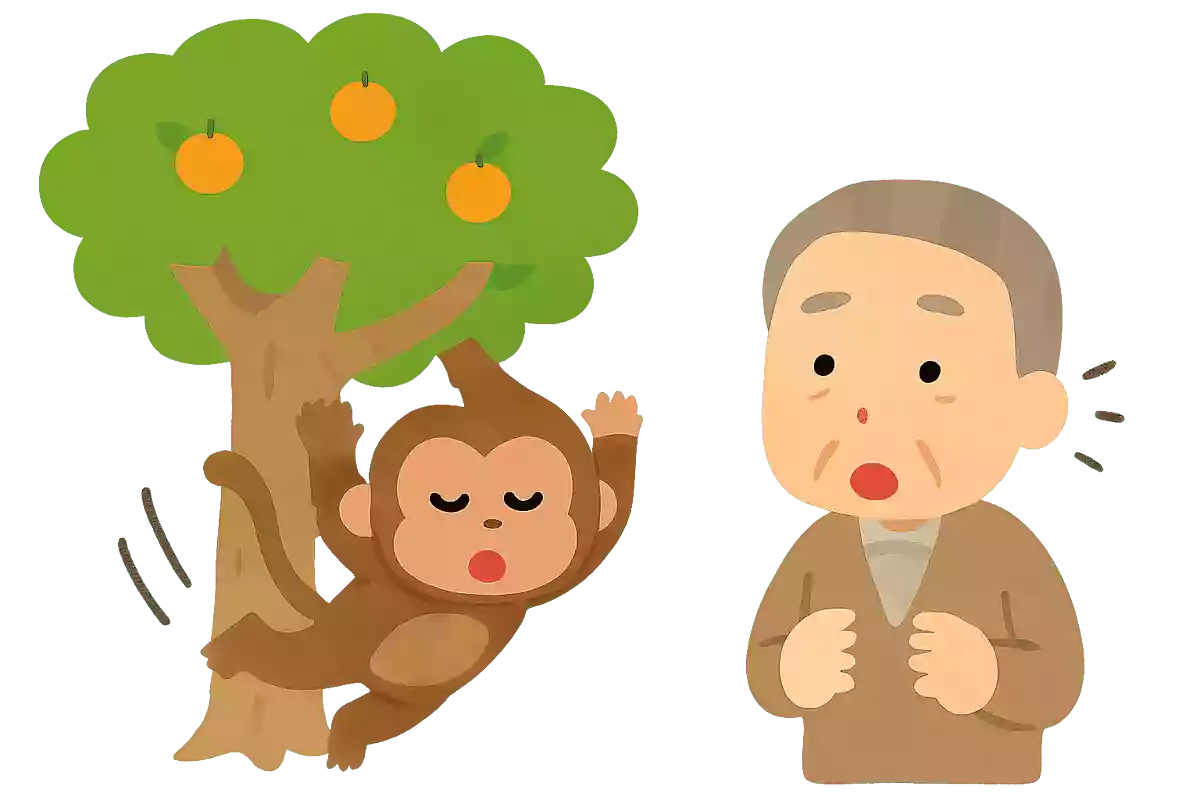
Have you ever been surprised by an unexpected mistake, like seeing someone who’s great at gateball swing and miss, or someone who’s excellent at calligraphy make an error? In situations like that, a proverb often used is “Even a 〇〇 falls from the tree.” The animal that goes in 〇〇 is “monkey.” Monkeys are very good at climbing trees, right? The saying means that even monkeys sometimes fall from trees, so anyone can make mistakes.
By the way, a similar proverb is “Even Kōbō makes mistakes with his brush.”

A talented person hides their claws. (Meaning: The truly capable keep their abilities concealed.)
The proverb used in a positive sense is “A capable hawk hides its talons.” You’ve probably heard it at least once.
The correct answer is “hawk.” Hawks are creatures adept at catching prey, but they usually keep the claws they use for hunting tucked away.
From this, a proverb was born likening people who have ability yet don’t show it off to hawks.
This proverb also carries the meaning that outstanding people conceal their abilities so as not to attract suspicion.
like 〇〇 looks totally startled (as if shot with a peashooter)
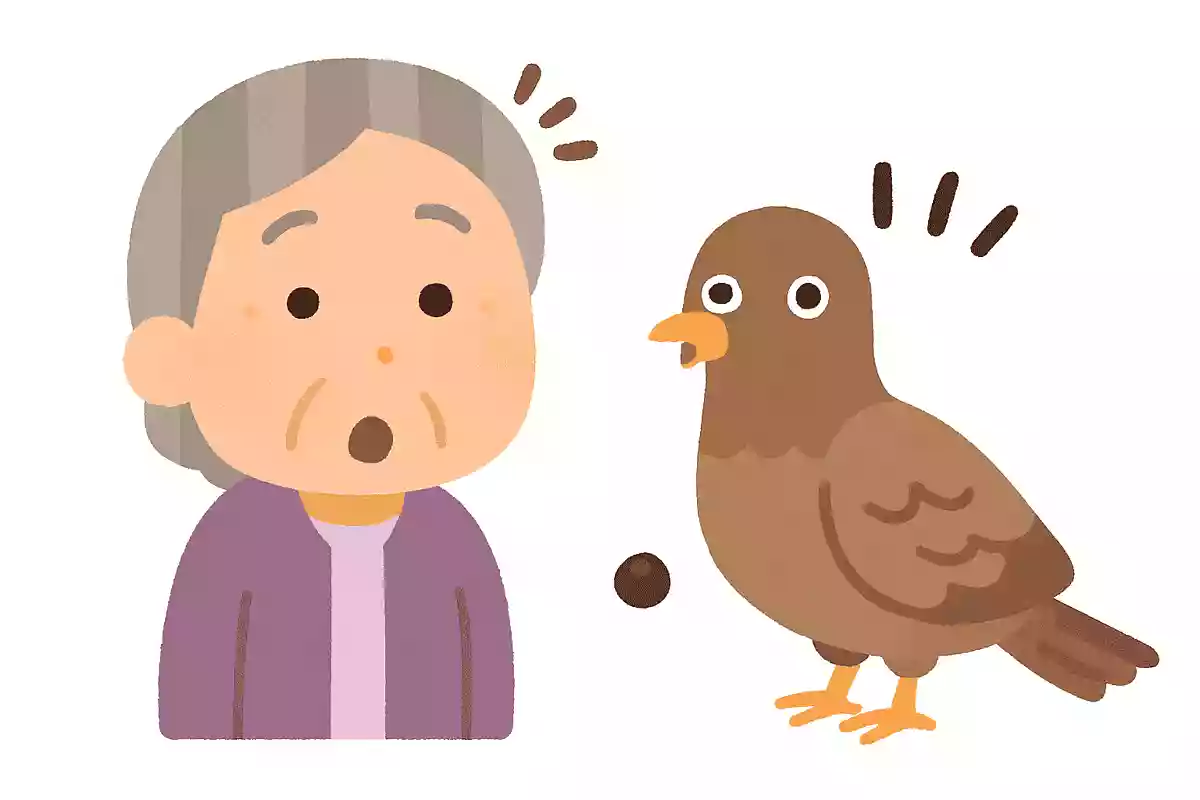
When you’re utterly astonished, you tend to stare wide-eyed in a daze, right? There’s a proverb that describes this: “like a 〇〇 hit by a pea shooter.” The correct answer is “pigeon.” In other words, it’s a proverb that compares a surprised expression to a pigeon’s face.
By the way, some of you might be wondering what a pea shooter is.
A pea shooter is a toy made of bamboo that shoots peas.
So the pigeon in the proverb looks surprised because it’s been pelted with peas.
[For Seniors] Proverb Quiz Featuring Animal Names (11–20)
Casting pearls before swine

An old Japanese proverb is “gold coins to a ___.” You’ve probably heard it often in daily life.
The correct answer is “cat.” Because a cat can’t understand the value of gold coins, the saying is used to refer to someone who can’t appreciate the value of something.
Incidentally, there are theories that the original form was “to show gold coins to a cat,” or even “gold coins to a dog.” However, the current form is said to have prevailed because it’s the easiest to say.
He who chases two hundred ends up with not even one hundred.
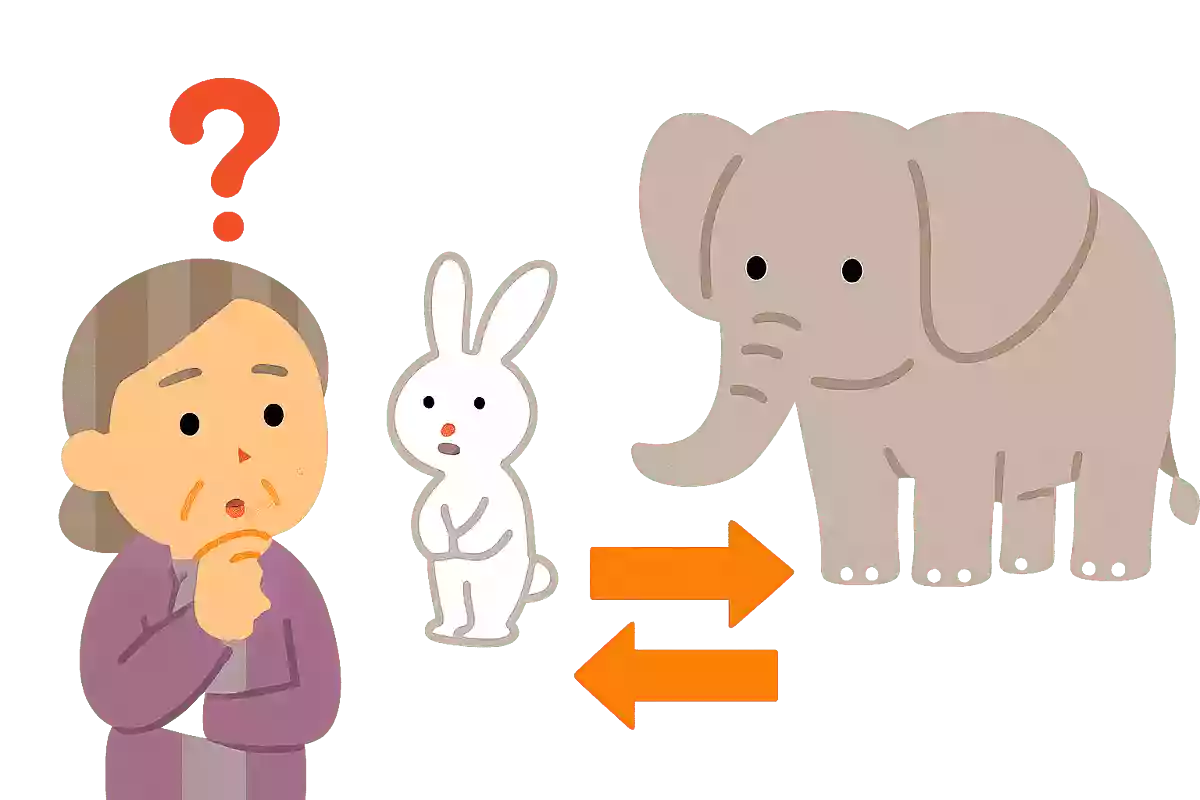
Let’s include a slightly more difficult proverb as well: “Chasing two hares, you won’t catch even one.” The missing particle is to, so it’s read as “ni to ou mono wa itto mo ezu.” That may not immediately make sense, but it becomes clearer in kanji.
「と」が兎(ウサギ)の字で書かれています。
In other words, itto refers to a single hare.
The idea is that if you chase two hares at the same time, you won’t catch even one—so you should focus on a single goal.
Leave no murky traces where you stand and depart.
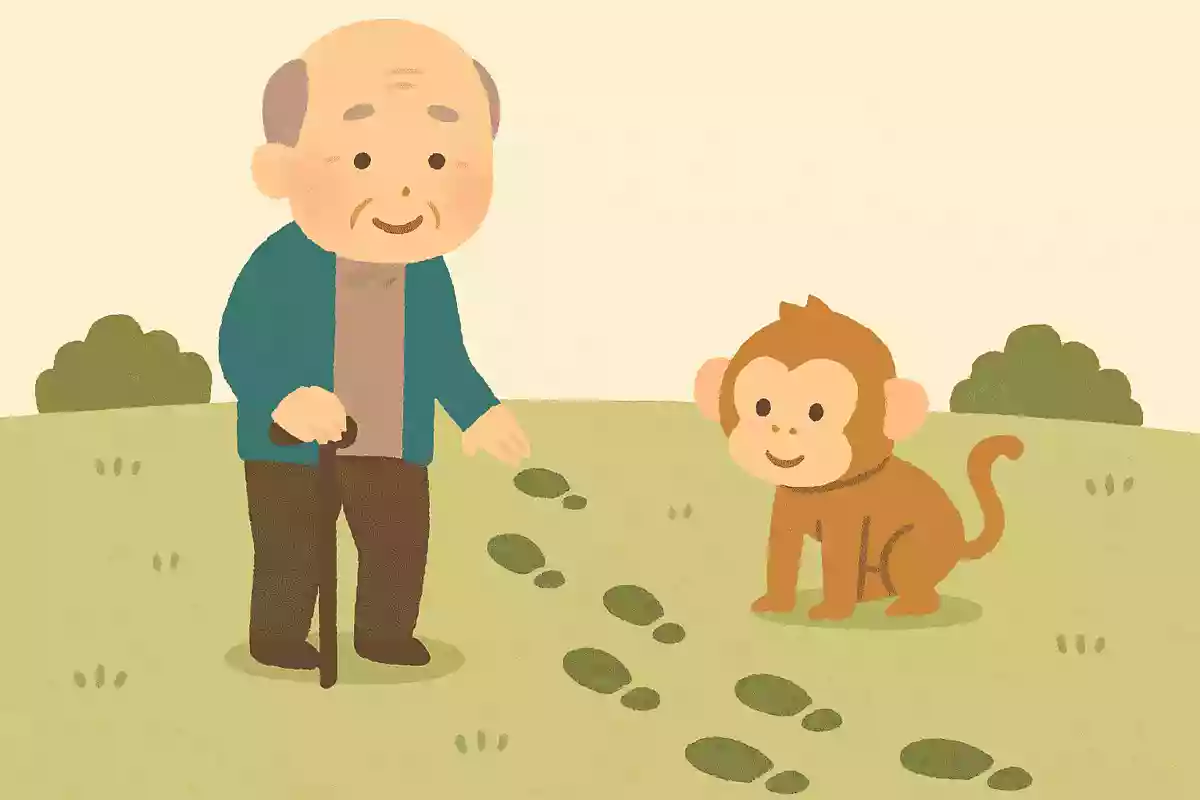
“Tatsu 〇〇 ato wo nigosasu.” What animal goes in 〇〇? The correct answer is “tori” (bird).
Here, “bird” doesn’t mean crows or sparrows; it refers to waterfowl.
Picture this: when a water bird takes off from the surface of the water, it’s quiet and leaves barely a ripple.
That image became a proverb meaning to leave an organization or group without causing a stir.
It’s not only for leaving organizations; you can also use it in smaller situations, like when someone bows out of a game first.
like a moth to a flame
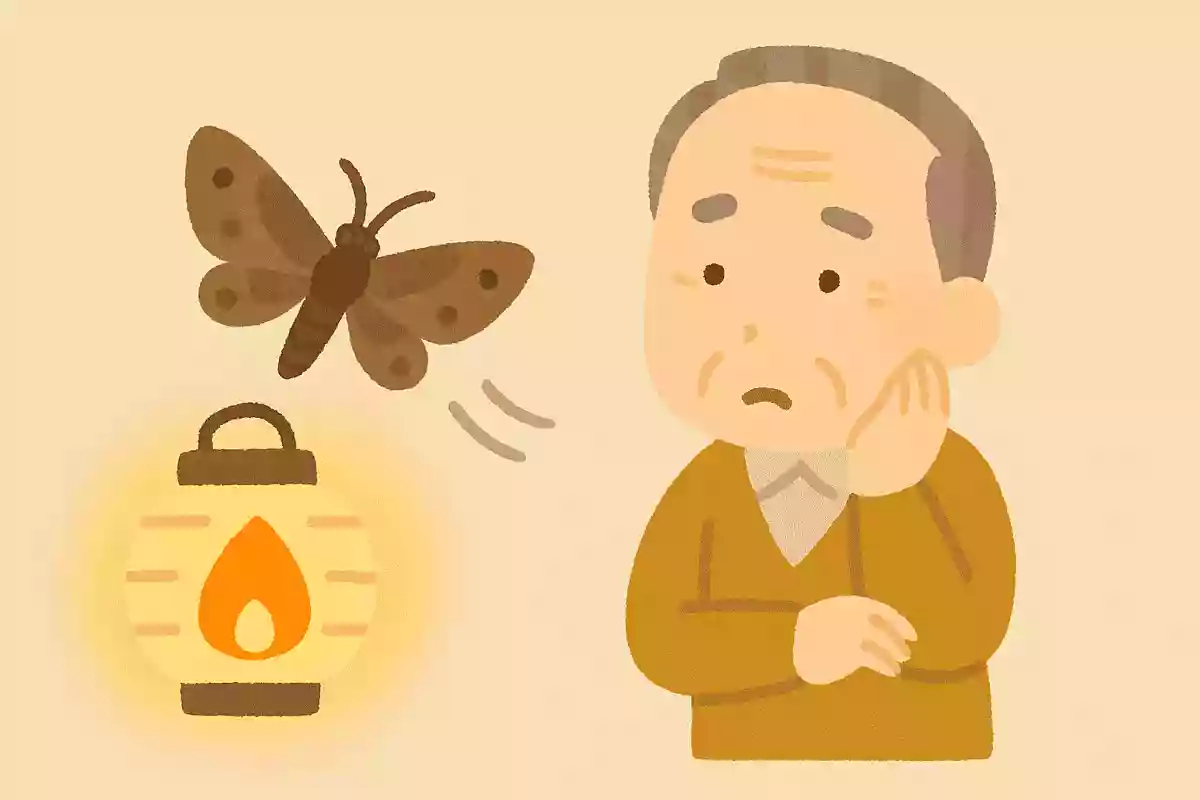
“A moth to a flame in summer” is a proverb you often hear in period dramas.
The correct word for the blank is “mushi” (insect).
But have you ever wondered which insect it actually is? In fact, the insect here is a moth.
Moths are drawn to light, and when they see fire, they fly into it and die.
From this, the proverb came to describe someone who knowingly plunges into danger.
Incidentally, its first use is said to appear in an old Chinese text, phrased as “like a moth going to the fire.”