

[For Seniors] Proverb Quiz with Animal Names

Proverbs that often come up even in everyday casual conversations.
Among them, various kinds of animals make an appearance.
So this time, we’ll present a proverbs quiz featuring animals—perfect for brain training for seniors.
The quiz is a fill-in-the-blank format where the animal names are left blank.
Seniors with a wealth of knowledge might even get a perfect score! You may find proverbs you’ve known since childhood or ones you use frequently.
Let’s give your brain a solid workout through this animal-themed proverbs quiz.
- [For Seniors] Weather Proverb Quiz
- [For Seniors] Enjoyable Brain Training! Proverb Quiz Collection
- [For Seniors] Lively Wordplay Game: Fun Recreation for Elderly Care
- [For Seniors] Fun 3-Choice Animal Quiz! Introducing Questions Full of Surprises and Discoveries
- [For Seniors] Multiple-Choice Quiz Collection About Living Creatures
- [For Seniors] Fun and Lively! Recommended Quiz Questions
- [For Seniors] Brain Training! Recall Quiz Collection!
- [For Seniors] Laugh-Out-Loud, Crowd-Pleasing! Fun Quiz
- [For Seniors] Fun Recreational Activities Without Equipment
- [For Seniors] Fun Riddles That Stimulate the Brain
- [For Seniors] Today’s recommended quiz. Daily brain-training quiz!
- [For Seniors] Brain-training quizzes for January: Let’s have fun with New Year and winter trivia
- How much do you know? Trivia quiz for seniors that’s full of surprisingly unknown facts
[For Seniors] Proverb Quiz Featuring Animal Names (11–20)
Water on the 〇〇 side
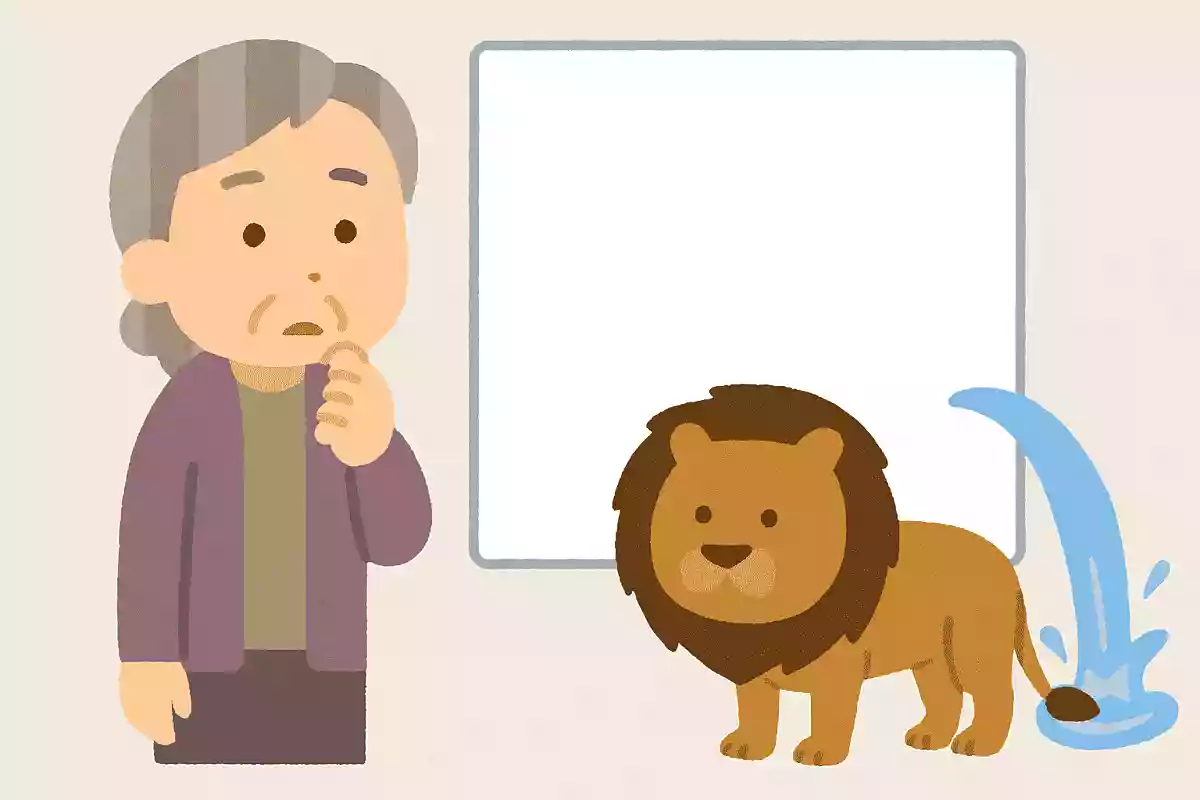
“Water on a 〇〇〇’s face” is a proverb with a sardonic nuance.
The correct answer is “frog.” Since frogs normally live by the water, they aren’t fazed even if droplets hit their faces.
From that image, the proverb came to describe a person who doesn’t so much as bat an eye even when treated badly.
It carries a negative connotation, though that kind of thick-skinned toughness can be admirable.
By the way, the correct reading of the character for “face” (面) here is tsura.
Also note that it’s sometimes phrased as “Water on a frog’s face,” so keep that in mind.

A kite gives birth to 〇〇.
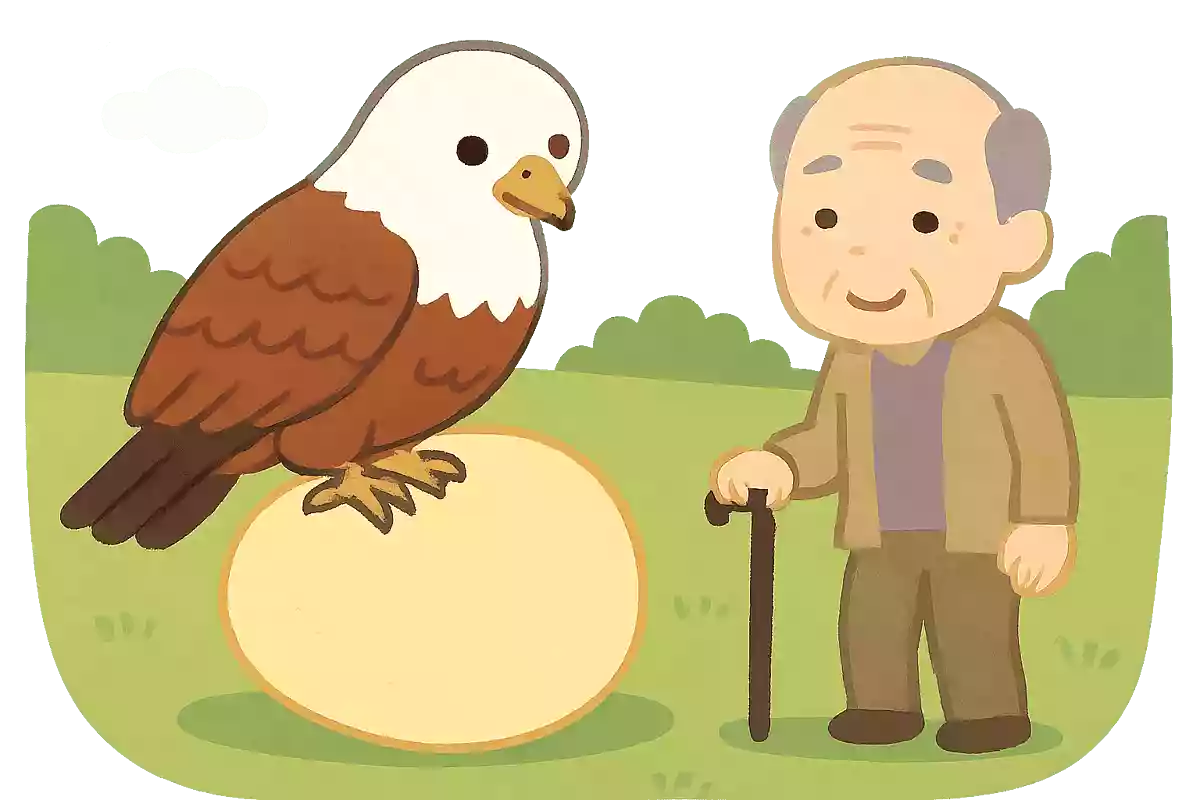
This is a proverb used as a metaphor for an excellent child being born to ordinary parents.
Since it mentions “being born,” it seems helpful to offer hints that narrow it down step by step: it’s an animal, it’s a kind of bird, it’s a bird similar to a kite.
Let’s guide people closer to the answer with progressively specific hints.
The answer is “hawk.” Hawks often fly high in the sky and are not frequently seen up close, and because they share sharp talons and beaks, some people might mistakenly think they’re the same bird.

Ema in [ ]
![Ema in [ ]](https://media.ragnet.co.jp/img/1200__png__/files/2025/05/03d4fb64abc2d1f6538540729502e75b.webp)
The phrase “a monkey with an ema (votive tablet)” means a well-matched pair.
Because monkeys were believed to be guardians of stables, farmers in the past would paste papers bearing the character for “monkey” (申) on their stables.
It’s also said that at New Year and festivals, ema and talismans depicted monkeys leading horses.
Since this combination was considered auspicious, the proverb came into being.
It’s a celebratory saying often used as praise, similar to expressions like “plum blossoms with the nightingale” or “a lion with peonies.”

Those who chase small gains fail to see the bigger picture.

This is a phrase used to admonish someone for focusing only on what’s right in front of them and not looking around.
Imagine a situation where you’re in the mountains but not paying attention to your surroundings, and work toward the answer from there.
If you give hints like an animal that lives in the mountains and a classic target of hunting, you can probably arrive at the answer.
The answer is “deer.” The expression comes from getting so absorbed in chasing deer that you fail to notice the rugged mountains and end up in danger.
A similar expression in meaning would be “can’t see the forest for the trees.”
Don’t forget to dance until the sparrows [ ]
![Don't forget to dance until the sparrows [ ]](https://media.ragnet.co.jp/img/1200__png__/files/2025/05/08f532f7b2e34f77c8b4c5f45ae00768.webp)
This proverb expresses the idea that habits formed in childhood do not change even as one grows older, based on the observation that the way sparrows hop remains the same throughout their lives.
Using this proverb as a starting point, it could be fun to reflect on the quirks and habits each of us has had since we were young.
From the meaning of “not changing even with age” and the word “without forgetting,” if you match words that express the passage of time, you might arrive at the answer.
The riddle’s answer is “Sparrows don’t forget their dance even at a hundred,” which is a phrase often used when calling attention to bad habits that never seem to go away no matter how much time passes.
Even a [fool/idiot] can be swept away by the river
![Even a [fool/idiot] can be swept away by the river](https://media.ragnet.co.jp/img/1200__png__/files/2025/05/00b63d3dca51de396cfc27ae0bc203fb.webp)
This is a proverb used as an example that even a master in a field can sometimes fail.
It’s also used as a cautionary reminder that you might fail at something you’re good at if you let your guard down.
Given the situation of being swept away by a river, it’s easy to imagine applying it to someone who is usually good at swimming.
The answer is “kappa,” and other expressions that convey a master’s mistake include “Even monkeys fall from trees” and “Even Kobo makes mistakes with the brush,” so it’s a good idea to learn these as well.
[For Seniors] Proverb Quiz with Animal Names (21–30)
A dip in 〇〇〇

It’s a phrase often used with a touch of irony to describe taking very short baths.
It refers to a creature that doesn’t spend much time bathing, but if you haven’t seen it yourself, it might not come to mind.
Hints: it’s an animal with a strong “dirty” image and a bird that lives close to us.
The answer is “crow.” Interestingly, crows are actually quite fastidious and bathe in water multiple times a day—a point worth remembering.
It’s not that their bathing is sloppy; rather, they repeatedly take quick dips, which is pretty amusing.