

Spot the Difference for Seniors: A Fun Brain-Training Game

We’ve put together a collection of spot-the-difference puzzles for seniors.
These puzzles are great for boosting concentration and are perfect for brain training too!
They can also help prevent cognitive decline, so they’re often used as recreational activities for older adults.
In this article, we introduce videos of spot-the-difference puzzles using illustrations and photos.
You don’t have to create the puzzles from scratch—just play the videos and watch together to enjoy an easy, fun time.
In larger facilities, projecting them onto a screen lets more people join in.
Be sure to give them a try together!
- [For Seniors] Brain Training Recommended for Dementia Prevention
- [For Seniors] Great for Brain Training! Enjoy Handmade Puzzles
- [For Seniors] A Brain-Training, Crowd-Pleasing Word Search Game
- [For Seniors] Fun! Games and Ideas to Boost Memory
- Fun Brain Training! Memory Games for Seniors
- [For Seniors] Find daily brain training. Today’s recommended brain workout.
- Hand games that liven things up for seniors—also great brain training
- [For Seniors] Recommended Handmade Activities! Simple Ideas
- [For Seniors] Fun Quiz Questions That Will Liven Up December
- [For Seniors] Guaranteed to Liven Things Up! A Collection of Brain Training Activities That Will Spark Laughter
- [For Seniors] Fun and Engaging Brain-Training Recreation
- [For Seniors] Extremely Effective Brain Training! A Fun Collection of Hand Games
- [For Seniors] Fun Brain Training! Lively Mind Exercises
Spot the Differences for Seniors: Fun Brain Training Game (1–10)
A spot-the-difference puzzle that gives your brain a workout

In this spot-the-difference activity, you’ll find two differences between the photos placed side by side.
Unlike illustrations, photos contain a lot of information, so you’ll need to focus to spot them.
There are five puzzles, and you have 30 seconds for each.
The time limit is short, so it seems quite challenging.
Good luck!
Find the different shape spot-the-difference

There are four illustrations lined up, each combining three shapes: a light blue square, a yellow circle, and a white triangle.
Three of them may look different but are actually the same.
However, one is slightly different in shape.
It might seem easy but could be tricky.
There’s only one question, so you can try it quickly.
It’s recommended as a daily warm-up for your brain.
5-minute Brain Training: Seafood Chilled Noodles Edition

Among spot-the-difference puzzles, the ones that use photographs tend to be more difficult because the details are so fine.
In this puzzle, you’re asked to find seven differences in a photo of chilled seafood noodles.
From subtle changes to big, laugh‑inducing ones, how many were you able to find?

Spot the differences for seniors: Fun brain-training game (11–20)
Spot the differences with Sazae-san illustrations

Sazae-san has remained beloved across generations.
Many people may have grown up watching the weekly broadcasts or reading the manga.
Because we’re so used to it, you’d think the mistakes would be easy to spot…
but this spot-the-difference puzzle is full of amusing quirks that end up making you smile.
Spot the differences using a whiteboard
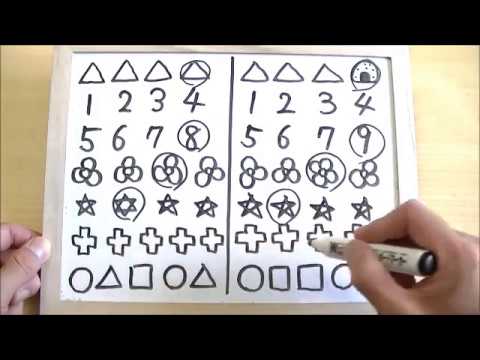
Here’s a spot-the-difference activity you can prepare on the spot without any special materials.
Use a whiteboard and have participants find differences between images on the left and right.
The difficulty ranges from things you can notice at a glance to ones that make you think, but using your brain like this serves as good mental training.
Spot the differences in changing images

Images where some parts change little by little can be harder than ordinary spot-the-difference puzzles, right? Focusing too much on one place doesn’t work, and looking at the parts while taking in the whole seems good for the brain, too.
Combining different kinds of spot-the-difference puzzles and solving them together also seems like good exercise for the brain.
Spot-the-difference to train spatial awareness skills

Spot-the-difference puzzles are popular at day service centers, and it’s said that you use your concentration while searching and your brain gets activated when you find a difference.
This particular spot-the-difference is said to train spatial recognition skills.
It might also help to narrow down the kinds of areas where differences are likely to be hiding and focus your search there.