

[For Seniors] Fun and Easy! Dinosaur Multiple-Choice Quiz (3 Options)

Dinosaurs were born more than 200 million years ago and once thrived and lived on Earth.
Today, we can only see dinosaurs through fossils and other remains, but imagining that dinosaurs might have lived right where we are now stirs a sense of ancient romance, doesn’t it?
Some of you may have children who loved dinosaurs when they were young, or grandchildren who are fascinated by them.
So this time, we’re introducing a “Dinosaur Quiz for Older Adults.”
We can’t see dinosaurs today, so they don’t feel very familiar, and answering questions about them can require specialized knowledge.
That’s why this quiz features easy-to-answer multiple-choice questions with three options, designed for older adults.
Please feel free to use it for quiz activities at senior facilities and similar settings.
- [For Seniors] Trivia Multiple-Choice Quiz
- [For Elementary School Students] A Three-Choice Dinosaur Quiz to Learn Trivia and Knowledge
- [For Seniors] Brain Training! Recall Quiz Collection!
- [For Seniors] Fun 3-Choice Animal Quiz! Introducing Questions Full of Surprises and Discoveries
- [For Seniors] Fun and Informative! Trivia and Quizzes Introduced
- [For Seniors] Great for killing time! A fun three-choice trivia quiz
- [For Seniors] Liven Things Up! 3-Choice Ranking Quiz
- [For Seniors] Fun Multiple-Choice Geography Quiz for Everyone (3 Options)
- [Enjoyable History Quiz] Easy multiple-choice (3 options) quiz that’s accessible for seniors!
- [For Seniors] Enjoyable Brain Training! Liven Up with a Local Three-Choice Quiz
- [For Seniors] Baseball Trivia Quiz & Fun Facts. Nostalgic and Engaging Multiple-Choice Questions
- [For Seniors] Multiple-Choice Quiz Collection About Living Creatures
- [Guess the Country] For Seniors! Introducing a 3-Option Quiz
[For Seniors] Fun and Easy! Dinosaur Multiple-Choice Quiz (1–10)
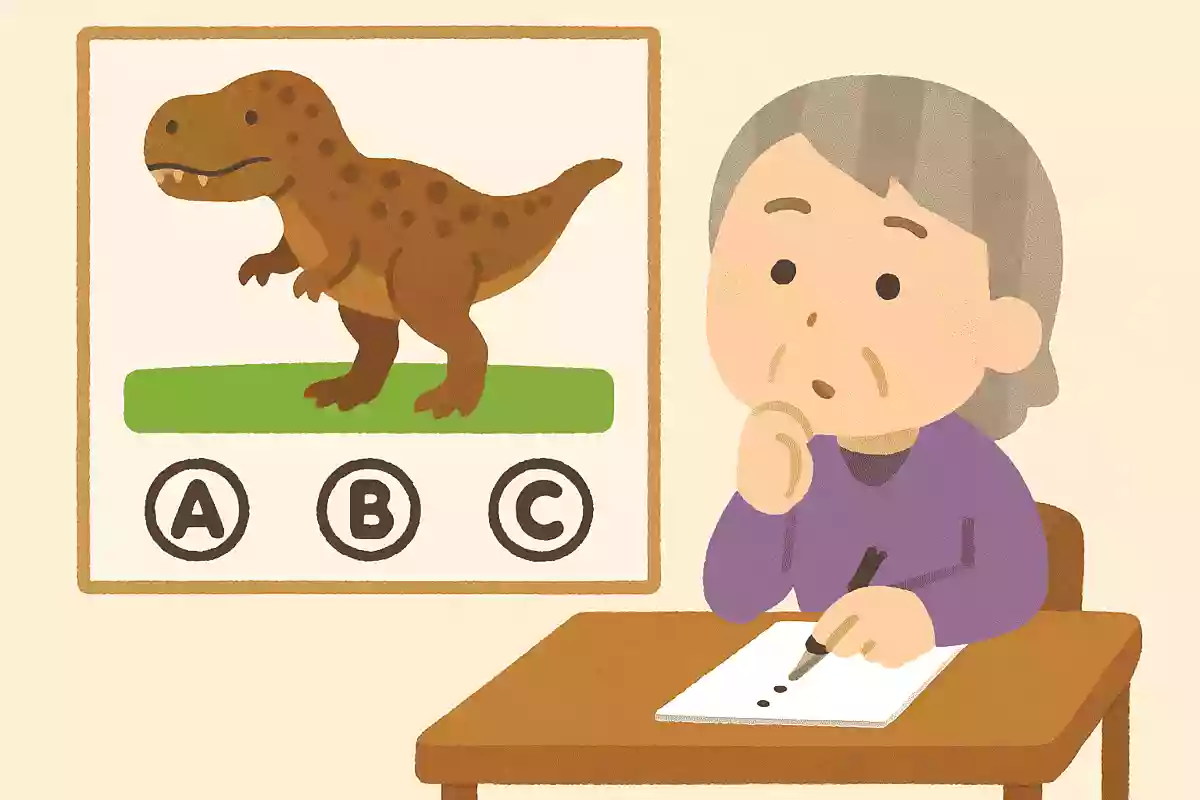
In Japanese kaiju films, the most famous is “Godzilla,” but there is also a dinosaur named “Gojirasaurus.” In which country were its fossils found?
- China
- America
- Argentina
See the answer
America
The “Godzillasaurus” discovered in the United States was named by a researcher who loves “Godzilla.” As a child, after watching a Godzilla movie with his Japanese mother, he became a Godzilla fan. That led him into paleontology, and he named a newly discovered dinosaur “Godzilla.”

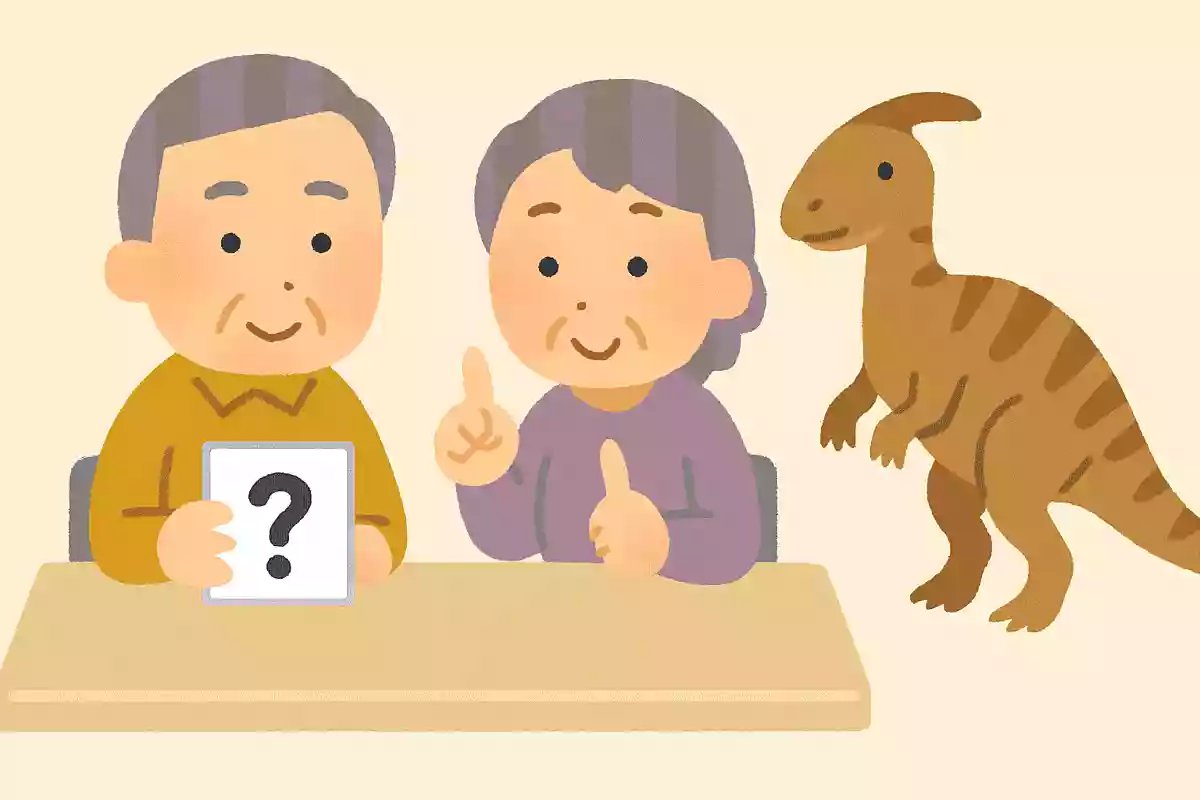
The ornithopod dinosaur Maiasaura is thought to have been the first dinosaur to seriously practice parental care—specifically, nurturing and raising its young.
- Climbing trees to build a nest
- child-rearing
- Cooking with fire
See the answer
child-rearing
Maiasaura is the dinosaur that prompted the idea that some dinosaurs cared for their young. Fossils from nests have yielded slightly grown juvenile Maiasaura and eggshells shattered from hatching. From this, it is inferred that hatchlings lived in the nest until they reached a certain size—in other words, the parents provided care. By the way, in Latin, “maia” means a good mother, and “saura” is a term used for a female lizard.
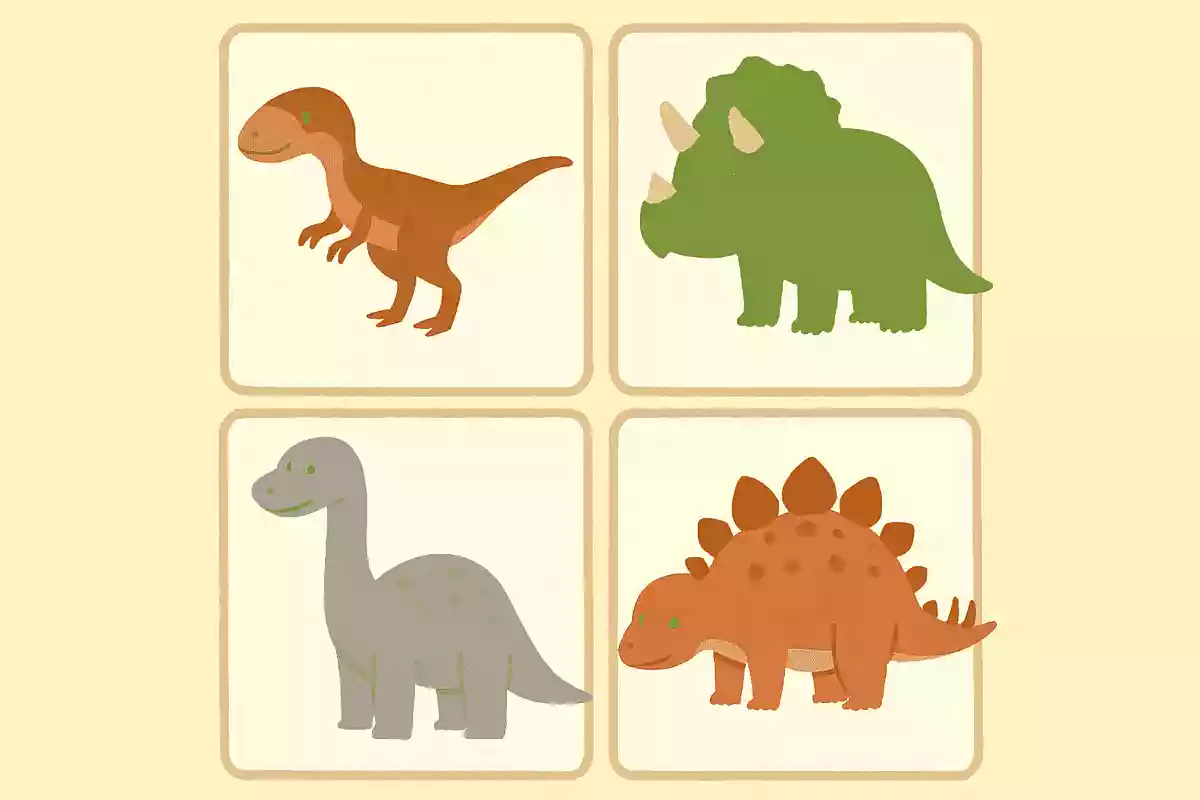
Which dinosaur has a unique name that means ‘egg thief’?
- Eoraptor
- Conchoraptor
- Oviraptor
See the answer
Oviraptor
“Raptor” apparently means “thief” in Latin. Oviraptor, which carries the meaning “egg thief,” was given its unique name due to a misunderstanding. Fossils of an Oviraptor were discovered inside a nest containing Triceratops eggs. It was assumed that it had been stealing and eating the Triceratops eggs, and so it was named “Oviraptor.” However, the embryos in the eggs were actually Oviraptors, and it seems the fossils formed in its own nest. It’s a bit sad that it was labeled a “thief” because of a misunderstanding.
[For Seniors] Fun and Easy! Dinosaur Multiple-Choice Quiz (Questions 11–20)
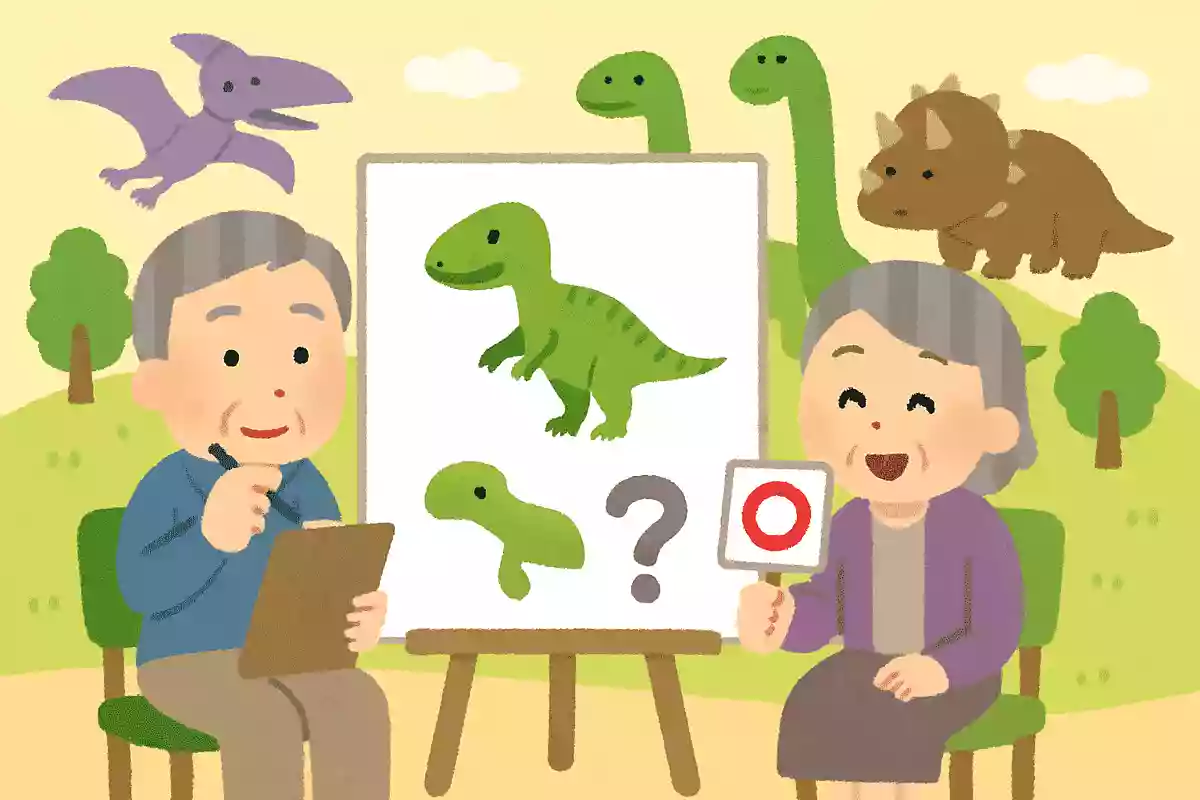
What does the “-don” in names like Iguanodon and Pteranodon mean?
- corner; angle; horn (depends on context)
- tooth
- tail
See the answer
tooth
“-don” comes from the Greek word “odōn,” which means “tooth.” Iguanodon thus means “iguana tooth.” When Iguanodon fossils were discovered, they were named because the teeth resembled those of an iguana. By the way, although the name is similar to the reptile “iguana,” they are not actually related.
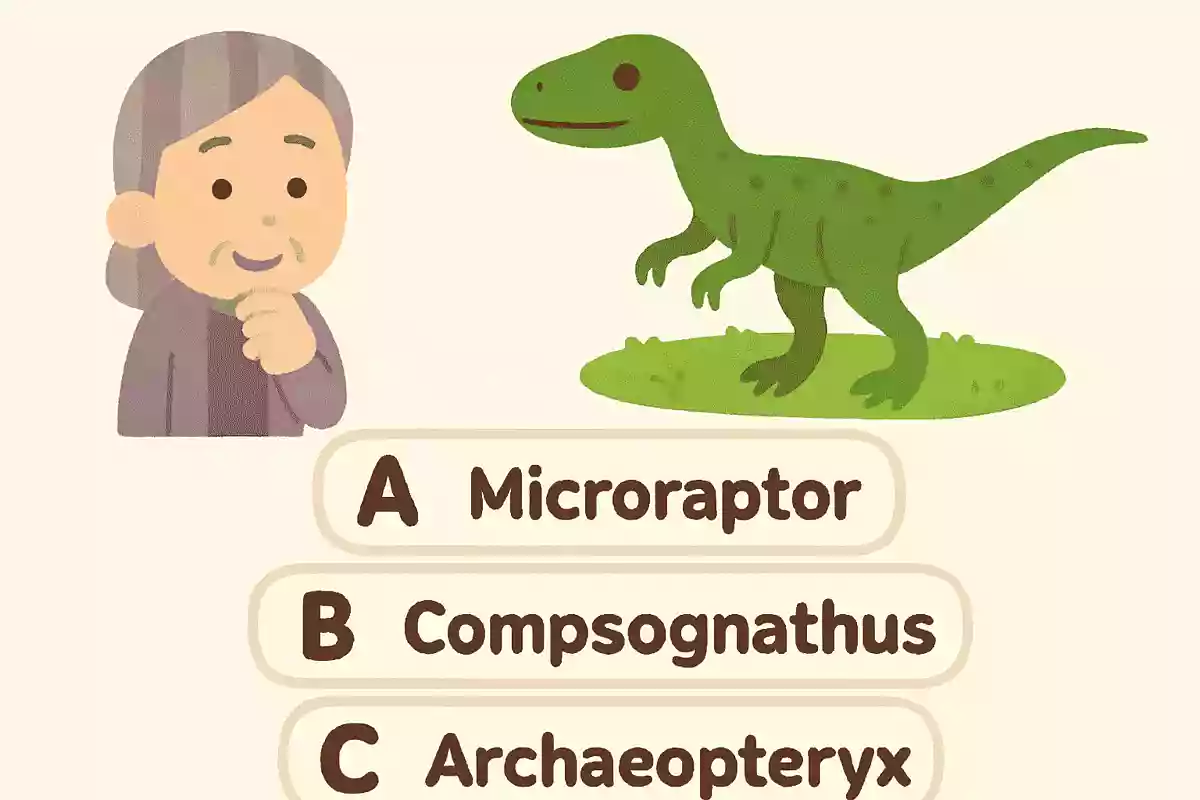
What is the name of the smallest dinosaur in the world, whose name means “very small thief”?
- Triceratops
- Microraptor
- Stegosaurus
See the answer
Microraptor
Because its name includes “micro,” it conjures an image of something small, doesn’t it? “Raptor” means “thief.” Microraptor was about 50 centimeters long and weighed around 3 kilograms. Its entire body was covered in feathers, and it even had feathers on its hind legs. While modern birds don’t have feathers on their hind legs, Microraptor was a dinosaur closely related to birds. Though its small, cute appearance comes to mind, it was apparently carnivorous.
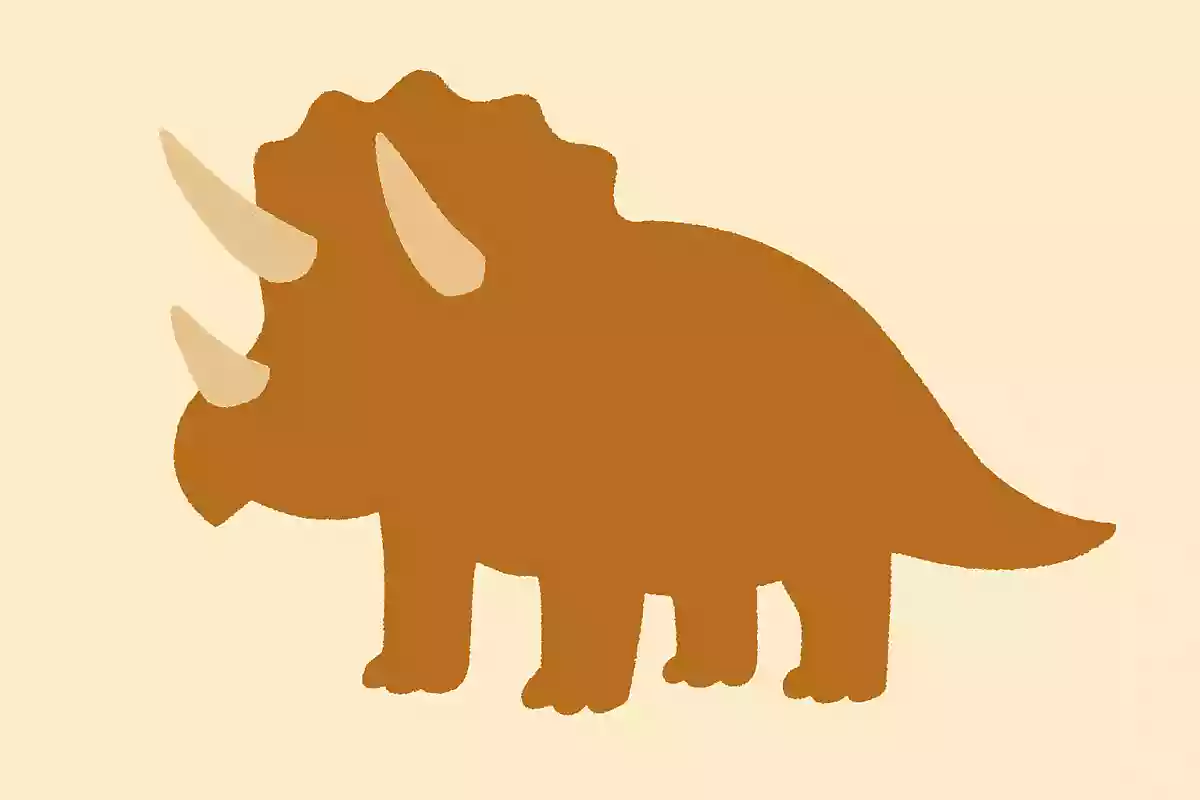
“Triceratops” is famous as a dinosaur with long horns, right? How many long horns did a Triceratops have?
- one bottle
- three (items/cylindrical objects)
- 5 items
See the answer
three (items/cylindrical objects)
Triceratops have horns that can exceed one meter in length, and they have three of them. You can see “tri” in the name Triceratops—“tri” is a Latin prefix meaning “three.” The name is said to mean “a face with three horns.”
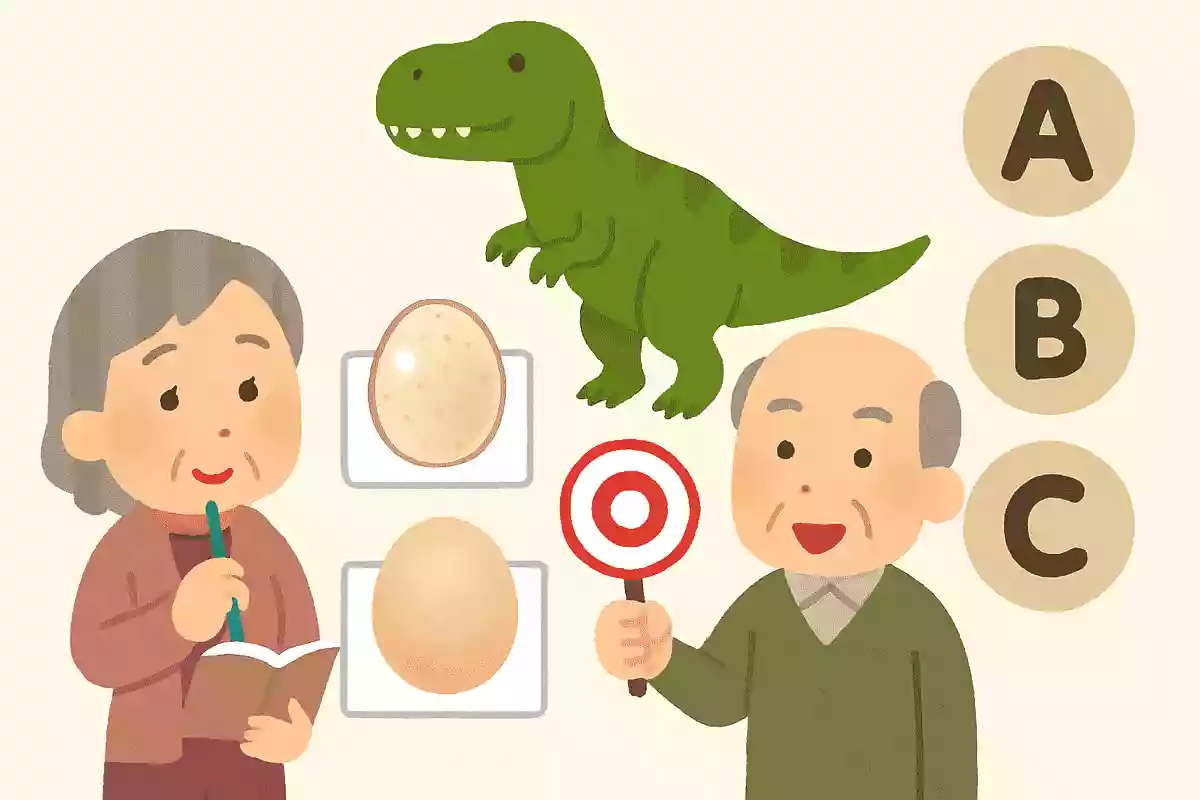
Currently, the largest egg in the world is the ostrich egg, which is 16 centimeters. During the age of the dinosaurs, how many centimeters was the largest egg?
- 20 centimeters
- 60 centimeters
- 100 centimeters
During fossil excavations, many dinosaur eggs have been discovered. Their sizes vary widely, from 4.5 centimeters to 60 centimeters. Even though some dinosaurs were enormous—stretching dozens of meters—their eggs are notably on the smaller side. It’s said that dinosaur eggs had tiny pores so the embryo could breathe, and their shells were just the right hardness for the babies to break out on their own.