

![[For Seniors] Fun and Easy! Dinosaur Multiple-Choice Quiz (3 Options)](https://media.ragnet.co.jp/img/1200__png__https://www.studiorag.com/files/2025/04/0672d24cb301aa4c789bb3fe3e85c57a.webp)

Dinosaurs were born more than 200 million years ago and once thrived and lived on Earth.
Today, we can only see dinosaurs through fossils and other remains, but imagining that dinosaurs might have lived right where we are now stirs a sense of ancient romance, doesn’t it?
Some of you may have children who loved dinosaurs when they were young, or grandchildren who are fascinated by them.
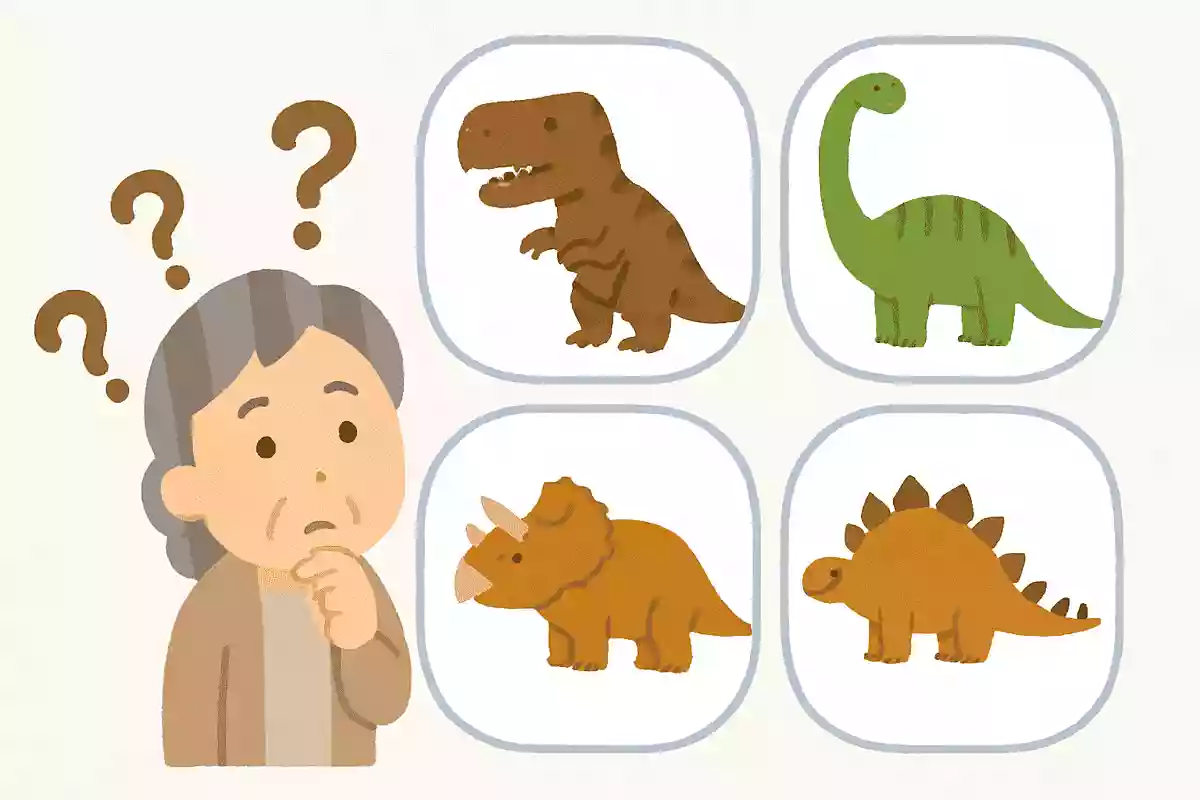
So this time, we’re introducing a “Dinosaur Quiz for Older Adults.”
We can’t see dinosaurs today, so they don’t feel very familiar, and answering questions about them can require specialized knowledge.
That’s why this quiz features easy-to-answer multiple-choice questions with three options, designed for older adults.
Please feel free to use it for quiz activities at senior facilities and similar settings.
- [For Seniors] Trivia Multiple-Choice Quiz
- [For Elementary School Students] A Three-Choice Dinosaur Quiz to Learn Trivia and Knowledge
- [For Seniors] Brain Training! Recall Quiz Collection!
- [For Seniors] Fun 3-Choice Animal Quiz! Introducing Questions Full of Surprises and Discoveries
- [For Seniors] Fun and Informative! Trivia and Quizzes Introduced
- [For Seniors] Great for killing time! A fun three-choice trivia quiz
- [For Seniors] Liven Things Up! 3-Choice Ranking Quiz
- [For Seniors] Fun Multiple-Choice Geography Quiz for Everyone (3 Options)
- [Enjoyable History Quiz] Easy multiple-choice (3 options) quiz that’s accessible for seniors!
- [For Seniors] Enjoyable Brain Training! Liven Up with a Local Three-Choice Quiz
- [For Seniors] Baseball Trivia Quiz & Fun Facts. Nostalgic and Engaging Multiple-Choice Questions
- [For Seniors] Multiple-Choice Quiz Collection About Living Creatures
- [Guess the Country] For Seniors! Introducing a 3-Option Quiz
[For Seniors] Fun and Easy! Dinosaur Multiple-Choice Quiz (1–10)
Among dinosaurs, the famous Stegosaurus—what kind of armament did it have for fighting enemy dinosaurs?
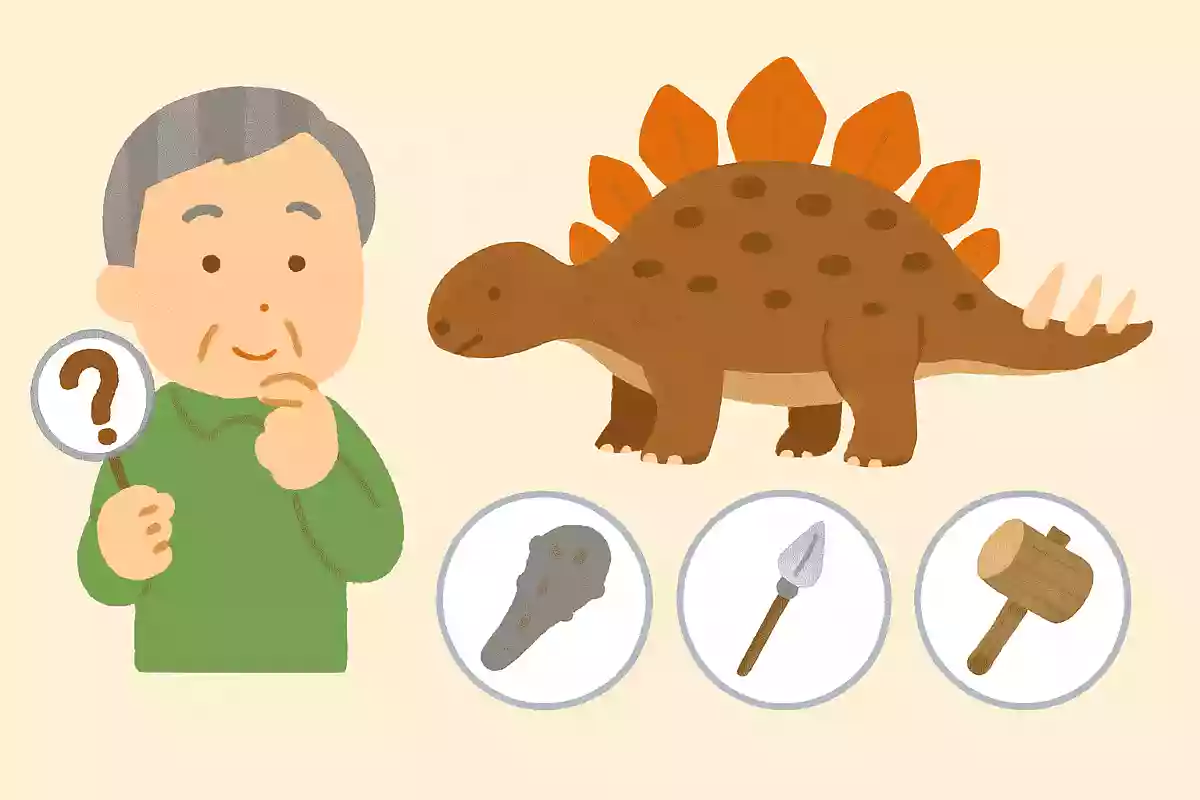
- a sharp horn at the tip of the tail
- Sharp, powerful claws
- A powerful jaw that can crush bones
Stegosaurus, being herbivorous with a weak bite, appears to lack the kind of armaments needed to fight enemy dinosaurs. However, it seems to have fought using the four spikes at the end of its tail, known as the thagomizer. The plates along its back—another hallmark of Stegosaurus—were once thought to be for combat as well. But a leading theory now holds that their interiors were porous and that they were used to circulate blood and help dissipate body heat.

By examining a certain part of a fossil, it is said we can tell what dinosaurs ate. Which part is it?
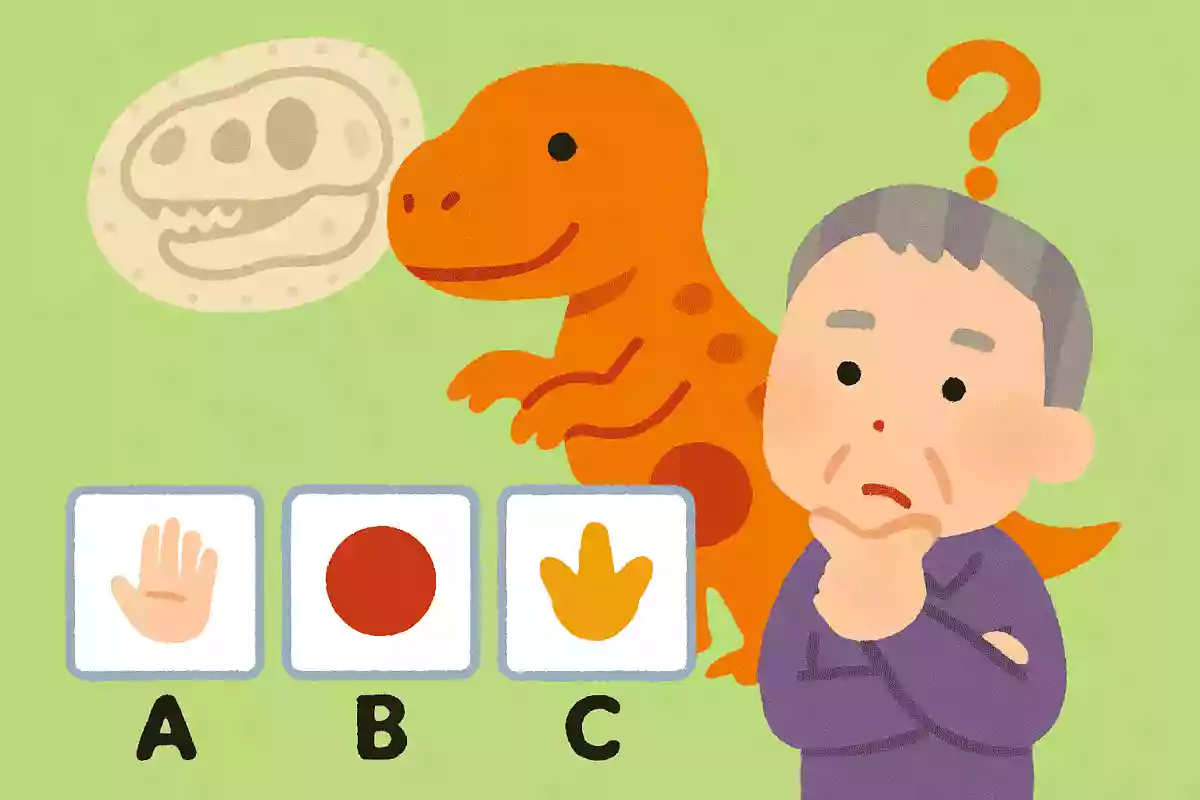
- finger
- tooth
- tail
See the answer
tooth
Dinosaur teeth evolved to make it easier to eat food. Because teeth are hard and more likely to fossilize, they serve as clues for determining whether a dinosaur was carnivorous or herbivorous. In carnivorous dinosaurs, the teeth were like sharp knives suited for biting into animals. In addition, the edges of the teeth appear to have had serrations to make cutting meat easier. Herbivorous dinosaurs seem to have had long teeth to prevent excessive wear when grinding leaves. Some also had teeth suited for ripping leaves from branches or plucking them.
Humans have something that dinosaur bodies did not. What is it?
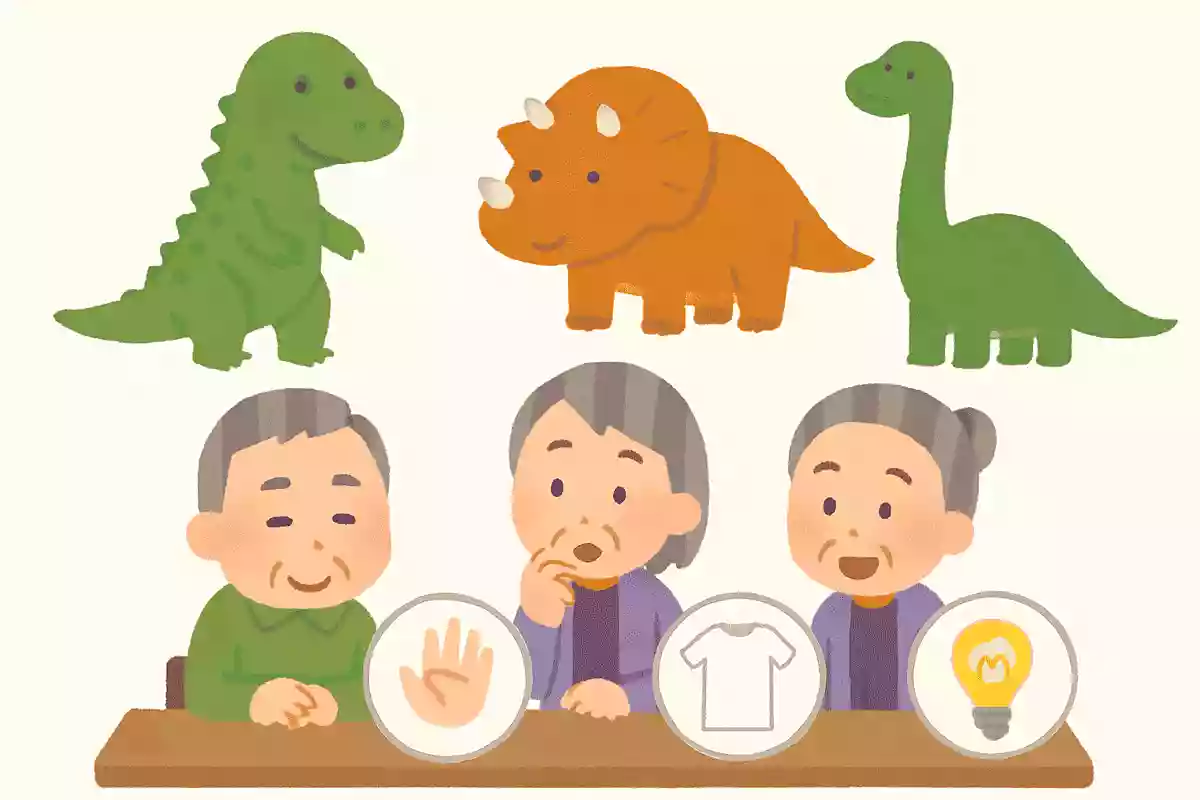
- nose
- belly button
- ear
See the answer
belly button
The correct “navel” is the mark where the mother and the fetus were connected by the umbilical cord, right? Through the umbilical cord from the mother’s placenta, the fetus is able to take in nutrients. Dinosaurs, which hatch from eggs, do not have navels. By the way, it seems that other animals’ navels are not as noticeable as humans’.
What is the approximate length, in meters, of Argentinosaurus, said to be the largest in size?
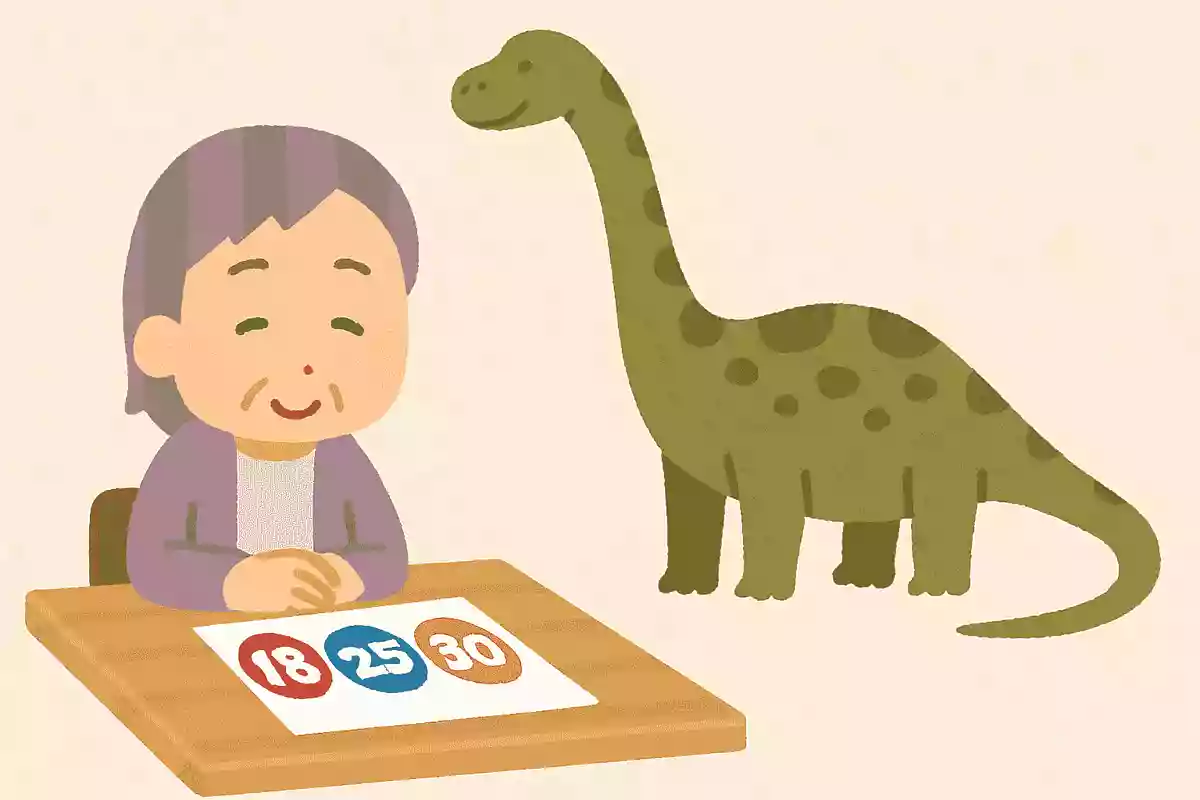
- 20 meters
- 45 meters
- 65 meters
See the answer
45 meters
Argentinosaurus was the largest creature on Earth. It is said to have been around 40 meters in total length. Although a complete skeleton has not been found, the bones that have been discovered are enormous in size. By comparing it with closely related dinosaurs, researchers concluded that it was roughly 40 meters long and weighed about 90 tons.
Which prefecture in Japan has yielded the largest number of dinosaur fossils?
- Fukui Prefecture
- Kyoto Prefecture
- Kumamoto Prefecture
See the answer
Fukui Prefecture
In Fukui Prefecture, many dinosaur fossils have been discovered, including the Fukui-saurus, whose entire skeleton has been reconstructed and is native to Japan. During the age of the dinosaurs, Japan was located at the eastern edge of the Asian continent. Because the land was connected, the carcasses of dinosaurs that lived near watersides in places like China seem to have been deposited in rivers in what is now Japan. Another reason is that Fukui Prefecture contains many geological layers where dinosaur fossils are likely to be found.
How many kilometers per hour could the Gallimimus—considered the fastest among dinosaurs—run?
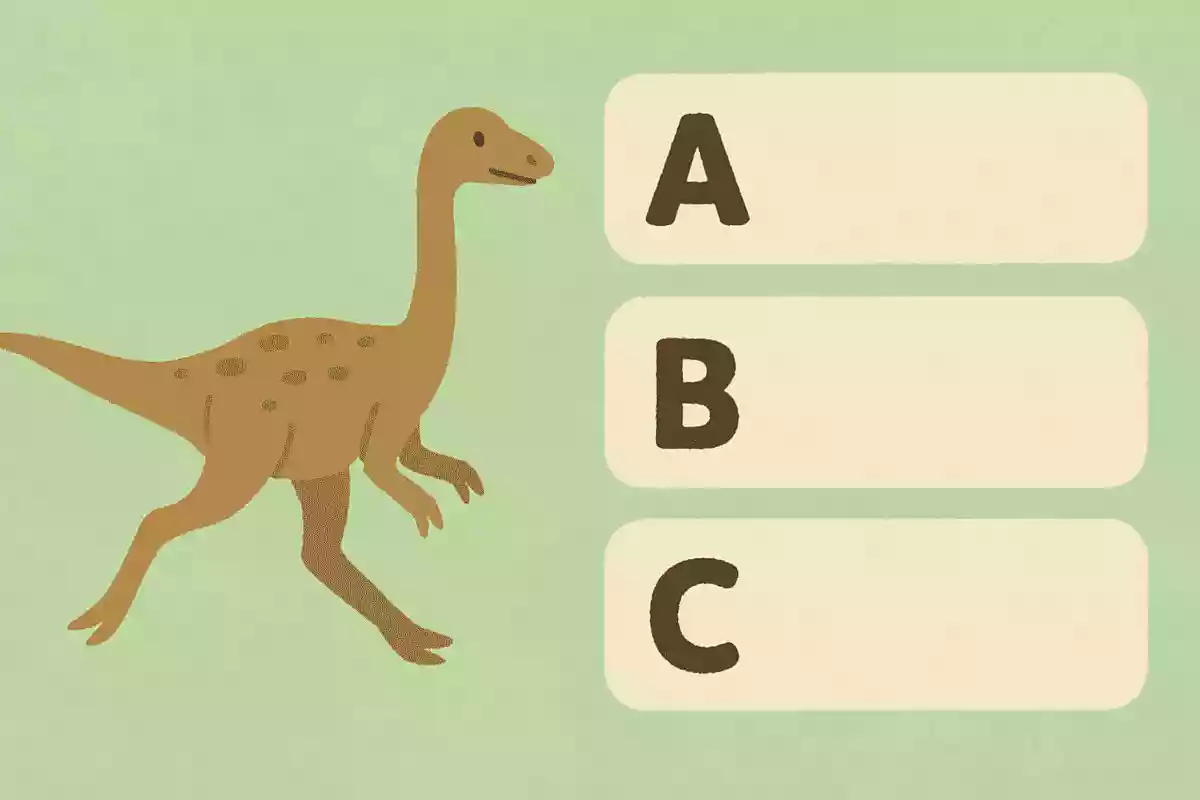
- 40 to 60 kilometers
- 70 to 100 kilometers
- 100 to 120 kilometers
See the answer
70 to 100 kilometers
Because Gallimimus looks similar to an ostrich, it is also nicknamed the “ostrich dinosaur.” However, it can run faster than an ostrich. Its speed is said to come from the flexibility of its instep. It can run at 70 to 100 kilometers per hour—fast enough for a highway.
Which prefecture in Japan was the first to discover dinosaur fossils?
- Fukui Prefecture
- Ishikawa Prefecture
- Iwate Prefecture
See the answer
Iwate Prefecture
Japan’s first dinosaur fossil was discovered in 1978 near the Moshi Coast in Iwaizumi, Iwate Prefecture. It was reportedly named “Mosiryu,” combining the find location “Moshi” with the word for “dragon.” Although it was a large dinosaur around 20 meters in length, it was a herbivore that ate tree leaves and other plants, extending its long neck—measuring over ten meters—to feed.