

[For Seniors] Fun and Easy! Dinosaur Multiple-Choice Quiz (3 Options)

Dinosaurs were born more than 200 million years ago and once thrived and lived on Earth.
Today, we can only see dinosaurs through fossils and other remains, but imagining that dinosaurs might have lived right where we are now stirs a sense of ancient romance, doesn’t it?
Some of you may have children who loved dinosaurs when they were young, or grandchildren who are fascinated by them.
So this time, we’re introducing a “Dinosaur Quiz for Older Adults.”
We can’t see dinosaurs today, so they don’t feel very familiar, and answering questions about them can require specialized knowledge.
That’s why this quiz features easy-to-answer multiple-choice questions with three options, designed for older adults.
Please feel free to use it for quiz activities at senior facilities and similar settings.
- [For Seniors] Trivia Multiple-Choice Quiz
- [For Elementary School Students] A Three-Choice Dinosaur Quiz to Learn Trivia and Knowledge
- [For Seniors] Brain Training! Recall Quiz Collection!
- [For Seniors] Fun 3-Choice Animal Quiz! Introducing Questions Full of Surprises and Discoveries
- [For Seniors] Fun and Informative! Trivia and Quizzes Introduced
- [For Seniors] Great for killing time! A fun three-choice trivia quiz
- [For Seniors] Liven Things Up! 3-Choice Ranking Quiz
- [For Seniors] Fun Multiple-Choice Geography Quiz for Everyone (3 Options)
- [Enjoyable History Quiz] Easy multiple-choice (3 options) quiz that’s accessible for seniors!
- [For Seniors] Enjoyable Brain Training! Liven Up with a Local Three-Choice Quiz
- [For Seniors] Baseball Trivia Quiz & Fun Facts. Nostalgic and Engaging Multiple-Choice Questions
- [For Seniors] Multiple-Choice Quiz Collection About Living Creatures
- [Guess the Country] For Seniors! Introducing a 3-Option Quiz
[For Seniors] Fun and Easy! Dinosaur Multiple-Choice Quiz (Questions 11–20)
Some herbivorous dinosaurs put something into their stomachs to grind up the plants they ate. What was that “something?”
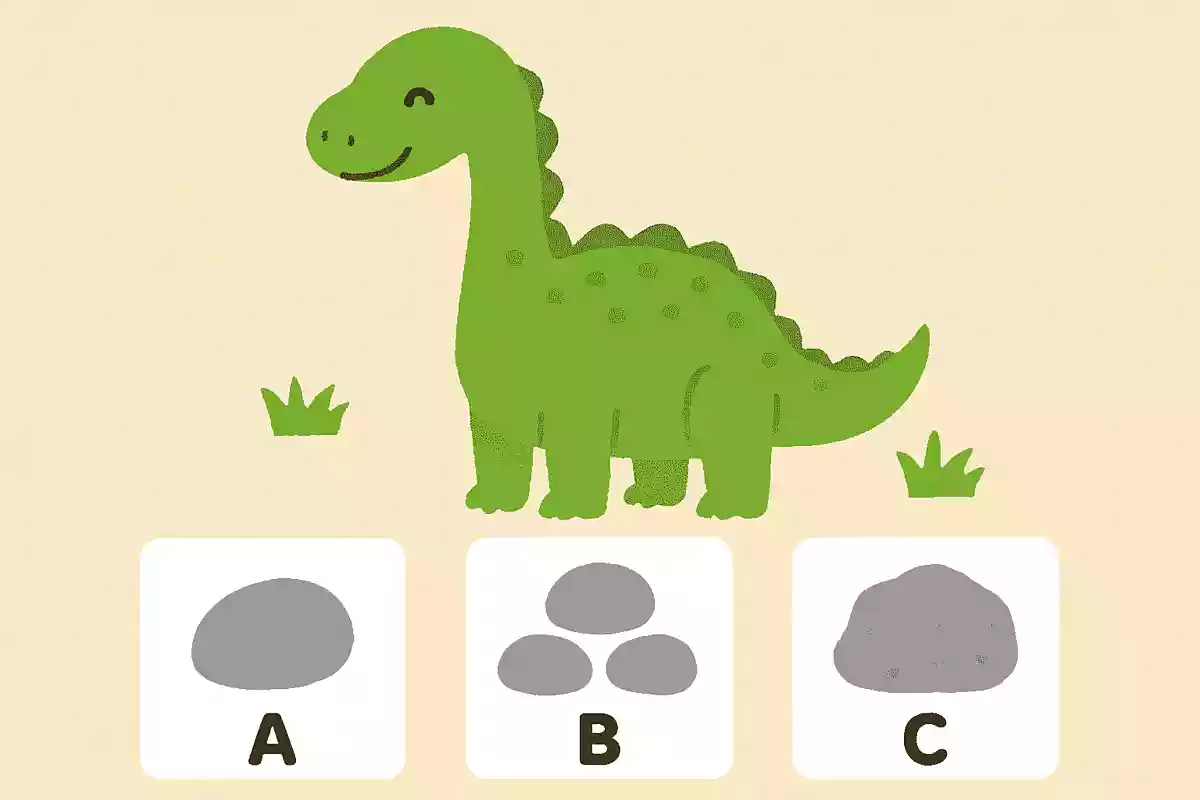
- seashell
- stone
- bone
Herbivorous dinosaurs ate fibrous plants. Their teeth were shaped to grind leaves, but sometimes that grinding was not sufficient. To aid digestion, they swallowed stones to further break down the plant matter in their stomachs. These ingested stones are called gastroliths, and the behavior is also observed today in animals such as crocodiles and herbivorous birds.

What creatures are said to have evolved from dinosaurs?
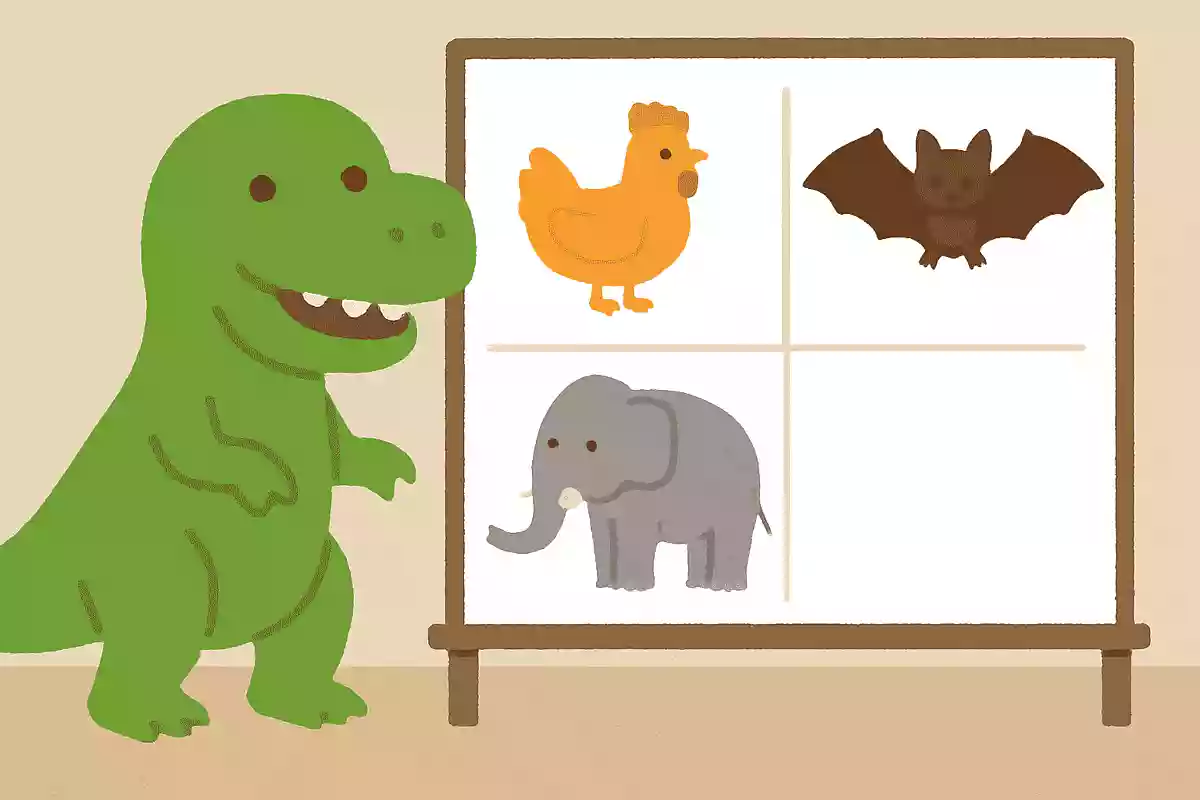
- bird
- turtle
- shark
See the answer
bird
They may not look much like dinosaurs, but birds are said to be their descendants. They were even featured as a theme in the movie Doraemon: Nobita’s New Dinosaur. Most dinosaurs went extinct about 66 million years ago, but the ones that survived are believed to be birds.
What is the reason dinosaurs went extinct?
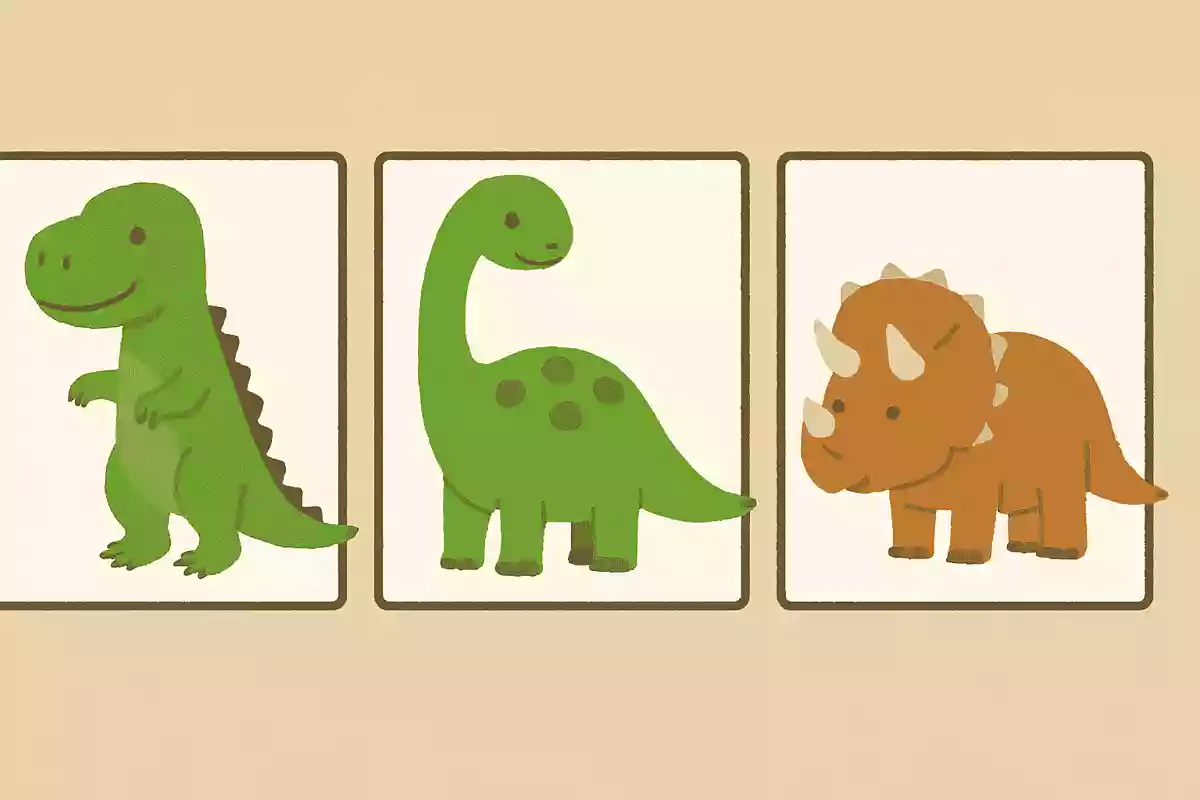
- meteor impact
- Great earthquake
- I don't understand.
See the answer
I don't understand.
When people hear about the extinction of the dinosaurs, many probably think of an “asteroid impact,” but it seems that while that hypothesis is considered the most likely, the actual cause isn’t definitively known. In addition to the “asteroid impact,” there’s also the “volcanic activity” hypothesis, which is likewise regarded as a strong contender.
What is the largest pterosaur?
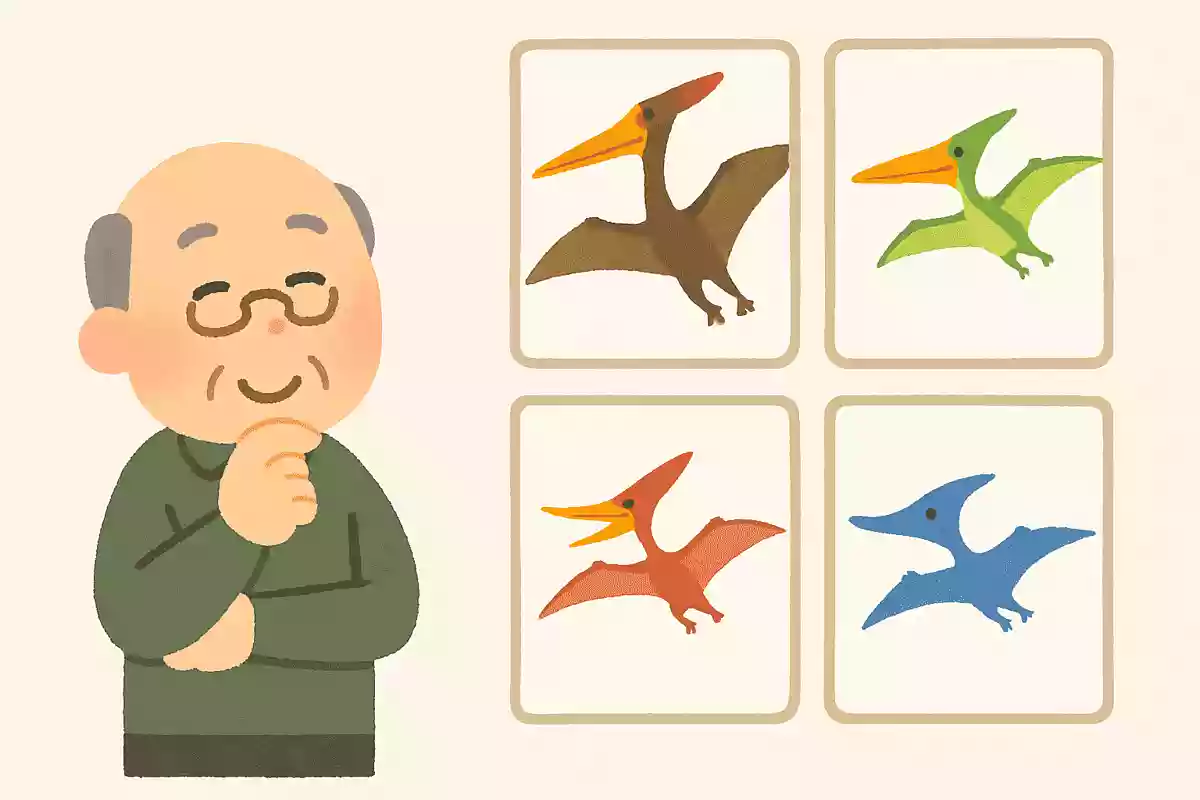
- Dsungaripterus
- Talasodromeus
- Quetzalcoatlus
See the answer
Quetzalcoatlus
Quetzalcoatlus is said to have had a total length of over about 10 meters. Although it was one of the largest pterosaurs, it is thought that it may not have been able to fly long distances. Its name comes from Quetzalcoatl, the serpentine deity from Aztec mythology in Mexico.
Which dinosaur fossil was the first to be discovered in Japan?
- Fukuiraptor
- Moshiryū
- Yamatosaurus
See the answer
Moshiryū
Moshiryū is a dinosaur discovered in 1978 in Moshi, Iwaizumi Town, Iwate Prefecture. It has no scientific name; “Moshiryū” is a popular name. Until the discovery of Moshiryū’s fossils, it was believed that dinosaurs did not live in Japan, and the find later became a catalyst for subsequent discoveries of dinosaur fossils in the country.
What are the plates on a Stegosaurus’s back for?
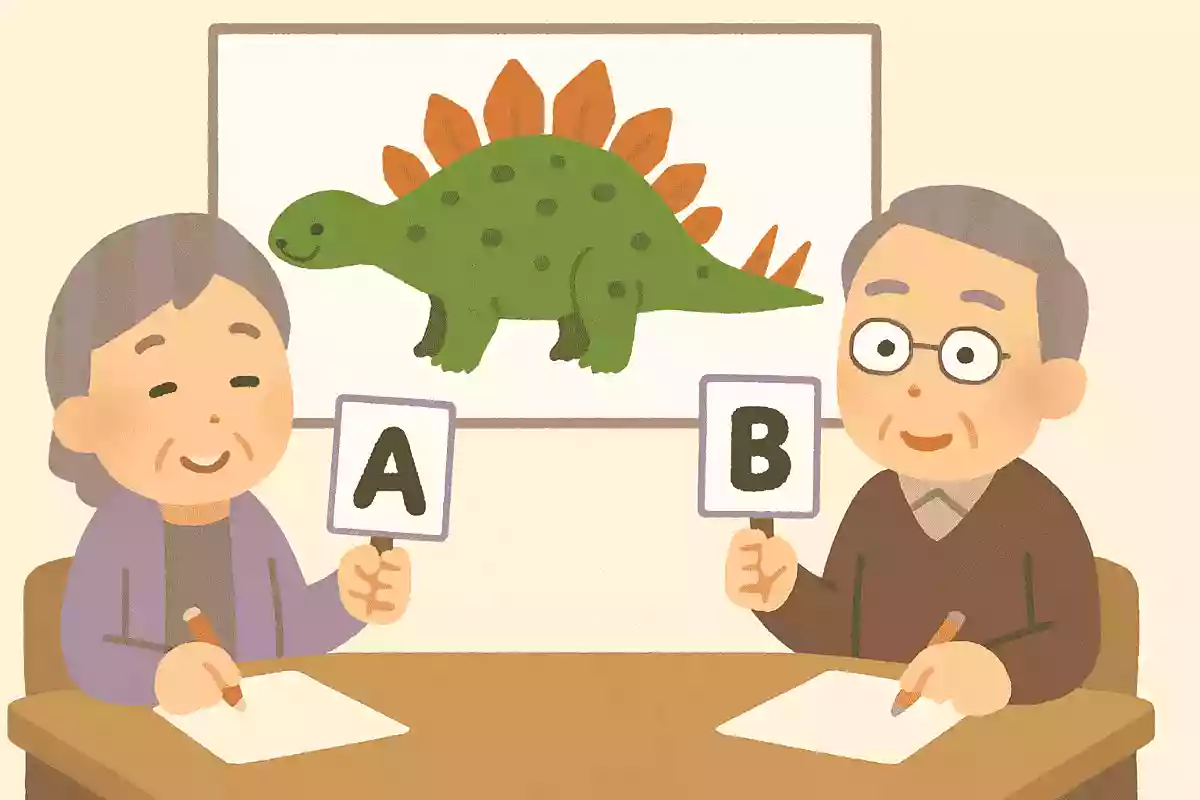
- to showcase strength
- To protect oneself from enemies
- For thermoregulation
See the answer
For thermoregulation
The plates on a Stegosaurus’s back contain many capillaries. It is thought that by exposing those plates to lots of sunlight to warm the blood, or to wind to cool it, the animal regulated its body temperature. Those plates on its back also look pretty formidable, don’t they?
[For Seniors] Fun and Easy! Dinosaur Multiple-Choice Quiz (Questions 21–30)
What class do dinosaurs belong to?
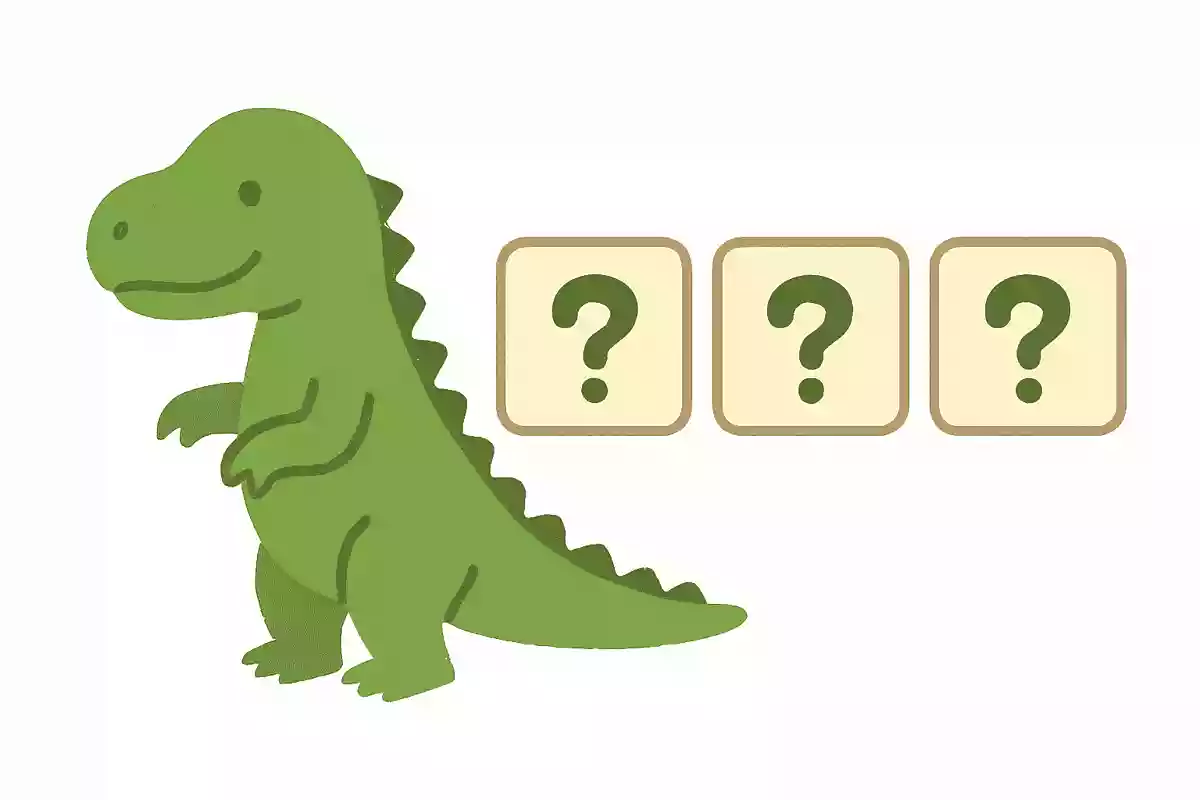
- mammal
- amphibian
- reptile
See the answer
reptile
Because many dinosaurs are large-bodied, we tend to assume they might be mammals, but they’re actually reptiles. In fact, they’re related to lizards! The size is completely different, of course, but the long tails and overall shape do seem similar.
In conclusion
It was a quiz about dinosaurs that lived on Earth in ancient times. We can’t see real ones today. However, since they’re used as characters and appear in movies, even older adults may encounter dinosaurs in everyday life. We hope the quiz helps you deepen your knowledge of dinosaurs’ surprising habits and traits. Enjoy a fun time with the dinosaur quiz!