

For Seniors: Be Prepared for Emergencies — A Disaster Preparedness Quiz Useful in Times of Crisis


Why not enjoy learning disaster-preparedness knowledge for “just in case”? Through quizzes about earthquakes, tsunamis, fires, and other disasters, we’ve compiled useful information in an easy-to-understand way.
We’ll go through each question slowly with explanations so that older adults can enjoy learning as well.
Think through the questions with your family and friends to deepen your understanding and knowledge of disaster preparedness.
By naturally acquiring readiness for emergencies, you’ll be able to stay calm and act appropriately.
Be sure to share this with those around you and help raise awareness of disaster prevention.
- [For Seniors] Trivia Multiple-Choice Quiz
- Useful in emergencies! Learn disaster preparedness the fun way with a disaster-prevention trivia quiz
- [For Seniors] Lively two-choice trivia quiz. Handy to know and tidbits you'll want to share with others
- [For Seniors] Laugh-Out-Loud, Crowd-Pleasing! Fun Quiz
- [For Seniors] Today’s recommended quiz. Daily brain-training quiz!
- [For Seniors] Fun and Informative! Health Trivia Quiz
- [For Seniors] Fun and Educational True-or-False Quiz
- How much do you know? Trivia quiz for seniors that’s full of surprisingly unknown facts
- [For Seniors] Fun Brain Training! A Collection of Tricky Quizzes You’ll Definitely Get Stumped By
- [For Seniors] Perfect Brain Training! Fun Trivia
- Recommended for seniors! Liven up your event with a Respect-for-the-Aged Day quiz!
- [For Seniors] Recommended Trivia Quizzes & Fun Facts for November
- [For Seniors] Surprising Facts! Multiple-Choice Trivia Quiz (4 Options)
[For Seniors] Be Prepared for Emergencies: Disaster Preparedness Quiz Useful in Times of Disaster (11–20)
If floodwaters are overflowing outside, up to what water depth is it still possible to evacuate?
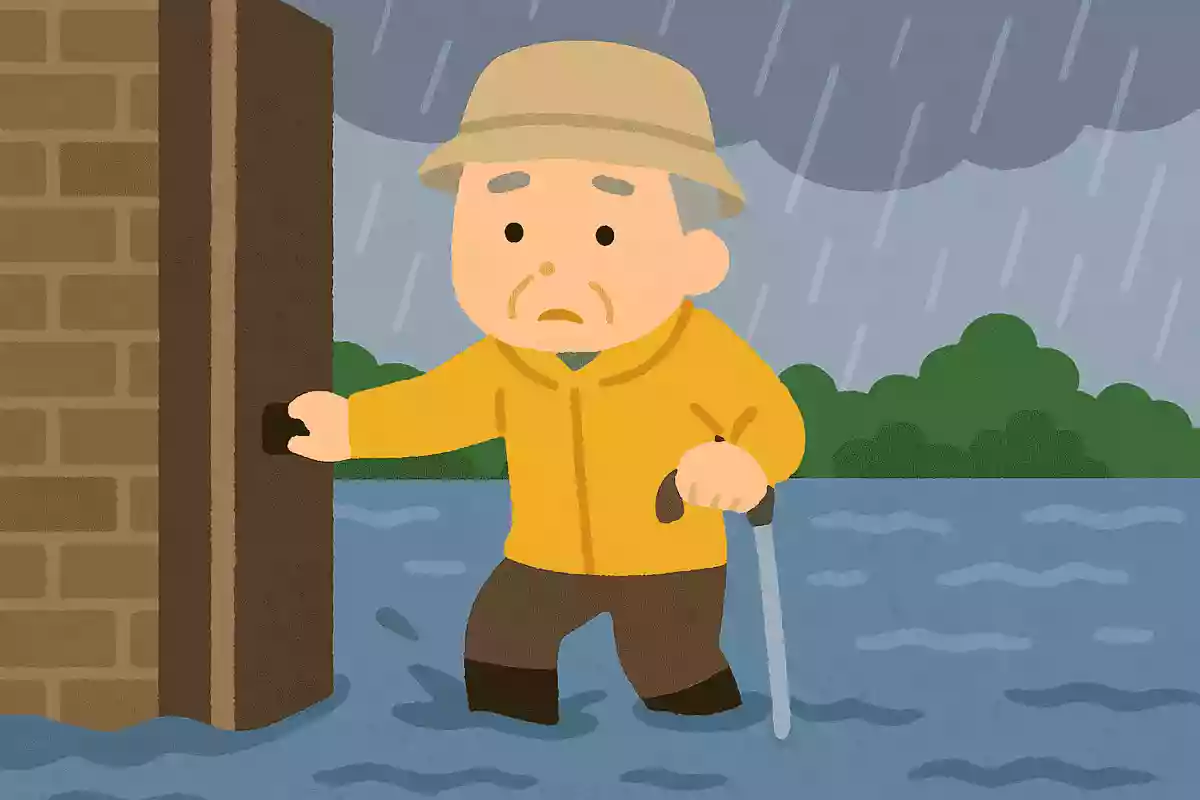
- 50cm
- 1m
- one’s own height
See the answer
50cm
It’s said that even adults walking in water deeper than 50 cm is dangerous. Pay close attention to evacuation information and evacuate early. If the water is flowing rapidly, it will be even harder to move, so extra caution is needed.

How many days’ worth of emergency food supplies should we prepare in case of a disaster?
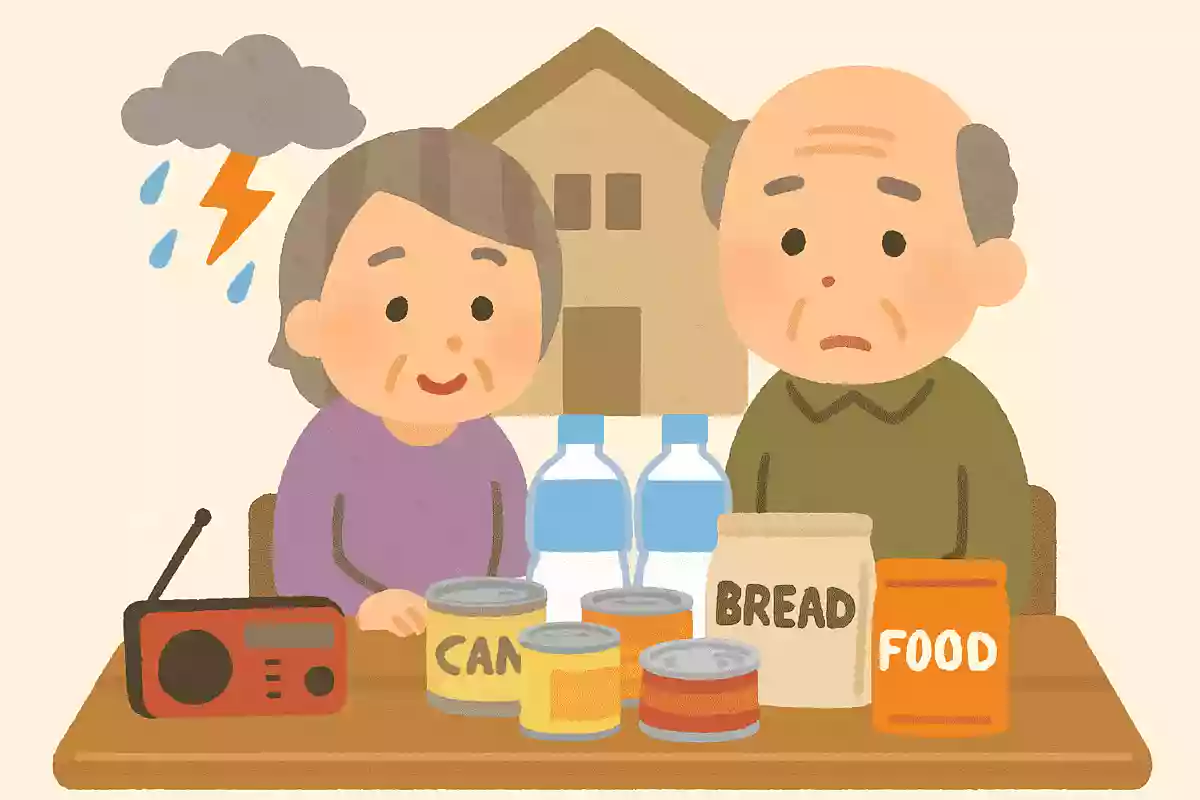
- one day's worth
- three days' worth
- seven days' worth
See the answer
seven days' worth
They say that in major disasters it can take time for relief supplies to arrive, so you should have seven days’ worth of food and water. It’s also best to prepare separate water for daily use and for drinking.
What is the number for the disaster message (voicemail) service?
- 889 (hayaku)
- 279 (tsunagu)
- 171 (not here)
See the answer
171 (not here)
The Disaster Message Dial is a voice message board service that NTT East and NTT West activate during disasters. In the event you are affected, phone calls and emails may become unavailable, making it difficult to contact your family. It’s a good idea to decide in advance how you will confirm each other’s safety.
What kind of shoes are appropriate to wear when evacuating during heavy rain?
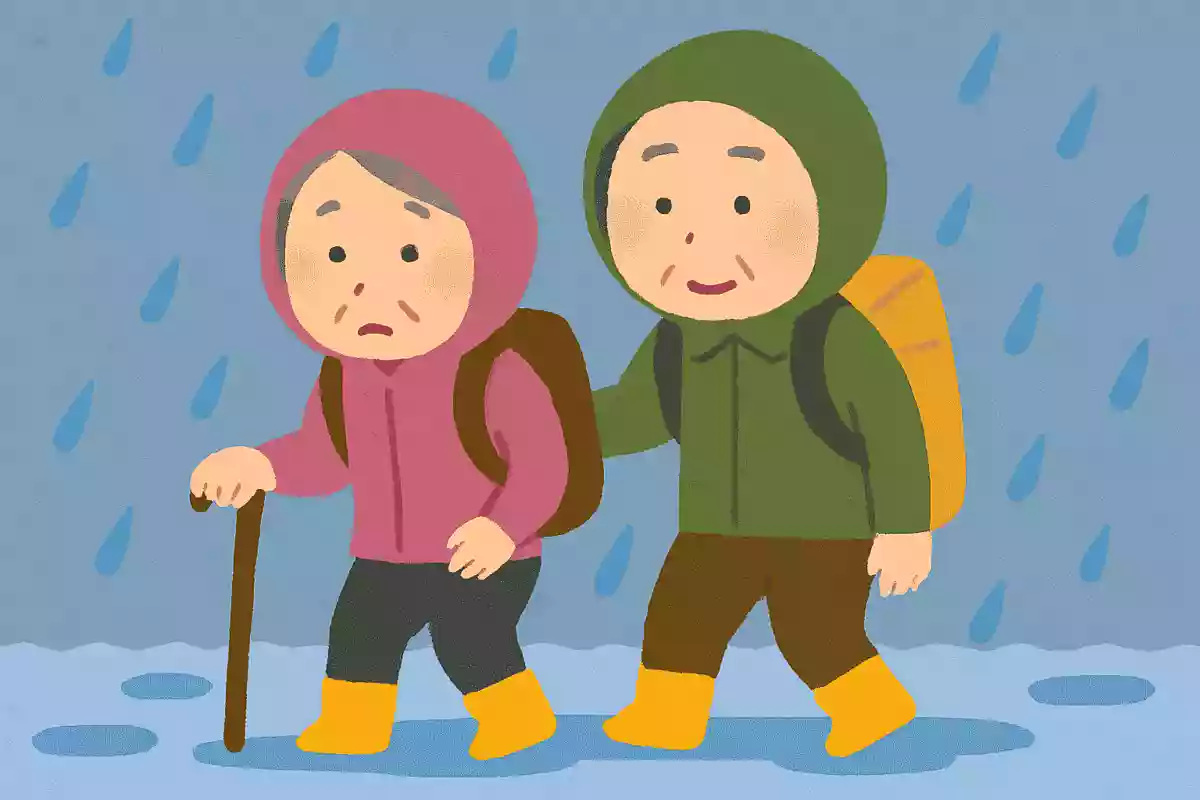
- Waterproof boots
- Sneakers you’re used to wearing
- bare feet
See the answer
Sneakers you’re used to wearing
Many people may think that rain boots are the best choice in heavy rain. However, they’re not recommended. While they’re designed to resist water seeping in, once water enters from the top, your feet become heavy and it’s hard to move. It’s better to wear well-broken-in shoes, accepting that they might get wet.
Which of the following is correct as a countermeasure when a typhoon is approaching?
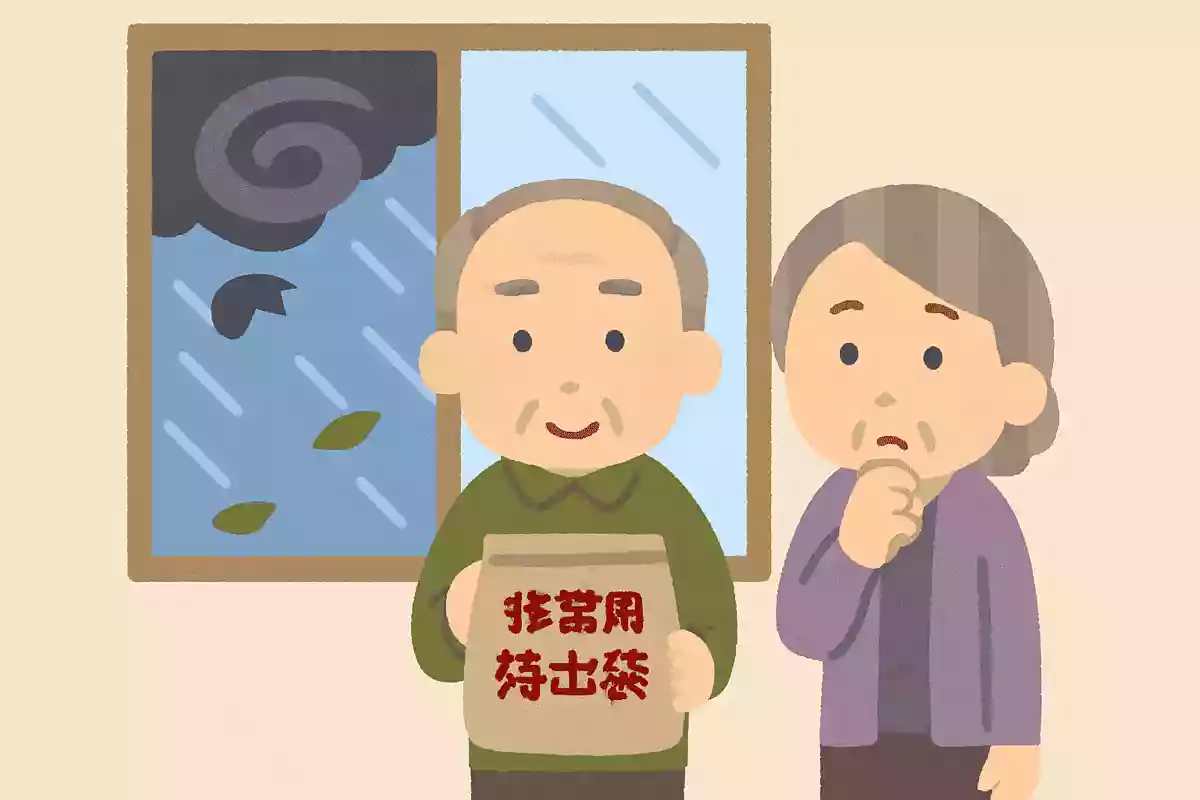
- Open the window to let the breeze through.
- Bring anything that could be blown away by the wind outside into the house.
- Go outside to check the strength of the wind.
See the answer
Bring anything that could be blown away by the wind outside into the house.
When strong winds blow, items left outside can be blown away, breaking window glass or hitting people. Be sure to bring inside anything that might get blown away in advance.
Where should I evacuate to quickly if my home is flooded due to heavy rain?
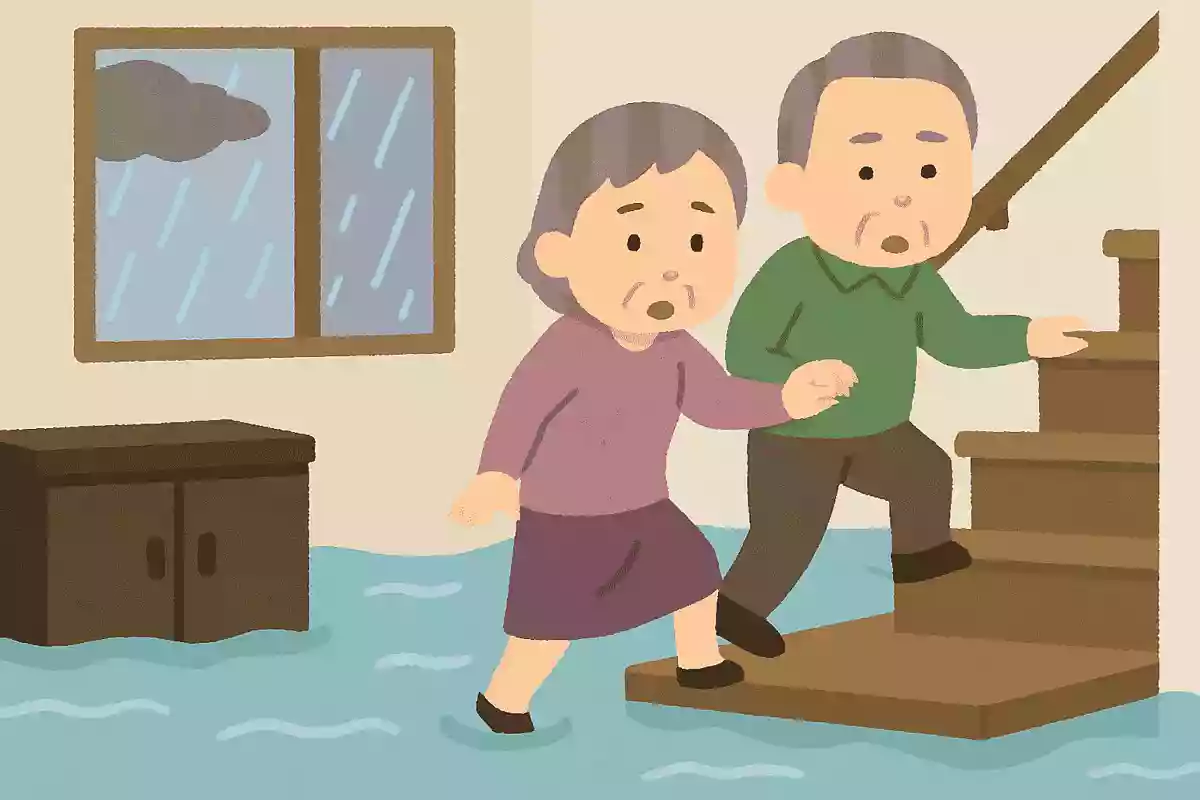
- Head to the second floor or above of the house.
- Head to the shelter
- I’ll stay on the first floor as I am.
See the answer
Head to the second floor or above of the house.
When flooding starts and you can’t see your footing, evacuating outdoors may become dangerous. It’s important to remember vertical evacuation—moving to higher floors. It’s also a good idea to check evacuation routes in advance for when you need to head to a shelter.
[For Seniors] Be Prepared for Emergencies: Disaster Preparedness Quiz Useful in Times of Disaster (21–30)
What items can be used for first aid when a fracture is suspected during a disaster?
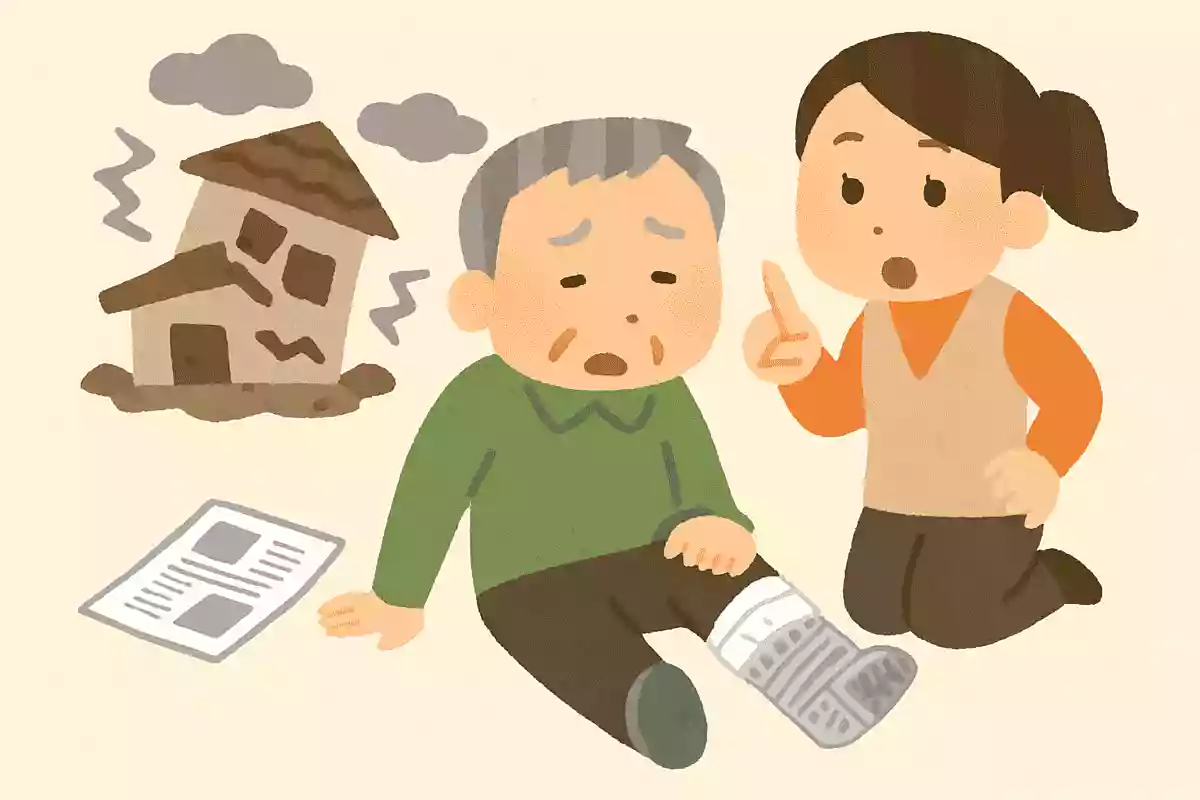
- vinyl cord
- cable tie
- wrap
See the answer
wrap
By using plastic wrap, you can tightly wind it with a core as a splint, making it easy to secure. It’s a handy item since you can substitute things you have at home. It’s sturdier than you might expect, so it could be good to practice using it.