

[For Seniors] February Trivia: Useful Knowledge

According to the traditional calendar, it’s “Risshun,” the start of spring.
February is considered the beginning of spring, but in reality it’s still quite cold—a time when we can’t do without down jackets and heaters.
In some regions, it may even be snowing.
In this article, we’ve gathered various trivia related to February.
We introduce handy tips to keep warm through the cold winter, trivia about February events, and fun facts tied to various “Days of ○○.”
If you’re looking for February trivia to spark conversation, or quiz material about February that can be used for activities in senior care facilities, we hope you find this useful!
- [For Seniors] Get Through the Chilly February! Recommended Health-Themed Recreations
- [For Seniors] Brain-training with winter-themed quizzes. Great for activities, killing time, and dementia prevention.
- [For Seniors] February Trivia: Useful Knowledge
- [For Seniors] January Trivia Quiz & Fun Facts. Brain training with quizzes about New Year and winter.
- [For Seniors] Fun Brain Training! February-Themed Quiz
- How much do you know? Trivia quiz for seniors that’s full of surprisingly unknown facts
- [For Seniors] Haiku for March: Enjoying a Spring Moment with Famous Verses
- [For Seniors] Enjoyable Brain Training! Valentine’s Trivia Quiz & Fun Facts
- [For Seniors] Introducing Trivia Quizzes and Fun Facts About December
- [For Seniors] Hina Matsuri (Girls’ Day) Trivia Quiz & Fun Facts. Recommended for Dementia Prevention Activities
- [Recreation for Seniors] Introducing Quizzes to Enjoy at Day Service Centers!
- [For Seniors] Enjoy the Cold Winter! Seated Activities You Can Do
- [For Seniors] Winter Haiku: Introducing Beautiful Masterpieces by Famous Haiku Poets
For Seniors: February Trivia. Useful Knowledge (21–30)
Cocoa polyphenols found in chocolate help prevent aging.
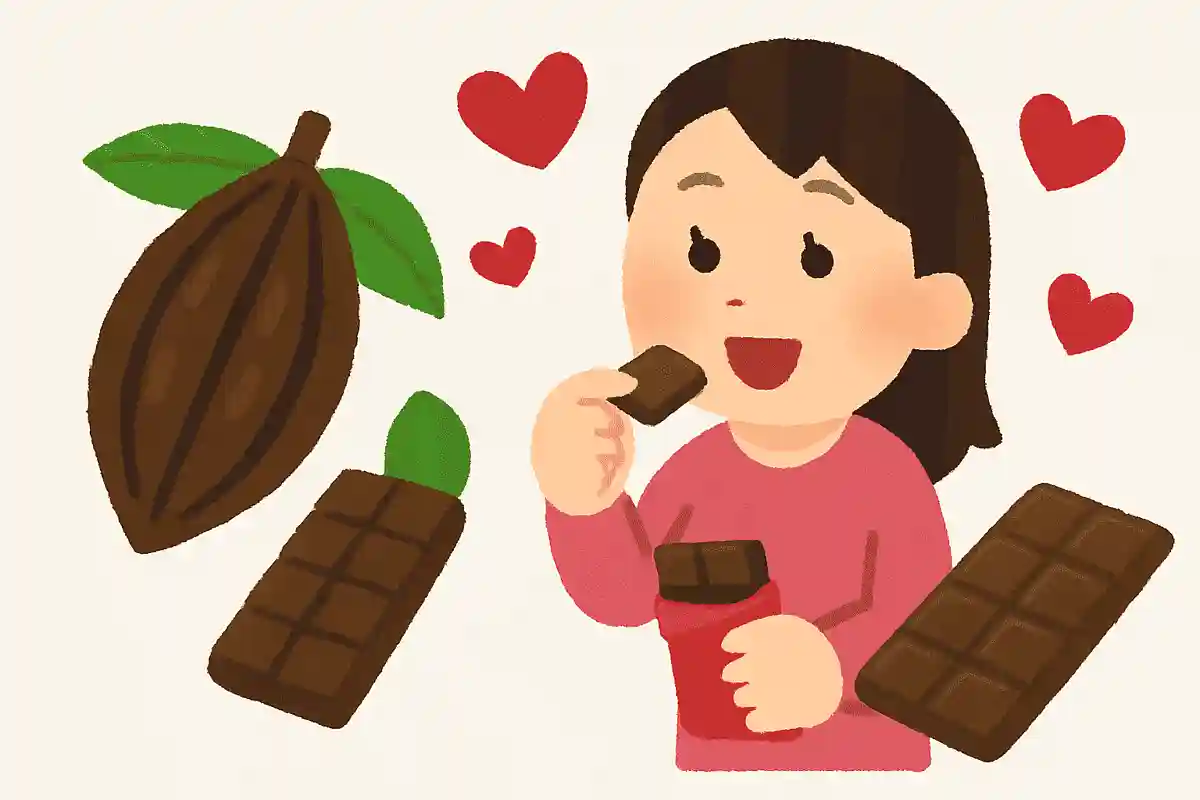
Cocoa beans, the raw material of chocolate, are rich in cocoa polyphenols.
These cocoa polyphenols have vasodilating effects and strong antioxidant power, which are said to help lower blood pressure and prevent arteriosclerosis.
They also help prevent issues that generate reactive oxygen species, a cause of skin aging.
With so many benefits, chocolate is something you’ll want to incorporate into your diet in a healthy way.
“High-cacao chocolate,” which contains 70 percent or more cacao, is rich in cocoa polyphenols and is recommended for those focused on health and beauty.

The country that produces the most cocoa beans—the raw ingredient of chocolate—is not Ghana but Côte d’Ivoire.
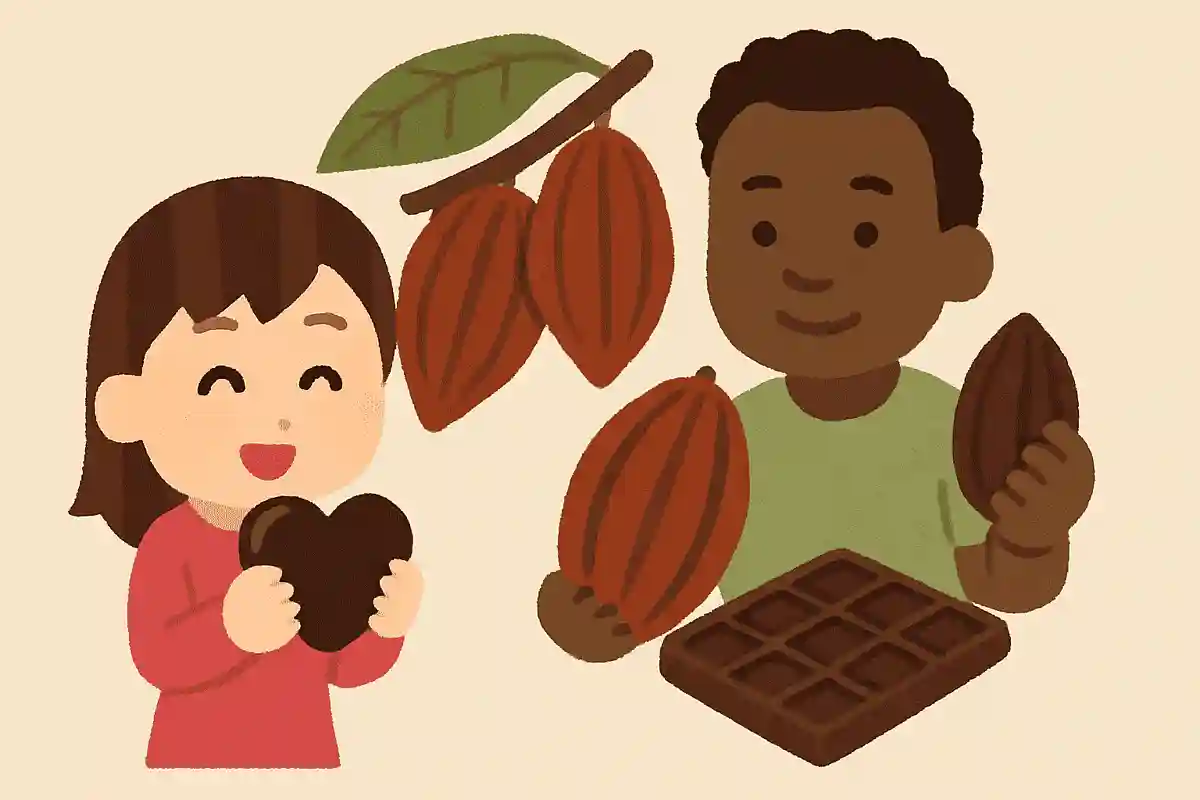
Ghana is a major producer of cacao beans, the raw ingredient for chocolate.
And the name of the chocolate bar sold by the famous confectionery company Lotte is “Ghana.” Because it’s often seen in supermarket and convenience store candy aisles and in commercials, some people may associate “Ghana” primarily with chocolate.
However, the country that actually produces the most cacao beans is Côte d’Ivoire, accounting for nearly 40% of the global total.
Compared to second-place Ghana, the difference is roughly twofold.
It’s a fun fact that might surprise you!
Cacao beans, the raw material of chocolate, were once used as currency.
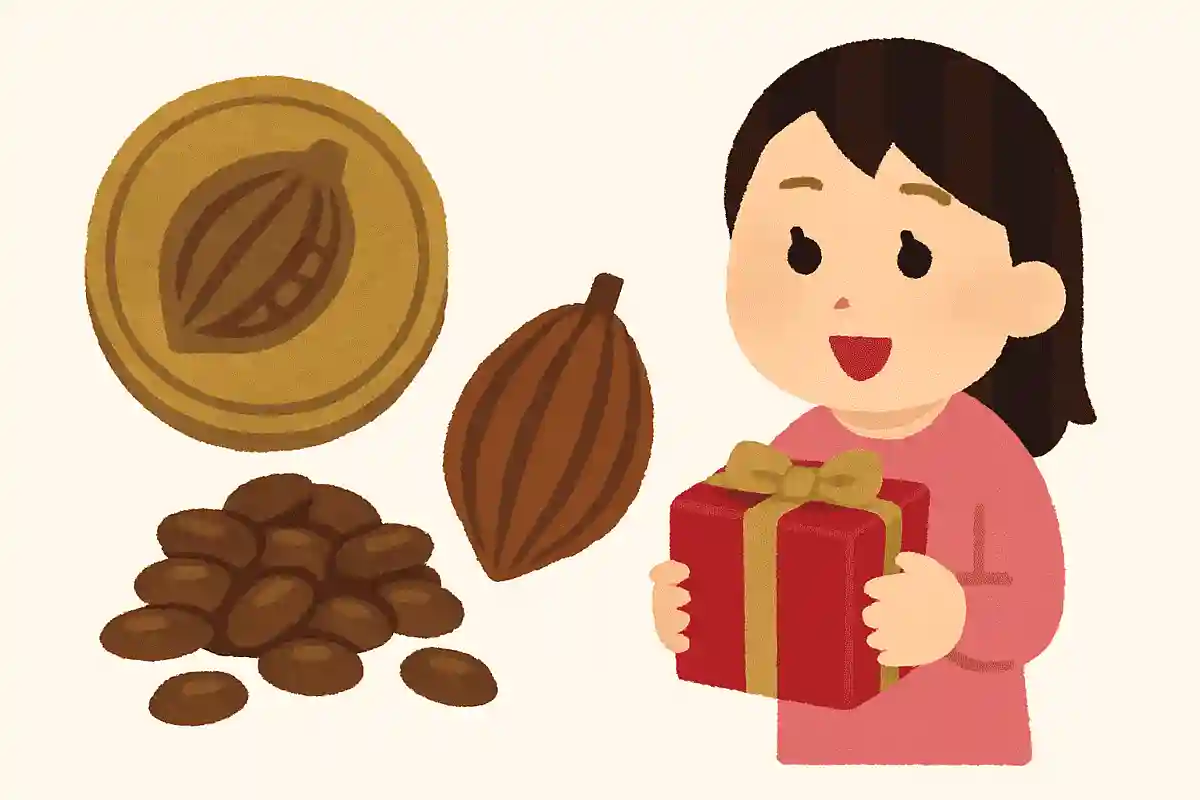
Chocolate is popular on Valentine’s Day, but in ancient times in Central and South America, where civilizations like the Aztecs flourished, cacao was extremely valuable and not easily obtained.
Only royalty and nobility could consume it, and it was used as a medicine for recovery from fatigue and for nourishment.
It was even used as a form of currency.
It’s said that a slave could be traded for 100 cacao beans—unthinkable today.
Such valuable cacao gained rapid popularity once sugar was added to counteract its bitterness and people began drinking it.
Fascinating, isn’t it?

The grooves in chocolate are there to help it cool more easily.
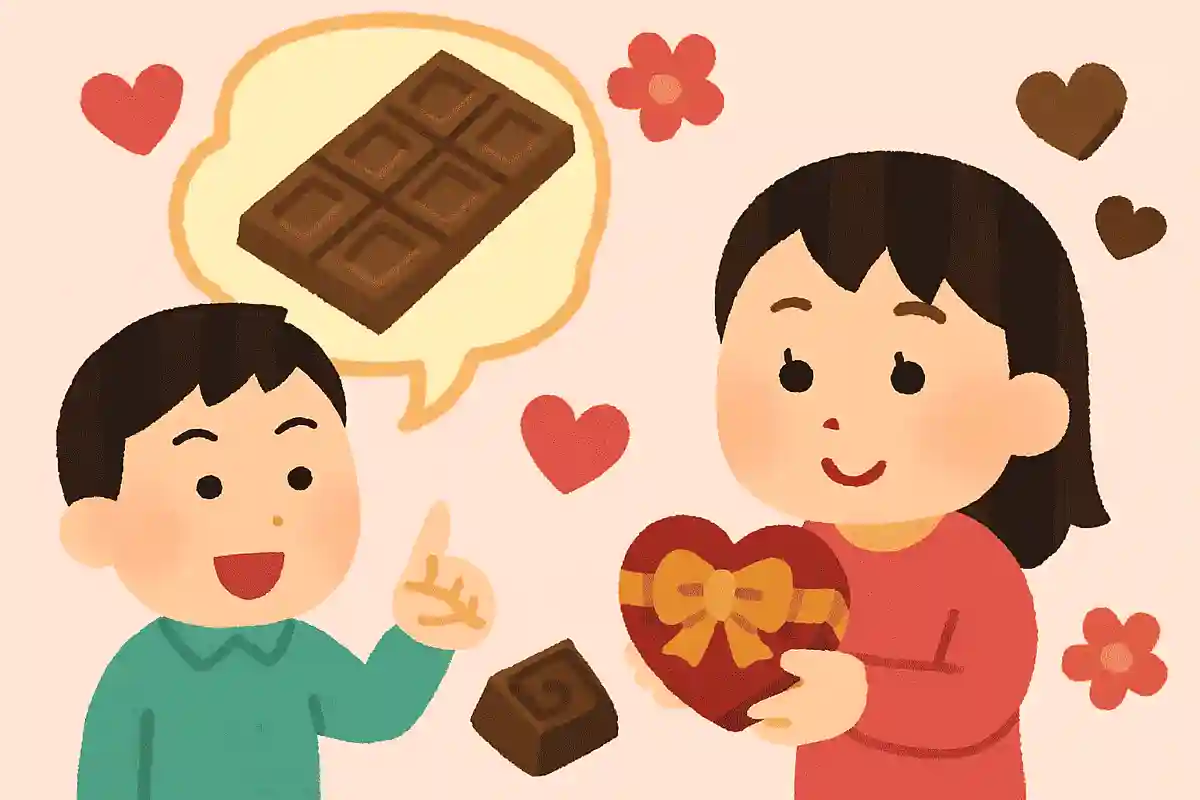
Did you know that the grooves on the chocolate bars we casually eat actually have a purpose? Many people might assume they’re there to make the chocolate easier to break when eating.
In fact, those grooves aren’t for breaking—they’re added to make cooling during production more efficient.
The grooves help the chocolate cool quickly and set faster.
Cooling the bar evenly also improves how smoothly it melts in your mouth.
Those grooves are truly the result of careful industry innovation.
Chocolate was originally consumed as a medicine.
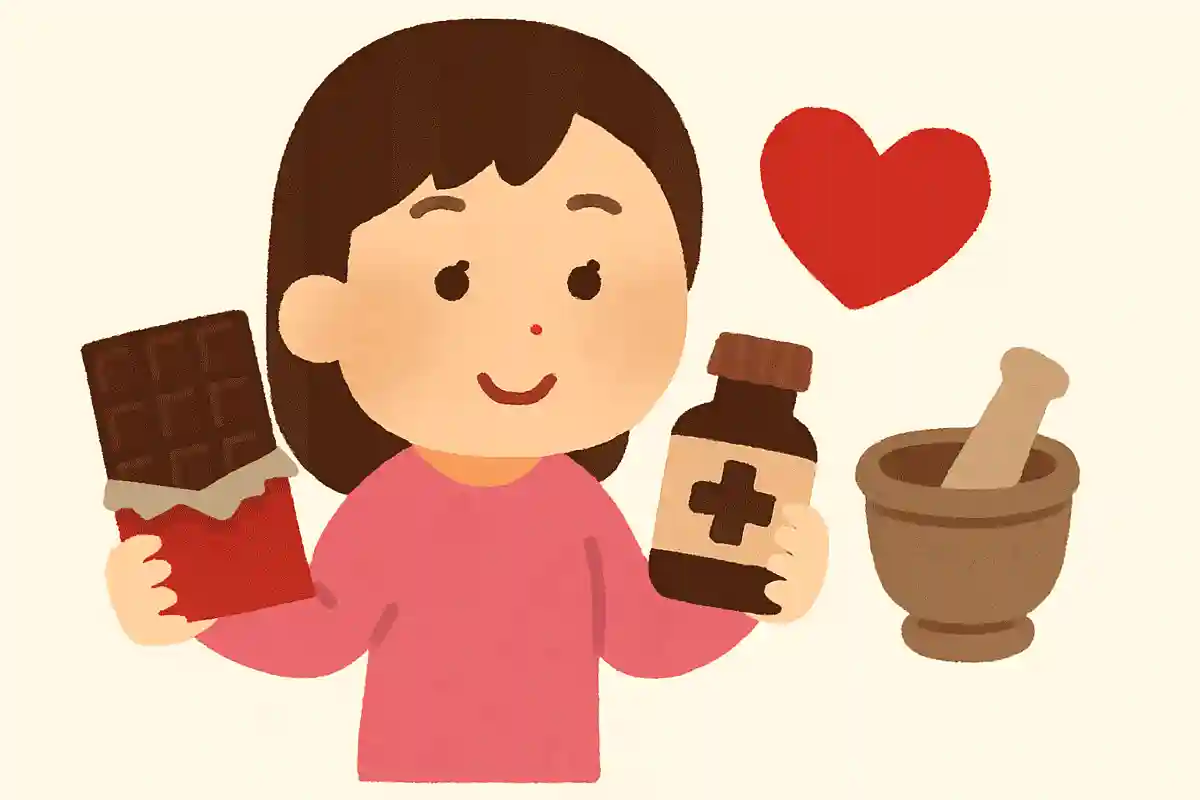
Chocolate is the quintessential sweet and delicious confection.
In fact, it has a long history and was originally used as a medicine.
The predecessor of chocolate was a drink called “xocolatl,” made by grinding cacao beans—the raw ingredient of chocolate—into a thick liquid and adding various spices and flavorings.
Because cacao was a luxury item at the time, it was consumed only by a select few, such as emperors.
Unlike today’s chocolate, it wasn’t sweet but bitter.
It was expected to offer various benefits—such as relieving fatigue, boosting vitality, reducing fever, and neutralizing toxins—and thus served a medicinal role.
There is no scientific evidence that eating too much chocolate causes nosebleeds.
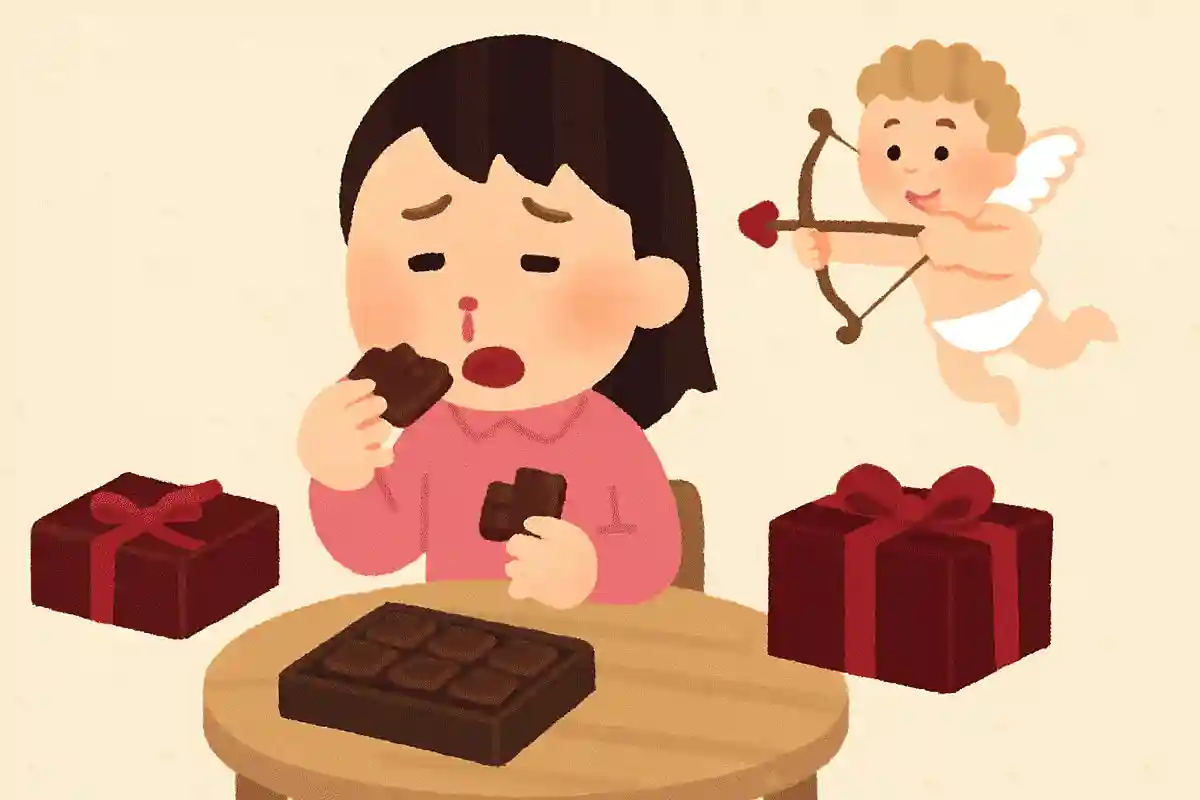
When you were little, your mother may have told you, “If you eat too much chocolate, you’ll get a nosebleed.” In fact, there’s no scientific or medical evidence that overeating chocolate leads to nosebleeds.
However, chocolate contains substances like polyphenols and theobromine that can promote blood circulation, which has led to the belief that it can cause nosebleeds.
It may also have come from parents’ desire not to let their children eat too much chocolate.
In Germany on Valentine’s Day, people give pig figurines or sweets as symbols of good luck.
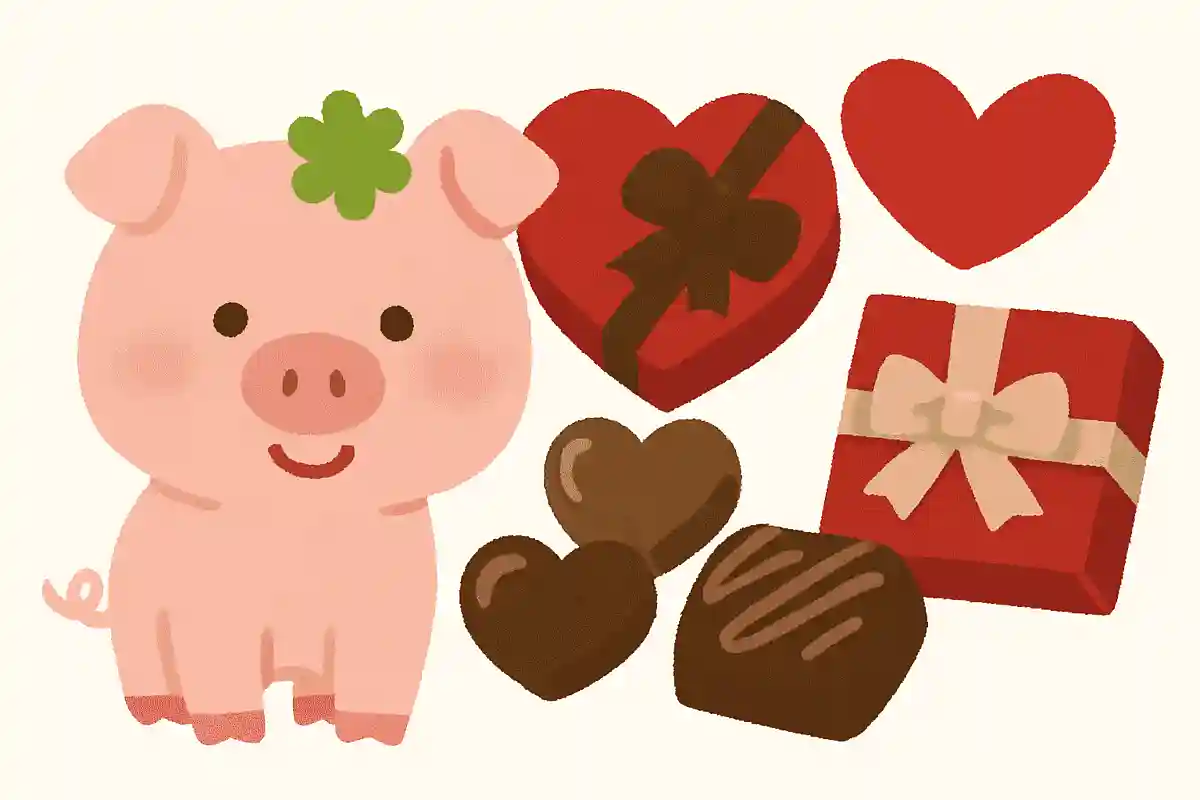
In Japan, Valentine’s Day typically involves women giving chocolate, but it seems to be different in Germany.
In Germany, men often give women bouquets of roses, and items featuring pigs—considered symbols of good luck there—are also popular.
Moreover, in Germany, Valentine’s Day doesn’t carry the nuance of a confession of love, and there’s no culture of obligatory chocolates.
It’s fun just to look into how Valentine’s Day is celebrated in different countries, isn’t it?