

[For Seniors] February Trivia: Useful Knowledge

According to the traditional calendar, it’s “Risshun,” the start of spring.
February is considered the beginning of spring, but in reality it’s still quite cold—a time when we can’t do without down jackets and heaters.
In some regions, it may even be snowing.
In this article, we’ve gathered various trivia related to February.
We introduce handy tips to keep warm through the cold winter, trivia about February events, and fun facts tied to various “Days of ○○.”
If you’re looking for February trivia to spark conversation, or quiz material about February that can be used for activities in senior care facilities, we hope you find this useful!
- [For Seniors] Get Through the Chilly February! Recommended Health-Themed Recreations
- [For Seniors] Brain-training with winter-themed quizzes. Great for activities, killing time, and dementia prevention.
- [For Seniors] February Trivia: Useful Knowledge
- [For Seniors] January Trivia Quiz & Fun Facts. Brain training with quizzes about New Year and winter.
- [For Seniors] Fun Brain Training! February-Themed Quiz
- How much do you know? Trivia quiz for seniors that’s full of surprisingly unknown facts
- [For Seniors] Haiku for March: Enjoying a Spring Moment with Famous Verses
- [For Seniors] Enjoyable Brain Training! Valentine’s Trivia Quiz & Fun Facts
- [For Seniors] Introducing Trivia Quizzes and Fun Facts About December
- [For Seniors] Hina Matsuri (Girls’ Day) Trivia Quiz & Fun Facts. Recommended for Dementia Prevention Activities
- [Recreation for Seniors] Introducing Quizzes to Enjoy at Day Service Centers!
- [For Seniors] Enjoy the Cold Winter! Seated Activities You Can Do
- [For Seniors] Winter Haiku: Introducing Beautiful Masterpieces by Famous Haiku Poets
[For Seniors] February Trivia: Useful Knowledge (31–40)
The health benefits of smiling! Stress improvement

A “smile” is a health practice I highly recommend for older adults.
It’s said that as we age, we tend to laugh less.
But that’s a real shame.
In fact, laughing has beneficial effects on both the body and mind, and simply keeping a smile on your face is said to have positive effects as well.
Many older adults are reportedly dealing with anxiety and stress, but a smile requires no preparation and can be adopted anytime.
Why not try consciously incorporating “laughter” into daily conversations or exercises, using some trivia about the benefits of laughing as a starting point? As the saying goes, “Good fortune comes to those who smile,” so please give it a try.

When eating an Ehomaki on Setsubun, what you must not do is talk.
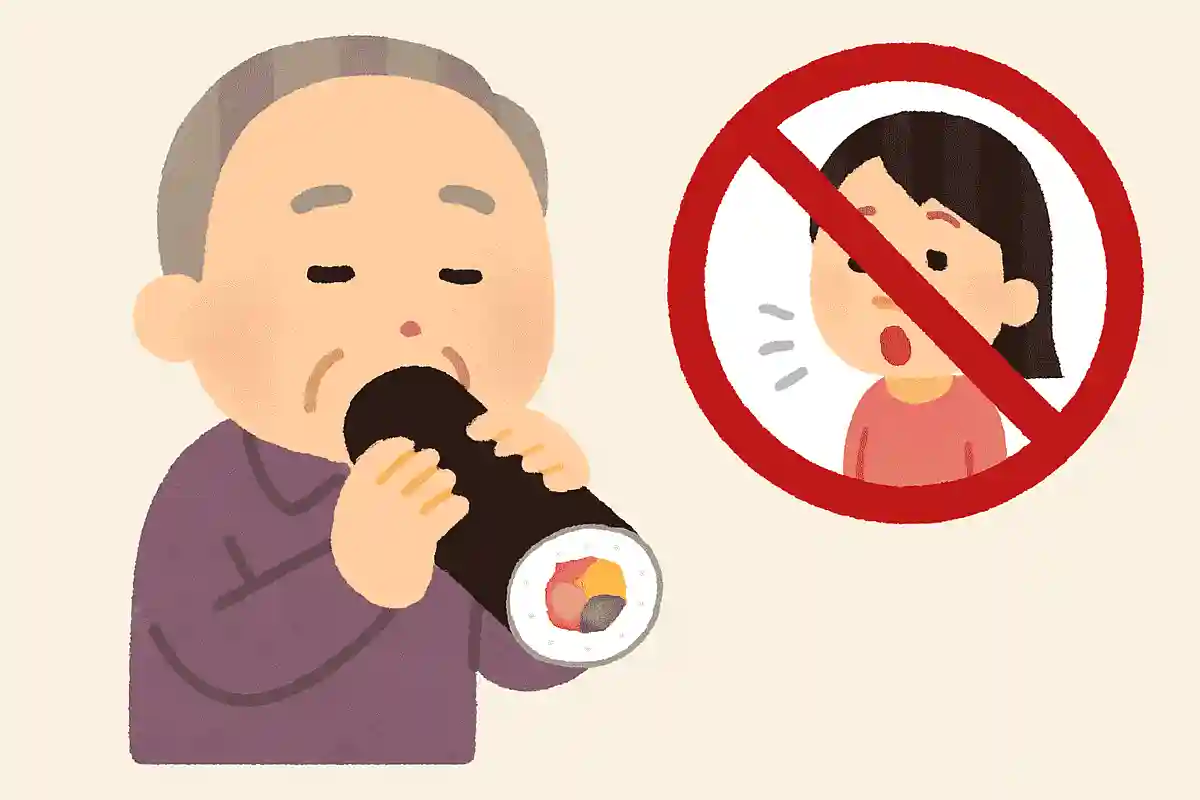
When it comes to must-eat foods for Setsubun, ehomaki definitely tops the list.
It originally started as a culinary custom in the Kansai region, but is said to have spread nationwide after convenience store chains and supermarkets began selling it.
In fact, there’s something you shouldn’t do when eating ehomaki: talk.
Proper etiquette is to eat it silently while facing the year’s lucky direction for Setsubun.
On Setsubun, keep this custom in mind as you eat to invite good fortune.

It is considered best to perform Setsubun bean throwing at night.
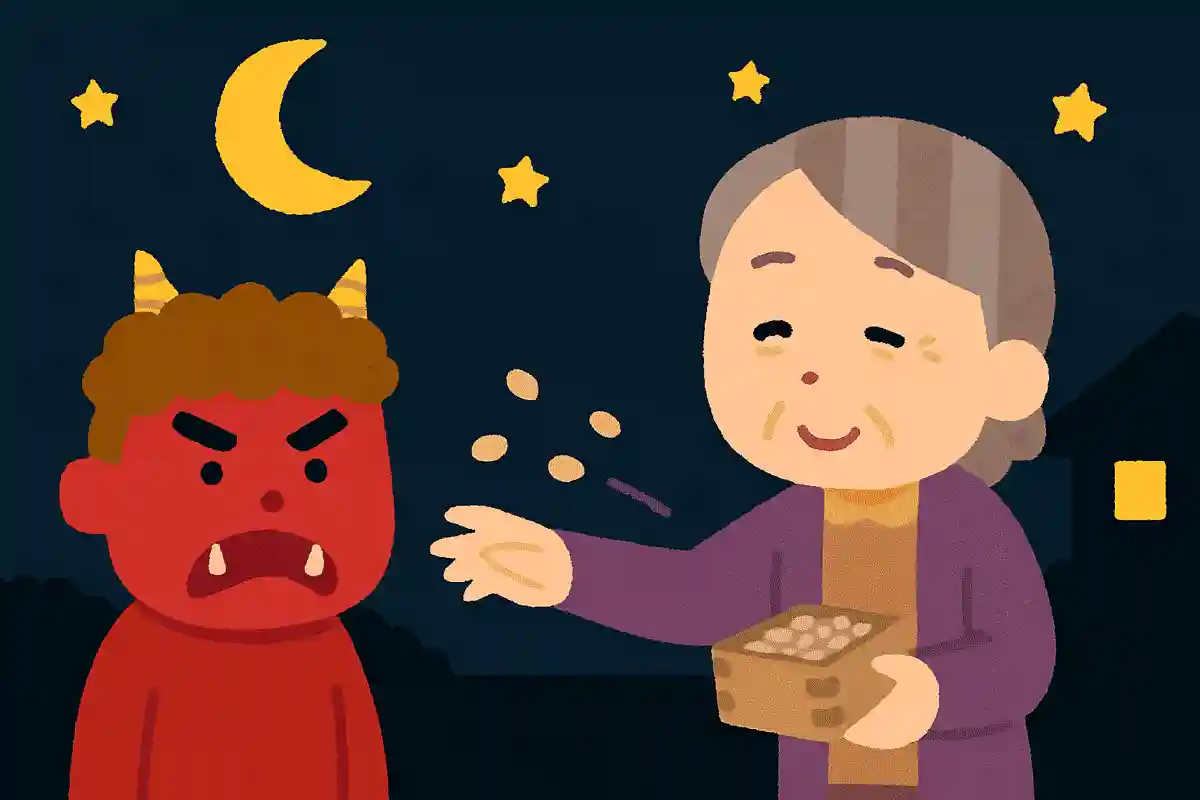
Setsubun is a traditional Japanese event.
In households with children, there are many opportunities to do mamemaki (bean throwing).
Although it’s something we often do without much thought, do you know what time of day it’s considered best to perform mamemaki? The answer is “at night.” Since ancient times, it has been believed that oni (demons) come at midnight.
It was also recommended to do it at night when the whole family is gathered, to drive away worldly desires from the heart and welcome the new season in purity.
Today, however, holding it at midnight can cause noise issues and make cleaning difficult, so it is generally done in the early evening to nighttime.
Not only the first spring storm exists, but there are also the second and third.
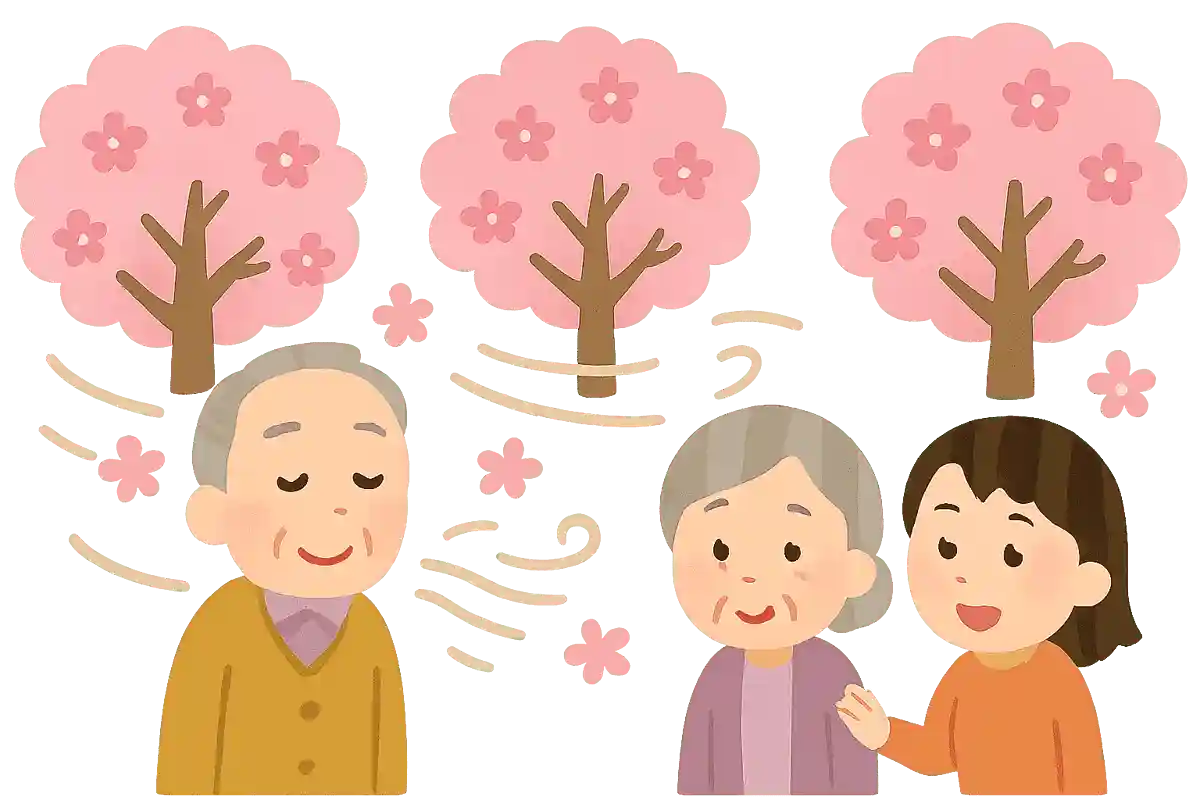
Personally, I have the impression that strong gusts often blow in spring—how about you? The so-called “haru-ichiban” is something I vaguely think of as “a strong wind that blows in spring,” but borrowing the Japan Meteorological Agency’s wording, it’s defined as “a warm, somewhat strong southerly wind observed over a wide area between the beginning of spring (Risshun) and the spring equinox.” In fact, this haru-ichiban is sometimes followed by what people call haru-niban, haru-sanban, and so on.
However, these aren’t official JMA terms; they’re more at the level of expressions used on news programs.
I mean, if someone said “haru-gojuuban (spring number 50),” you’d be like… really?
The Fun History of Chocolate

Chocolate is something you often see around Valentine’s Day.
Here, we’re sharing some fun facts about chocolate! Although chocolate is strongly associated with sweets, it was actually drunk in the past as a medicine for longevity.
In Central and South America, cacao was so valuable that it was used as currency and offered to the gods, so only people of high status could drink it.
The taste was said to be very bitter, so if you’re going to drink it, a sweet hot chocolate sounds nice.
Hot chocolate can even help with hay fever and relieve constipation!

[For Seniors] February Trivia: Useful Knowledge (41–50)
What is a yokan-mimai (late-winter greeting)? How is it different from a kanchu-mimai (mid-winter greeting)?

February is a time when the cold eases and we begin to feel the arrival of spring.
Are you familiar with the custom of sending a yokan-mimai around this time? It’s a little different from a kanchu-mimai.
A yokan-mimai is a greeting sent when winter’s chill is nearing its end.
It’s given as the weather starts to feel springlike, to convey a warm concern for the health of family and friends.
While a kanchu-mimai is sent in the depths of midwinter, a yokan-mimai is sent when signs of spring are in the air.
It can be a nice opportunity, especially for older adults, to share their feelings with loved ones.
What happens if you eat daikon radish?

“Daikon” is one of the vegetables that represent winter, isn’t it? When simmered or grated, it becomes easy for older adults to eat, and many people may enjoy it.
Winter vegetables like daikon contain isothiocyanates, which are expected to help prevent colds and infections.
They also provide nutrients that boost immune function, such as vitamin C and digestive enzymes.
While daikon offers many health benefits, be careful not to overeat it.
Its dietary fiber can affect the stomach and intestines, and when eaten raw, it may cool the body, so please take care.
Enjoy some fun trivia about daikon and other vegetables that are in season during winter.