

[For Seniors] Recommended! Seasonal Recreational Activities
The recreational activities offered at facilities have various benefits, including invigorating the mind, body, and brain, and improving quality of life.
Because they often involve interacting with others, they also naturally encourage communication.
By incorporating a sense of the seasons into recreation, older adults can lead even more fulfilling daily lives.
So this time, we’re introducing seasonal-themed recreational activities.
For older adults who may find it difficult to sense the passage of time, seasonal recreation can help them become more aware of time.
It also allows those who have trouble going out to feel the seasons, providing positive stimulation to break up the monotony of spending most days indoors.
We hope this helps make each day more enjoyable.
- [For Seniors] Fun Winter Activities: Recreation and Games
- [For Seniors] Fun Autumn Activities: Recreation Games
- [For Seniors] Fun Recreational Activities Without Equipment
- [For Seniors] Simple Recreational Activities You Can Enjoy While Seated
- [For Seniors] Simple Tabletop Games: Fun and Engaging Recreational Activities
- Hand games that liven things up for seniors—also great brain training
- [For Seniors] Recreations to Experience in August
- [For Seniors] Liven Up Cherry-Blossom Viewing! Fun Games and Recreational Activities
- [For Seniors] Fun! Games and Ideas to Boost Memory
- [Elderly Day Service] Let’s all have fun! Games and recreational activities
- Recommended recreational activities to help seniors enjoy their time in care facilities
- For Seniors: Games and Recreational Activities to Enjoy in April
- Recommended fun performances that will appeal to elderly people
Autumn Recreation (21–30)
Persimmon Picking Game

It may look like you’re just using your hands to pick persimmons, but in fact there are points written on the back.
You can’t see the points while you’re picking, and only find out afterward—that’s what makes this “Persimmon Picking Game” fun.
Since there’s a time limit, you can enjoy deciding whether to aim for persimmons you predict will be high-scoring or to pick as many as possible.
If you yank in a hurry, the persimmons get caught on the pins, so the key is to use your fingertips to unhook them from the pins.
Because there’s an element of luck, there are fewer issues of aptitude or skill differences between players, and anyone can enjoy it.

sweet potato yokan (Japanese sweet potato jelly)

Some elderly people may prefer soft and sweet yokan, don’t you think? Yokan is a treat where, with a single bite, sweetness fills your mouth.
Let’s make imo-yokan by adding sweet potatoes to that yokan.
Peel the sweet potatoes, slice them into rounds, and boil until tender.
Mash the sweet potatoes by pressing them through a sieve, or blend them in a food processor or mixer.
Add the mashed sweet potatoes to a pot where water and agar have been brought to a boil, then transfer the mixture to a mold.
Chill in the refrigerator for about 3 hours until set.
You’ll have wonderfully soft sweet potato yokan.

Winter Recreation (21–30)
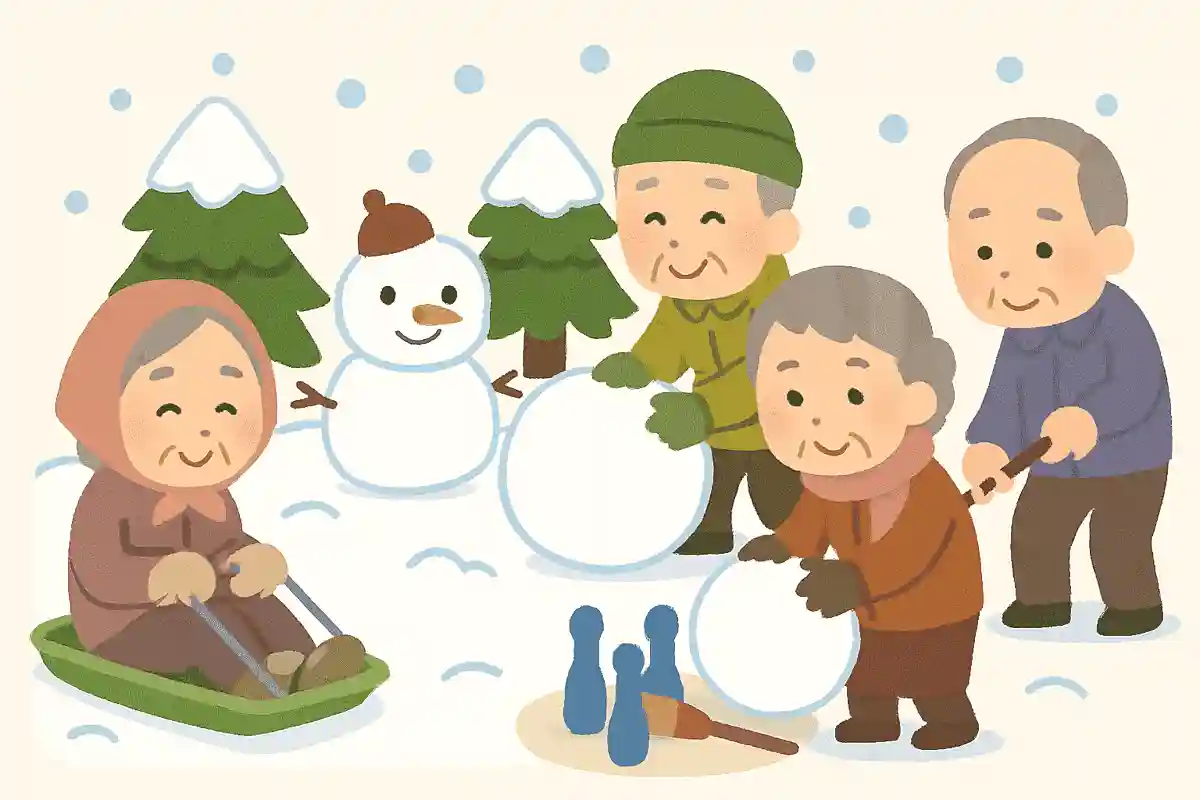
Introduction to recommended fun games and recreational activities for winter
In winter, it gets cold and we tend to go out and move our bodies less. Many older adults may end up spending more time sitting, don’t you think? When physical activity decreases, blood circulation can worsen and the intestinal environment may deteriorate. It also removes opportunities to relieve stress and can lead to a lower quality of life. Even in the cold winter, let’s help people spend time enjoyably with indoor recreational activities. With a bit of creativity, games usually enjoyed outdoors can be done indoors, too. Crafts and cooking themed around the many winter events and holidays are also recommended. Through winter-themed recreation, some people may recall memories of games they played in childhood and feel nostalgic about the past. Related articles:[For Seniors] Fun Winter Activities: Recreation and Games
Winter Recreation (1–10)
Hatsumode outing recreationNEW!

Even if you know that hatsumode—the first shrine visit of the year—is an important New Year’s custom, going out itself becomes harder as we get older, and it can be difficult to make the trip.
I think many older adults would actually like to go, so how about incorporating hatsumode into an outing activity at the start of the year? Just greeting the deities and drawing an omikuji can make people feel they’ve properly welcomed the New Year and bring a sense of relief.
There may be issues like temperature and walking distance, but please consider it so that the new year can be an even more wonderful one.

Winter wind

A seasonal word that evokes the winter wind, which blows through carrying cold, dry air.
One can picture the sharp gusts that sting the cheeks, the sound of branches swaying, and the crystal-clear atmosphere stretching into the distance.
In haiku, combining it with images such as swirling fallen leaves, wind sweeping along sparsely traveled roads, or air so frigid it bites on winter mornings enriches the sense of season even further.
While winter winds suggest harshness, they also set off the clarity of the sky and the quiet scenery of towns.
It is a kigo that lets you savor the pleasure of rendering the season’s air into words as you feel the many expressions of winter’s nature.

winter day

Even in winter, when the cold seeps into your bones day after day, the sun rises and shines every day.
Unlike the blazing summer sun, its rays are gentle and faint.
Such a scene can be beautifully expressed in Japanese with the word “fuyubi,” the winter sun.
Let’s try composing haiku that portray the cold, wintry world using words that also carry warmth.
Though the sunlight is modest, it can inspire haiku that feel hopeful.
For older people as well, adding “winter sun” may infuse their reflections and feelings about the season with a touch of kindness.
It almost feels like it could blow away the harsh chill.
winter solstice
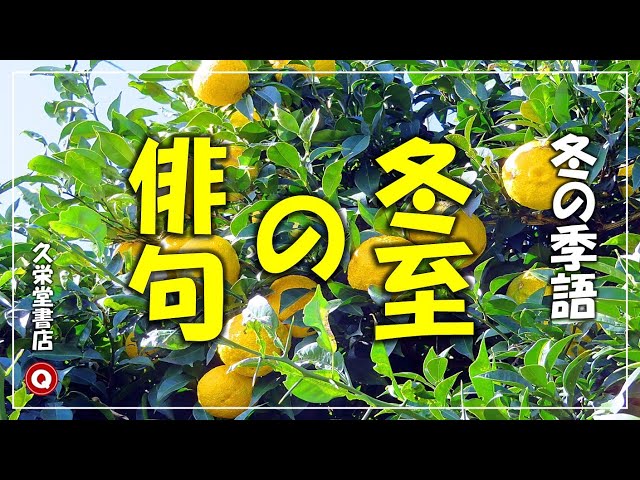
There is a famous haiku by Yosa Buson that goes, “A poor Confucian scholar comes to visit—winter solstice.” Kobayashi Issa also has, “Even Japan’s winter solstice—plums have already bloomed.” The winter solstice, said to have the shortest daylight of the year, tends to evoke an image of gloom or loneliness, but I feel that deliberately composing in a bright, breezy tone might bring one closer to a good haiku.
The customs that broaden the image of the solstice—bathing with yuzu, eating pumpkin dishes—are endearing as well.
All of these are events expressing wishes for health and safety, so it might also be nice to infuse a poem with thoughts for others.
chilled
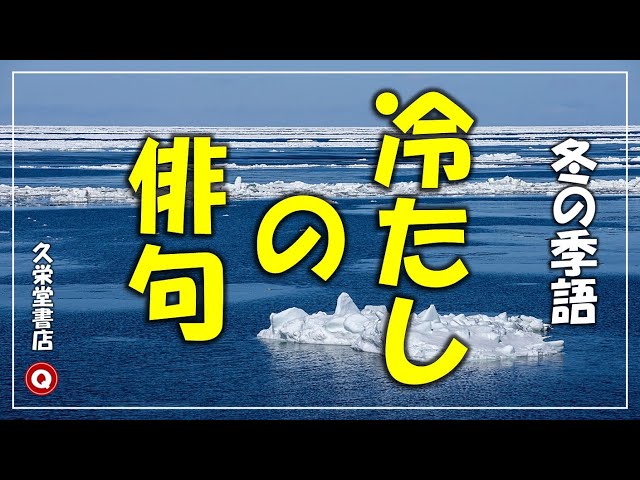
This is a winter kigo that expresses the chilly sensation felt when touching winter air, water, or wind.
By picturing familiar moments—the cold air of morning, the feel of water when washing your hands, the winter wind against your cheeks—the scene of a verse expands.
It conveys not just coldness but also the clarity of the air and the unique stillness of winter.
In haiku, combining sensations of hands and cheeks, the whiteness of one’s breath, and the coldness of winter water can richly evoke the season’s atmosphere.
By capturing the small, casual moments around you, winter scenes emerge more vividly.
Sensing the quiet beauty and crisp air within the cold as you compose can inspire a memorable verse, making this a kigo that sparks poetry.