

[For Seniors] Enjoyable Brain Training! Liven Up with a Local Three-Choice Quiz

How about training your brain while having fun with local trivia quizzes?
Many senior care facilities use quizzes during recreation to help stimulate the brain.
With local trivia unique to each area, seniors may find it enjoyable and engaging.
Many people are familiar with prefectural information, so there’s a good chance they already know some of the answers.
Quizzes about one’s hometown or a place they know are sure to liven things up!
This time, the questions are presented as easy-to-answer multiple choice with three options, suitable for seniors.
Enjoy a delightful time with local trivia quizzes!
- [For Seniors] Liven Things Up! 3-Choice Ranking Quiz
- [For Seniors] Fun Brain Training! Prefecture Quiz
- [For Seniors] 3-Choice Dialect Quiz! A Collection of Fun Dialect Quizzes from Around Japan
- [For Seniors] Fun! Let’s Get Excited with Japan’s Number One Quiz
- [For Seniors] Fun Multiple-Choice Geography Quiz for Everyone (3 Options)
- [General] Surprisingly unknown? Test your geography skills with a three-choice quiz on Japan’s prefectures
- [For Seniors] Find daily brain training. Today’s recommended brain workout.
- [For Seniors] Nostalgic quizzes that bring back memories! Showa-era entertainment and sports questions
- [For Seniors] Laugh-Out-Loud, Crowd-Pleasing! Fun Quiz
- [For Seniors] Lively two-choice trivia quiz. Handy to know and tidbits you'll want to share with others
- [For Seniors] Today’s recommended quiz. Daily brain-training quiz!
- [For Seniors] Surprising Facts! Multiple-Choice Trivia Quiz (4 Options)
- [Brain Training] Lively Word Quiz for Seniors
[For Seniors] Fun Brain Training! Get Excited with a Local 3-Choice Quiz (1–10)
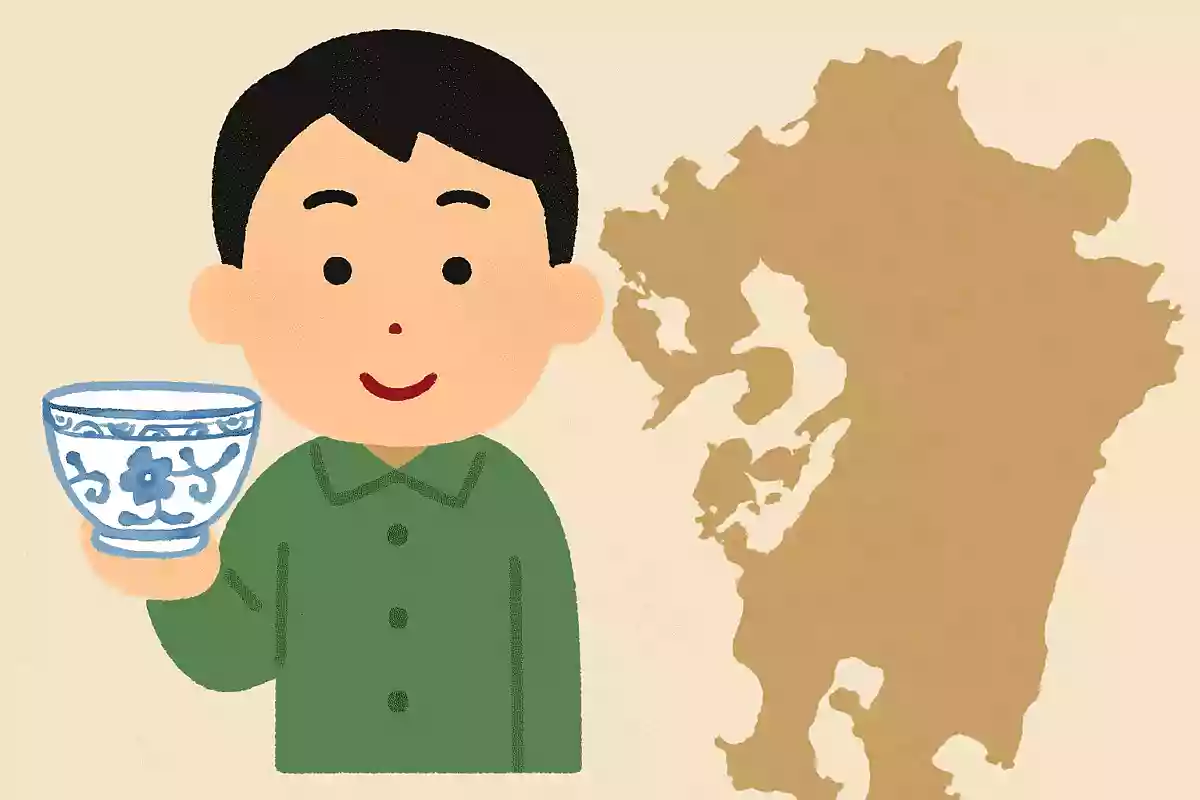
In which prefecture is Arita ware porcelain produced?
- Fukuoka Prefecture
- Saga Prefecture
- Shimane Prefecture
See the answer
Arigayaki
Arita ware is Japan’s first porcelain, produced in and around Arita Town in Saga Prefecture. It is sometimes also called Imari ware, reportedly because it was shipped overseas from the Port of Imari. Today, Arita ware and Imari ware are largely distinguished by the places where they are made. Back then, they were extremely popular worldwide, especially in Europe.

Which prefecture is famous for “Shirokuma,” a heaping shaved ice dessert topped with lots of condensed milk and fruit?

- Okinawa Prefecture
- Miyazaki Prefecture
- Kagoshima Prefecture
See the answer
Kagoshima Prefecture
Shirokuma is shaved ice topped with condensed milk, raisins, and fruit. It’s said to have originated at a long-established restaurant in Kagoshima Prefecture. It was devised and sold in the years shortly after the war. At this restaurant, you can enjoy several varieties of Shirokuma. Nowadays, you can even find Shirokuma sold in cups in the ice cream section of supermarkets.
Which prefecture has Lake Kasumigaura, the second-largest lake in Japan?

- Ibaraki Prefecture
- Gunma Prefecture
- Chiba Prefecture
See the answer
Ibaraki Prefecture
Kasumigaura in Ibaraki Prefecture is a lake that comprises Kasumigaura, Kitaura, and the Hitachitone River. It is the second largest lake in Japan after Lake Biwa, and is characterized by being wide and shallow, with an average depth of about 4 meters. September 1 has been designated Kasumigaura Day every year. In the past, there were periods when the water quality was poor and turbid, and Kasumigaura Day is intended to raise awareness of water quality improvement.
[For Seniors] Fun Brain Training! Let’s Get Excited with a Local 3-Choice Quiz (11–20)
Ginzan Onsen gained sudden fame as the setting for the morning TV drama Oshin. In which prefecture is it located?

- Aomori Prefecture
- Yamagata Prefecture
- Nagano Prefecture
See the answer
Yamagata Prefecture
Ginzan Onsen, with its Taisho-era buildings, has a nostalgic charm. Besides being known from the drama Oshin, it’s also famous as a setting that inspired Studio Ghibli films. The area originally prospered as a silver mine, where hot springs were later discovered. Although the mine was eventually closed, the hot springs remained popular as a therapeutic retreat and were lively even back then.
Which prefecture is home to Imabari City, Japan’s largest towel-producing area?

- Okayama Prefecture
- Kagawa Prefecture
- Ehime Prefecture
See the answer
Ehime Prefecture
Imabari towels are said to be highly regarded for their quality not only in Japan but around the world. They have unique evaluation standards, and the “5-second rule” is one of them: a small piece of towel is placed in water to test whether it begins to sink within five seconds. This test guarantees absorbency, and if a towel doesn’t pass, it cannot be certified as an Imabari towel.
Which prefecture is home to Miho no Matsubara, one of Japan’s three great pine groves?

- Shizuoka Prefecture
- Shimane Prefecture
- Fukui Prefecture
See the answer
Shizuoka Prefecture
Miho no Matsubara is a coastline in Shimizu Ward, Shizuoka City, Shizuoka Prefecture, lined with pine forests. It’s one of Japan’s premier scenic spots where you can admire the sea, the pines, and, in the distance, Mount Fuji. It’s also famous as the setting of the legend of the celestial maiden and the fisherman, the Hagoromo Tale. At Hagoromo no Matsu, the pine where the celestial maiden is said to have hung her feathered robe, you can even take commemorative photos.
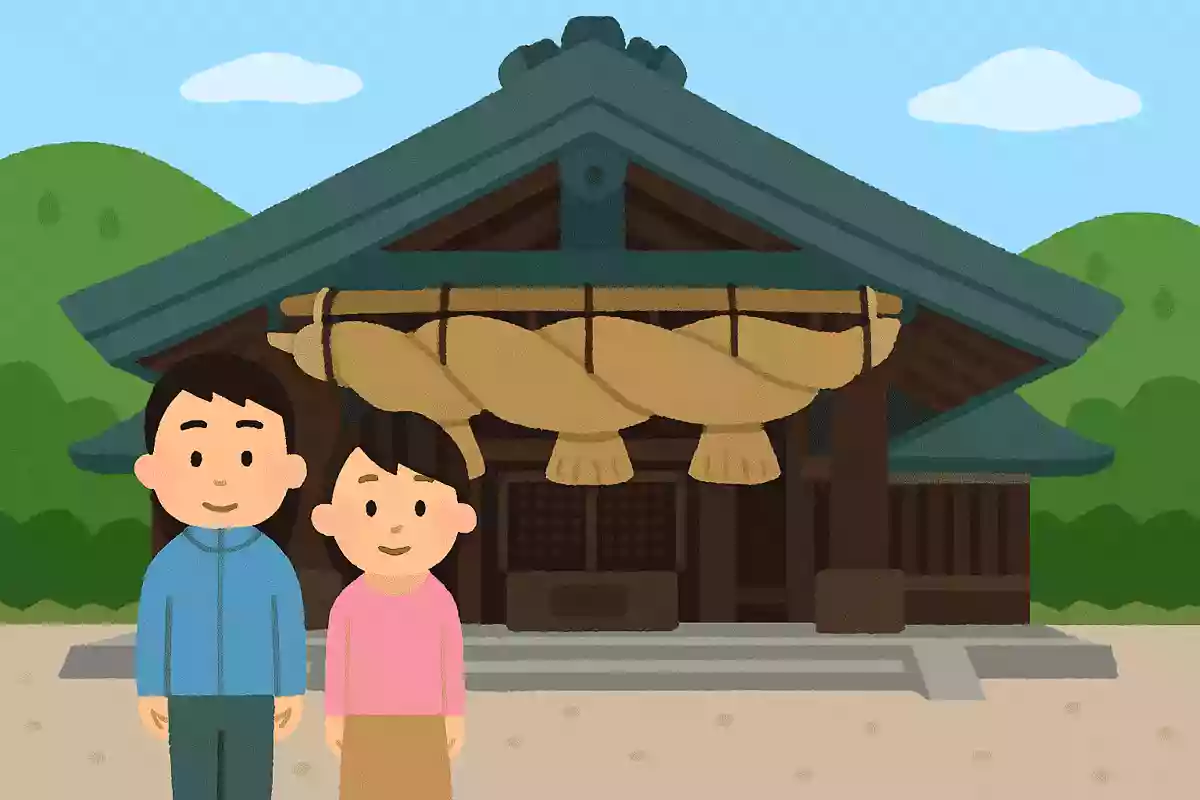
In which prefecture is Izumo Shrine, famous as a deity of matchmaking, located?
- Tottori Prefecture
- Shimane Prefecture
- Yamaguchi Prefecture
See the answer
Shimane Prefecture
Izumo Taisha is a shrine dedicated to Ōkuninushi no Ōkami, a deity who appears frequently in Japanese mythology. It’s commonly called “Izumo Taisha,” but its formal name is “Izumo Ōyashiro.” It’s famous as the place where the gods of Japan gather in the tenth month of the old lunar calendar. While that month is known as Kannazuki (“the month without gods”) elsewhere, in the Izumo region where Izumo Taisha is located, it’s called Kamiarizuki (“the month with gods).