

Fun facts quiz about Prince Naka no Ōe: Trivia about a central figure of the Asuka period (for seniors)

Prince Naka no Ōe was a central figure who shaped politics during the Asuka period and, in his later years, ascended the throne as emperor, making him one of the most important figures in Japanese history.
In this article, we’ll introduce quizzes about the reforms he carried out and fun facts related to him!
We’ve gathered not only topics you might remember from Japanese history classes but also lesser-known details, so please enjoy and give it a try.
If you come across something new this time, take the opportunity to remember it and deepen your knowledge of history.
- [Enjoyable History Quiz] Easy multiple-choice (3 options) quiz that’s accessible for seniors!
- [For Seniors] Hina Matsuri (Girls’ Day) Trivia Quiz & Fun Facts. Recommended for Dementia Prevention Activities
- [For Seniors] Introducing trivia quizzes about Toyotomi Hideyoshi!
- [Nara Prefecture Local Quiz] Introducing a multiple-choice quiz for seniors (three options)!
- For Seniors: Useful Trivia Questions! Introducing Fun Facts Quizzes You'll Want to Share
- [For Seniors] Trivia Quiz & Fun Facts About the Great Buddha of Kamakura: Questions You'll Want to Share
- For Seniors: Local Quizzes of Osaka Prefecture, from Famous Tourist Spots to Food
- How much do you know? Trivia quiz for seniors that’s full of surprisingly unknown facts
- [For Seniors] How many can you get right? Let’s have fun with a nostalgic Ultraman quiz
- [For Seniors] Lively two-choice trivia quiz. Handy to know and tidbits you'll want to share with others
- [For Seniors] Trivia Multiple-Choice Quiz
- [For Seniors] Super Amazing Trivia Quiz! Introducing Practical Tips for Everyday Life
- [For Seniors] Trivia Quiz & Fun Facts for Everyday Life
Trivia Quiz on Prince Naka no Ōe: Fun Facts about a Central Figure of the Asuka Period [For Seniors] (1–10)
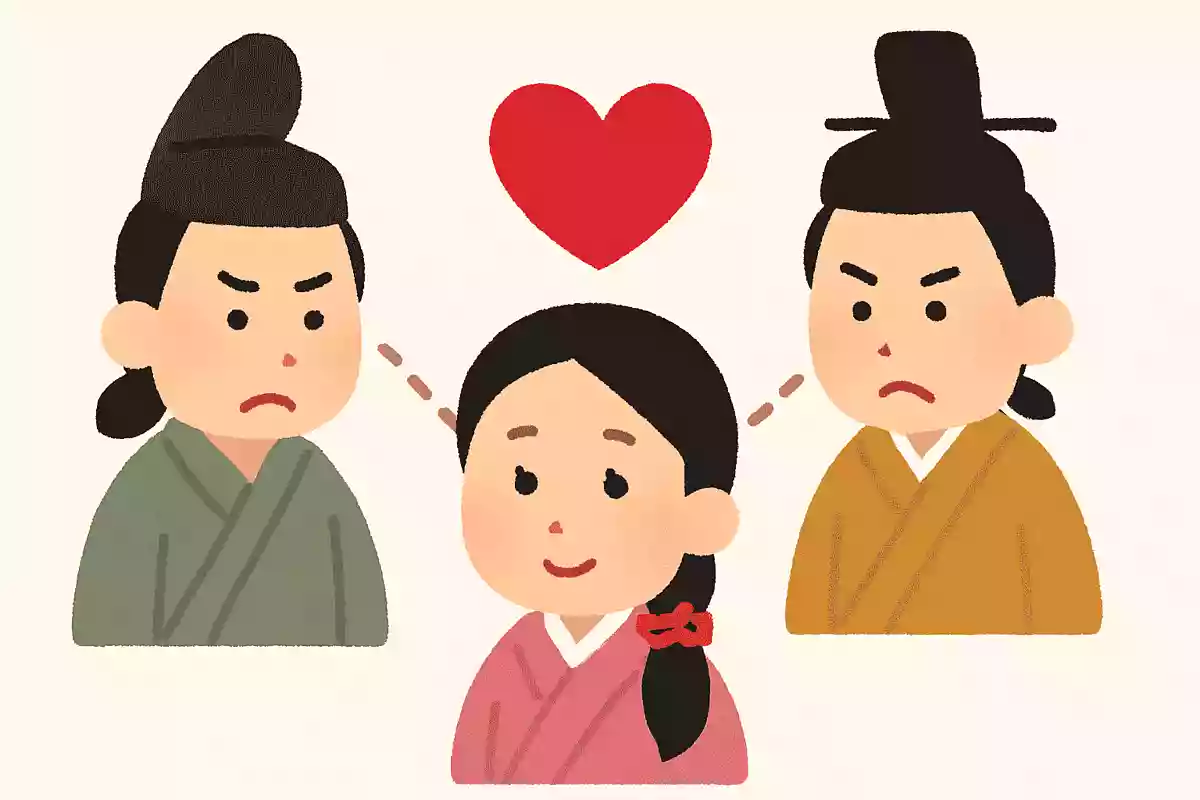
What does the so-called oldest love triangle in Japan refer to—namely, which person were Prince Naka no Ōe and Prince Ōama competing over?
- Empress Jitō
- Empress Saimei
- Prince Nukata
See the answer
Prince Nukata
What is said to be Japan’s oldest love triangle involves Prince Naka no Ōe, Prince Ōama, and Lady Nukata. Lady Nukata was originally Prince Ōama’s wife, but later became a consort of Prince Naka no Ōe. Since Prince Naka no Ōe and Prince Ōama were brothers, it’s a situation straight out of a daytime soap opera.

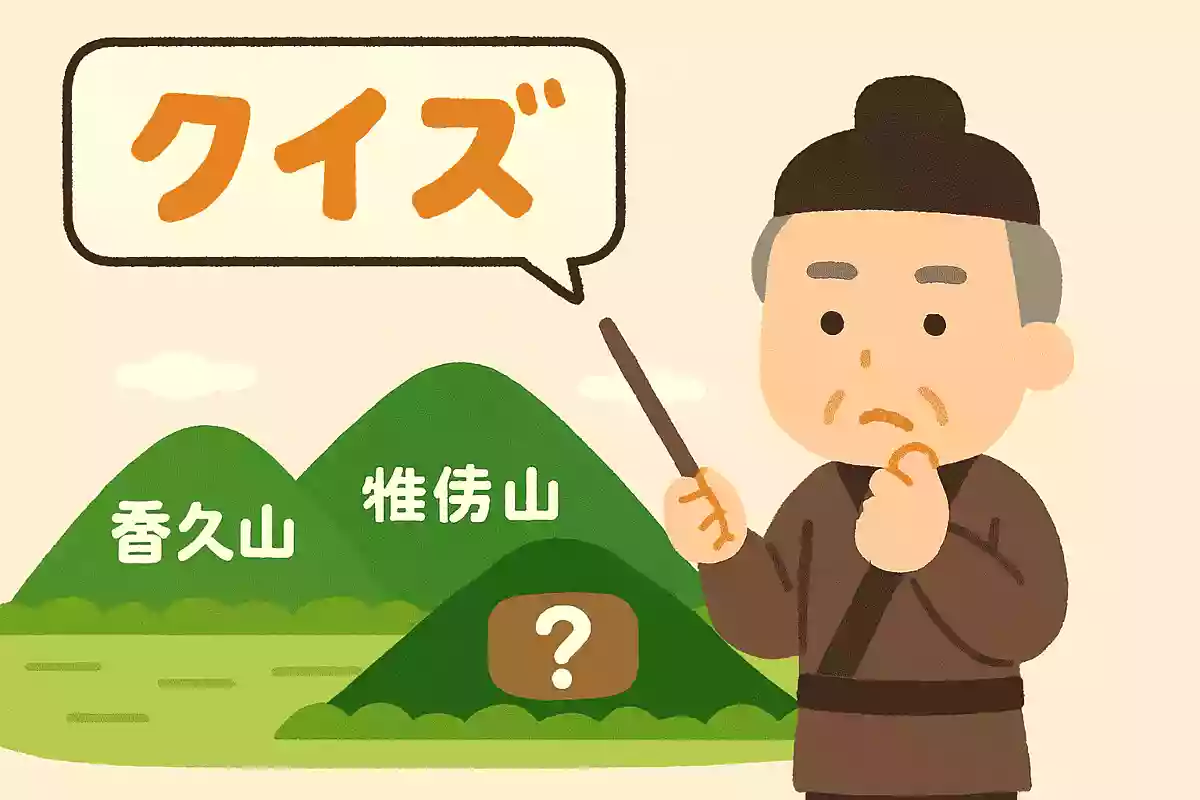
In the poem by Prince Naka no Ōe included in the Manyōshū, the Three Mountains of Yamato are Mount Kagu, Mount Unebi, and what is the third? The answer is Mount Miminashi.
- Mount Miminashi
- Mount Miwa
- Mount Yoshino
See the answer
Mount Miminashi
The Three Mountains of Yamato refers to the three peaks of Kagu, Unebi, and Miminashi, which together form an iconic landscape of the Nara Basin. Drawing on the legend of the Three Mountains, a poem likening a love triangle between a man and a woman to these mountains was composed and included in the Manyoshu.
What is the reform that Prince Naka-no-Ōe carried out together with Nakatomi no Kamatari?
- Taika Reform
- Transfer of the capital to Heian (Heian-kyō)
- Ōnin War
See the answer
Taika Reform
The Taika Reform was a political reform carried out in Japan in 645. Through this reform, centralization advanced and the ritsuryō system was established. It is known to have been led by Prince Naka no Ōe and Nakatomi no Kamatari. Although Prince Naka no Ōe held real political power from around this time, he had not yet ascended the throne as emperor.
Trivia Quiz on Prince Naka no Ōe: Fun Facts about a Central Figure of the Asuka Period [For Seniors] (11–20)
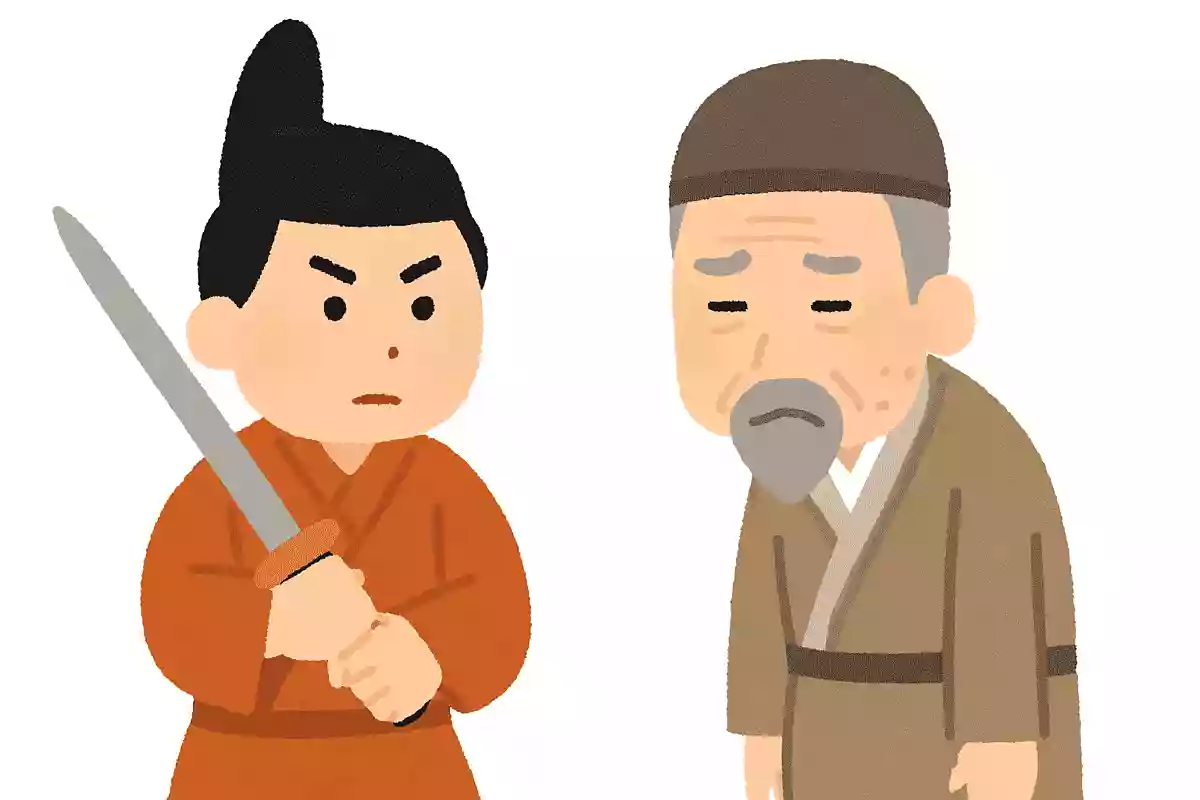
In the Isshi Incident, whom did Prince Naka no Ōe assassinate?
- Soga no Kurayamada Ishikawa no Maro
- Soga no Emishi
- Soga no Iruka
See the answer
Soga no Iruka
The Isshi Incident was an event in 645 in which Prince Naka no Ōe and Nakatomi no Kamatari assassinated Soga no Iruka, who then held power. Triggered by this event, the Taika Reforms began, laying the foundation for a centralized ritsuryō system. Soga no Emishi, listed among the options, was Iruka’s father; as a result of the incident, Emishi set fire to his residence and took his own life.
Who was the younger brother of Prince Naka no Ōe who later won the Jinshin War?
- Prince Ōtomo
- Prince Ōtsu
- Prince Ōama
See the answer
Prince Ōama
Prince Ōama, the younger brother of Prince Naka no Ōe, ascended the throne as Emperor Tenmu after achieving victory in the Jinshin War. After his enthronement, he moved the capital back to Asuka and built the Asuka Kiyomihara Palace.
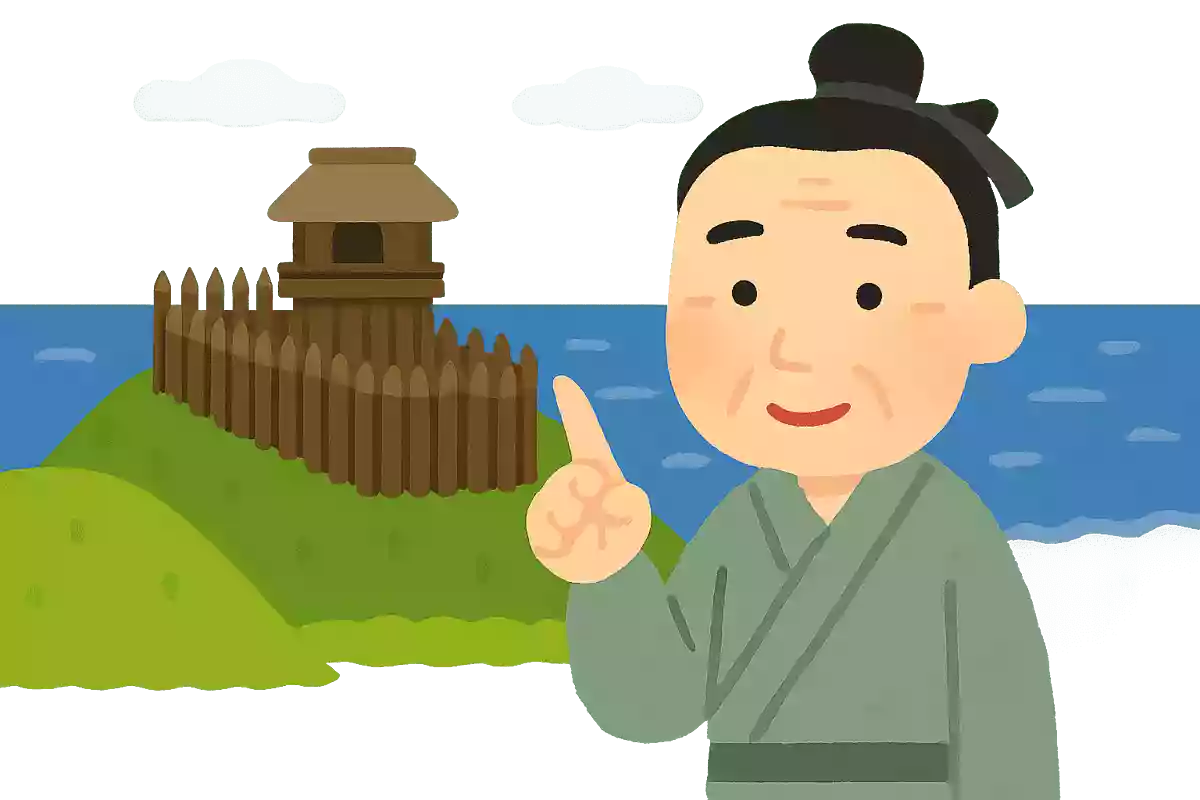
What did Prince Naka no Ōe establish in Kyushu to defend against invasions from the Tang and Silla?
- frontier guard; border sentinel (ancient Japanese soldier stationed to defend the border)
- checkpoint
- fortress
See the answer
frontier guard; border sentinel (ancient Japanese soldier stationed to defend the border)
After being defeated by Tang and Silla in the Battle of Baekgang, Japan stationed frontier guards (sakimori) in Kyushu to prevent the Tang–Silla allied forces from invading. These sakimori were gathered in Kyushu as soldiers from various provinces and were tasked with defense. Because their terms of service were long and the burden heavy, the sakimori left songs expressing their feelings, which are preserved in the Manyoshu as the Sakimori Songs.
What is the oldest family registry in Japan, established by Prince Naka no Ōe?
- Register/record of the Year of Gengyin (Tiger)
- Formulary of Adjudications
- The Kōgo census register
See the answer
The Kōgo census register
The Kōgo population register is Japan’s oldest household registry, organized in 670 by Prince Naka no Ōe to strengthen state governance. The Kōin population register was compiled in 690 by Empress Jitō. Incidentally, neither the Kōgo nor the Kōin registers survive today.