

![[For Seniors] Local Quiz of Okayama Prefecture: Rediscover the Region’s Charms](https://media.ragnet.co.jp/img/1200__png__https://www.studiorag.com/files/2025/09/01fe68bda782ab58e8ae08cbaf7ea29a.webp)

How about rediscovering the charms of Okayama while having fun with a local trivia quiz? From Okayama Castle with its distinctive black walls, to Korakuen—one of Japan’s three great gardens—and the richly expressive Bizen ware, the area is full of proud history and culture.
The warm local dialect, with phrases like “Mongee” and “Oidensee,” is another part of its appeal.
Enjoy time together with seniors as you share the wonders of Okayama through quizzes, reflecting on the deep-rooted Momotaro legend and the origins of the three famous hot springs of Mimasaka.
- [Hyogo Prefecture Local Quiz] Introducing questions for seniors!
- For Seniors: Shiga Prefecture Local Quiz – Learn About Famous Tourist Spots and Regional Cuisine
- [For Seniors] Hiroshima Prefecture Local Quiz: A collection of questions packed with regional charm, from tourist attractions to famous local foods.
- [For Seniors] Brain Training with Ehime Prefecture Local Quizzes! Enjoy Rediscovering the Region’s Charms
- For Seniors: Local Quizzes of Osaka Prefecture, from Famous Tourist Spots to Food
- [For Seniors] Introducing Local Quizzes from Mie Prefecture!
- [Local Quiz for Seniors] A Collection of Quizzes Showcasing the Charms of Aomori Prefecture
- [Gifu Prefecture] Local Quiz! For Seniors
- Let's Discover the Charm of Kansai Dialect! A Kansai Dialect Quiz for Seniors
- [Local Quiz from Fukuoka Prefecture] Introduced for seniors!
- [For Seniors] Enjoyable Brain Training! Liven Up with a Local Three-Choice Quiz
- [Kyoto Prefecture Local Quiz] Introducing recommended questions for seniors!
- [Local Quiz for Seniors] Rediscover the Charms of Nagano! Introducing Famous Tourist Spots and Delicious Local Specialties
[For Seniors] Local Quiz of Okayama Prefecture: Rediscovering Regional Charms (1–10)
Okayama Prefecture has a distinctive climate, and because of that it has a certain catchphrase. Which of the following is it?
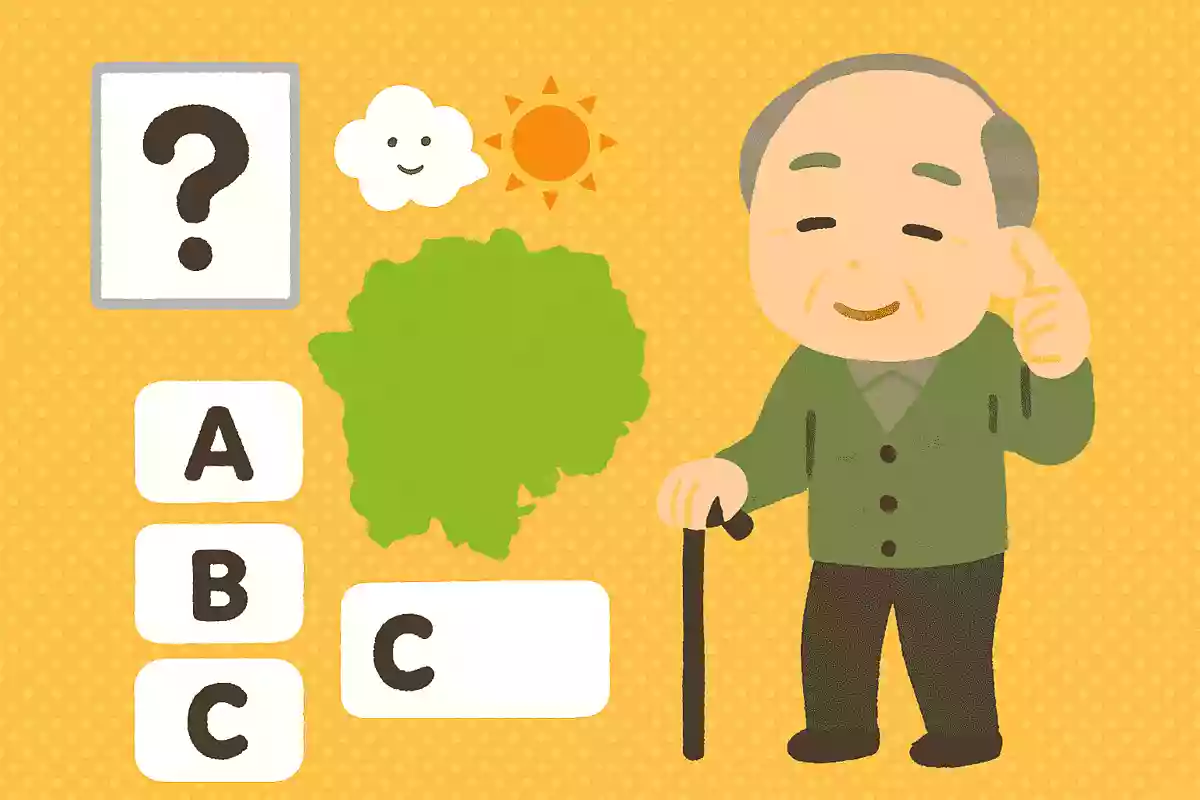
- Hawaii of Japan
- Sunny Country
- Village of a Thousand Cherry Trees
See the answer
Sunny Country
Okayama Prefecture is known as the "Land of Sunshine." The name is said to come from its stable weather and many sunny days, thanks to its location embraced by the Seto Inland Sea and the Chugoku Mountains. Taking advantage of the mild climate, agricultural crops grow well, among other characteristics.

In the Okayama dialect, “oidensee” means “please come” or “come on over,” a polite invitation to come (to a place/event).
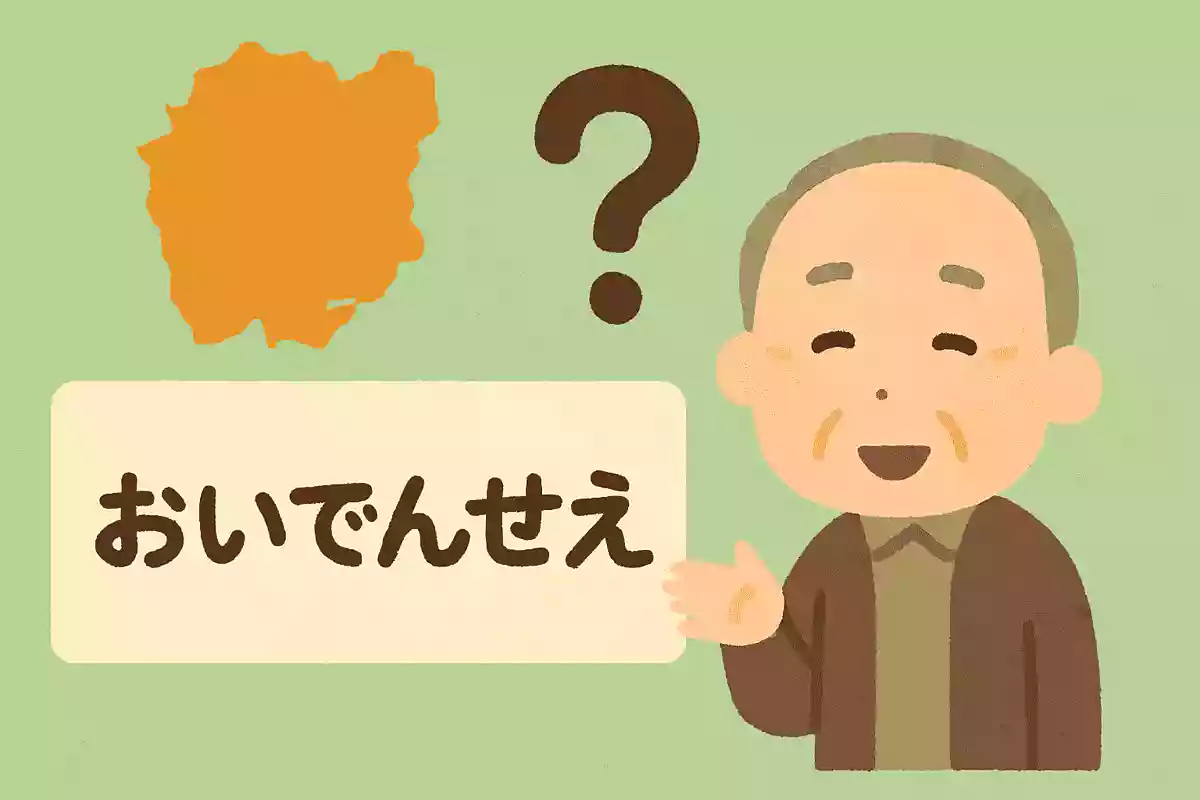
- Please be careful.
- Welcome.
- Goodbye
See the answer
Welcome.
“Oidensee” is a dialect used in Okayama Prefecture and the broader Chugoku region that means “Welcome.” It’s used in shops and homes to warmly greet visitors. You’ll often see it on signs and guides in tourist areas, reflecting the locals’ spirit of hospitality. When you visit Okayama, spotting the phrase “Oidensee” can be one of the fun little things to look out for on your trip.
In the Okayama dialect, what does “mongee” mean?

- Amazing
- I'm tired.
- fun
See the answer
Amazing
“Mongee” is a dialect term primarily used in Okayama Prefecture that carries an emphatic meaning like “very,” “really,” or “amazing.” It’s used broadly—in moments of surprise or when giving praise—and is an indispensable word in the everyday conversations of people in Okayama. In recent years, thanks to works that feature the Okayama dialect, the term has become known nationwide and has been growing in popularity across Japan. Knowing this word can also be a great way to deepen communication with people from Okayama.
Which of the following is the oldest historic building in Kurashiki Bikan Historical Quarter, a representative tourist destination of Okayama Prefecture?
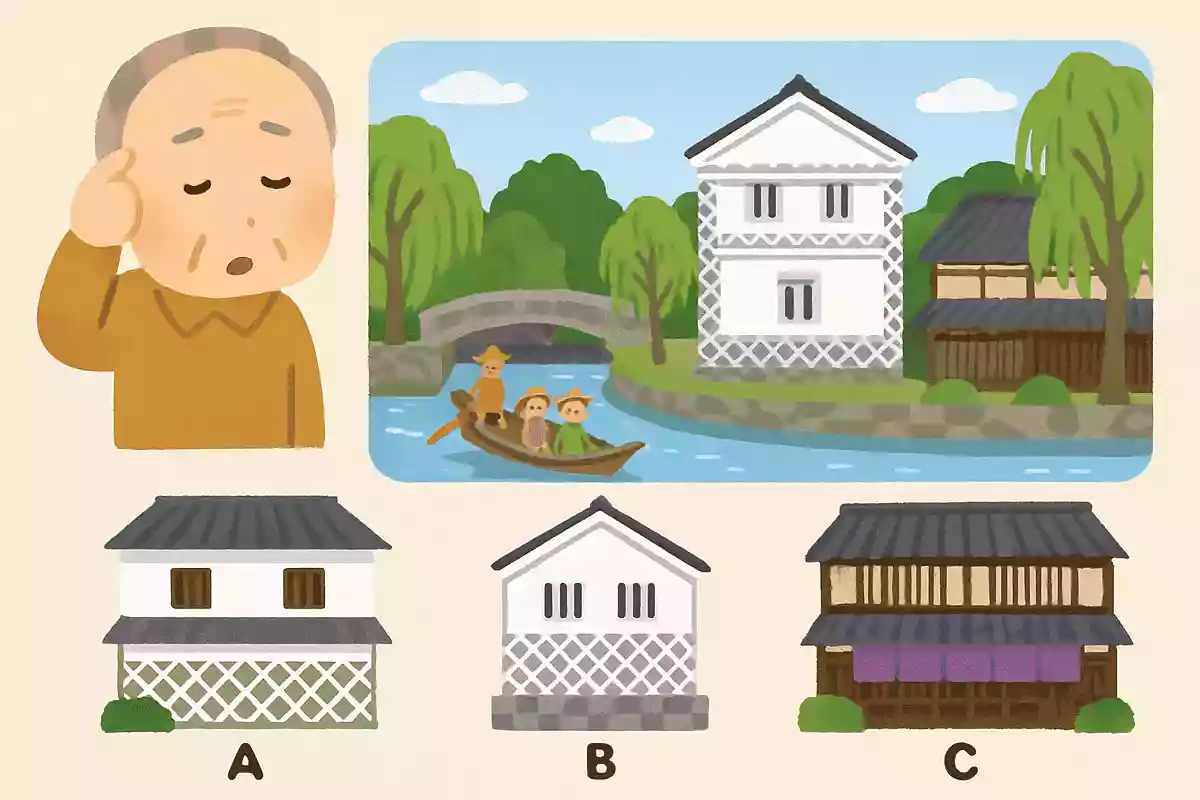
- Ohara Museum of Art
- Kurashiki Folk Craft Museum
- Inoue Family Residence
See the answer
Inoue Family Residence
The Inoue Residence is the oldest building in the Bikan Historical Quarter, preserving an early Edo-period architectural style. Originally a merchant house that operated a rice wholesale business, it is believed to have been built during the Genroku era (late 17th to early 18th century). With a history older than other buildings, it is a valuable cultural asset for understanding the roots of Kurashiki’s machiya townhouses. When you visit the Bikan area, pay attention to the differences in its exterior and interior as well.
What is the name of the festival that is held in Okayama Prefecture every summer and autumn?
- Okayama Momotaro Festival
- Nebuta Festival
- Yosakoi Festival
See the answer
Uraja Festival
The correct answer is the Okayama Momotaro Festival, also known as the Uraja Festival. This is a citizen-participation festival held in Okayama City every year in August in the summer and November in the fall. It features ogre-themed costumes inspired by the Ura Legend, as well as powerful dances and taiko drum performances. Not only local residents but also many tourists attend, making it a place for community interaction and intergenerational exchange. It is easy for older adults to participate and is an important event that passes down local traditions and culture to future generations.
What is another name for Okayama Castle?
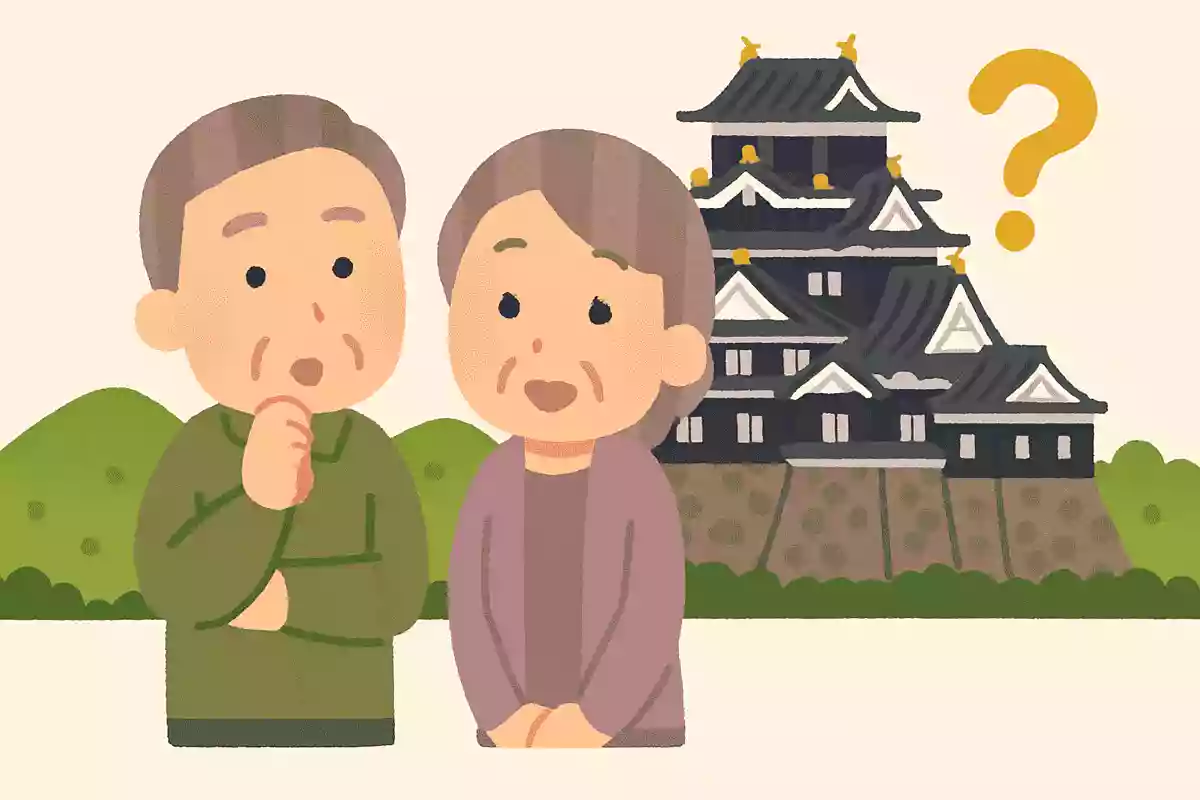
- Ujō (Crow Castle)
- Himeji Castle (Shirasagi-jō)
- Tsurujō (Tsurujou)
See the answer
Kinu Castle
Okayama Castle is known as "U-jō" (Crow Castle) or "Kin-u-jō" (Golden Crow Castle) because its outer walls are coated in black lacquer. This dark exterior is unusual among castles and is often contrasted with the white "Shirasagi-jō" (White Heron Castle) of Himeji. Built in the Momoyama period by Ukita Hideie, it is a historic castle that still attracts many visitors today.
Which of the following is a famous folktale associated with Okayama Prefecture?
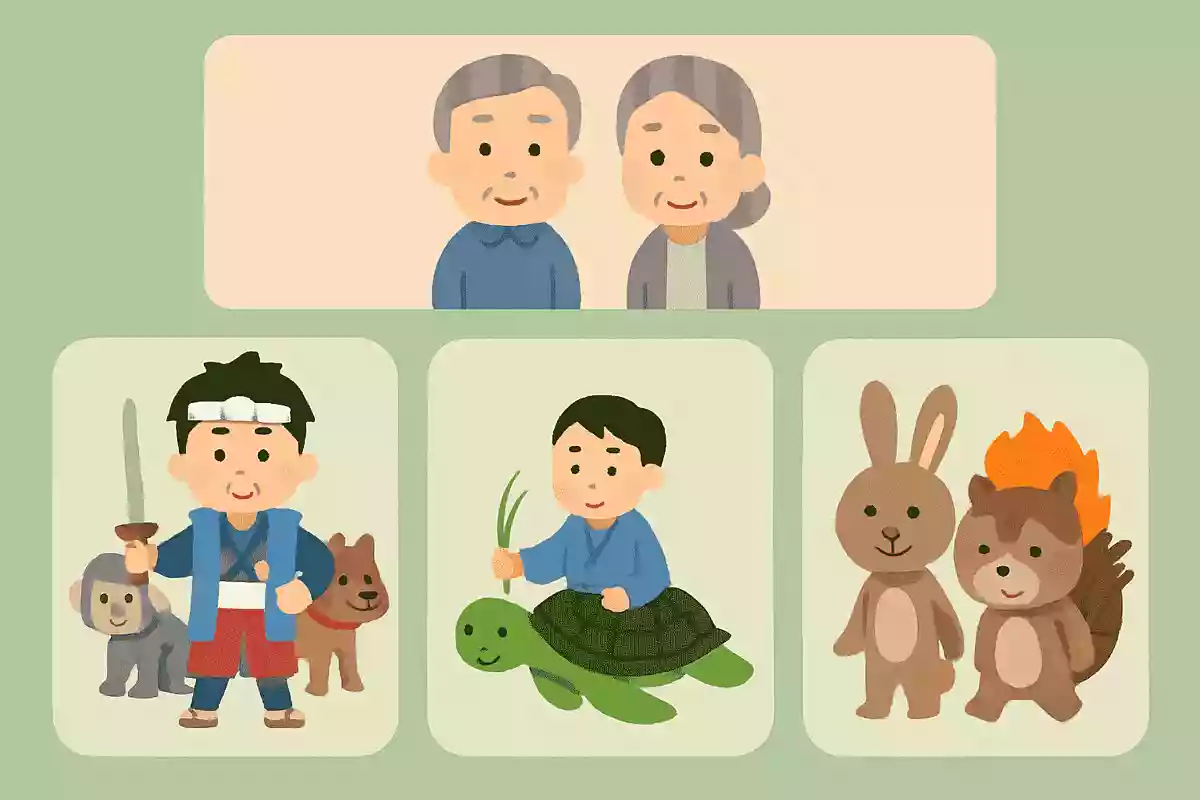
- Momotaro
- Issun-bōshi (The One-Inch Boy)
- Urashima Taro
See the answer
Momotaro
Momotaro is a folktale about a boy born from a peach who defeats ogres, and it is said to have originated in Okayama Prefecture. The mythology considered to be its roots has been passed down at Kibitsu Shrine in Okayama City. For this reason, many souvenirs and monuments related to Momotaro can be found throughout Okayama.