

[For Seniors] Long-tailed Tit Trivia Quiz & Fun Facts: Learn Their Habits and Traits to Deepen Your Knowledge


The long-tailed tit known as the “snow fairy” for its white, fluffy appearance.
Behind its adorable looks lie the wisdom that helps it survive Hokkaido’s harsh winters and little-known secrets of its ecology.
Through fun trivia quizzes and tidbits about the long-tailed tit, enjoy discoveries that will make you say “Wow!”, such as the clever adaptations hidden in its tiny body and the ways it cooperates with other birds.
As you take on the quiz, spend a heartwarming moment learning more about this charming bird that lives only in Hokkaido.
- How much do you know? Trivia quiz for seniors that’s full of surprisingly unknown facts
- [For Seniors] Sports Trivia Quiz & Fun Facts. Easy and Entertaining
- [For Seniors] January Trivia Quiz & Fun Facts. Brain training with quizzes about New Year and winter.
- [For Seniors] Discover Hokkaido’s Charms! Local Trivia Quiz
- Trivia you think you know but surprisingly don’t? August trivia and fun facts quiz!
- [For Seniors] Introducing Trivia Quizzes and Fun Facts About December
- [For Seniors] Enjoy Brain Training with September Trivia Quizzes & Fun Facts
- For Seniors: Lively! Trivia and Fun Facts Quiz for August
- [For Seniors] Trivia Quiz and Fun Facts About Turtles – Complete Collection
- [For Seniors] Trivia Quiz & Fun Facts for June
- [For Seniors] Brain-training with winter-themed quizzes. Great for activities, killing time, and dementia prevention.
- [For Seniors] Spring-themed quizzes: Fun trivia questions that help prevent dementia while you solve them
- [For Seniors] Trivia Quiz & Fun Facts for Everyday Life
[For Seniors] Long-tailed Tit Trivia Quiz & Fun Facts: Deepen Your Knowledge of Their Habits and Features (11–20)
Is the long-tailed tit (shima-enaga) a migratory bird?
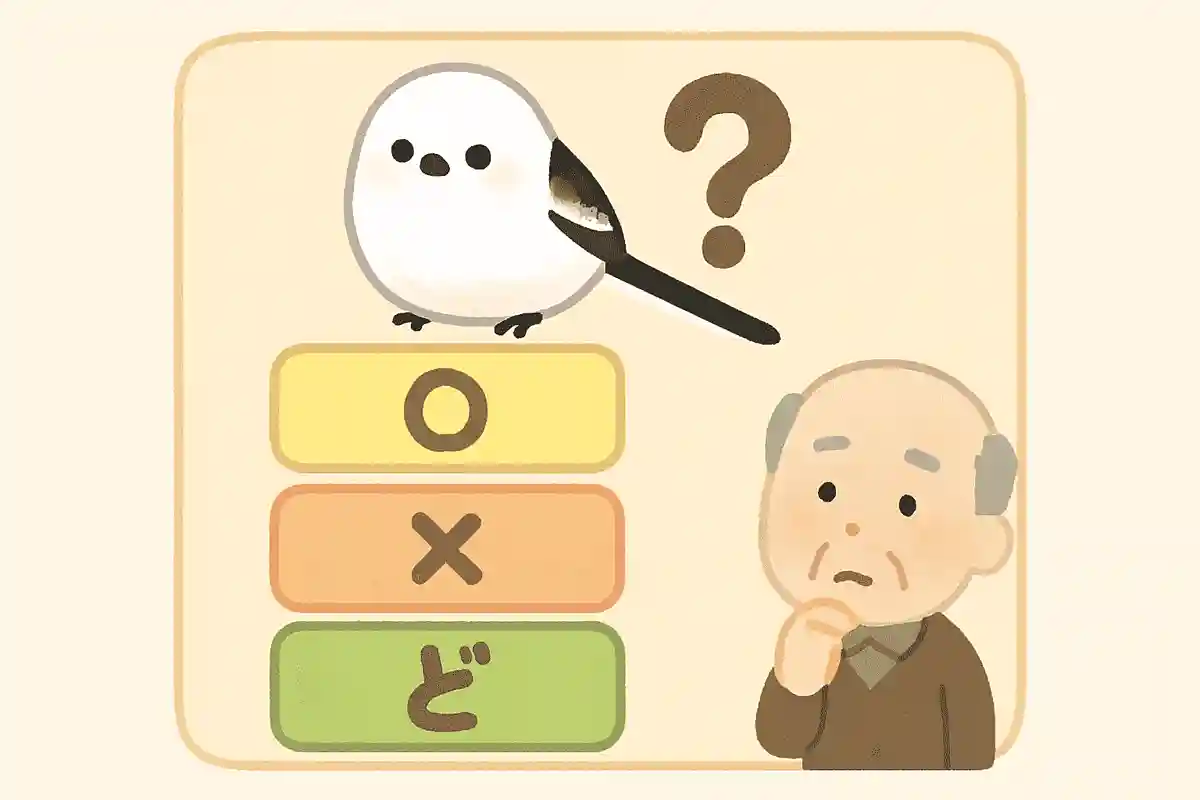
- It is a migratory bird.
- It is a resident bird, not a migratory one.
- It varies by individual.
See the answer
It is a resident bird, not a migratory one.
The long-tailed tit is a type of resident bird that lives in the same region—Hokkaido—throughout the year. Even during the cold winter, it remains in Hokkaido and is active in the snow. Unlike migratory birds, it does not travel to distant places and lives in the same area year-round, so it is rarely seen in other parts of Japan. Thanks to this habit, people can enjoy its adorable appearance throughout Hokkaido’s four seasons.

Can a long-tailed tit be kept as a pet: true or false?

- ○
- ×
See the answer
×
The long-tailed tit, known for its very cute appearance and popularity, is not permitted to be kept as a pet due to wildlife protection. Moreover, since it is mainly seen in the wild during the winter, it is known as a bird that is rather difficult to spot.

What strategies do long-tailed tits use to cope with the winter cold?

- To trap air in the feathers
- hibernate
- cross to the south
See the answer
To trap air in the feathers
To survive the winter cold, long-tailed tits fluff up their feathers to trap air for insulation. Air is an excellent insulator, and the air held within their feathers prevents body heat from escaping and protects them from the cold outside air.
What kinds of strategies do they use to protect themselves from predators while moving?

- fly at high speed
- Move at night
- mix with flocks of other kinds of birds
See the answer
mix with flocks of other kinds of birds
Long-tailed tits sometimes mingle with flocks of other bird species such as Japanese white-eyes and willow tits. This is called a mixed-species flock and is thought to help protect them from predators. It is also said that long-tailed tits often fly at the front of these mixed flocks.
Where do long-tailed tits (shima-enaga) live?

- Hokkaido
- All of Japan
- Northern Europe
See the answer
Hokkaido
The long-tailed tit subspecies known as the Shima-enaga lives only in Hokkaido and is not found in other regions. However, its relative, the long-tailed tit (Aegithalos caudatus), has a wide range from Europe to Asia and can, of course, be seen in Japan as well.
Shima-enaga is also known as the “snow ____,” but what word goes in the blank?

- fairy
- Flower
- angel
See the answer
fairy
The long-tailed tit has gained popularity for its cute appearance—its white, fluffy plumage and round silhouette, along with a short, tiny beak and bright, beady eyes. Because of this, it’s affectionately known as the “snow fairy.”
[For Seniors] Shima-enaga Trivia Quiz & Fun Facts: Learn About Their Habits and Features to Deepen Your Knowledge (21–30)
What is the origin of the name “enaga”?

- small body
- long tail
- Energetic movements
See the answer
long tail
The name “Enaga” (Long-tailed Tit) comes from the bird’s characteristically long tail. Because its tail is so long that it makes up about half of its body length, it was named after a “long-handled ladle” (enaga). Incidentally, the Enaga skillfully moves along tree branches, using its long tail for balance.