

[Seated] Fun Health Exercises for Older Adults and Seniors
More and more people are finding their bodies tire easily and feel they’re spending longer periods sitting in a chair.
Some of you may be wondering, “Is there any training I can do while seated?” In this article, we introduce enjoyable health exercises you can do while sitting! We’ve compiled easy activities for everyday life, including strength training you can do from a seated position and brain-training exercises.
Be sure to try incorporating them as recreational activities in nursing care facilities as well!
- [For Seniors] Fun Exercises You Can Do While Seated
- For seniors: Enjoyable exercises done while seated, accessible for wheelchair users.
- [For Seniors] Enjoyable and Healthy Chair Stretches!
- [For Seniors] Easy and Fun Core Training
- [Today's Recommendation] Gentle Health Exercises for Seniors
- [For Seniors] Fun Recreational Activities Without Equipment
- Hand games that liven things up for seniors—also great brain training
- Cognicise you can do while seated. Simple dementia prevention.
- [For Seniors] Enjoyable While Seated! Ball Exercises and Recreation
- [For Seniors] Recommended Easy Strength Training
- [Brain Training for Seniors] Recommended Hand-Play Recreation for Dementia Prevention
- Recommended Indoor Exercises for Seniors
- For seniors: Leg-strengthening exercises you can do without overexertion.
[Seated] Fun Health Exercises for Older Adults and Seniors (11–20)
Seated Stick ExercisesNEW!

This is a stick exercise designed by an occupational therapist.
It’s done while seated in a chair.
Hold both ends of the stick, extend your arms forward, and swing your arms left and right.
Raise your arms overhead and move your body side to side.
There are many other movements too—some build strength, others stretch your lower back and spine—there’s a variety.
It can help relieve shoulder stiffness, activate the brain, and improve explosiveness, among other benefits, so please give it a try if you like.
If you can’t do everything, it’s fine to proceed within your own limits.

Finger exercisesNEW!

Here’s a gentle “finger exercise” routine to help ease finger pain and stiffness and improve hand strength.
First, keep your elbows tucked to your sides with your palms facing up, and slowly rotate your forearms inward.
Be careful not to let your elbows flare out, as that puts extra strain on your shoulders.
Next, spread your hands from the inside outward, then, with your palms open, bend and straighten only your fingertips to thoroughly loosen the finger muscles and joints.
This helps train the small hand muscles you don’t usually notice and supports your grip strength and fingertip control.
You’ll also feel more stability when using chopsticks or a pen.
Try adding this to your routine to make everyday life more comfortable.

Finger-focused trainingNEW!
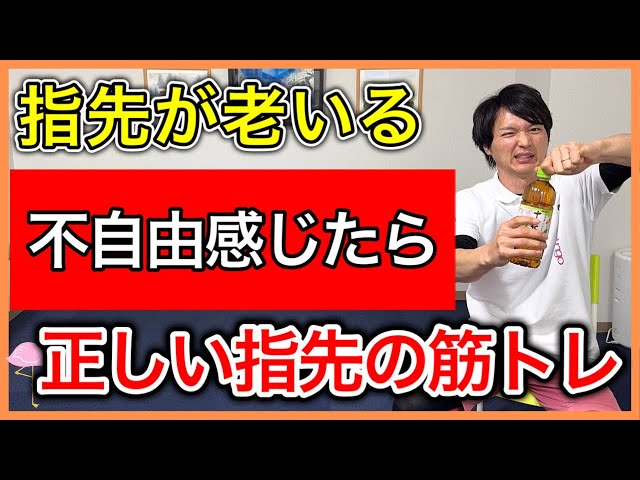
First, open and close your hands into a fist and an open hand (rock and paper) 10 times.
Next, alternate which hand makes a fist and which hand is open, switching left and right in turn.
Once you get used to it, add scissors and try it as well.
Next, press your palms together firmly.
At this time, focus the pressure more on the pads of your fingers than on the wrist side.
Next, repeat rock, scissors, and paper in order, making the same shape with both hands at the same time.
Next, to train your little fingers, from a fist position, extend only your little finger, or touch just your thumb and little finger together.
There are also other movements, such as opening and closing your fingers, and from a fist position opening and closing only your thumb, so be sure to give them a try!

Simple exercises to make standing up easierNEW!

When standing up from a chair, lifting your hips is essential.
But that’s the moment that puts the most strain on your legs and lower back.
So let’s use this exercise to train yourself to raise your hips more easily.
First, clasp your hands and extend your arms in front of your body.
Then take both feet slightly back, and as you extend your arms diagonally upward, lift your hips off the seat.
Repeat this movement, and when you’re done, actually stand up.
The key is to tilt your pelvis upright and keep your back straight so it doesn’t round.
Inner thigh exercises needed for standing upNEW!

When you learn to properly engage your inner thigh muscles, everyday movements become smoother and your whole body feels more stable.
First, sit on a chair with your back straight and consciously bring your knees together.
While sensing the inside of your thighs, slowly repeat the motion of opening and closing your knees to activate the inner thigh muscles.
Do about 10 repetitions.
As you continue, the supporting strength of your legs will increase, making it easier to build the power used when standing up.
Since this helps daily movements become smoother and contributes to overall stability, try incorporating it gradually at your own pace.
Exercises to improve standing up movementsNEW!

This exercise focuses on becoming aware of which parts of your body move when you stand up, and gradually improving each movement.
Start by improving ankle mobility: while seated in a chair, alternately lift your toes and heels to engage the area from your ankles to your calves.
As you thoroughly loosen your ankles and increase the range of motion of your toes and heels, your movements when standing up will also become larger and safer.
It’s important to amplify each movement, and when doing the exercises, use a chair for support to help maintain balance.

[Seated] Fun Health Exercises for Older Adults and Seniors (21–30)
Exercises to relieve shoulder, back, and knee painNEW!

Many older adults may suffer from painful shoulders, lower backs, and knees.
By continuing this exercise routine, you can ease that pain.
For the shoulder exercises, let your arms hang loosely and rotate your hands from side to side, and also roll your shoulders themselves.
For the lower back, gently rub your waist to relax the muscles, then place your hands on both sides of your navel and, while exhaling, say “ha, ha, ha.” Strengthening the muscles around your abdomen will help you support your lower back more firmly.
For the knees, massage them first and then work on building strength.