

![[For Seniors] Trivia Quiz & Fun Facts about Stars. Brain Training](https://media.ragnet.co.jp/img/1200__png__https://www.studiorag.com/files/2025/04/0d3d4a6a9a4a2a693e22c372a29848ab.webp)

Trivia quizzes and fun facts are a wonderful, enjoyable way to activate the brain.
As we grow older, we often look for a bit of stimulation in our daily lives, and topics about stars and the universe can enrich the mind and energize the brain.
This content lets older adults train their brains comfortably while having fun, naturally stimulating memory and thinking skills.
Plus, taking on the challenge with family and friends sparks conversation and makes for enjoyable moments together.
Learn about the mysteries of the stars and the universe while engaging in healthy brain training, and use it to help you live a more fulfilling everyday life!
- [For Seniors] Introducing Trivia Quizzes & Fun Facts About Space!
- [For Seniors] Trivia Quiz & Fun Facts for Everyday Life
- [For Seniors] Trivia Quiz & Fun Facts About the Weather
- [For Seniors] Sports Trivia Quiz & Fun Facts. Easy and Entertaining
- [For Seniors] Let’s have fun with October trivia and fun facts quizzes!
- [For Seniors] Enjoy Brain Training with September Trivia Quizzes & Fun Facts
- How much do you know? Trivia quiz for seniors that’s full of surprisingly unknown facts
- [For Seniors] Enjoyable Brain Training! Trivia Quiz & Fun Facts about Venus
- [For Seniors] Enjoy Learning the Wonders of Mars! Trivia Quiz & Fun Facts to Exercise Your Brain
- [For Seniors] Boost Your Knowledge! Fun Trivia Quiz
- For Seniors: Useful Trivia Questions! Introducing Fun Facts Quizzes You'll Want to Share
- [For Seniors] Perfect Brain Training! Fun Trivia
- [For Seniors] Trivia Quiz & Fun Facts About Earth
[For Seniors] Trivia Quiz & Fun Facts About Stars: Brain Training (1–10)
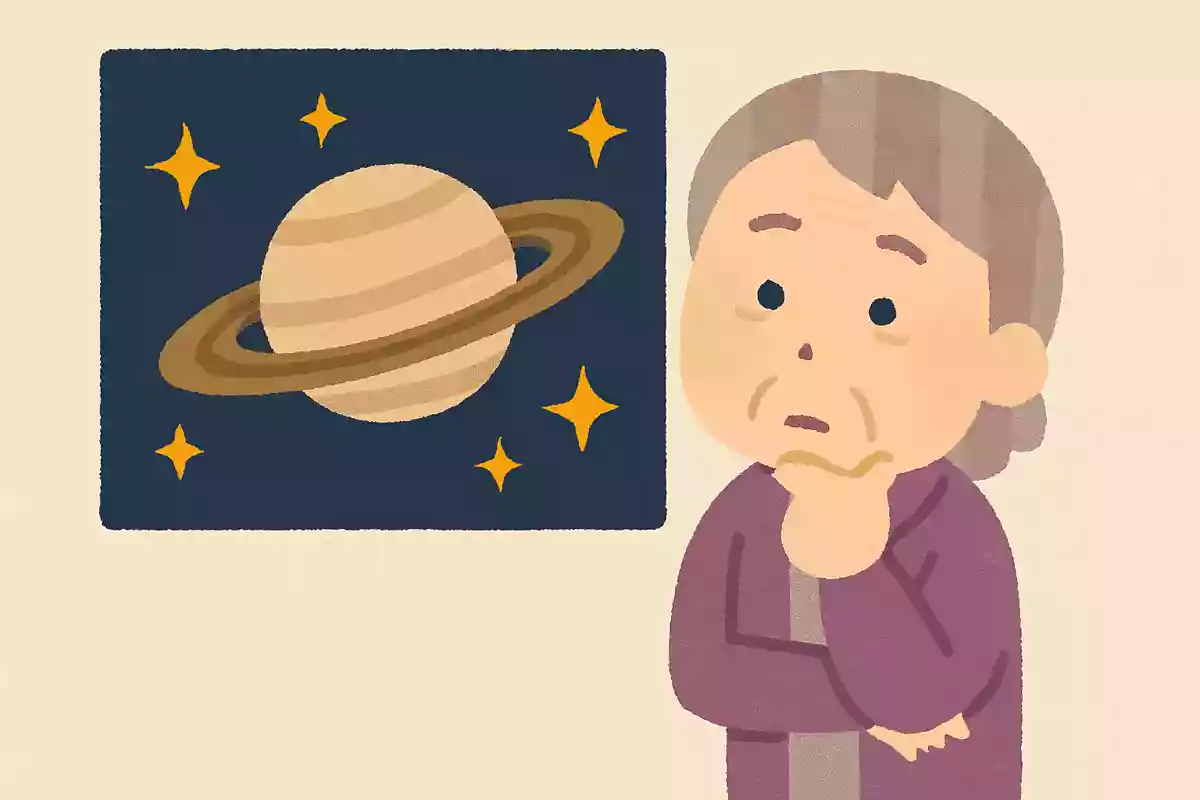
What is Saturn’s ring made of?
- meteorite
- ice granules
- metal
See the answer
ice granules
Saturn’s rings are made mainly of ice particles. These icy particles are small fragments orbiting Saturn, consisting of mixtures of ice and rock. Although Saturn’s rings are extremely thin, they extend over a vast area, and through a telescope they can be seen in a very beautiful form.
Vega, Altair, and Deneb—what are these three called?

- Spring Triangle
- Summer Triangle
- Winter Triangle
See the answer
Summer Triangle
The three stars Vega, Altair, and Deneb are called the Summer Triangle. These stars are very bright in the summer night sky and form a triangle. Vega is the prominent star of Lyra, Altair of Aquila, and Deneb of Cygnus, and the large triangle they create stands out in the summer night sky, making it well loved by many people.
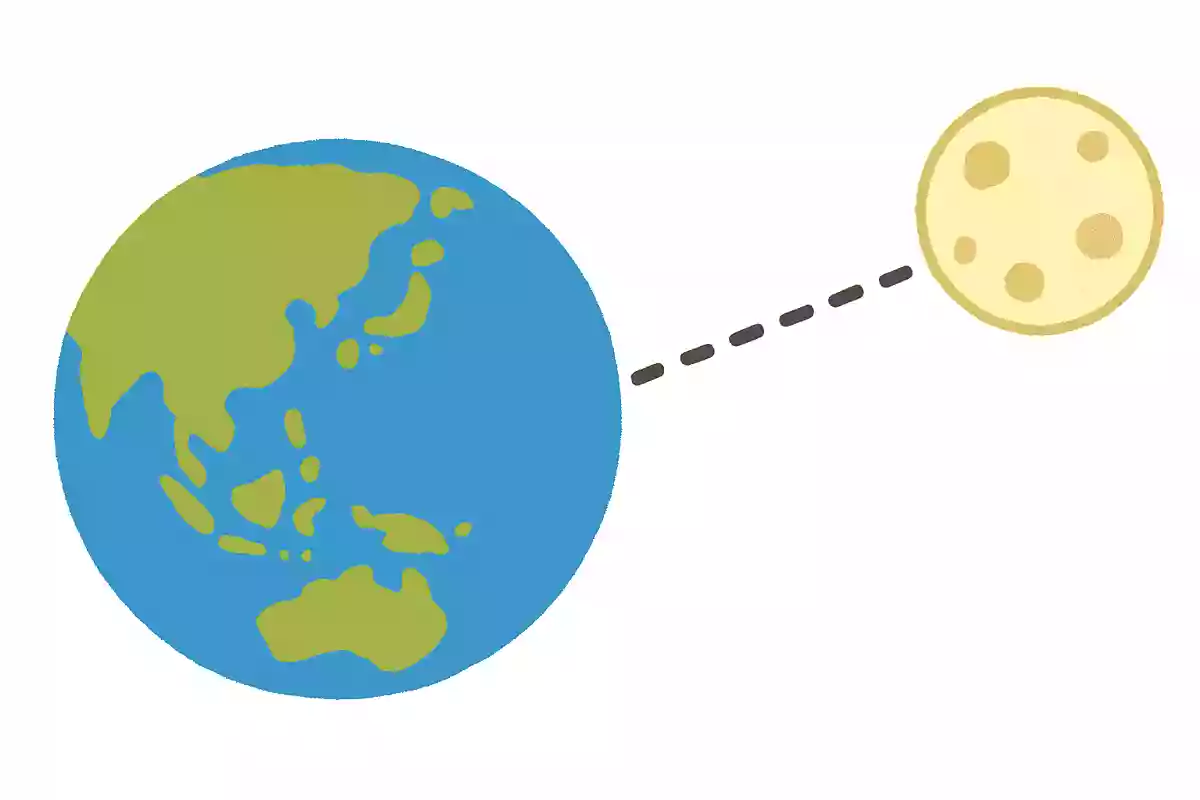
How far is it from the Earth to the Moon?
- 430,000 km
- 380,000 km
- 250,000 km
See the answer
380,000 km
The distance from Earth to the Moon is about 380,000 km. This is the average distance between Earth and the Moon, and because the Moon’s orbit is elliptical, the actual distance varies somewhat. The Moon is the closest celestial body to Earth, and the glow we see in the night sky reaches us from this distance.
About how many stars are there in the Milky Way?

- 200 billion
- twenty billion (items)
- 2 trillion (items)
See the answer
200 billion
There are about 200 billion stars in the Milky Way. The Milky Way is the galaxy we live in, and these stars are scattered across a vast space, some of which we can see in our night sky. The stars of the Milky Way vary in age and size, and their number is astonishing in scale.
How long does it take for light from the Sun to reach the Earth?

- 10 seconds
- 8 minutes 30 seconds
- 2 hours
See the answer
8 minutes 30 seconds
It takes about 8 minutes and 30 seconds for light emitted from the Sun to reach Earth. This is the time required for light, traveling at approximately 300,000 km per second, to cover the roughly 150 million kilometers between the Sun and Earth. Because of this delay, when we look up at the Sun, we are actually seeing it as it was 8 minutes and 30 seconds ago.
How big is the Sun?

- 100 times the Earth
- ten times the Earth
- Same as Earth
See the answer
100 times the Earth
The Sun is about 100 times the size of Earth. Its diameter is approximately 1.39 million kilometers, which shows its immense scale compared to Earth’s diameter of about 13,000 kilometers. The Sun is at the center of the solar system, emits a tremendous amount of energy, and is essential for supporting life on Earth.
What is the approximate temperature of the Sun?

- about 800 degrees
- about 2000 degrees
- about 3000 degrees
- about 6000 degrees
See the answer
about 6000 degrees
The surface temperature of the Sun is about 6,000 degrees. This high temperature is due to the energy produced by the nuclear fusion reactions the Sun undergoes, which provide light and heat to our Earth. At the Sun’s core, the temperature is even higher, reaching about 15 million degrees.