

Things that have changed between the past and now. Is it really this different?

Our lives and values have changed greatly with the passing of time.
Things that used to be commonplace have almost disappeared, while others have evolved in astonishing ways.
For example, communication that once relied on phones and letters can now happen instantly with just a smartphone.
It’s amazing how much everyday things like food, entertainment, and fashion have changed.
This time, we’ll introduce the differences between the past and the present.
Feel free to use this as a conversation starter!
- Words useful for conversations with elderly people. Words that were used in the past.
- [For Seniors] Nostalgic! Showa-Era Quizzes Recommended for Reminiscence Therapy
- A must-see for the Showa generation! Nostalgic popular snacks from the old days
- [For Seniors] Trivia Quiz & Fun Facts for Everyday Life
- Fun, engaging topics for conversations with older adults!
- [For Seniors] Conversation starters that help you chat: engaging questions and topics to spark lively talks
- Have fun with classic Showa-era games! Simple yet profoundly engaging traditional pastimes
- [For seniors] Dice talk: engaging prompts
- The Complete Guide to Showa-Era Toys: From Showa retro to toys still loved today
- Introducing words that will delight elderly people
- Special feature on popular anime from the Showa era. Looking back at the hit shows of the time!
- [For Seniors] Hina Matsuri (Girls’ Day) Trivia Quiz & Fun Facts. Recommended for Dementia Prevention Activities
- [Evolving Daycare Services] A summary of engaging recreational initiatives that excite older adults
Things that have changed between the past and now. This different? (1–10)
ticket gate at the station
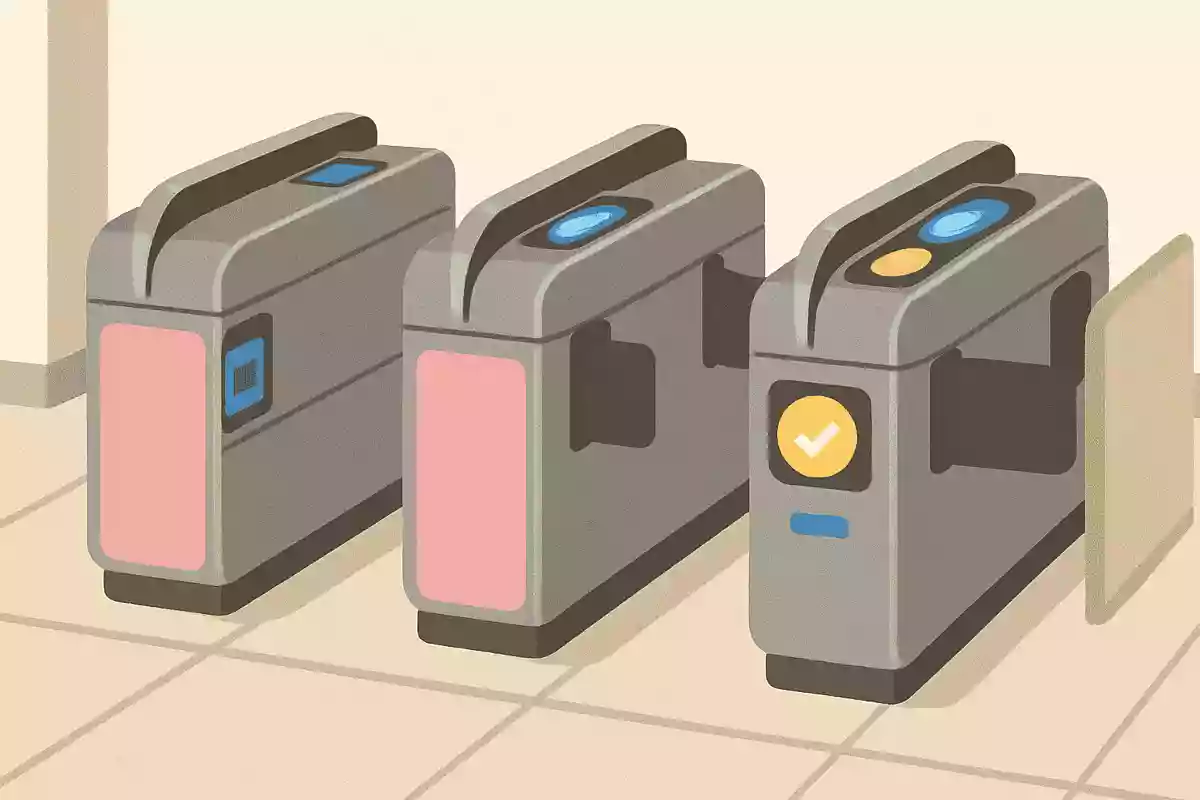
The ticket gates we always pass through when boarding a train are now mostly used by tapping an IC card.
Even when you’re in a hurry, you can just tap and go, which makes it easy to get through quickly.
Before IC cards became widespread, however, the usual practice was to buy a paper ticket at a vending machine near the gates.
During busy times, purchasing a ticket could take time, and when going through the gates you had to insert the ticket into the slot and then retrieve it from the other side.
Being able to pass through the gates with an IC card has likely saved a lot of time and helped reduce congestion.

toilet
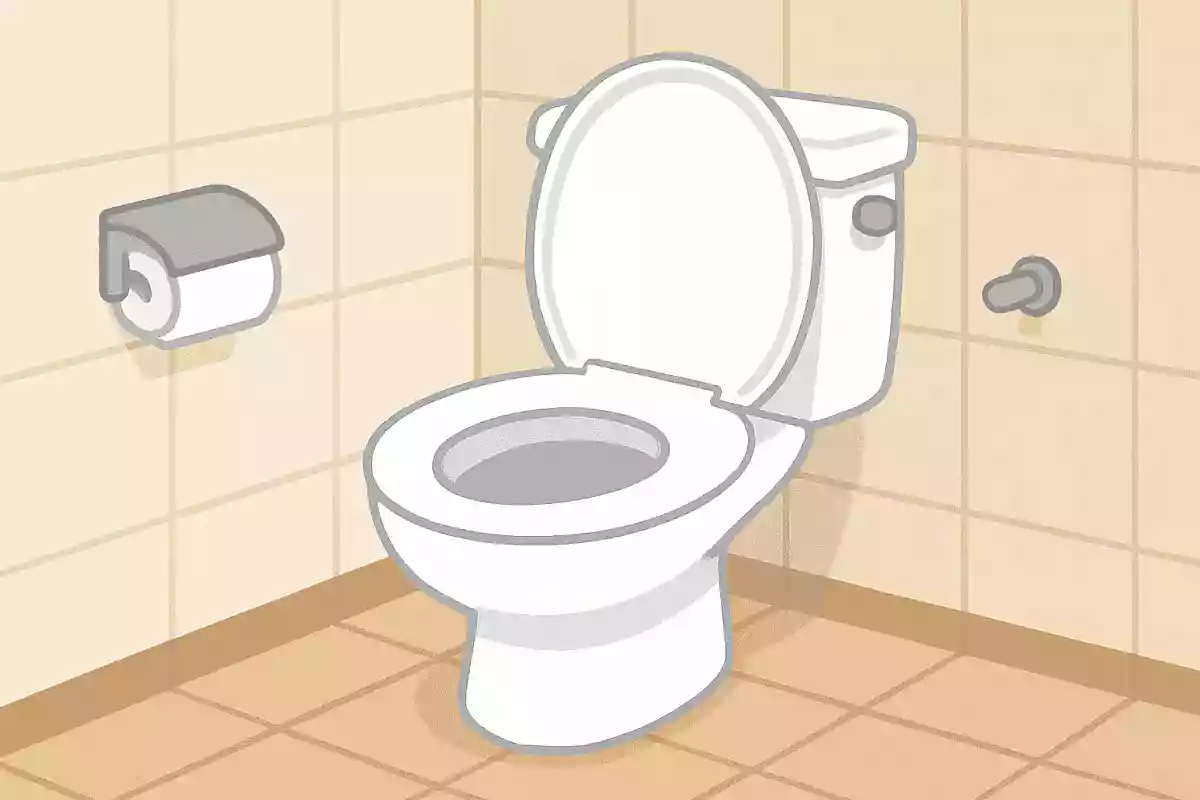
In modern public restrooms, Japanese-style toilets still exist, but Western-style ones are the mainstream, right? It’s said that Western-style toilet seats were originally brought from the United Kingdom during the Meiji era.
However, they were unfamiliar to Japanese people at the time, who were used to the Japanese style, so they didn’t spread easily.
During the period of rapid economic growth, though, Western-style toilets were adopted mainly in major metropolitan areas and began to become widespread.
Because Japanese-style toilets require a half-squatting posture, Western-style toilets are easier to use for elderly people, those with weak legs or lower backs, and young children, which is why Western-style toilets now make up the majority.
photo

These days, when it comes to taking photos, smartphones are the mainstream choice.
You can store plenty of photos taken on a smartphone and easily look back at them anytime.
You can also print them quickly at nearby places like convenience stores.
How did older generations do it when they were young? The history of cameras is quite deep, and early models were large and impractical to carry around.
Around the late 1940s to early 1950s in Japan, cameras were expensive and mastering their use was difficult.
As a result, it was common to hire a professional to take photos on special occasions.
Later on, cameras became more familiar to people in Japan, but they still weren’t as ubiquitous in daily life as they are today.
For many older adults, taking photos with a smartphone may be something surprising.
Things that have changed from the past to now. This different? (11–20)
home time
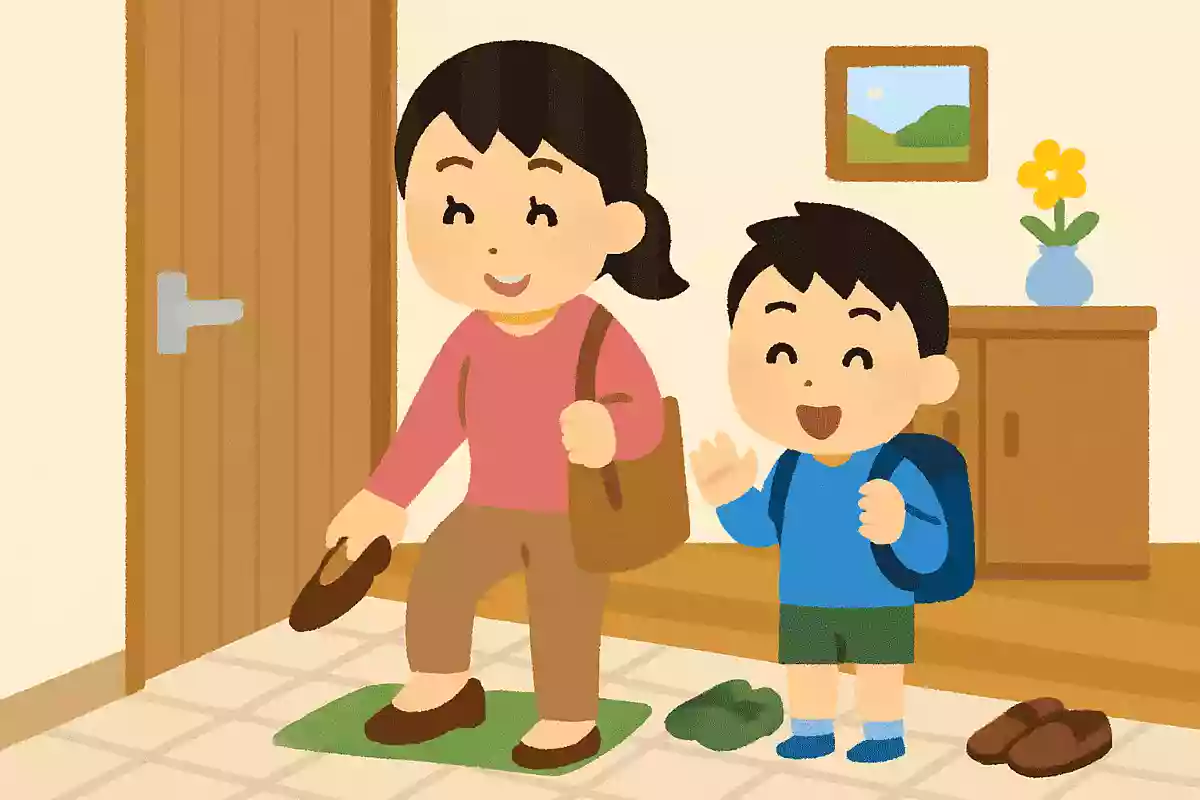
Perhaps some older adults spent time at home gathered around the table with their families, watching TV together.
From around 1958, when television became widespread, there was a period when TV was closely tied to everyday life.
In the early days, it’s said that neighbors would even come over to the homes of those who had purchased a TV to watch it together.
Maybe TV helped create those lively, joyful moments for everyone.
Today, many people watch videos alone on smartphones or computers.
Viewing has shifted from groups to individuals, but new cultures have emerged from that shift.
Influencers centered around social media are one example.
Videos can also be used for recreation, so it would be great to make good use of them.

consumption tax
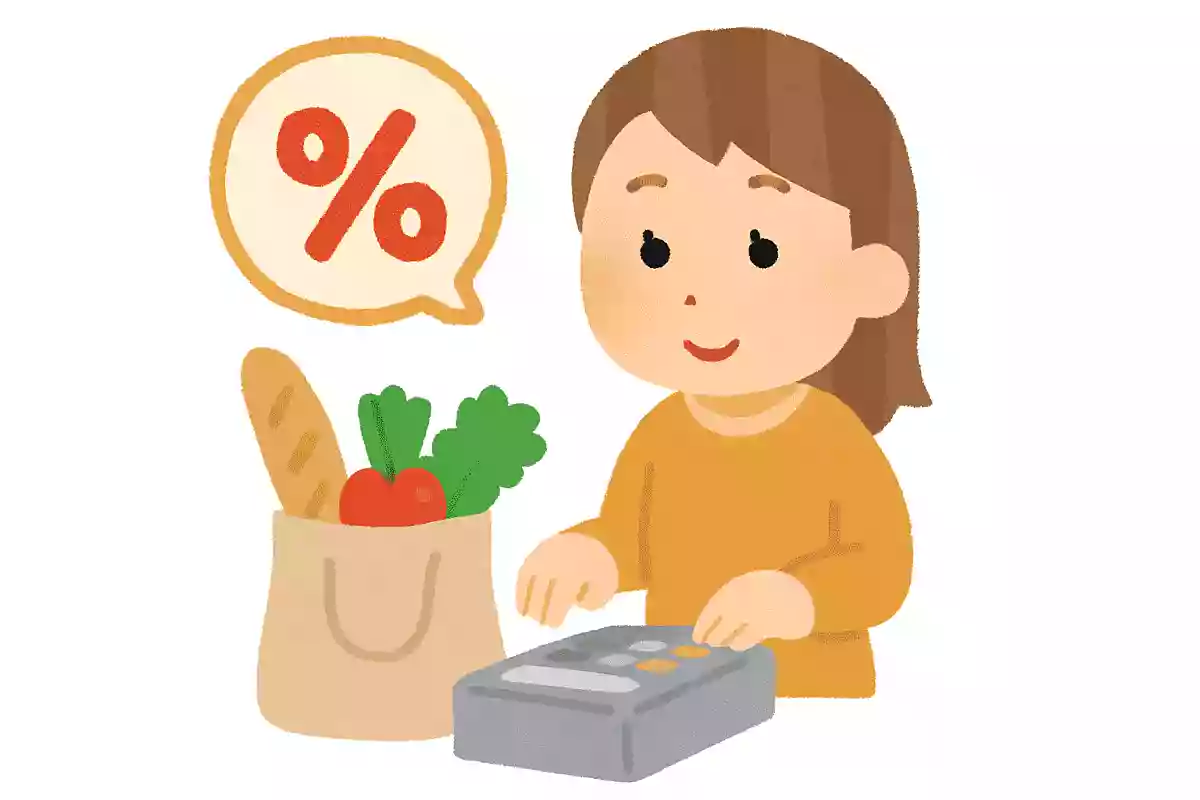
The current consumption tax is 10%, but do you know when it was first introduced? By the way, back in the Showa era, there was no consumption tax when you went shopping and paid.
The consumption tax was introduced in 1989, the first year of the Heisei era.
A 3% consumption tax was imposed, and it caused a major stir at the time.
Because it’s a tax levied on every purchase, there was strong public resistance, and protest movements reportedly took place across the country.
There were various reasons for introducing the tax, and some older people may still remember those days.
Encounter

Have you ever heard older people say that they met their spouse through an arranged meeting? Before and after the war and throughout the Showa era, many people reportedly married through omiai (arranged meetings).
Relatives and parents would set up these meetings.
It’s said that even Sazae and Masuo from the anime “Sazae-san” actually met through an omiai.
These days, many people seem to look for marriage partners online via matching apps.
If you have a smartphone, you can easily sign up for a place to meet people.
As the trend shifts from in-person omiai to online encounters, it might be surprising for older generations, too.
the cooking fire
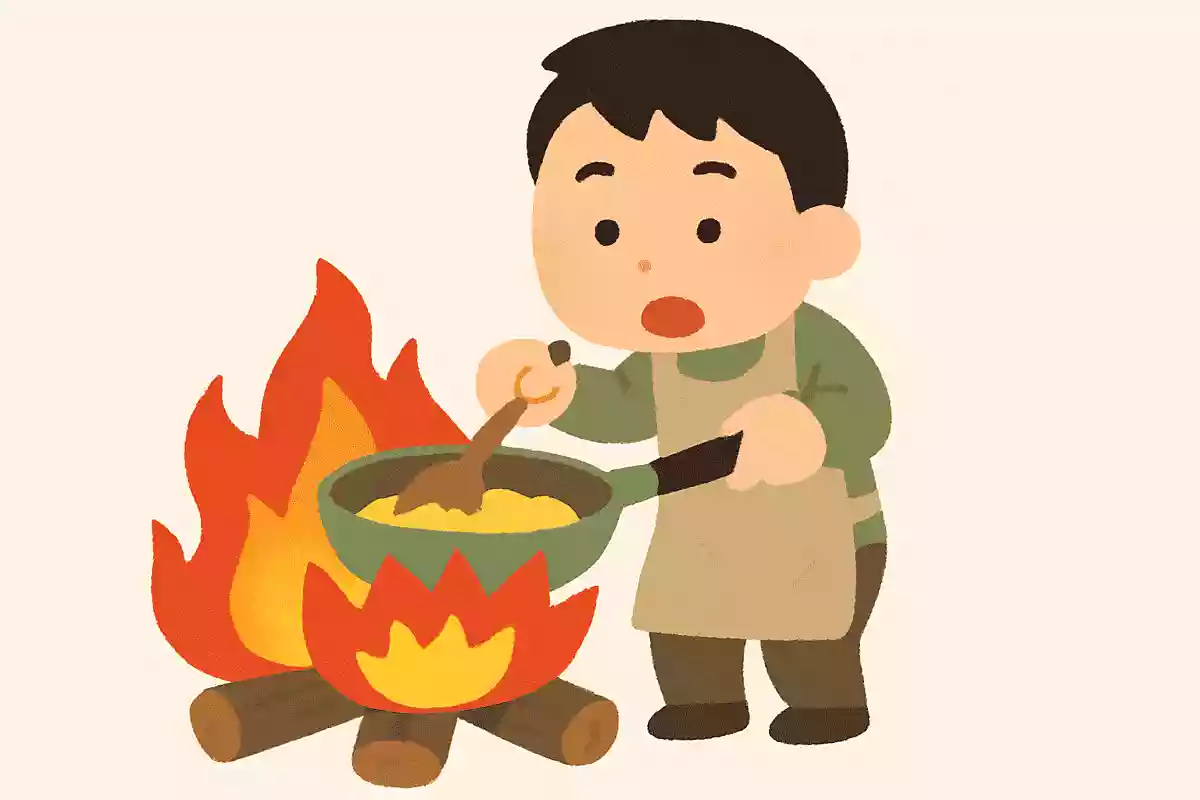
Have you ever heard the saying, “Start with a gentle flame, then a steady middle; when it sizzles and steams, lower the heat; burn a handful of straw; even if a baby cries, don’t remove the lid”? It’s said to be a rhyme created to make it easy to remember the heat control and steps for cooking rice well.
In those days, cooking was hard work: you would build a fire in a kitchen hearth using firewood and adjust the strength of the flame with a bamboo tube.
In the late Meiji period, gas stoves that used gas instead of firewood appeared, but hearths remained common until the postwar period of rapid economic growth, when rice cookers and gas ranges became widespread.
Today, you can simply turn a knob to light a flame and cook with ease, which is incredibly convenient.
Some campgrounds still have hearths installed, so if you try using one even once, you might come to truly appreciate how convenient modern appliances are.
