

Things that have changed between the past and now. Is it really this different?

Our lives and values have changed greatly with the passing of time.
Things that used to be commonplace have almost disappeared, while others have evolved in astonishing ways.
For example, communication that once relied on phones and letters can now happen instantly with just a smartphone.
It’s amazing how much everyday things like food, entertainment, and fashion have changed.
This time, we’ll introduce the differences between the past and the present.
Feel free to use this as a conversation starter!
- Words useful for conversations with elderly people. Words that were used in the past.
- [For Seniors] Nostalgic! Showa-Era Quizzes Recommended for Reminiscence Therapy
- A must-see for the Showa generation! Nostalgic popular snacks from the old days
- [For Seniors] Trivia Quiz & Fun Facts for Everyday Life
- Fun, engaging topics for conversations with older adults!
- [For Seniors] Conversation starters that help you chat: engaging questions and topics to spark lively talks
- Have fun with classic Showa-era games! Simple yet profoundly engaging traditional pastimes
- [For seniors] Dice talk: engaging prompts
- The Complete Guide to Showa-Era Toys: From Showa retro to toys still loved today
- Introducing words that will delight elderly people
- Special feature on popular anime from the Showa era. Looking back at the hit shows of the time!
- [For Seniors] Hina Matsuri (Girls’ Day) Trivia Quiz & Fun Facts. Recommended for Dementia Prevention Activities
- [Evolving Daycare Services] A summary of engaging recreational initiatives that excite older adults
Things that have changed from the past to now. This different? (11–20)
whale meat from school lunches
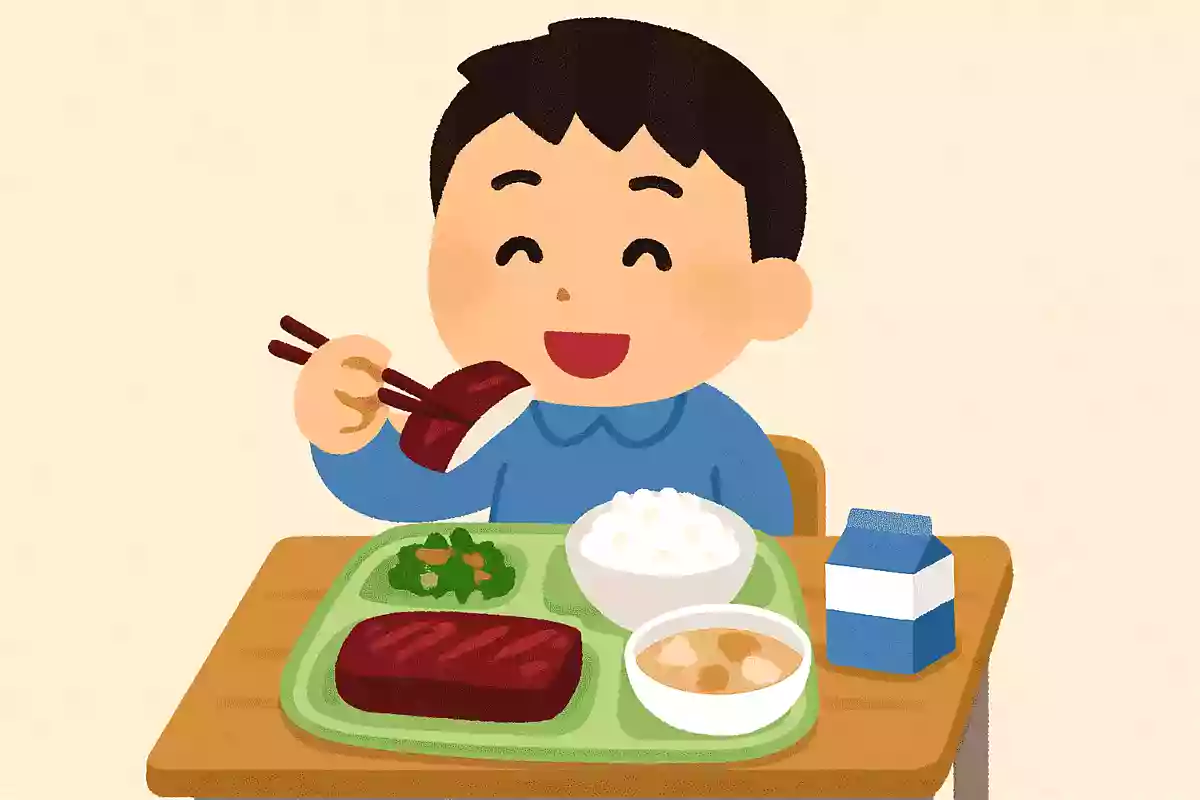
Whale meat has become something we hardly see nowadays, but I’ve heard it used to be served in school lunches.
One reason is that at the time it was relatively inexpensive—cheaper than beef or pork.
However, with the suspension of commercial whaling in the 1980s, domestic distribution declined and it became a luxury ingredient, moving it away from everyday dining tables.
Since it used to be cheap, there are probably older people who ate it regularly.
Talking about what kinds of dishes it was used in, or how it appeared in school lunches, would likely make for a lively conversation.

In conclusion
We’ve introduced things that have changed from the past to the present. It’s interesting that while they evoke a sense of nostalgia, they also let us appreciate today’s convenience and progress. Why not enjoy comparing the differences with the present as you share stories of the past with your family and friends?