

![[For Seniors] Enjoyable Brain Training! Trivia Quiz & Fun Facts about Venus](https://media.ragnet.co.jp/img/1200__png__https://www.studiorag.com/files/2025/07/41348ed92f535fd847668517af54c0f1.webp)

Taking time to ponder the mysteries of the universe is a moment that enriches the heart.
Among the planets of the solar system, Venus—shining more brightly than the rest—hides countless surprising facts and tidbits.
In this article, we present engaging quizzes and fun facts about Venus.
Why not explore the wonders of space together with older adults as you think through them? You might hear a delighted “Wow!” at unexpected discoveries.
We’ll share the charms of Venus that both stimulate the brain and provide enjoyment.
- [For Seniors] Enjoy Learning the Wonders of Mars! Trivia Quiz & Fun Facts to Exercise Your Brain
- [For Seniors] Trivia Quiz & Fun Facts about Stars. Brain Training
- [For Seniors] Introducing Trivia Quizzes & Fun Facts About Space!
- [For Seniors] Trivia Quiz & Fun Facts About Earth
- For Seniors: Useful Trivia Questions! Introducing Fun Facts Quizzes You'll Want to Share
- [For Seniors] Tanabata Trivia Quiz: Simple and Fun
- [For Seniors] Boost Your Knowledge! Fun Trivia Quiz
- [For Seniors] Trivia Quiz & Fun Facts About Neptune
- [For Seniors] Enjoy Brain Training with English Trivia Quizzes and Fun Facts
- [For Seniors] Trivia Quiz & Fun Facts for Everyday Life
- [For Seniors] Enjoy Brain Training with September Trivia Quizzes & Fun Facts
- [For Seniors] Fun and Informative! Trivia and Quizzes Introduced
- [For Seniors] Lively two-choice trivia quiz. Handy to know and tidbits you'll want to share with others
[For Seniors] Enjoyable Brain Training! Trivia Quiz & Fun Facts About Venus (1–10)
What do we call Venus, the first star that shines in the western sky in the evening?

- the morning star
- the evening star (Venus)
- shooting star
See the answer
the evening star (Venus)
When Venus appears bright in the western sky in the evening, it is called the “Evening Star.” Conversely, when it shines in the eastern sky in the early morning, it is called the “Morning Star.” Because Venus orbits closer to the Sun than Earth does, it does not appear in the sky at midnight. The best time to see the Evening Star is roughly from late January to mid-July. On a clear evening, why not take a look at the western sky?

How many hours would a day on Venus correspond to when converted to Earth’s time?

- 24 hours
- 243 hours
- 5,832 hours
See the answer
5,832 hours
A day on Venus is the time it takes for Venus to complete one rotation, which is about 5,832 hours (approximately 243 days) in Earth time. Compared to Earth, Venus rotates very slowly, so while a day on Earth is 24 hours, on Venus it amounts to 5,832 hours.
Because Venus is similar to Earth in size and mass, what kind of planet is it called in relation to Earth?

- sister planet(s)
- Child Planet
- parent planet
See the answer
sister planet(s)
Because Venus is very similar to Earth in size, mass, and composition, it is called Earth's sister planet. However, the atmospheric environments of Venus and Earth are completely different, so humans cannot live there as they do on Earth.
Which of the following is the name of the Venus probe launched in 2010 by JAXA, the Japan Aerospace Exploration Agency?

- sunflower
- dawn
- Peregrine falcon
See the answer
dawn
Akatsuki is a Venus probe launched by Japan’s JAXA in 2010. It was developed to observe Venus’s atmosphere and weather. Akatsuki is equipped with five cameras that image Venus’s atmosphere in infrared, visible, and ultraviolet light, as well as a radio oscillator for observing parameters such as temperature.
Which of the following countries has actually succeeded in landing a spacecraft on Venus?
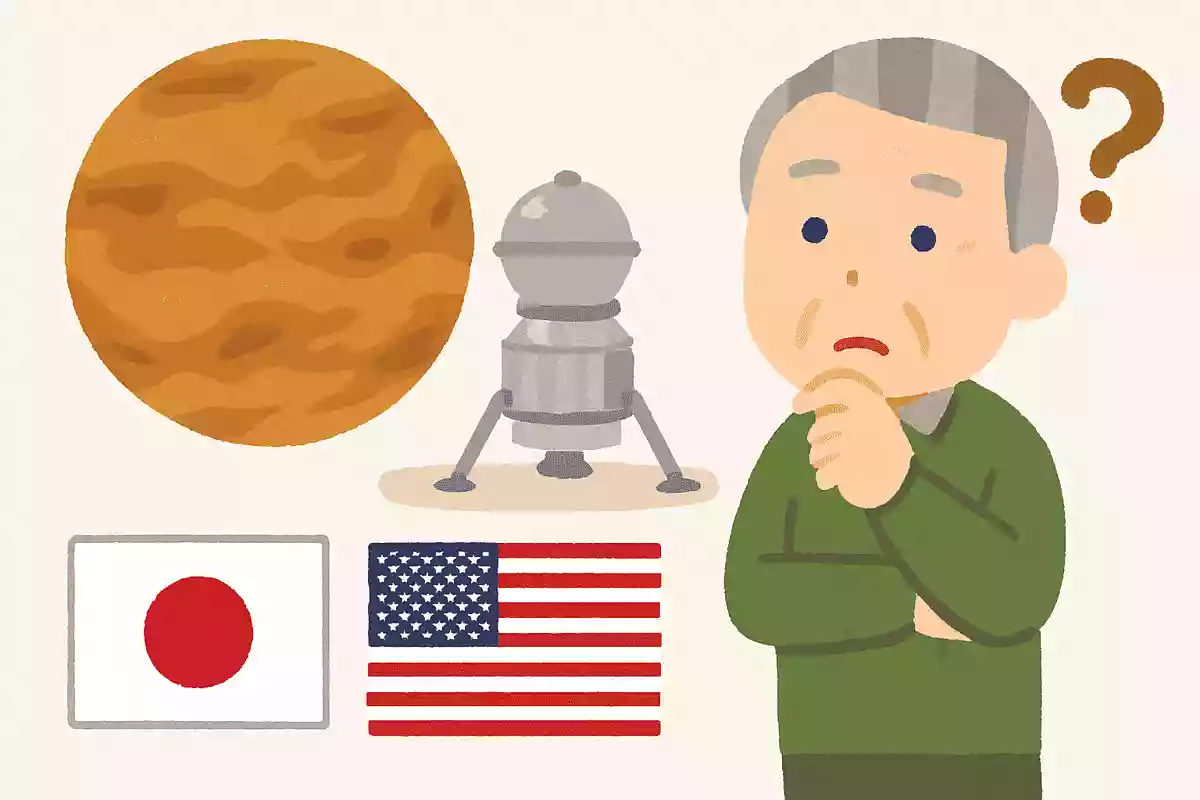
- United States of America
- Soviet Union
- Japan
See the answer
Soviet Union
The country that succeeded in landing a spacecraft on Venus was the Soviet Union. Despite Venus’s harsh environment, the probes of the Venera series managed to land and send photos and data back to Earth. However, it seems that the Venera 13 lander lasted only about 127 minutes after landing before being destroyed.
From which direction does the Sun rise on Venus?
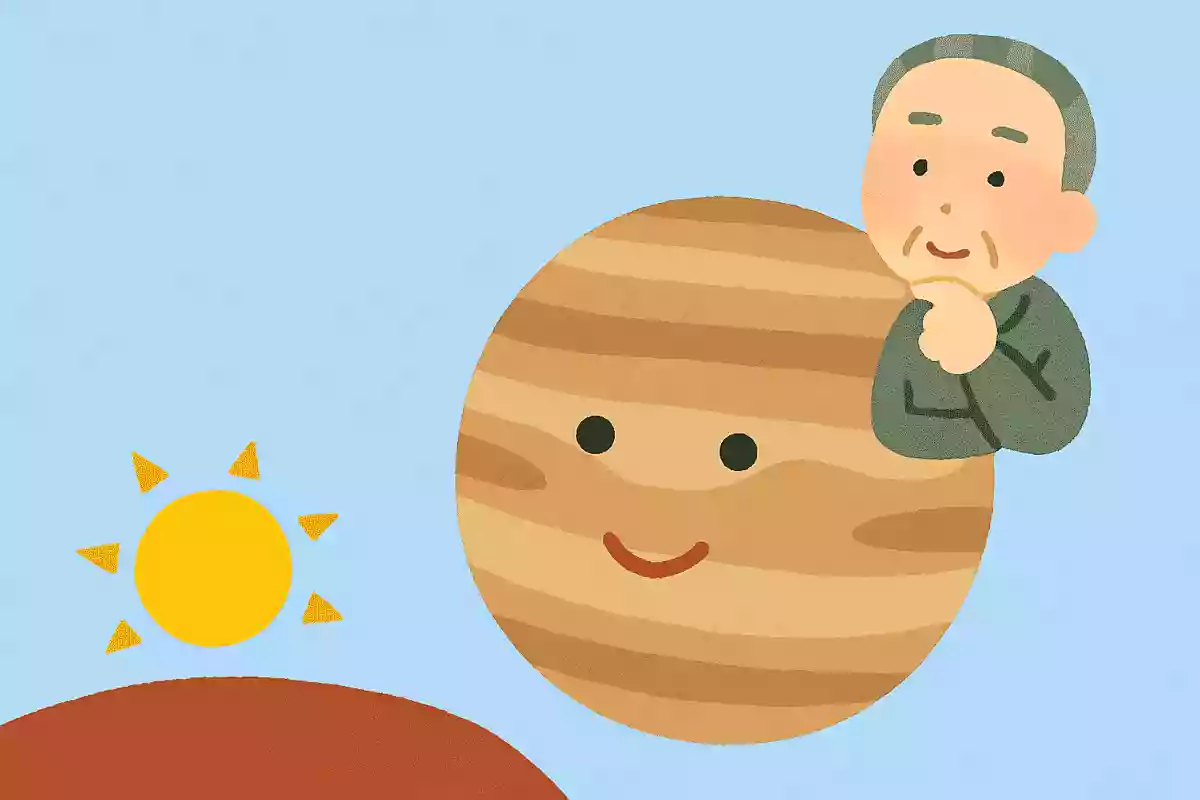
- east
- West
- south
See the answer
West
On planets like Earth and others besides Venus, the Sun rises in the east and sets in the west. However, because Venus rotates in the opposite direction to Earth, the Sun rises in the western sky and sets in the eastern sky. It seems that the reason Venus’s rotation is opposite to Earth’s has not yet been explained.
There’s a hypothesis that Venus once had oceans long ago. Why have they disappeared today?

- Water evaporated due to a stellar collision.
- All the water was buried by volcanic activity.
- It evaporated due to rising temperatures and changes in the atmosphere.
See the answer
It evaporated due to rising temperatures and changes in the atmosphere.
There are no oceans on Venus today. However, based on the terrain and traces observed on Venus’s surface, it’s thought that ancient Venus may once have had oceans of water. Those oceans are believed to have evaporated long ago due to rising temperatures and changes in the planet’s atmosphere.