

[For Seniors] Let’s Get Excited with a Winter Flower Kanji Quiz! Introducing Some Challenging Questions

Beautiful flowers that bloom in the winter chill each carry evocative kanji names.
Readings for less common characters—like “猩猩木,” “三色菫,” and “迷迭香”—can be surprisingly tricky.
This time, we’re introducing a winter flower kanji quiz you can enjoy together with older adults.
Learning the origins of the nostalgic flowers’ kanji may deepen your affection for them.
Let’s rediscover the charm of winter blossoms while sharing heartwarming conversations.
Now then, how many can you answer?
- [For Seniors] Kanji Quiz on Flowers: From Easy Questions to Tough Challenges, All in One Go
- [For Seniors] Let’s Have Fun with an Autumn Flower Kanji Quiz! A Collection of Kanji That Look Readable but Aren’t
- [For Seniors] Difficult-to-Read Kanji for Everyday Items: Take on a quiz full of surprises and discoveries
- [For Seniors] How many can you read? A kanji quiz of familiar things that look readable but aren’t
- [For Seniors] Brain-training with winter-themed quizzes. Great for activities, killing time, and dementia prevention.
- [For Seniors] Fun and Exciting! Difficult Kanji Quiz
- [For Seniors] Challenging but Exciting! Kanji Quiz
- [For Seniors] How many can you read? A comprehensive showcase of difficult food kanji
- [For Seniors] Quiz on Kanji with Many Strokes
- [For Seniors] Looks readable but you can't read it! Fish Kanji Quiz
- [For Seniors] Prevent Dementia with a Look-Alike Kanji Quiz! Introducing Commonly Confused Characters in a Multiple-Choice Format
- [For Seniors] Spring-themed quizzes: Fun trivia questions that help prevent dementia while you solve them
- [For Seniors] Difficult Country Names Kanji Quiz
[For Seniors] Have Fun with a Winter Flower Kanji Quiz! Introducing Challenging Questions (1–10)
shepherd’s purse
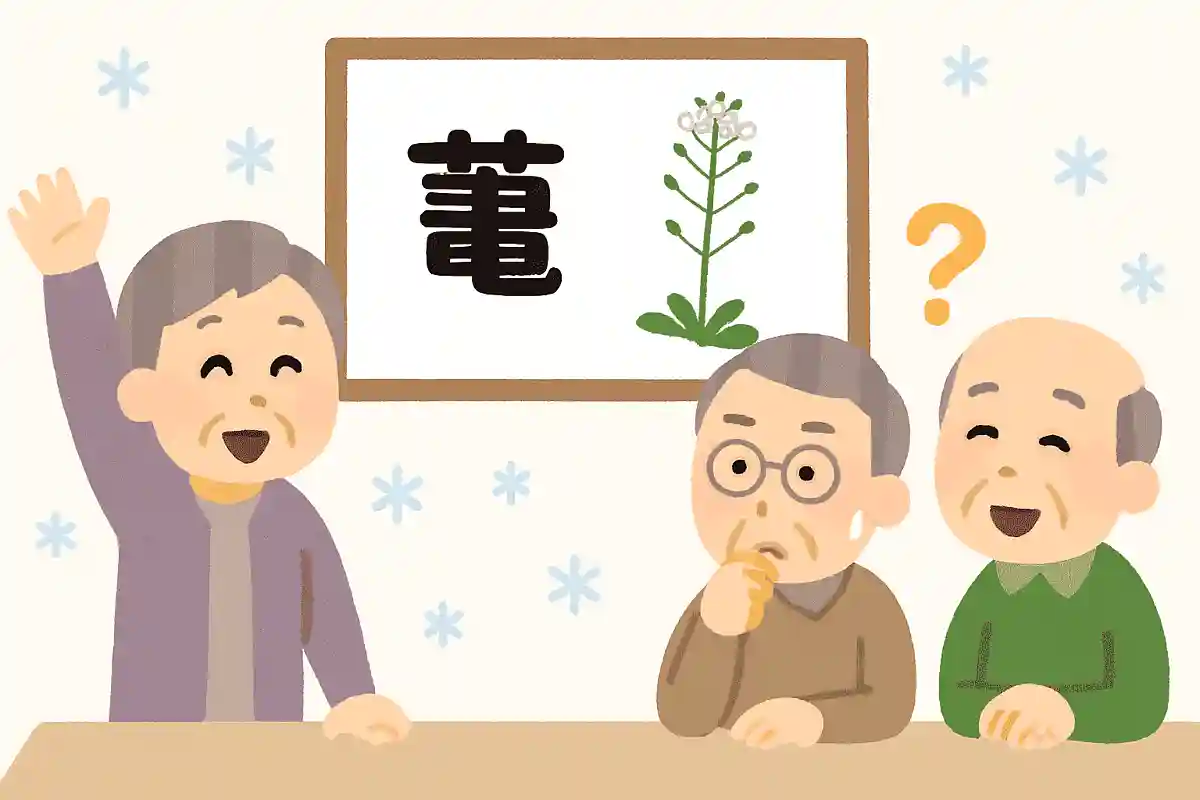
See the answer
shepherd's purse
Shepherd’s purse (nazuna) is a plant cherished as one of the seven herbs of spring. From winter through spring, it can be found in familiar places like roadsides and fields. Its Japanese name is nazuna, but it is also known as “penpen-gusa,” and is characterized by its small heart-shaped pods. There is a tradition of eating seven-herb rice porridge on the morning of January 7 to pray for good health, and shepherd’s purse has long been used as one of its ingredients. For many older adults, it is a nostalgic plant that brings back memories of their hometowns and life in days past.

wintersweet
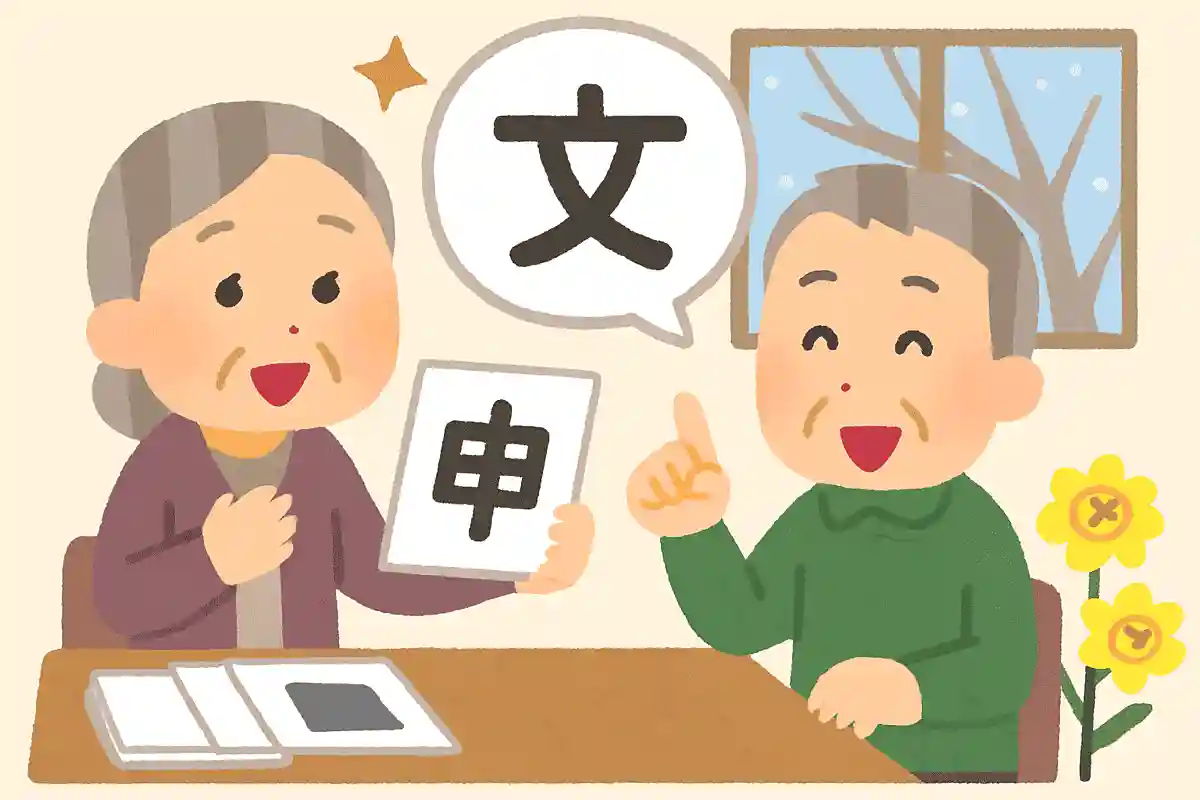
See the answer
wintersweet (Chimonanthus praecox)
Although rōbai (Japanese allspice) contains the word “ume” (plum) in its name, it is actually a different plant from the plum. It is characterized by glossy, translucent yellow petals that look like waxwork and bloom during the cold months of January to February. Its sweet fragrance is also popular, and it is mainly enjoyed in gardens and parks. The kanji 蝋 uses the same character as in 蝋燭 (candle), derived from the petals’ wax-like texture. It is one of the representative winter flowers, familiar especially to older generations.
rosemary
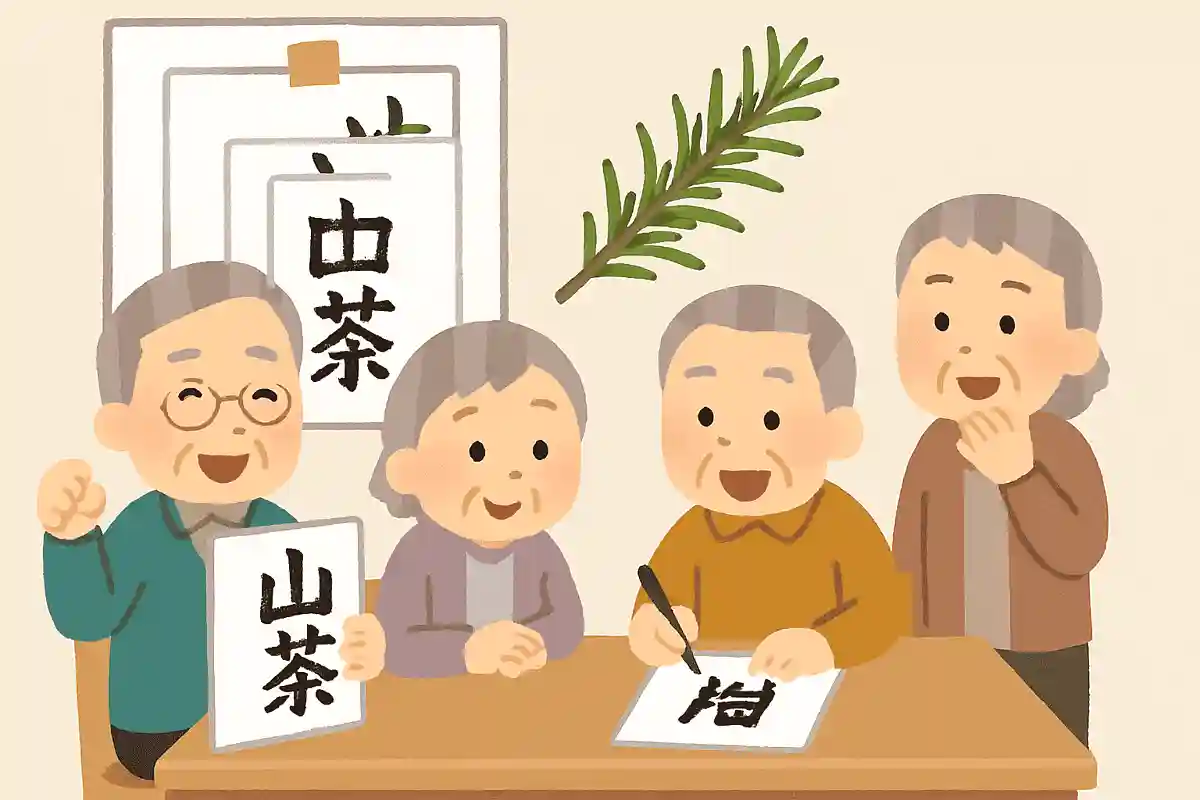
See the answer
Rosemary
Meitekko (Rosmarinus officinalis), known in English as rosemary, is a perennial herb in the mint family native to the Mediterranean coast. In Japan, it is also a familiar herb used in cooking, aromatherapy, and health teas. Rosemary is relatively cold-hardy and stays green even in winter, and it can sometimes produce bluish-purple flowers from winter through spring. Because the kanji for its name are difficult, it could be enjoyed as a quiz by older adults as well.
[For Seniors] Have Fun with a Winter Flowers Kanji Quiz! Introducing Challenging Problems (11–20)
One peony blossom
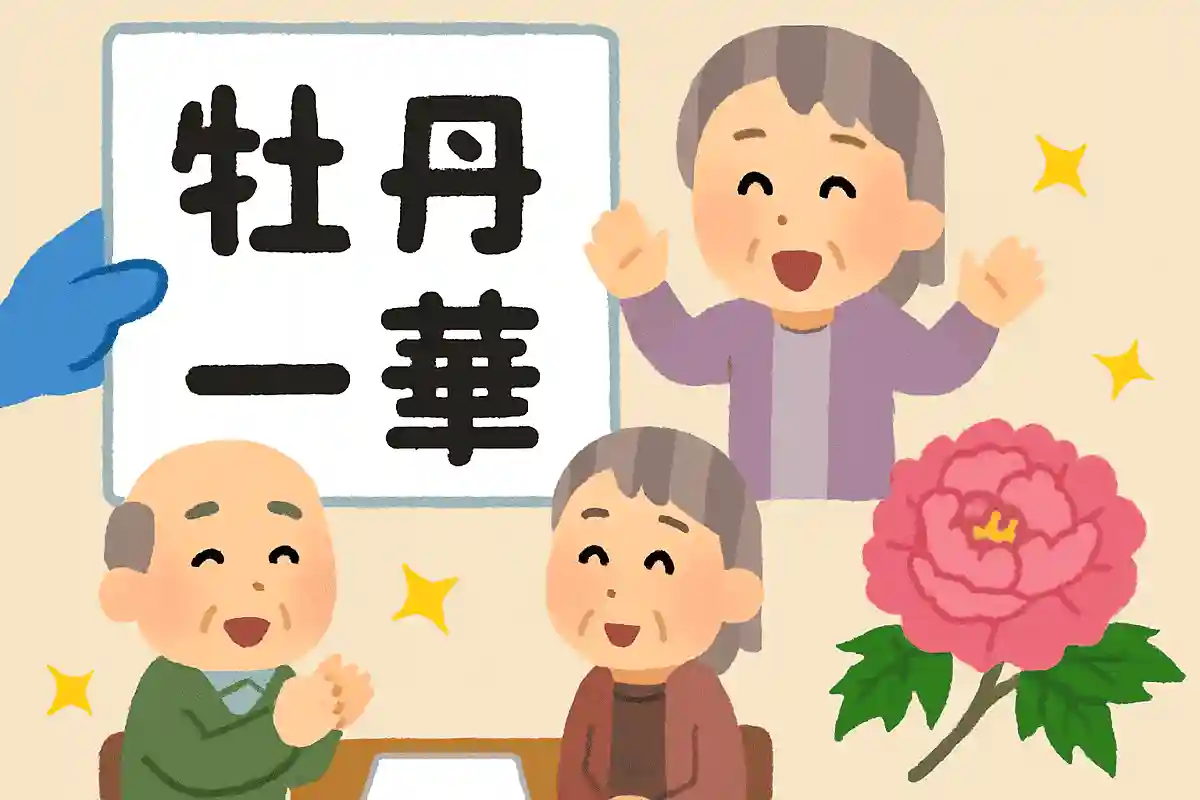
See the answer
anemone
“Botan-Ichige” is one of the Japanese names for the anemone. In particular, Anemone blanda and Anemone coronaria have long been called “Botan-Ichige.” Like the peony (“botan”), it is beautiful and showy, and “ichige” means “a single flower.” Anemones bloom from late winter to early spring, bringing vivid color even in the cold season. For this reason, they are among the flowers beloved by many older adults.
Torch Lily
See the answer
Cyclamen
The answer is “cyclamen.” The kanji name 篝火花 (kagaribibana) comes from the plant’s vivid blossoms, reminiscent of a bonfire (篝火). Blooming from winter to spring, cyclamen are known for their petals that curl back like flames, and in Japan they have long been cherished as auspicious potted plants. Because they bloom despite the winter cold, they are especially popular as winter gifts for older adults.
Mahonia japonica (hiiragi-nanten)
See the answer
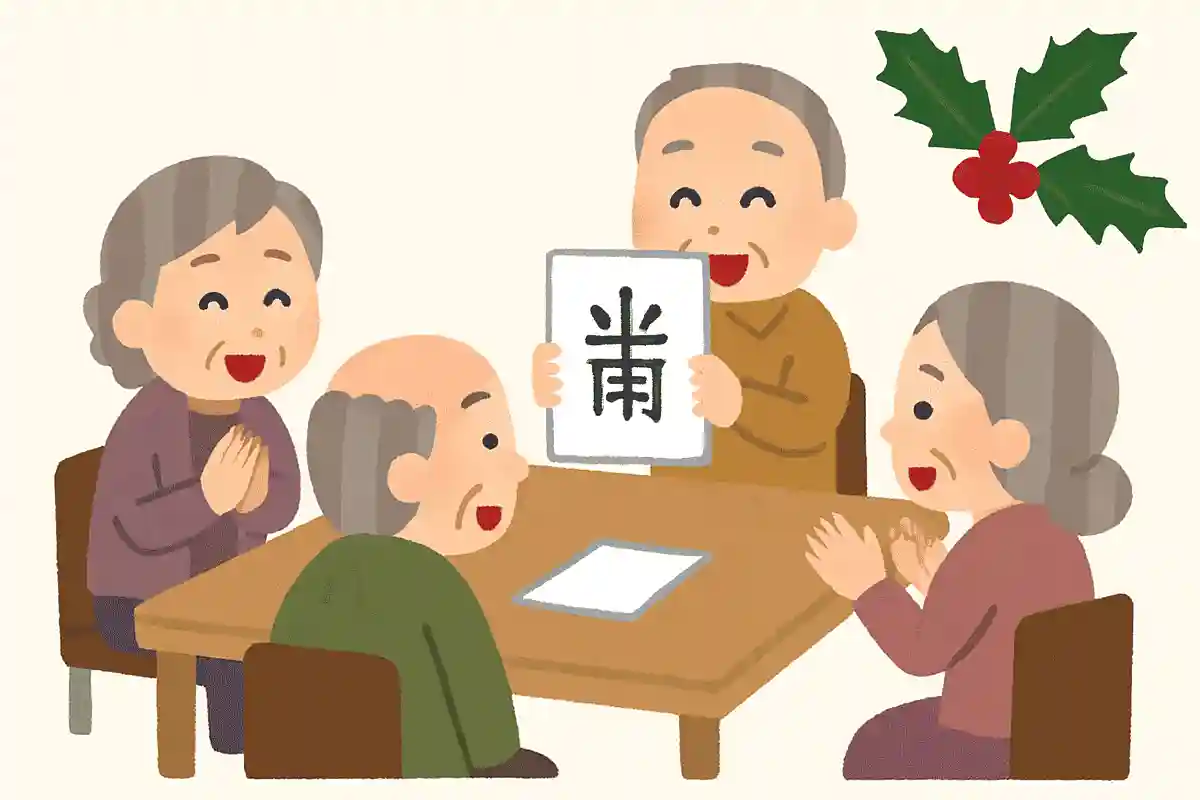
holly nandina
Hiiraginanten (Mahonia/Nandina) is a beautiful plant that bears red berries in winter. While hiiragi refers to holly often used at Christmas, hiiraginanten is a different species; the kanji were chosen because its leaves resemble holly. Nanten is also considered auspicious in Japan, as its name is associated with the phrase “to turn misfortune around.” The bright red berries are especially striking in winter, and the plant is commonly seen in Japanese gardens and at house entrances.
ornamental cabbage
See the answer
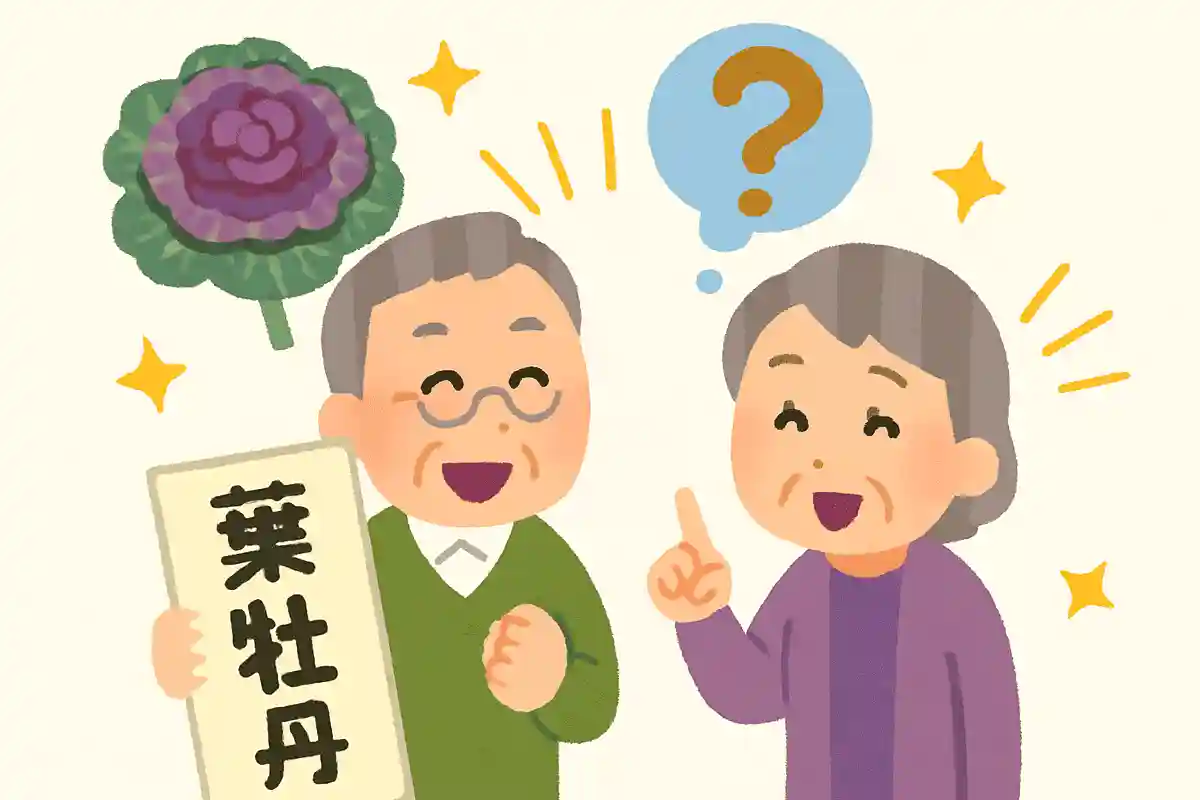
ornamental cabbage
Ornamental cabbages (habotan) are popular plants for winter flower beds and New Year decorations. Although they’re called “flowers,” they are actually appreciated for their vividly colored leaves. In Japanese they’re written as 葉牡丹, and while the peony (牡丹) is a quintessential spring flower, habotan borrows the name to highlight the beauty of its foliage. The name comes from its resemblance to peony blossoms. They are hardy in winter and add a touch of brilliant color.