

From classic folk dance staples to hidden gems. Introducing recommended tracks!


Folk dancing, a familiar sight at school events and recreational activities.There are many nostalgic tunes that make your body start moving the moment the music begins!When it comes to folk dance songs, there’s an incredible variety—from timeless standards everyone has danced to at least once, to pieces that let you enjoy traditional rhythms from around the world.You might have suddenly wondered, “What was the name of that song again?”In this article, we’ll present a broad list of folk dance tracks.Whether you’re unsure what to pick for an event or searching for a song filled with memories, we hope you’ll find this helpful!
- Popular Dance Songs Ranking [2026]
- Songs you can dance to around the campfire. A roundup of recommended tracks for dancing.
- Top Songs to Hype Up Sports Day and Athletic Festivals [2026]
- Dance/popular songs ranking for the school cultural festival
- [Dance Tracks] Perfect for School Sports Days! A Curated Selection of Fun, Popular Songs to Dance To [2026]
- [Childcare] Recommended for sports day performances and dances! A collection of classic and popular songs
- [For Seniors] Fun Small-Group Recreation
- For Seniors: Festive Attractions to Liven Up Festivals—Games and Recreational Activities
- [Camp Songs] Classic camping songs. Campfire songs you can play along with
- [Sports Day] Entrance songs that will hype the crowd! A comprehensive roundup from classics to the latest hits
- [For Creative Dance] A Collection of Easy-to-Dance Japanese and Western Tracks
- Popular songs recommended for nursery and kindergarten sports days! A collection of classic and latest tracks to liven up the event
- Entertainment and Performances That Delight at Day Services for the Elderly
From classic folk dance tunes to hidden gems. Introducing recommended tracks! (71–80)
KalinkaIwan Rarionofu
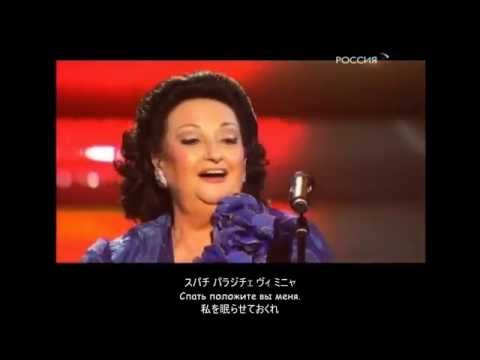
It began as a beloved Russian song, originally sung on stage in an amateur theater production for which Larionov composed the music.
In Japan, it became famous as the background music for Tetris.
Fans also sing it at the English soccer club Chelsea FC.
Oh, Dem Golden Slippersjēmusu burando

It’s a song well-known as an American popular tune.
In Japan, it has spread under the Japanese translation “Ano Machi Kono Machi.” It was created as a parody of a Black spiritual written for minstrel shows.
In the United States, it is often performed as an instrumental.
Patty Cake Polka

This dance is a British American folk dance featuring enjoyable clapping and hand-play motions reminiscent of kneading cake.
The accompanying tunes differ between Britain and the United States: in Britain, traditional Mother Goose songs such as “This Old Man” are mainly used, while in the United States, country-style songs like “Buffalo Gals” and “Oh! Susanna” are more commonly used.

Cossack dance

When you think of folk dancing, the image is often of men and women paired up, but there are also dances performed individually, like this one.
Although the video is labeled as a soldiers’ dance, the performance is so superb that you’d think they were all ballet dancers.
I’ve heard that the Cossack dance was once banned because it was the dance of a people who had been suppressed.
Chimes of Dunkirk
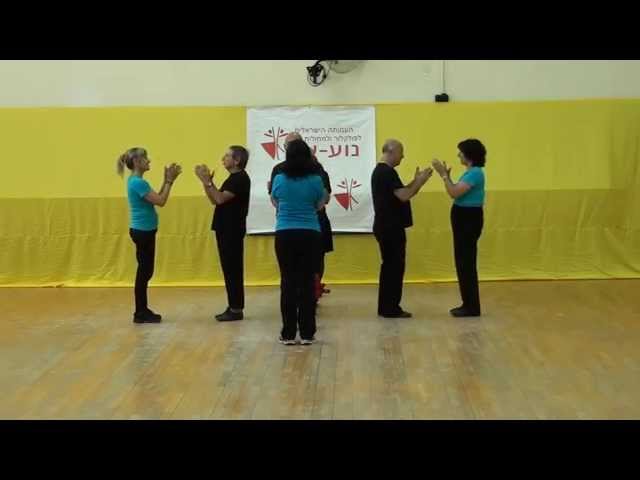
A folk dance handed down in Belgium and the Flemish region.
If you listen to the melody repeatedly, you may notice parts that resemble the song sung by the dwarfs in Disney’s Snow White.
The movements, where dancers twirl around while switching partners, look a bit challenging, but the fairy-tale-like melody is cheerful, and I’m sure it would be great fun to dance.
Let’s dance, fun Polechke!

Often sung in Japanese as well, this song is originally based on the Polish folk tune “Polka.” A polka is a type of folk dance characterized by a fast tempo in 2/4 time, but in Japan this song is often performed as a waltz.
It has a charming feel, evoking the image of people dancing in traditional costumes.
Gavottegosekku

First of all, a gavotte is a general term referring to a folk dance from regions of France and the classical dance pieces derived from it.
It is characterized by being written in either 4/4 or 2/2 time.
In principle, many begin on the downbeat of the measure, and the famous gavotte in question is a typical example of this.