

A classic Japanese folk song passed down through generations of acoustic performances

A special feature on Japanese folk songs.
Folk music originally began as arrangements of traditional songs and spread in the United States.
From around the 1960s, it was also embraced in Japan, and, reflecting the times, songs with strong anti-war and anti-government messages were delivered.
Entering the 1970s, it became especially popular with more accessible, mainstream themes and reached a peak of commercial success.
Although Japanese folk has evolved to incorporate various elements, it retains an acoustic allure and a wistful mood, with lyrics that stand out and resonate.
By all means, take your time and immerse yourself in Japanese folk music!
- [Showa Era] A roundup of nostalgic folk song classics and popular tracks you’ll want to sing at karaoke
- [Japanese Music] A Collection of Heart-Touching Hit Folk Songs from the 1970s
- Timeless classics only! Showa-era hit songs perfect for acoustic sing-alongs
- A poignant ballad song. A tear-jerking masterpiece of Japanese pop music.
- From classic folk dance staples to hidden gems. Introducing recommended tracks!
- [Resonates with the Heart] Masterpiece Ballads with Beautiful, Poignant Lyrics
- [Recommended for people in their 70s] Songs that really move you. Beloved classic Japanese hits of the past.
- [Tearjerker] Songs that make your heart tremble with tears & moving tracks with lyrics that touch the soul
- [Hometown Songs] A curated selection of popular Japanese tracks that fill your heart with nostalgia
- A lineup of timeless masterpieces to pass down to future generations! Ballad songs born in the Reiwa era
- [Touching the Heart] Timeless Ballad Masterpieces. A Collection of Unfading Classics and the Latest Songs [2026]
- The nostalgic atmosphere tugs at your heartstrings. Tear-jerker songs from the Showa era.
- Recommended ballads for men: classic songs about love, encouragement, and youth.
Timeless Classics of Japanese Folk Songs Passed Down Through Live Solo Performances (71–80)
The Song of the Red Dragonflyanonenone
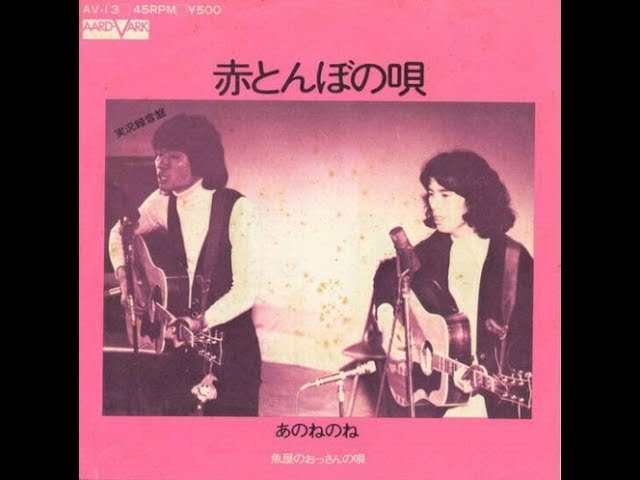
It was released in 1973 as Anonenone’s major-label debut single.
It sold over 350,000 copies, becoming their biggest hit.
The song also drew attention when Tatsuwo Kamon, who is close to Anonenone, performed an arranged version of it.
Strawberry Statement Once Againbanba hirofumi

Released in 1975 (Showa 50), this song captures the memories of youth of lovers as one era comes to an end and they grow into adulthood.
“Strawberry Statement” is the title of a film centered on the student protest movement, and the song’s concept—mirroring that world with their own—is impressive; as it turns out, the lyricist and composer was Yuming (then Yumi Arai).
The song also reached No.
1 on the Oricon chart.
A café in a student districtGaro
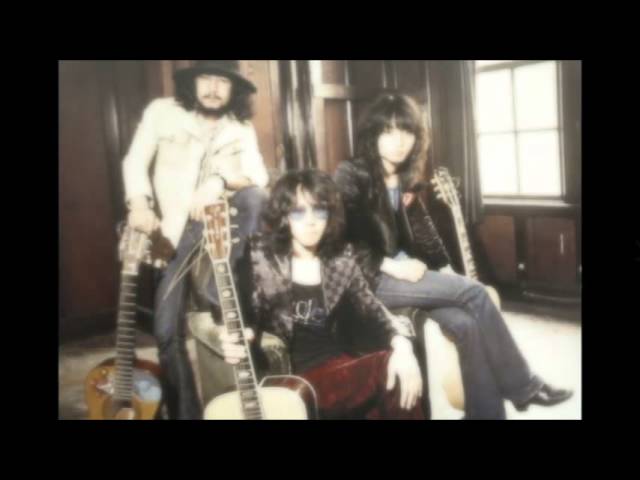
Released in 1972 (Showa 47).
It felt a bit different from the usual image of folk music, largely because of their fashion sense.
Male folk singers generally didn’t pay much attention to clothing, but I think Garo put considerable care into their outfits and style.
When you listen to these lyrics, it feels like something anyone could relate to: it’s a song about how everything changes with the times and how you can’t turn back time—not even the café you used to frequent with the woman you loved.
The arrangement is wonderful, and it became a huge hit.
Timeless Masterpieces of Japanese Folk Songs Passed Down Through Live Accompaniment (81–90)
To say goodbyebiriibanban

It’s a song released in 1972 with lyrics written by actor Koji Ishizaka.
Among folk songs, it’s a more mature piece; the brothers’ harmonies are beautiful, and it was well received even by older listeners.
The lyrics are difficult to interpret, but it seems to say that a man parts ways with a woman and is about to begin anew with a new lover—though it can be understood in various ways.
Shiretoko Ryojo (Shiretoko Travel Sentiment)Katō Tokiko

Released in 1960, this song is famous as a local tune set in Shiretoko.
Written and composed by the well-known actor Hisaya Morishige while he was staying in Shiretoko, it has long been covered by other artists and cherished by many.
contrailArai Yumi

This song, included on Yumi Arai’s 1973 album, is also famous as the theme song for a certain film and has long been beloved.
Despite its refreshing melody, it was composed around the theme of death.
Yumi Arai later continued her career as Yumi Matsutoya, releasing numerous major hits.
I am crying.ririi

Released in 1974, Lily had lost both her father and mother when she was young, and to make a living she did solo acoustic performances at a snack bar.
The nickname “Lily” was given to her at that time, and she said the choice to write the “i” in katakana was for the vibe.
She apparently wrote this song intending for Naoko Ken to sing it, but her agency told her they wanted her to sing it herself, so she reluctantly did.
Her husky voice, together with the selfishness of Showa-era men and the sorrow of a woman clinging to them, matched perfectly and the song became a huge hit.