

A classic Japanese folk song passed down through generations of acoustic performances

A special feature on Japanese folk songs.
Folk music originally began as arrangements of traditional songs and spread in the United States.
From around the 1960s, it was also embraced in Japan, and, reflecting the times, songs with strong anti-war and anti-government messages were delivered.
Entering the 1970s, it became especially popular with more accessible, mainstream themes and reached a peak of commercial success.
Although Japanese folk has evolved to incorporate various elements, it retains an acoustic allure and a wistful mood, with lyrics that stand out and resonate.
By all means, take your time and immerse yourself in Japanese folk music!
- [Showa Era] A roundup of nostalgic folk song classics and popular tracks you’ll want to sing at karaoke
- [Japanese Music] A Collection of Heart-Touching Hit Folk Songs from the 1970s
- Timeless classics only! Showa-era hit songs perfect for acoustic sing-alongs
- A poignant ballad song. A tear-jerking masterpiece of Japanese pop music.
- From classic folk dance staples to hidden gems. Introducing recommended tracks!
- [Resonates with the Heart] Masterpiece Ballads with Beautiful, Poignant Lyrics
- [Recommended for people in their 70s] Songs that really move you. Beloved classic Japanese hits of the past.
- [Tearjerker] Songs that make your heart tremble with tears & moving tracks with lyrics that touch the soul
- [Hometown Songs] A curated selection of popular Japanese tracks that fill your heart with nostalgia
- A lineup of timeless masterpieces to pass down to future generations! Ballad songs born in the Reiwa era
- [Touching the Heart] Timeless Ballad Masterpieces. A Collection of Unfading Classics and the Latest Songs [2026]
- The nostalgic atmosphere tugs at your heartstrings. Tear-jerker songs from the Showa era.
- Recommended ballads for men: classic songs about love, encouragement, and youth.
Classic Japanese folk songs passed down through solo performances (21–30)
Tell me an eternal lieyoshida takurou

This is a masterpiece that Miyuki Nakajima wrote for Takuro in 1995 as a message to a “middle-aged man without dreams,” into which she infused the sentiment, “Let me keep dreaming forever,” and “You must not lie about facts, but it’s okay to lie about the truth.” It has a refreshing feel, so from the start, lift your eyebrows and facial muscles and sing with a bright spirit! For the fast passages, the beginning is crucial.
If you pronounce the first sound clearly, the words should flow naturally.
Be mindful of expressiveness and sing with a smile, tinged with heartache!

summer vacationyoshida takurou

This is a beloved classic by Takuro Yoshida that continues to be cherished as a folk song symbolizing the Japanese summer.
Like flipping through a childhood picture diary, nostalgic scenes—straw hats, sudden evening showers—rise vividly in your mind.
Although it was once subject to various interpretations, it’s said to be based on the artist’s personal memories, including recollections of a teacher he adored in his youth.
It first appeared as a live recording released in June 1971, later became established in its studio version on the album “Genki Desu,” and was issued as a single in March 1989.
Covered by many artists over the years, this song is perfect for times when you want to reclaim a sense of innocence you may have forgotten as an adult.
Its unfading melody is sure to resonate gently in your heart.
Classic Japanese folk song masterpieces passed down through live singing with guitar (31–40)
Shadows of Youthchūrippu

It was released in 1974 as Tulip’s sixth single.
The track was cut as a single from the album “TAKE OFF,” and the lead vocal was changed from Tatsuya Himeno to Kazuo Zaitsu.
A pure love song that teaches that ordinary happiness is the greatest, it has been covered by many artists and is one of Tulip’s signature songs.
White is the color of lovers.Bettsi & Kurisu
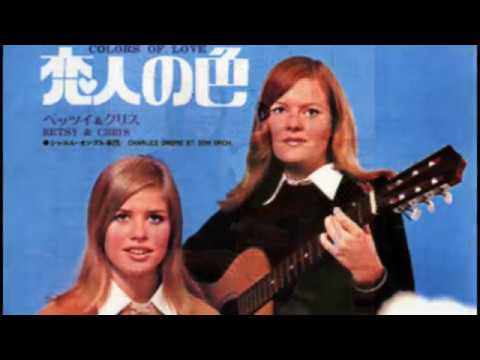
Released in 1969, the song was sung with beautiful harmonies by two Americans—one from Hawaii and the other from Idaho—who, despite their backgrounds, nostalgically long for the beauty and memories of their Japanese hometown.
Perhaps the contrast struck a chord, and the song, which also carried a pure image, became a major hit.
The lyrics were by Osamu Kitayama and the music by Kazuhiko Kato—a golden duo of the folk-song era.
Sake, Tears, Men, and WomenKawashima Eigo

This is a celebrated Japanese folk ballad written by Eigo Kawashima, a folk singer-songwriter known for singing while accompanying himself on guitar or piano.
There are many songs in Japanese enka that take alcohol, tears, men, and women as their themes, but from the perspective of the youth of that time, the same subjects seemed to be perceived in a different way.
First loveMurashita Kōzō

Released in 1983, this song is Kozo Murashita’s biggest hit and has become one of his signature pieces.
Based on an actual first love, its lyrical melody and lyrics create a sweet, bittersweet atmosphere, making it a page of first love that can be cherished forever.
Beach of MemoriesZa Wairudowanzu

Released in 1966 as The Wild Ones’ debut single, it became a massive hit, selling over one million copies.
It’s a refreshing song that evokes the image of the seashore and is also popular for karaoke.
A classic that has been covered by many artists, both male and female.