

A Must-See for the Heisei Generation: Nostalgic Songs That Were Popular in the Heisei Era

It’s only been a few years since the Reiwa era began, but trends like “Heisei-era clichés” are already popular.
Among them, music is especially loved as nostalgic oldies.
So this time, we’re introducing “classic Heisei-era songs we recommend to people born in the Heisei era”!
The Heisei period was a time when many new music genres were born, with club music—especially UK garage and dubstep—undergoing major changes.
In addition to dance music and mainstream J-pop, we’ve also picked standout tracks from lesser-known genres like R&B and jazz rock.
If you were born in the Heisei era, be sure to check them out!
- Emotional songs from the Heisei era. Nostalgic tracks that really hit you.
- Heisei-era masterpieces. Hit songs that represent the Heisei period.
- All big hits! A roundup of classic J‑Pop songs that were popular in 2000
- A collection of nostalgic hits from the Heisei era: Let’s look back at iconic songs from the 1990s and 2000s.
- Songs from the Heisei retro era that will get any generation excited! Timeless tracks you’ll want to listen to now.
- Cool songs of the Heisei era. Hit tracks that energized the times.
- Heisei Song Collection: Iconic Hits That Colored the ’90s and 2000s
- [Heisei Love Songs] A carefully selected collection of gem-like love songs that continue to be cherished even in the Reiwa era!
- Love songs that were hits in the 2000s. Classic and popular Japanese songs.
- Nothing but iconic hits that defined an era! 2000s classics popular on TikTok
- From emotional tracks to exhilarating tunes! Heisei-era youth songs
- A revival hit driven by social media! Heisei-era masterpieces that are resonating with Gen Z today
- Heisei-era masterpieces: Easy to sing! Carefully selected songs recommended for karaoke choices!
A Must-See for the Heisei Generation: Nostalgic Hits from the Heisei Era (41–50)
dogwood (flowering dogwood)Hitoto Yo

This is Yo Hitoto’s fifth single, released in February 2004.
Inspired by an email from a friend living in New York, the song was written as a prayer for peace and carries a gentle wish that a loved one’s happiness will continue for a hundred years.
While the original draft included more direct expressions, the lyrics were refined into the prayerful words we hear today.
The song received numerous tie-ins, including serving as the theme for NTV’s Tuesday Suspense Theater, a JRA commercial song, and a 2010 film theme.
It also spent 90 consecutive weeks in the top five of the karaoke rankings.
Known as the most-sung karaoke song of the Heisei era, this classic softly accompanies moments when you want to share in the desire for a loved one’s happiness and when you seek peace in your heart.
cherry blossomMoriyama Naotaro
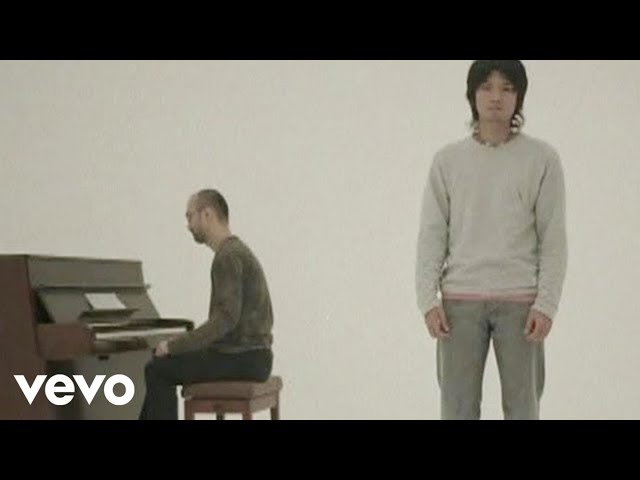
This is one of Naotaro Moriyama’s signature songs, which likens cherry blossoms—blooming in splendor with the arrival of spring and eventually falling—to farewells and new beginnings in life.
Released as a single in 2003, it was used as the ending theme for the MBS/TBS program “Sekai Ururun Taizaki.” The lyrics depict scenes of friends promising to meet again along a road lined with cherry trees, and saying their goodbyes while accepting the fleeting fate of petals falling, yet holding steadfast to unchanging feelings.
It is a timeless piece that we hope those facing life’s milestones—such as graduation or job transfers—will listen to.
The warm arrangement of piano and strings, together with Moriyama’s clear vocals, resonates deeply with listeners.
Lovin’ LifeFUNKY MONKEY BABYS

The fourth single by FUNKY MONKEY BABYS, a music unit that fuses hip-hop and pop.
Released in January 2007, the song became a long-running hit, breaking into the Top 10 in its sixth week and solidifying the group’s popularity.
The lyrics, which portray the small joys hidden in everyday life and the preciousness of time spent with loved ones, warmly fill listeners’ hearts.
Its catchy melody and smooth rap weave a positive atmosphere that feels like a true anthem for life.
The track is also included on the album “Funky Monkey Babys 2” and was used as Ryota Wakiya’s theme song for the Yomiuri Giants in 2007.
It’s a number that makes you cherish the simplicity of everyday life.
The One and Only Flower in the WorldSMAP

Even after their breakup, calls for a reunion remain strong, and the five-member idol group SMAP is becoming legendary thanks to their immense popularity.
One of their songs was used as the theme for the TV drama “Boku no Ikiru Michi,” starring group member Tsuyoshi Kusanagi, and it became a massive hit, selling over 3 million copies in total.
It’s also well known for being written by singer-songwriter Noriyuki Makihara.
In a world that tends to rank and compare everything, the lyrics—encouraging the uniqueness only you possess—lightened the hearts of many listeners and resonated widely.
With gentle words and a warm melody that quietly soothe wounded, troubled feelings, it is a masterpiece that has etched its name in J-POP history.
cherry blossomKetsumeishi

Throughout the history of J-POP, many artists have released songs themed around “sakura,” and this work, released by Ketsumeishi in February 2005, is one of the most iconic.
Although they are a hip-hop group, their style—blending catchy, singable melodies with emotionally resonant rap—won support from a wide audience.
The lyrics depict memories of a lover who is no longer here, evoked by the sight of cherry blossoms fluttering in the wind.
Even though the scenery remains unchanged, the absence of a loved one creates a sense of loss that tightens the listener’s chest.
Despite having no tie-in, this massive hit sold about 210,000 copies in its first week, and its drama-style music video starring Masato Hagiwara and Emi Suzuki further deepens the song’s world.
It’s also perfect as a BGM for a spring drive when you’re feeling a bit nostalgic about the past.