

Surprising horse trivia you probably didn’t know: astounding behaviors and fun facts

Galloping powerfully at the racetrack, leisurely grazing in a pasture, dashing alongside the hero in a period drama…
Horses have long lived closely alongside humans, but how much do you know about their biology and abilities? In fact, the more you learn about horses, the more fascinating and profound their characteristics become! In this article, we’ll share plenty of horse-related trivia you’ll be eager to tell someone about.
It’s perfect not only for animal lovers, but also for horse racing fans and anyone looking for learning material for children!
Horse trivia you might not know: surprising biology and fun facts (1–10)
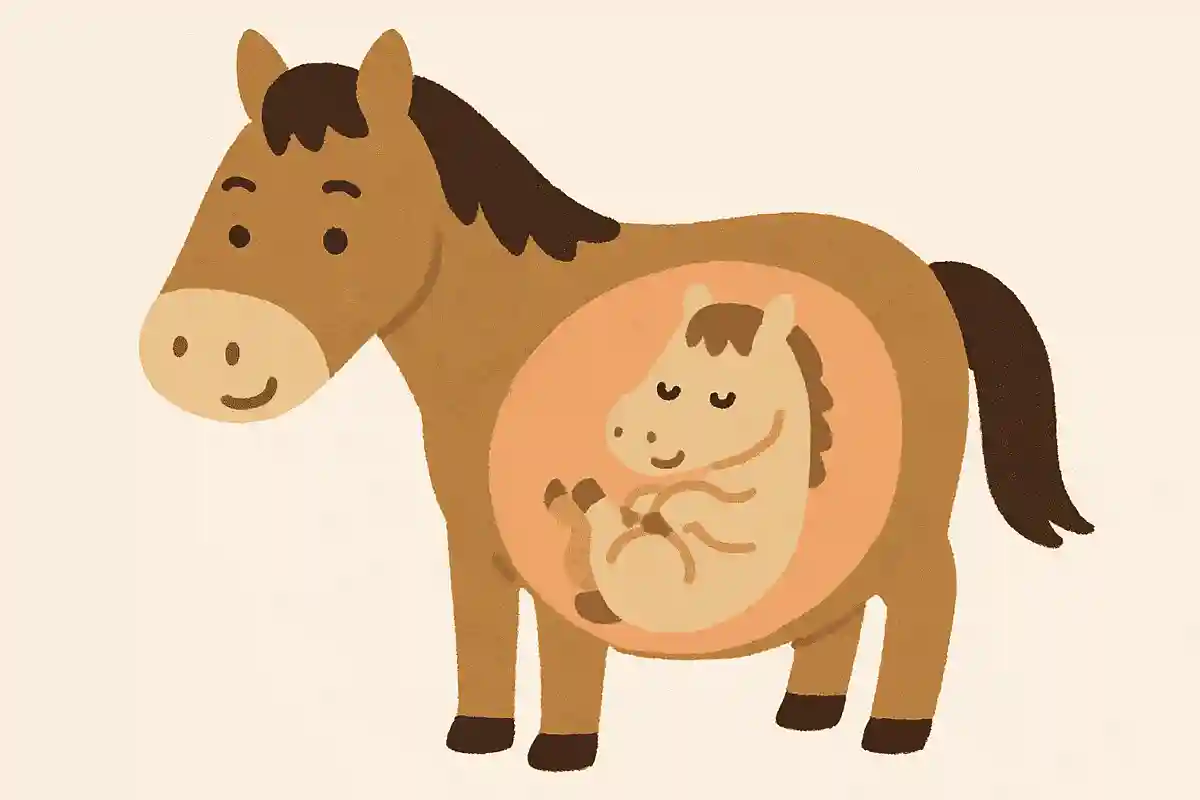
A foal stays in its mother’s womb for about 11 months.
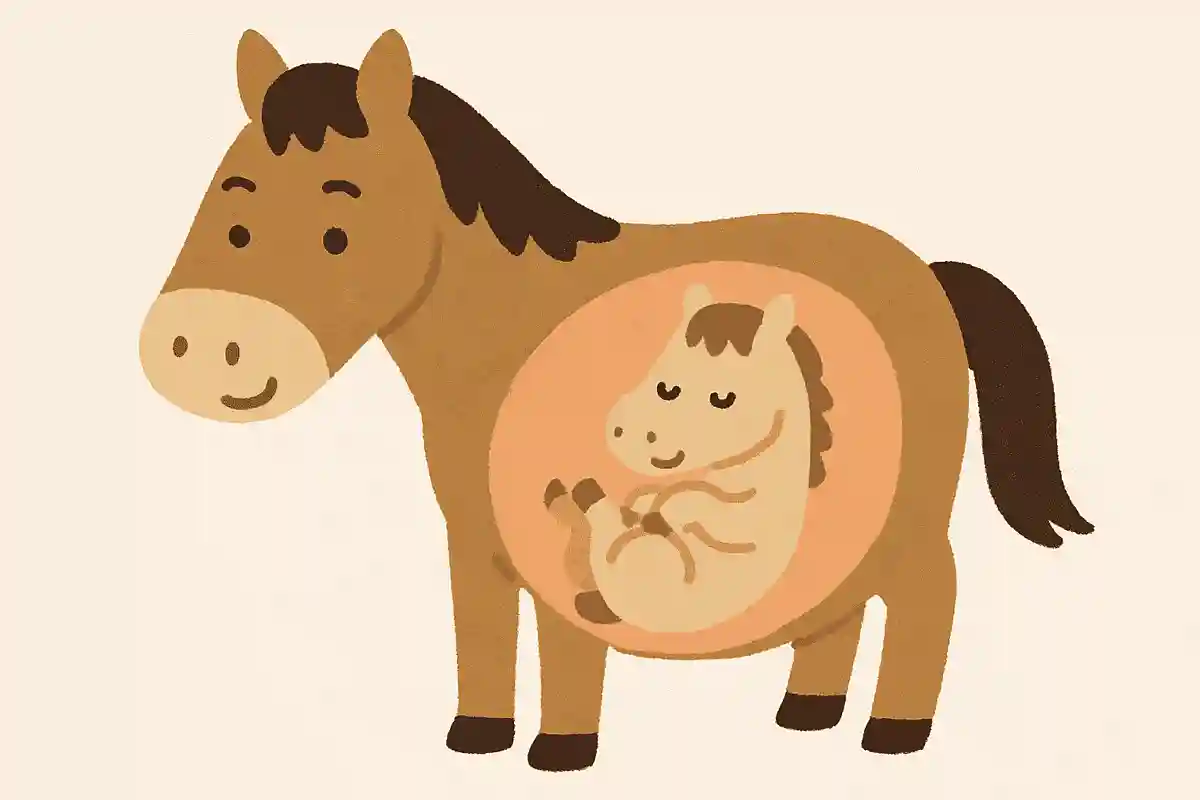
A foal grows slowly in its mother’s womb over about 11 months.
This is a bit longer than for humans, but thanks to that, a foal is able to stand up and start walking on its own soon after birth.
Even as a newborn, it begins to learn about the world little by little while staying with its mother.
This long time in the womb is an important period that develops the foal’s body and strength, as well as a strong bond with the mare.
It’s a bit of trivia that invites us to imagine the growth of a small life and feel the wonders of nature.

Sleep duration is about 3 hours
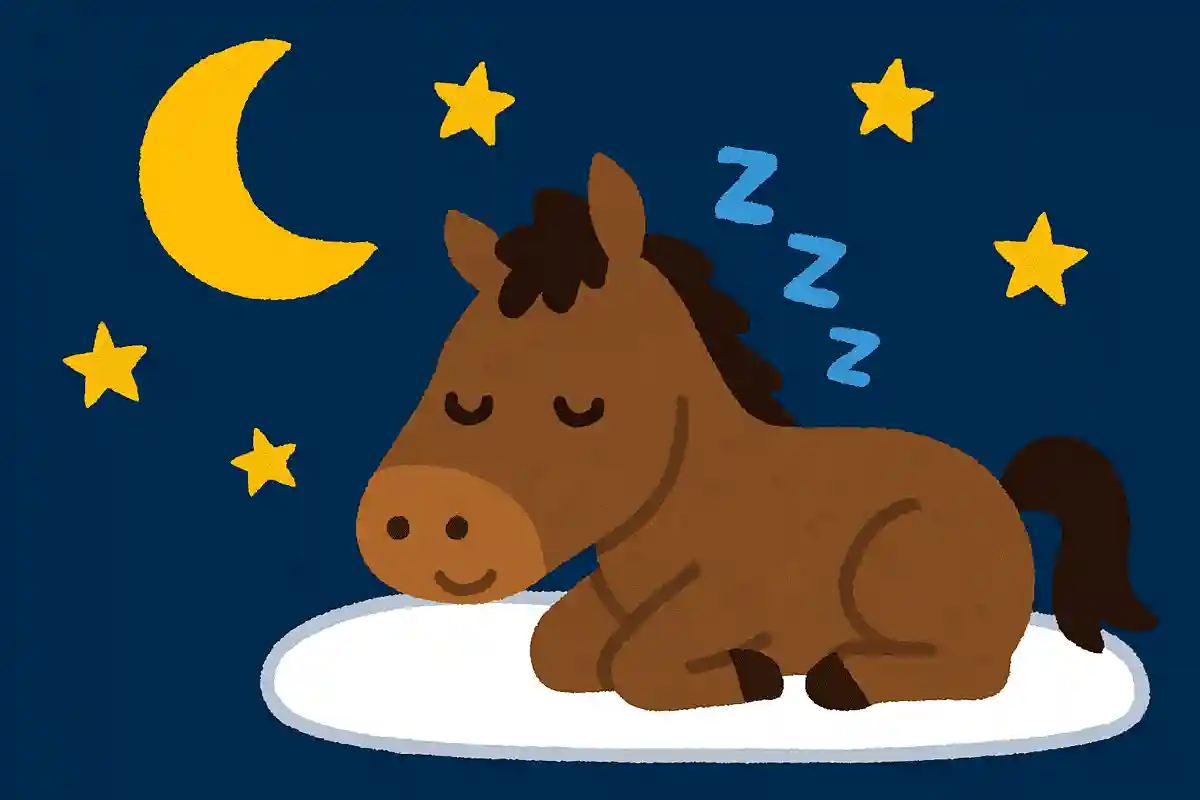
Considering that humans sleep about eight hours a day, it’s surprisingly short, isn’t it? Horses are easy targets for predators like carnivores, and because they are herbivores, they spend a very long time eating.
Their short sleep duration is thought to be mainly due to those two factors.
Unlike humans, horses can sleep while standing.
They rest one of their four legs and sleep standing on the other three.
If you’re curious, carefully observe a horse that isn’t moving.
When they don’t need to be on alert or when they’re tired, they will lie down to sleep.

I have a sixth sense.
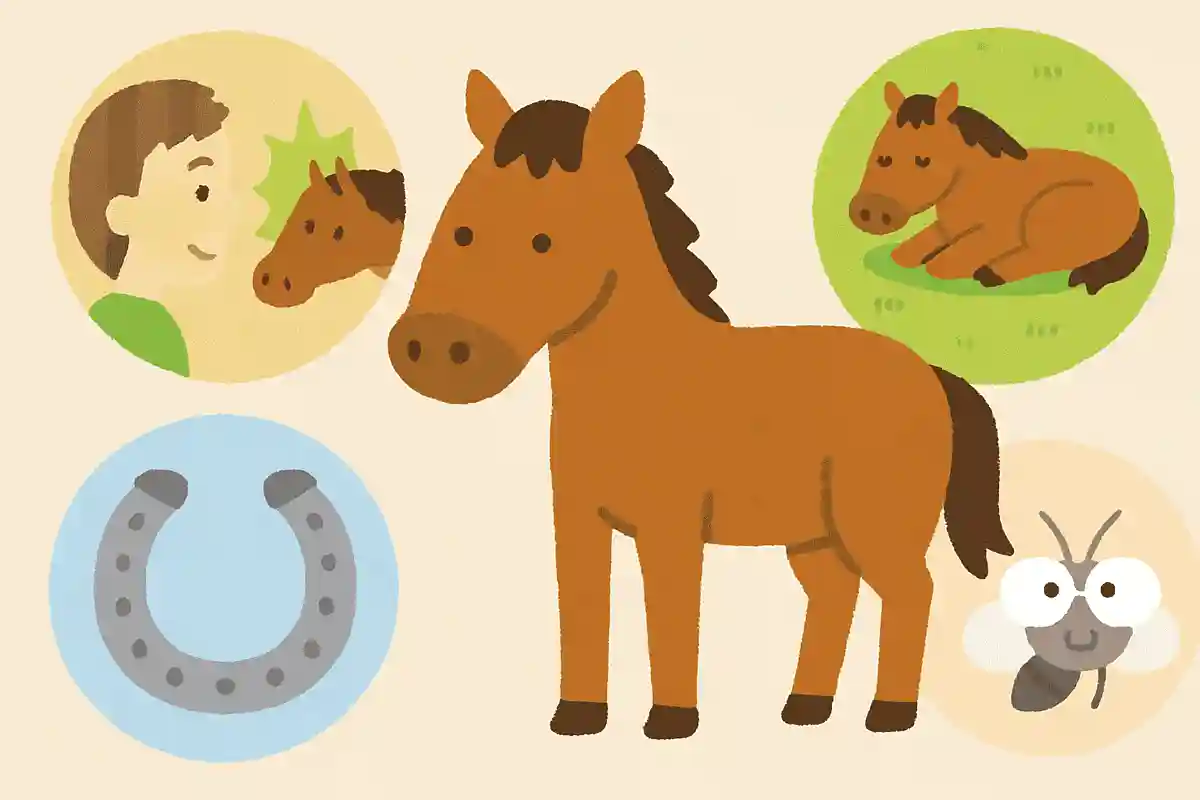
The ability to grasp the essence of things… the sixth sense.
It’s a word often used in human society—we might say, “That person has a sharp sixth sense,” right? Horses are said to be especially gifted in this ability; they can supposedly sense the feelings of the rider.
It’s even said that if the rider thinks they’re no good, the horse won’t get good results in a race.
Of course, since horses don’t speak, we can’t know for sure, but precisely because they don’t speak, there may be things that can only be explained by that sixth sense.
Sweat turns white and foamy.
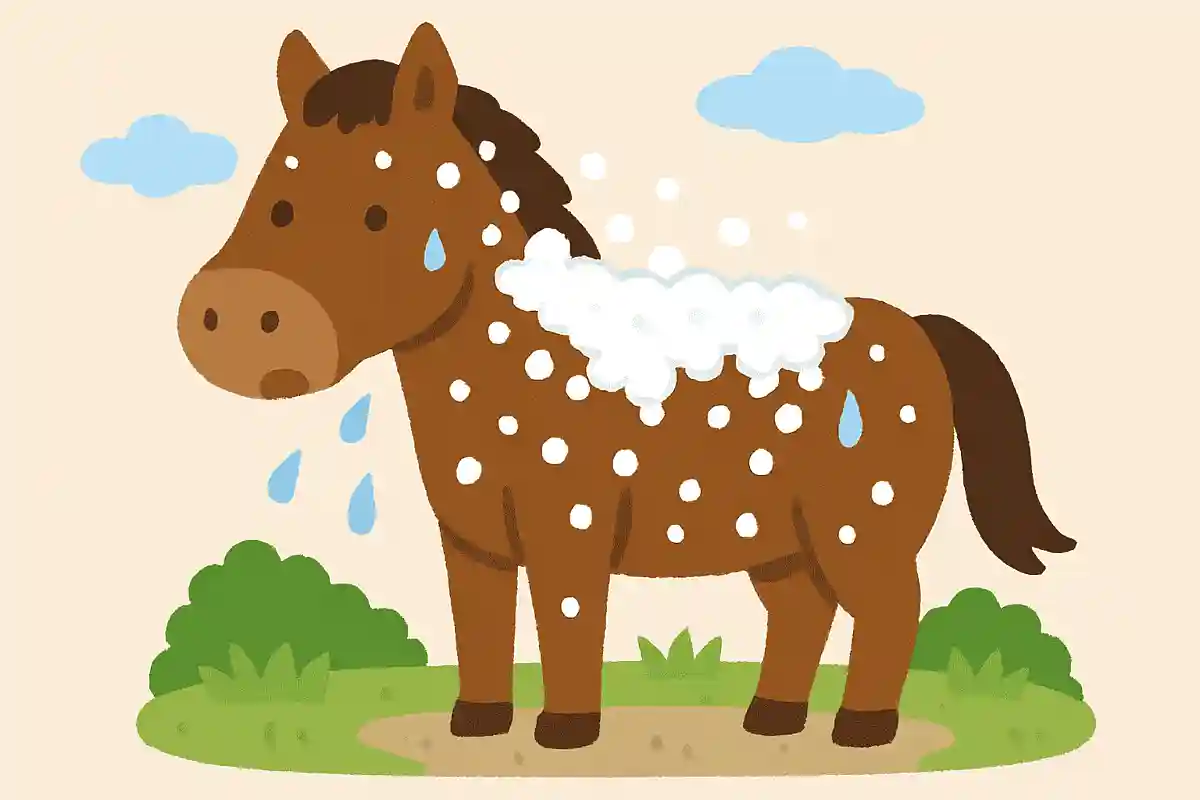
Horse sweat has characteristics that are a bit different from human sweat.
When horses exercise intensely or become tense, the sweat they secrete can turn white and foamy.
This is because horse sweat contains a high amount of proteins and minerals, and after exercise you can often see small bubbles forming between the hairs on their coat.
Although it may look surprising, this feature—“sweat that turns white and foamy”—is an important sign of horses’ physiological wisdom and capability.
It’s a neat piece of trivia that offers a glimpse into the remarkable workings of a horse’s body.

“Miniature horse” is a breed name; it does not mean a foal.
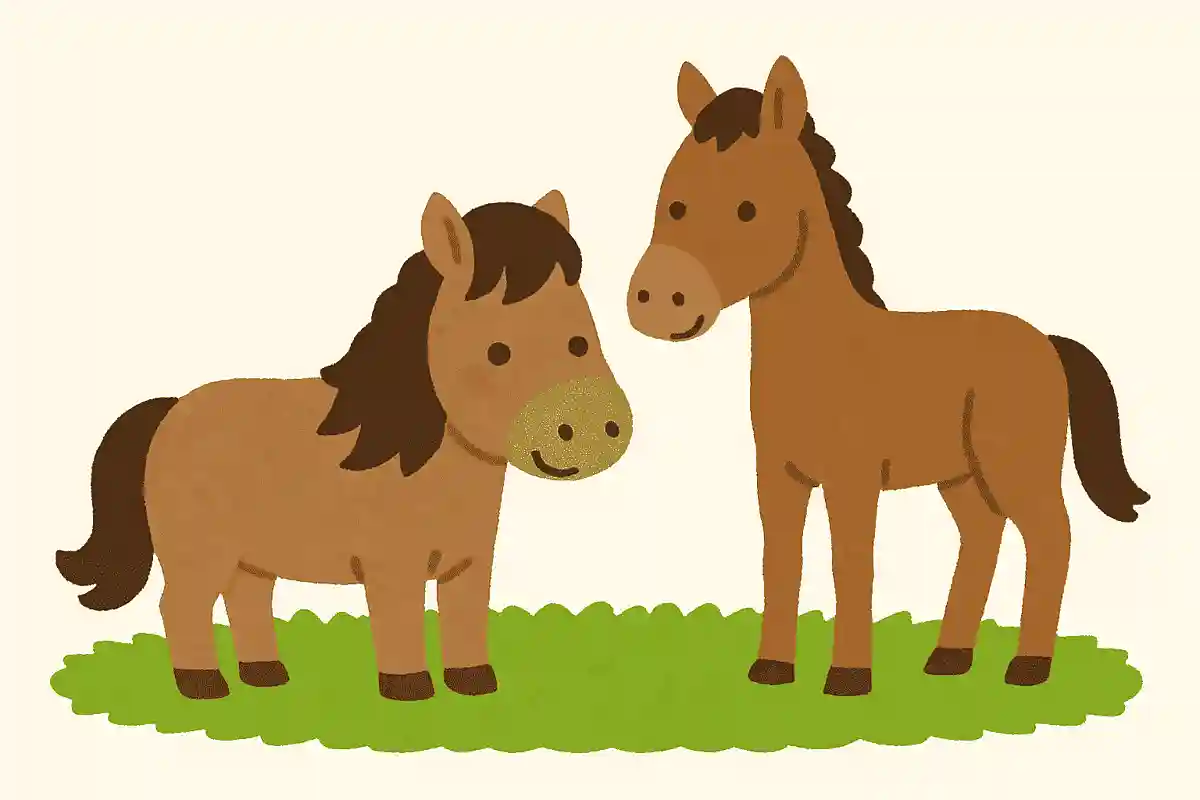
A miniature horse is not a foal but a distinct breed of fully grown horse.
Though small, it is a completely mature horse, selectively bred to stand around 80 cm at the withers.
It looks very much like an adorable foal, but regardless of age or sex, it is treated as an adult horse.
Because of their size, they are often kept like pets; however, their temperament and habits are the same as those of regular horses, so proper care, exercise, and health management are essential.
While their appearance is cute, it is important to treat them with the respect due to an adult horse.
A foal stands up about an hour after it is born.
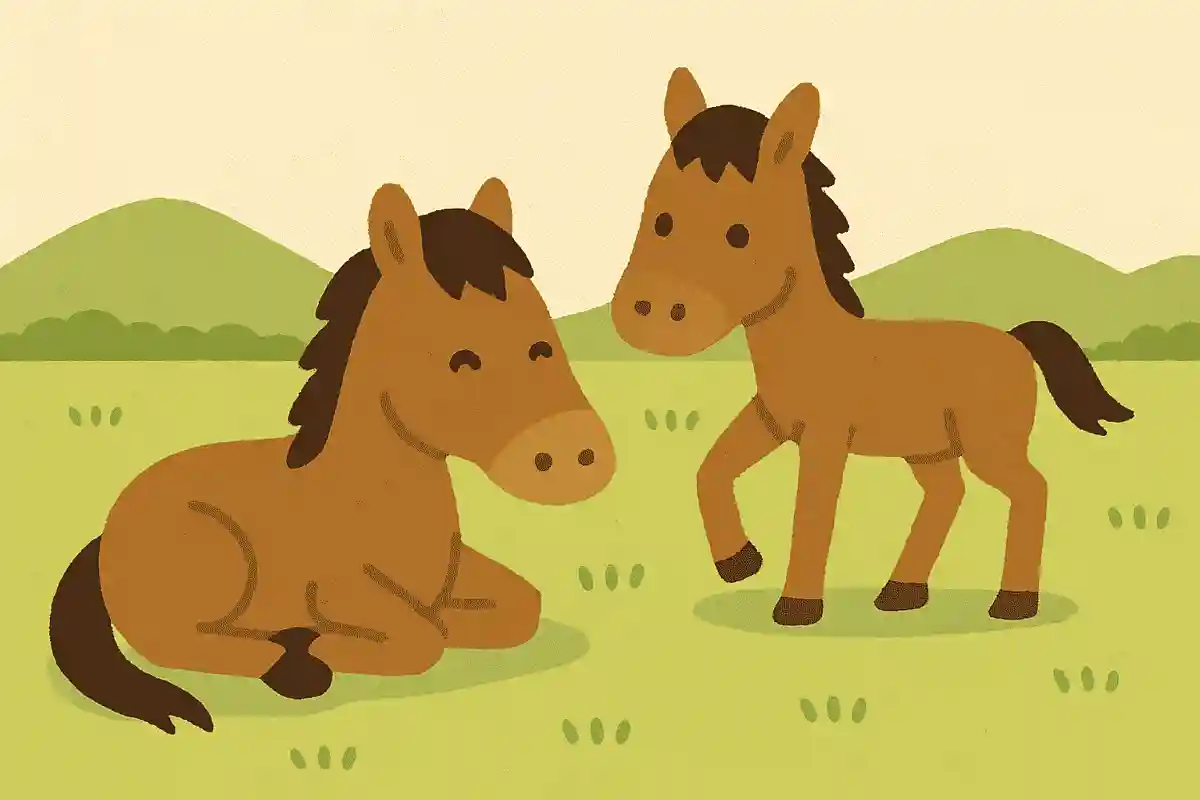
A foal can stand on its own legs roughly an hour after birth.
Although a newborn foal is still wobbly, within tens of minutes it can stand firmly and begin nursing from its mother.
This rapid self-sufficiency speaks to the horse’s exceptional physical abilities and innate athleticism.
Seeing a foal stand up on its own so soon after being born truly showcases the horse’s vitality—an astonishing aspect of its biology.
On roads, it is treated as a light vehicle.
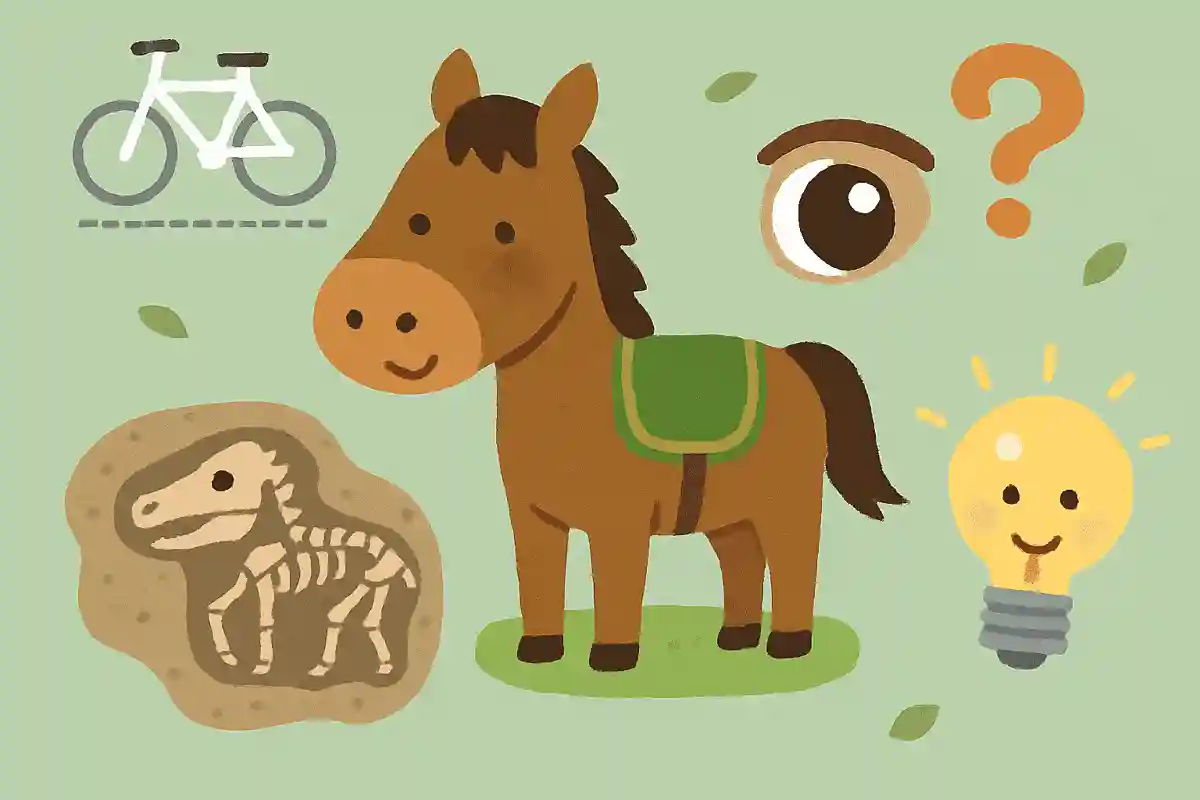
On public roads, horses are treated as “light vehicles,” the same category as bicycles and small motorbikes.
If you are riding a horse, you must obey traffic signals and rules, and as a rule you should travel on the roadway, not the sidewalk.
These regulations are in place to protect the safety of both the horse and those around it, and it’s important to maintain appropriate distance from cars and pedestrians.
When you encounter a horse in a town or on a country road, you should understand its status as a light vehicle and approach the situation slowly and carefully.
By remembering this lesser-known rule, you can coexist safely with horses.