


Tokugawa Ieyasu was the first shogun to establish the Edo shogunate and is one of the most important figures in Japanese history.
Nikkō Tōshōgū Shrine was built to honor his dignity and achievements.
This time, we’ve prepared various questions about Ieyasu’s tomb.
How much do you know about Ieyasu’s life, Nikkō Tōshōgū, and Ieyasu’s tomb?
Solving quizzes can also help older adults maintain cognitive function.
By gaining a deeper understanding of Ieyasu’s tomb, you can engage with Japanese history and culture and share that knowledge with others.
We encourage you to give it a try.
- For seniors: Introducing a quiz about Ieyasu’s tomb!
- [For Seniors] Introducing trivia quizzes about Toyotomi Hideyoshi!
- [For Seniors] How many can you answer? Introducing a local quiz about Shizuoka Prefecture
- [For Seniors] Fun! Let’s Get Excited with Japan’s Number One Quiz
- Recommended for seniors! Liven up your event with a Respect-for-the-Aged Day quiz!
- Fun facts quiz about Sensō-ji: Trivia questions about Kaminarimon and nearby facilities (for seniors)
- [Enjoyable History Quiz] Easy multiple-choice (3 options) quiz that’s accessible for seniors!
- [Local Quiz for Seniors] Rediscover the Charms of Nagano! Introducing Famous Tourist Spots and Delicious Local Specialties
- [For Seniors] Introducing Local Quizzes from Mie Prefecture!
- [For Seniors] Informative and Fun Obon Quiz
- [For Seniors] Kanagawa Prefecture Local Quiz! Learn more while having fun
- [For Seniors] A Quiz to Discover the Charms of Tokyo Skytree
- For Seniors: Useful Trivia Questions! Introducing Fun Facts Quizzes You'll Want to Share
For seniors: Introducing a quiz about Ieyasu’s tomb!
Besides Ieyasu, there is another person enshrined at Nikkō Tōshōgū. Along with Toyotomi Hideyoshi, who is it?
- Oda Nobunaga
- Akechi Mitsuhide
- Minamoto no Yoritomo
See the answer
Minamoto no Yoritomo
Minamoto no Yoritomo died in 1199, and his remains were buried in Doi-go, a domain of the Hojo clan located in present-day Izu City, Shizuoka Prefecture. However, in 1617, in accordance with Tokugawa Ieyasu’s will, he was reinterred at Nikko Toshogu Shrine.
What material is Ieyasu’s grave made of?
- gold
- Silver
- copper
See the answer
copper
Ieyasu’s remains are placed in a copper coffin.
How long was Ieyasu’s body kept at Kunōzan before it was transferred to Nikkō Tōshōgū?
- 1 year
- 2 years
- 3 years
See the answer
2 years
Before being transferred to Nikko Toshogu Shrine, Ieyasu’s remains were kept at Kunozan Toshogu Shrine for about two years.
What is the name of the shrine that enshrines Tokugawa Ieyasu?
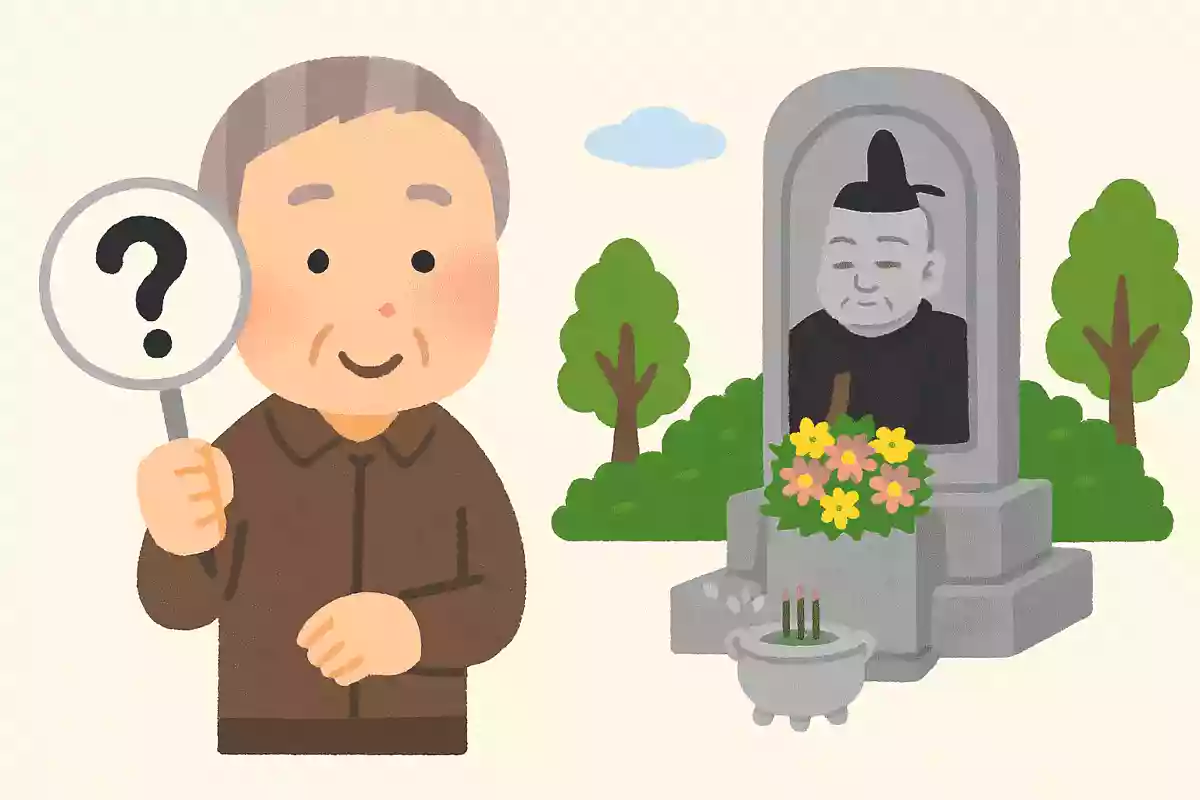
- Tōshōgū Shrine
- Nishi Shogu Shrine
- Nanshōgū
See the answer
Tōshōgū Shrine
After Tokugawa Ieyasu passed away, he was given the title “Tōshō Daigongen” and became an object of veneration. Even today, shrines across Japan with the name “Tōshōgū” are dedicated to enshrining Tokugawa Ieyasu.
What is the architectural style of the buildings at Nikko Toshogu Shrine?
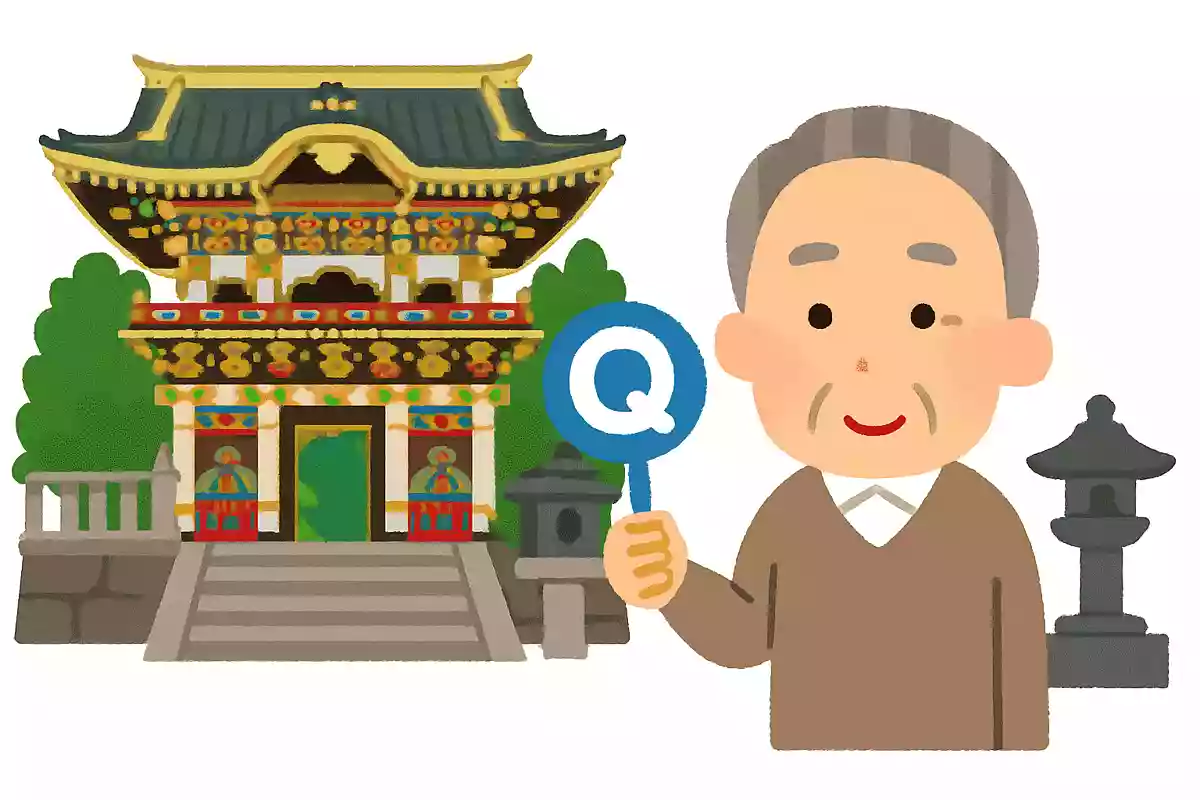
- Gongen-zukuri (Gongen style)
- Made in Japan
- polite form
See the answer
Gongen-zukuri (Gongen style)
Gongen-zukuri is one of the architectural styles of Japanese Shinto shrines, also known as ishinoma-zukuri. It connects the main sanctuary (honden) and the worship hall (haiden) with a central hall called the ishinoma, and from above it characteristically appears in the shape of the Japanese katakana character “エ.”
About how much was the total construction cost of Nikkō Tōshōgū, which is said to be Ieyasu’s tomb?
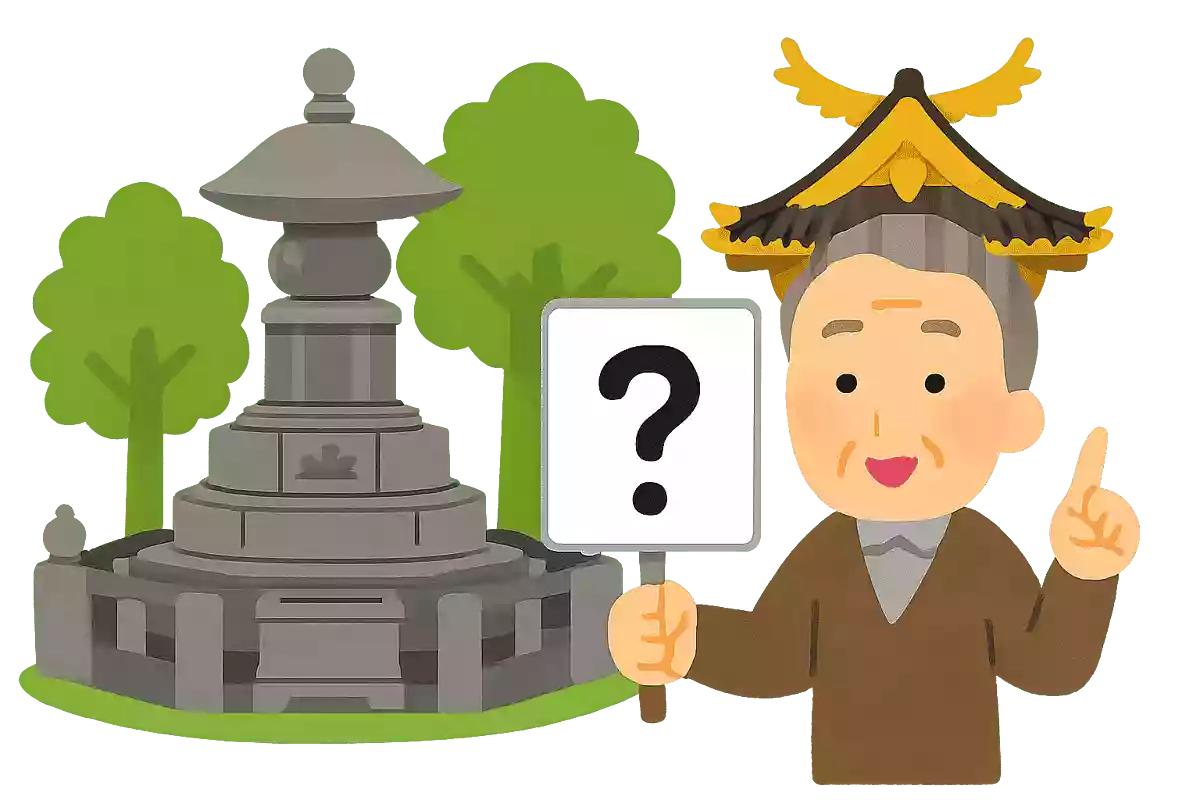
- 10 million yen
- 1 billion yen
- 200 billion yen
See the answer
200 billion yen
Nikkō Tōshōgū uses a lot of gold on the buildings themselves.
When was Ieyasu’s tomb designated as a National Treasure?
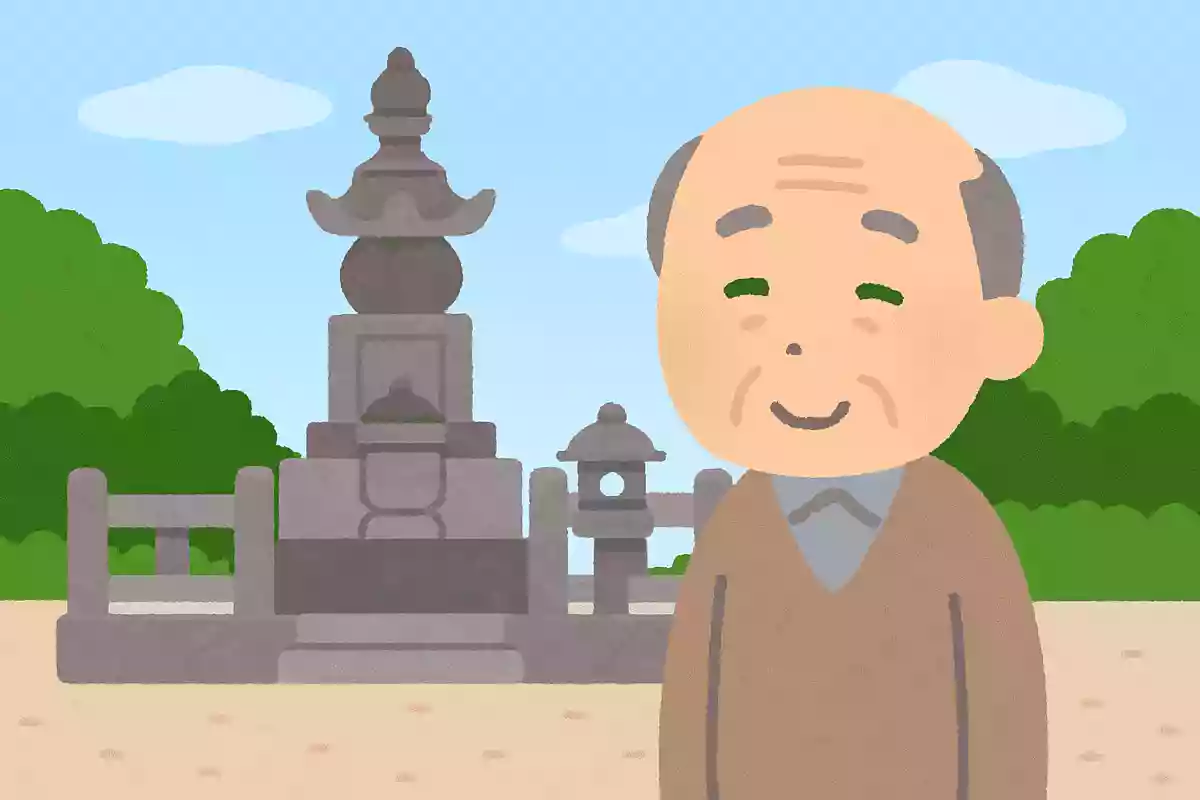
- Shōwa
- Meiji
- Taisho
See the answer
Meiji
In 1909 (Meiji 42), Ieyasu’s tomb was designated a National Treasure, as it is an important structure in Japanese history.