

A collection of simple indoor recreational games


Looking for team-based games that can get everyone excited indoors? Indoor recreational activities that use open spaces and simple tools actually hide a lot of charm.
From easy games using familiar items like balloons and plastic bottles to idea-driven challenges that make the most of teamwork, we’ll introduce a variety of fun options.
Why not discover new ways to play with your friends and family? Welcome to the world of indoor recreation, where everyone can smile!
- [Simple Games] Recommended Indoor Recreational Activities for Adults
- [Play Right Away!] Exciting Recreation Games Recommended for Elementary School Students
- [Elementary School] Quick and Easy! Indoor Recreational Activities Perfect for Lower Grades
- Recommended for upper elementary grades! Exciting indoor recreation and games
- Get the Fun Going! Easy Classroom Games You Can Play at School: Recreational Activities for the Whole Class
- [Children’s Club] Easy and fun indoor games. Exciting party games
- Team-based recreational activities for adults that are fun even with large groups
- [Part 2] Recommended Indoor Activities and Recreation Games for December
- Games you can play with just conversation. Classic and popular activities you can enjoy without any props!
- Games and activities everyone can enjoy together. A collection of fun play ideas.
- Elementary School Fun Day a Big Hit! Indoor Game Idea Collection
- Fun Indoor Games for Elementary School Kids Without Any Equipment
- A simple and fun co-op game that enhances teamwork
Wordplay & Quiz Game (1–10)
30-second guessing game

This is a game where you rely solely on your internal body clock to try to stop a stopwatch at exactly 30 seconds.
The rule is simple: press start and stop using only your sense of timing, without looking at any numbers, so you can add all kinds of variations.
You could keep a conversation going while measuring the time, or have people around you call out random numbers to distract you—both would likely make it more exciting.
You can also try closing your eyes to sharpen your senses, or keeping a rhythm to feel the passage of time.
Experiment with whatever method works best for you.

Treasure Hunt Game

Easy at-home treasure hunt! This game is recommended when you want to play with young children.
The theme is “Something in the house that’s ___!” and you give lots of clues about the treasure.
For example, if the treasure is a stuffed rabbit at home, you might give hints like, “It’s white, fluffy, and has long ears.” Imagining from the clues helps develop thinking skills, and when you talk and listen a lot—recognizing and empathizing with your child—it nurtures their confidence.
It’s wonderful: while playing, they grow emotionally and build the ability to think and act on their own.
Perfect for times when you want to have fun with your child!

Chinese character telephone game on the back

This is the “back writing telephone game,” where you write characters on the back of the person in front and pass the message along.
With simple words or a small number of players, it’s fairly easy, but when there are many people or you have to pass a full sentence instead of a word, it becomes very difficult.
Of course, you must not give verbal hints.
Will you be able to convey the message accurately?

Drawing Shiritori

Shiritori is a classic pastime for killing time.
Let’s try “Drawing Shiritori,” a version that makes the game even more fun and exciting! You draw a picture and show it to the next person, who then draws another picture based on a word that connects to what they see—and so on.
All you need is paper and a pen, so you can play anywhere.
If someone isn’t good at drawing, the chain might break, but it gets hilariously lively.
Wordplay & Quiz Games (11–20)
Majority Game
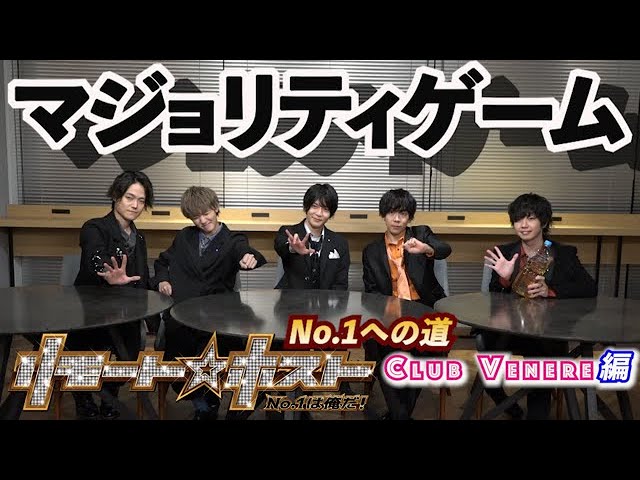
As we go about our days without thinking much, we tend to assume that our thoughts and actions are shared by the majority, and we may not realize we’re actually in the minority.
This is a game that lets you see everyone’s perspectives and also check whether your own opinion is in the minority or majority.
You pose a two-choice question you believe most people will agree with, everyone answers at the same time, and those in the minority have to do a penalty.
The stronger someone’s preconceptions, the bigger the shock might be when they find out they’re in the minority.
Without Katakana

In everyday life, we often use words written in katakana.
Here, we’d like to introduce “Katakana-ashi,” a game where you explain a given topic without using katakana.
For example, you show a ball used in P.E.
and ask, “What is this?” The answer will likely be “ball.” Next, have them describe the ball without using any katakana.
Children will likely search for answers by thinking of various words in their heads.
Try switching the roles of questioner and answerer and give it a go.

stereo game

Perfect for quick play! Here’s an idea for a “stereo game.” First, recruit a question team: about three to four people come to the front.
Decide on a theme, and then, at the cue “Ready, go!”, each questioner simultaneously says something that fits the theme.
Everyone else tries to guess who said what.
You can add extra rules depending on the number of players and how familiar everyone is with the game.
It’s a unique game that’s great for spare moments or breaks, so give it a try!