

[Intermediate Level] Cool Piano Pieces You Can Play [Great for Recitals Too]


You’ve moved beyond the beginner stage, but you still need a bit more experience to tackle advanced pieces… This time, we’ve gathered a cool selection of pieces that are perfect for anyone looking for intermediate-level piano music.
From delicate tones to powerful resonance, from lyrical moods to lively vibes—the expressive range of the piano is limitless!
We’re excited to introduce wonderful pieces that let you fully savor the instrument’s charm.
Alongside classic staples, we’ve included a wide variety of selections such as film music and pop tunes.
These pieces are all great choices for recitals, so if you’re unsure what to work on next, be sure to check them out!
- [Intermediate Level] A curated selection of piano masterpieces featuring strikingly brilliant melodies!
- [For Intermediate Players] Challenge Yourself! Recommended Masterpieces That Shine at Piano Recitals
- It’s so cool if you can play these on the piano! A selection of irresistibly charming masterpieces.
- [For Elementary School Students] Brilliant, Showy Masterpieces That Sound Impressive at Piano Recitals
- [For Adults] Recommended for Piano Recitals! A Curated Selection of Impressively Sounding Masterpieces
- [Piano Recital] Perfect Pieces for Middle Schoolers! A Curated Selection of Impressive, Audience-Pleasing Works
- Piano Masterpieces: Surprisingly Easy Despite Sounding Difficult!? A Curated Selection Perfect for Recitals
- [Intermediate] Recommended Piano Duets | A Curated Selection of Cool and Dazzling Pieces
- [Piano Recital] Recommended for Boys! A Curated Selection of Cool, Impressive, and Popular Pieces
- Beginner to Intermediate: Chopin pieces with relatively low difficulty. Recommended works by Chopin.
- [For Advanced Players] A Curated Selection of Classical Masterpieces to Tackle at Piano Recitals
- [For Piano Recitals] Simple yet Cool Classical Pieces
- [Classical Music] All pieces under 3 minutes! A collection of short and cool piano pieces
[Intermediate Level] Cool Piano Pieces You Can Play [Also Great for Recitals] (111–120)
Piano Concerto No. 2 in C minor, Op. 18, Movement ISergei Rachmaninov
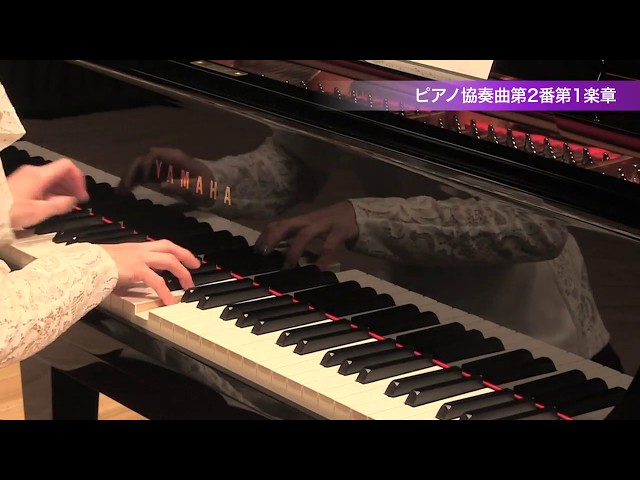
Sergei Rachmaninoff’s signature concerto, Piano Concerto No.
2 in C minor, Op.
18, is frequently heard in many contexts, such as figure skating programs and as background music in TV shows and films.
Although it is known as an extremely difficult work, its popularity has led to many published arrangements, so by choosing a score that suits you, even beginner and intermediate pianists can try it with ease.
In the first movement, the opening section can be performed as written in the original! Enjoy playing it as if you were performing with an orchestra.

Humoresques, Op. 101 No. 7Antonin Dvořák

Antonín Dvořák’s masterpiece, Humoresques, is notable for its gentle, relaxed melody.
This time, I’d like to introduce No.
7 from the set, Humoresques, Op.
101.
The key points of this piece are reading the score and the modulation section.
As for reading the score, it presents a fairly high level of difficulty for beginners.
Then there’s the modulation section: octaves appear suddenly, so be sure to warm up your fingers thoroughly before tackling it.

Children’s Piano Piece: Etude AllegroNakata Yoshinao

This elegant and refreshing étude in C major is a captivating piece woven from continuous sixteenth notes and richly varied phrases.
Its brisk tempo and the brilliant shimmer of glissandi are sure to enchant audiences at recitals.
The work was released as the final piece in the acclaimed 1956 album Children’s Piano Pieces, which comprises 17 works.
By cherishing clarity of articulation while incorporating tempo changes and dynamic contrasts, performers can achieve a balance of technical proficiency and musical expression.
It is an ideal choice for those seeking to develop finger independence or looking for a dazzling recital piece.
In conclusion
How was it? This time, I introduced some cool, intermediate-level pieces you’ll want to play on the piano—perfect for recitals. We covered a variety of distinctive works featuring elements like beautiful melodies, fast tempos, and powerful touch. Of course, it’s important to choose pieces that match your level, but picking songs you’re familiar with or have long admired can make practicing even more enjoyable. I hope this helps you select a recital piece or inspires you to take on a slightly more challenging goal.