

Fun facts you’ll want to share! January trivia and tidbits special

There are surprisingly many things about New Year’s customs and January-only traditions that we think we know but actually don’t.
From the wishes embedded in osechi cuisine and the true identity of the fruit placed atop kagami mochi, to things you shouldn’t do during the New Year period, January is full of trivia and fun facts that can liven up conversation.
In this article, we’ll introduce plenty of general-interest trivia and tidbits related to January.
Why not bring them up as topics during family gatherings with relatives over the New Year?
- [For Kids] January Trivia Quiz & Fun Facts: Learn About the New Year in a Fun Way
- Useful right away in daily life! Surprising trivia and handy tips
- Let's get excited with a New Year quiz! General questions about the Japanese New Year
- [Perfect for New Year Parties] Recommended Psychology Test for January
- So interesting you’ll want to tell someone! December Trivia & Fun Facts Special
- Trivia quiz about schools: a roundup of fun facts you’ll want to brag about
- Trivia and fun facts about food (summary)
- [For Kids] December Trivia Quiz & Fun Facts! Learn about seasonal events and traditions!
- [For Kids] Today’s Quiz Roundup. Let’s play quizzes about today! [April 2026]
- [For Elementary School Kids] A New Year’s Quiz Everyone Can Enjoy! Learn surprising fun facts with multiple-choice questions
- New Year party games that get everyone excited: a fun collection of ideas from classics to DIY
- New Year’s Games: Traditional Play and Fun Activities That Excite Everyone from Kids to Adults
- Didn't want to know?! Fascinating and scary trivia & fun facts
Fun facts you’ll want to share! January Trivia & Tidbits (1–10)
You must not clean during the New Year
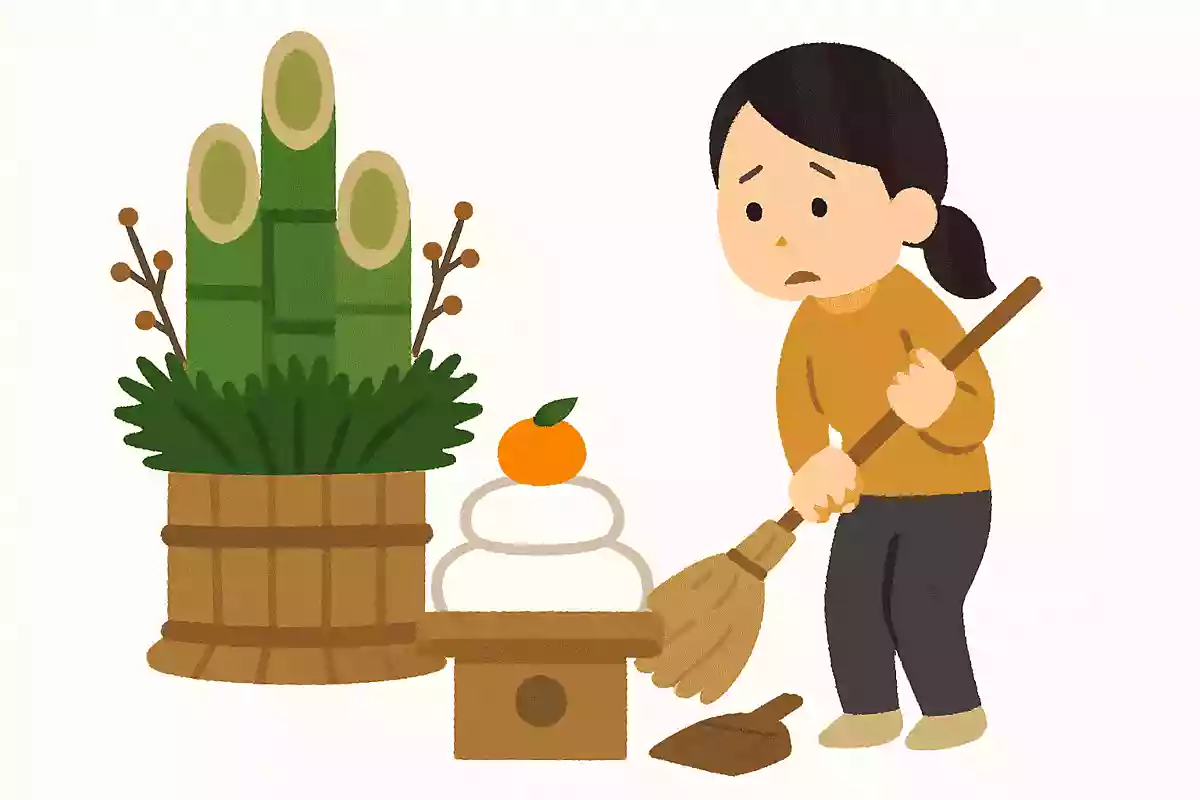
Although major housecleaning is something to be finished before welcoming the New Year, some people may be too busy and end up carrying it over into the next year.
However, postponing cleaning into the following year or cleaning during the New Year holidays is considered inauspicious.
The main reasons are that cleaning may drive away the Toshigami (New Year’s deity) or the god of good fortune, and that using water for cleaning prevents the water deity from resting.
On the premise that everything should be completed before the year turns, it might even be important to give up on cleaning if you feel you won’t finish in time.

The shape of the mochi used in ozoni differs between eastern and western Japan.
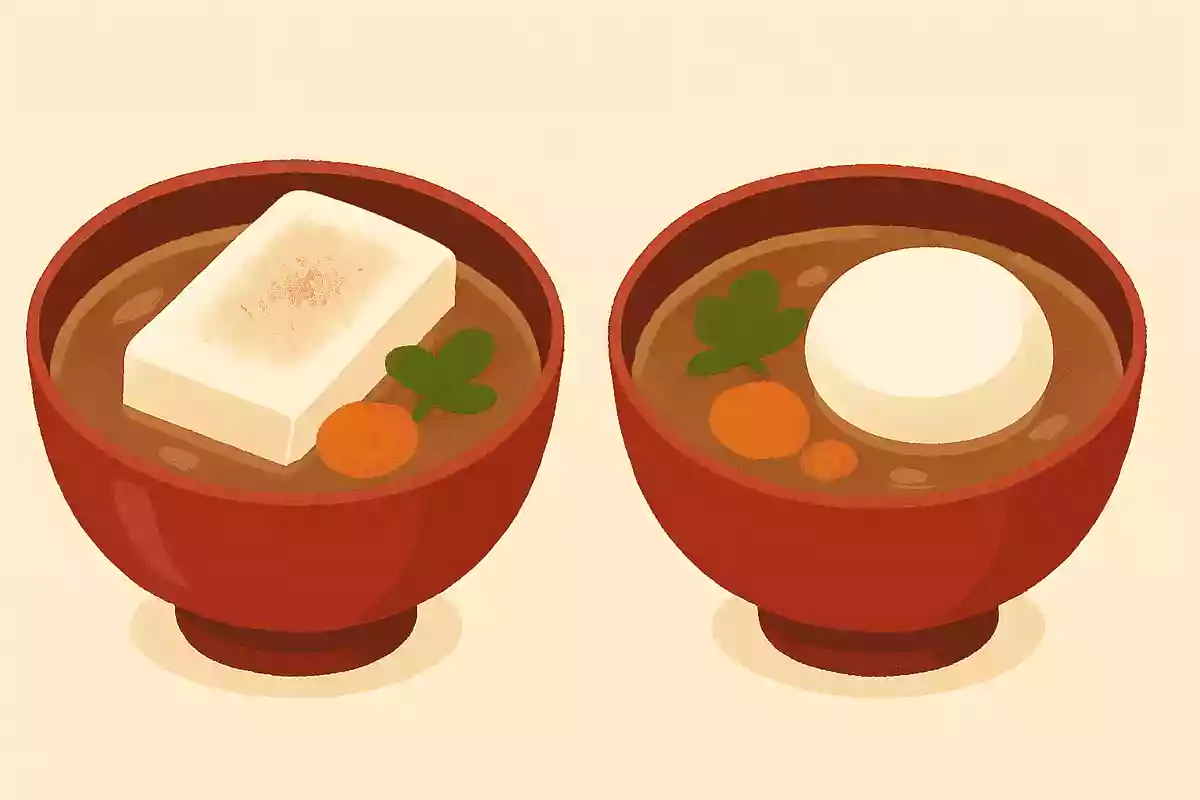
Ozoni is an indispensable part of New Year’s celebrations, and it’s interesting how the seasoning varies by region.
It’s also said that the shape of the mochi that always goes into ozoni differs between western and eastern Japan.
In eastern Japan, square mochi is used, while in western Japan, round mochi is typical—but the exact boundary between the two is somewhat unclear, which is another fun point.
Focusing on aspects like which type spread earlier, how they’re prepared, and other mochi-related details might lead to new discoveries.
In Kagawa Prefecture, people put mochi filled with sweet red bean paste into their New Year’s soup (ozoni).
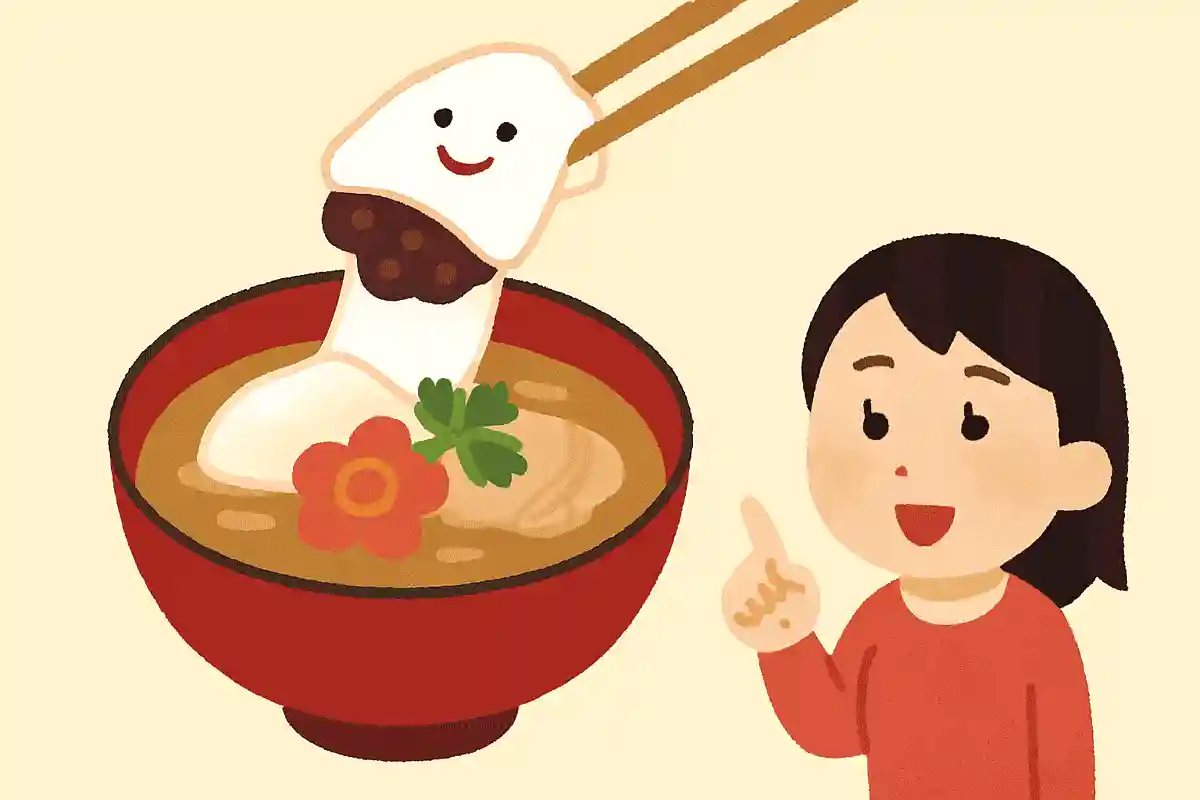
It’s well known that ozoni soup is typically made with white miso in the Kansai region and soy sauce-based broth in the Kanto region.
But even within Kansai, Osaka and Kyoto are said to have slightly different flavors, and in some coastal towns people eat a lighter, dashi-forward style of ozoni.
By the way, the shape of the mochi varies too: in the Chubu region square-cut mochi is common, while in Kyushu round mochi is the norm.
What is the ozoni like in your town? Even just talking about each region’s ozoni seems like it could get lively—regional pride aside.
As a unique variant, in Kagawa they put mochi filled with sweet red bean paste into the ozoni.
Sweet mochi in a dashi broth? It really makes you curious what it tastes like!
Fun facts you'll want to share! January trivia & tidbits (11–20)
It’s considered more auspicious for a datemaki (sweet rolled omelet) to be rolled to the right.
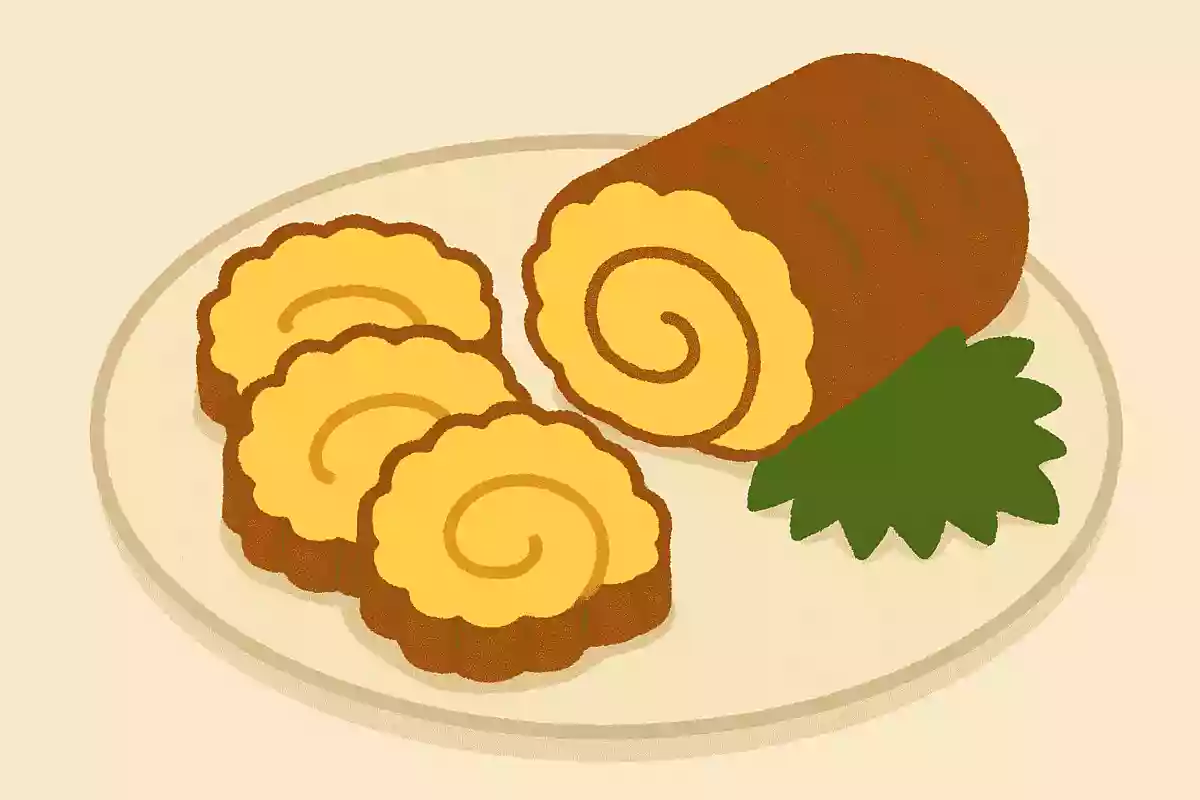
Datemaki is one of the classic dishes in osechi; its mild flavor makes it friendly for children, and its distinctive spiral appearance is part of its charm.
Rolling datemaki to the right is said to be more auspicious, and the ideal is to pack it in the jubako in the shape of the Japanese character “の.” This stems from yin-yang philosophy, in which a rightward spiral is associated with yang energy and is believed to attract positive energy; hence the idea that right-rolled datemaki is preferable.
Keeping this in mind and deciding clearly on the rolling direction and placement can also enhance the overall beauty of the osechi.
In the Hakone Ekiden, there was once an instance where a rickshaw puller ran as a ringer.

When it comes to major sports events during the New Year, the Hakone Ekiden comes to mind—both the competitors and the spectators seem to have a passionate spirit, don’t they? In a past edition of the Hakone Ekiden, there was an incident known as the “rickshaw runner incident,” in which a rickshaw puller was used as a ringer.
This scandal, caused by Nihon University in 1925 (Taisho 14), has been passed down as a curious episode.
A humorous detail is that the rickshaw puller supposedly gave himself away during an overtaking move by exclaiming “Arayotto,” revealing his true identity.
New Year’s gifts (otoshidama) were originally rice cakes, not money.

For children, otoshidama is one of the biggest events of the New Year, and many people probably remember looking forward to it.
Speaking of otoshidama, most people think of money, but originally it was a custom of sharing round kagami-mochi among family members.
The rice cakes carried the meaning of being a gift from the New Year deity (Toshigami-sama), and ozoni was the dish made to eat them.
While ozoni is an important cultural tradition, if that’s what you call otoshidama, children might feel a bit disappointed.
The full moon seen in January is called the “Wolf Moon.”

Since full moons occur at regular intervals, there are times when one falls in January.
The full moon observed in January is called the “Wolf Moon” in the United States.
The name originates from what Native Americans called it, inspired by the image of wolves howling from hunger during the harshly cold season.
It’s a term that clearly shows how severe the cold is in January even in the U.S.
Using this word as a starting point, it’s also recommended to explore the differences in winter cold between Japan and the United States.