


There are surprisingly many things about New Year’s customs and January-only traditions that we think we know but actually don’t.
From the wishes embedded in osechi cuisine and the true identity of the fruit placed atop kagami mochi, to things you shouldn’t do during the New Year period, January is full of trivia and fun facts that can liven up conversation.
In this article, we’ll introduce plenty of general-interest trivia and tidbits related to January.
Why not bring them up as topics during family gatherings with relatives over the New Year?
- [For Kids] January Trivia Quiz & Fun Facts: Learn About the New Year in a Fun Way
- Useful right away in daily life! Surprising trivia and handy tips
- Let's get excited with a New Year quiz! General questions about the Japanese New Year
- [Perfect for New Year Parties] Recommended Psychology Test for January
- So interesting you’ll want to tell someone! December Trivia & Fun Facts Special
- Trivia quiz about schools: a roundup of fun facts you’ll want to brag about
- Trivia and fun facts about food (summary)
- [For Kids] December Trivia Quiz & Fun Facts! Learn about seasonal events and traditions!
- [For Kids] Today’s Quiz Roundup. Let’s play quizzes about today! [April 2026]
- [For Elementary School Kids] A New Year’s Quiz Everyone Can Enjoy! Learn surprising fun facts with multiple-choice questions
- New Year party games that get everyone excited: a fun collection of ideas from classics to DIY
- New Year’s Games: Traditional Play and Fun Activities That Excite Everyone from Kids to Adults
- Didn't want to know?! Fascinating and scary trivia & fun facts
Fun facts you’ll want to share! January Trivia & Tidbits (1–10)
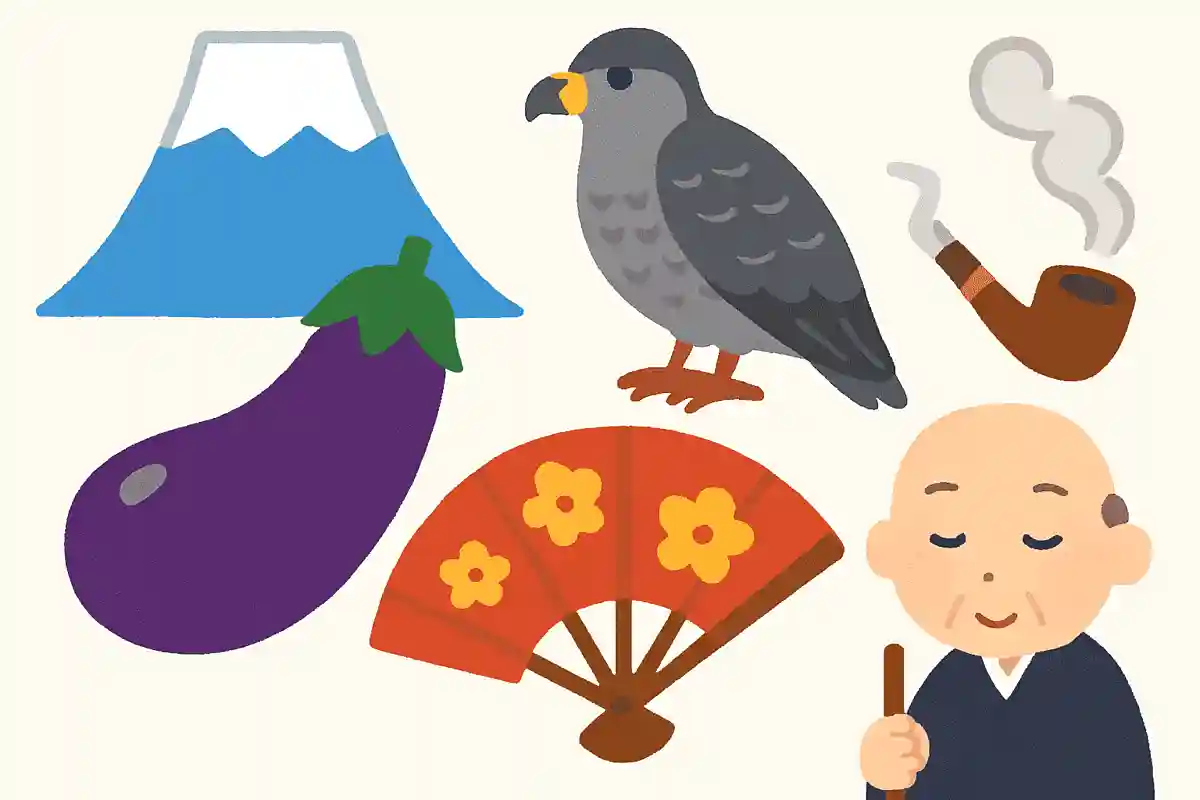
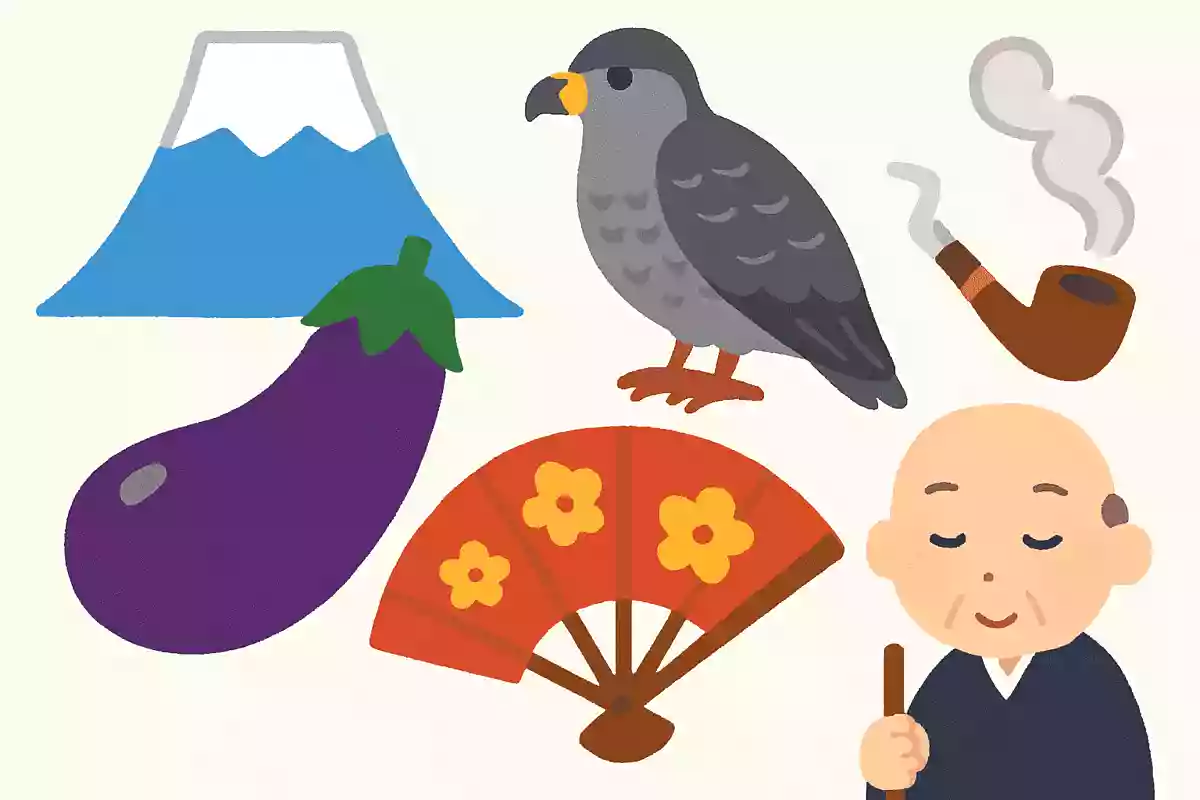
The saying “First Mount Fuji, second a hawk, third an eggplant” has a continuation: “four a folding fan, five tobacco, six a blind masseur.”
It’s nice when your first dream of the New Year contains auspicious signs that promise a healthy, happy year.
The classic symbols of good luck in such “hatsuyume” dreams are the famous trio: “ichi Fuji, ni Taka, san Nasubi” (first Mount Fuji, second a hawk, third an eggplant).
Less often mentioned is the continuation: “shi Ogi, go Tabako, roku Zatō” (four a folding fan, five tobacco, six a blind lute player).
Originally, these were spoken of as a set, but the first half is easier to picture as scenery, so it became the better-known part.
Taken together, they symbolize celebration and good fortune, so it’s a good idea to remember them as lucky omens.

In Thailand, people celebrate the New Year three times a year.
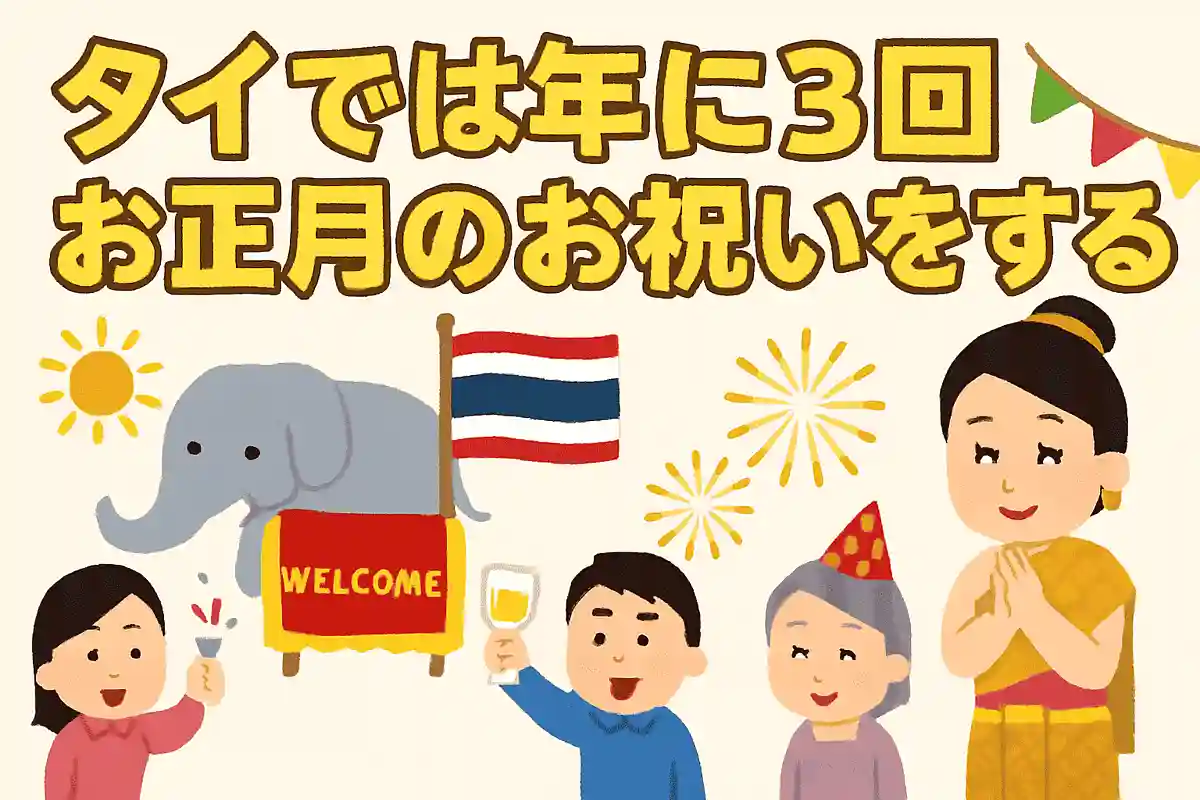
Thailand has three New Year celebrations.
First is New Year’s Day on January 1, which is recognized worldwide.
The second is the Lunar New Year, celebrated in parts of East Asia.
Many Chinese people return to their hometowns for this holiday, and the massive travel rush often makes the news.
The third is the traditional New Year, which Japan also observes; in Thailand it falls in April and is called Songkran.
Since the country stretches north to south, there may be some regional differences, but having three New Years sounds a bit enviable, doesn’t it?
In nanakusa-gayu, “suzushiro” refers to daikon (Japanese white radish).
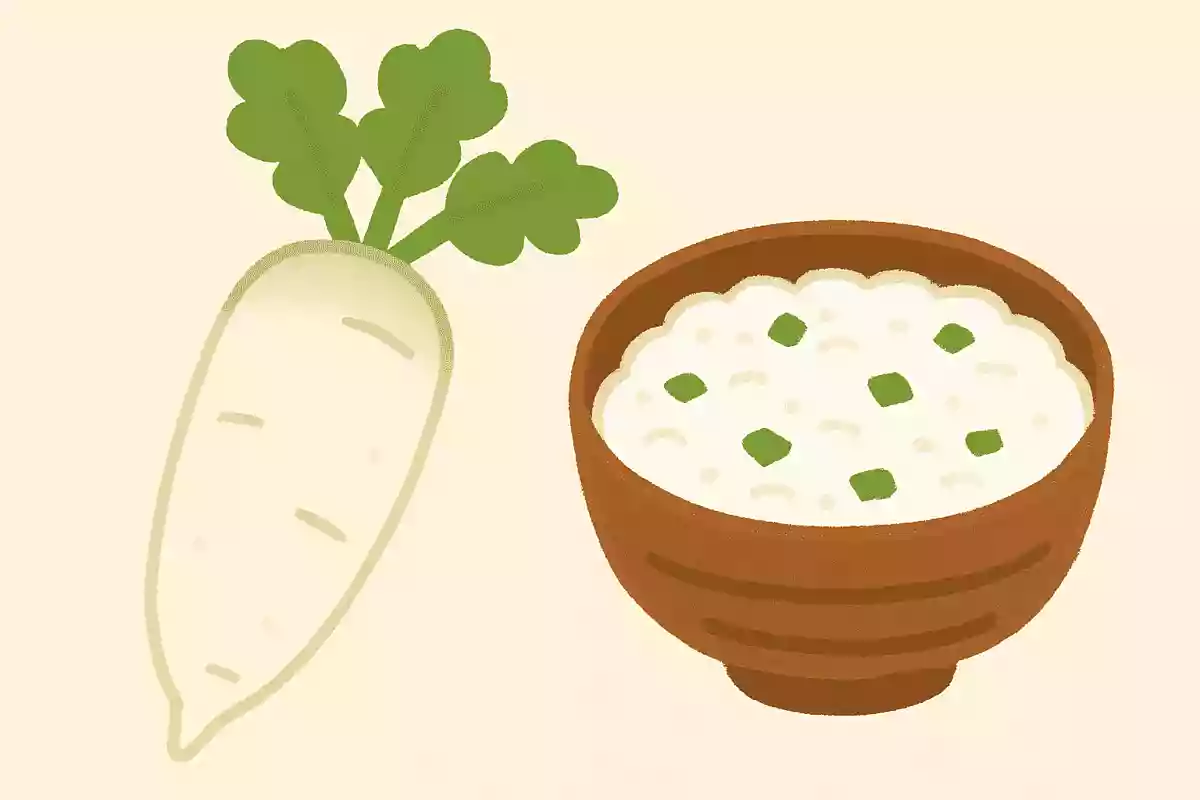
On January 7, known as the Festival of the Seventh Day (Jinjitsu), people eat nanakusa-gayu, a seven-herb rice porridge.
While it is eaten with wishes for health and safety, it also serves to rest the stomach after the indulgences of the New Year holiday.
Among the seven spring herbs used in nanakusa-gayu, the one called “suzushiro” refers to daikon radish.
Carrying the meaning of pure whiteness, daikon is said to aid digestion and promote beautiful skin.
Since many of the seven herbs are literally grasses, the inclusion of hearty daikon seems to add a satisfying substance to the dish.
Gantan refers only to the morning of January 1, while Ganjitsu refers to the entire day of January 1.
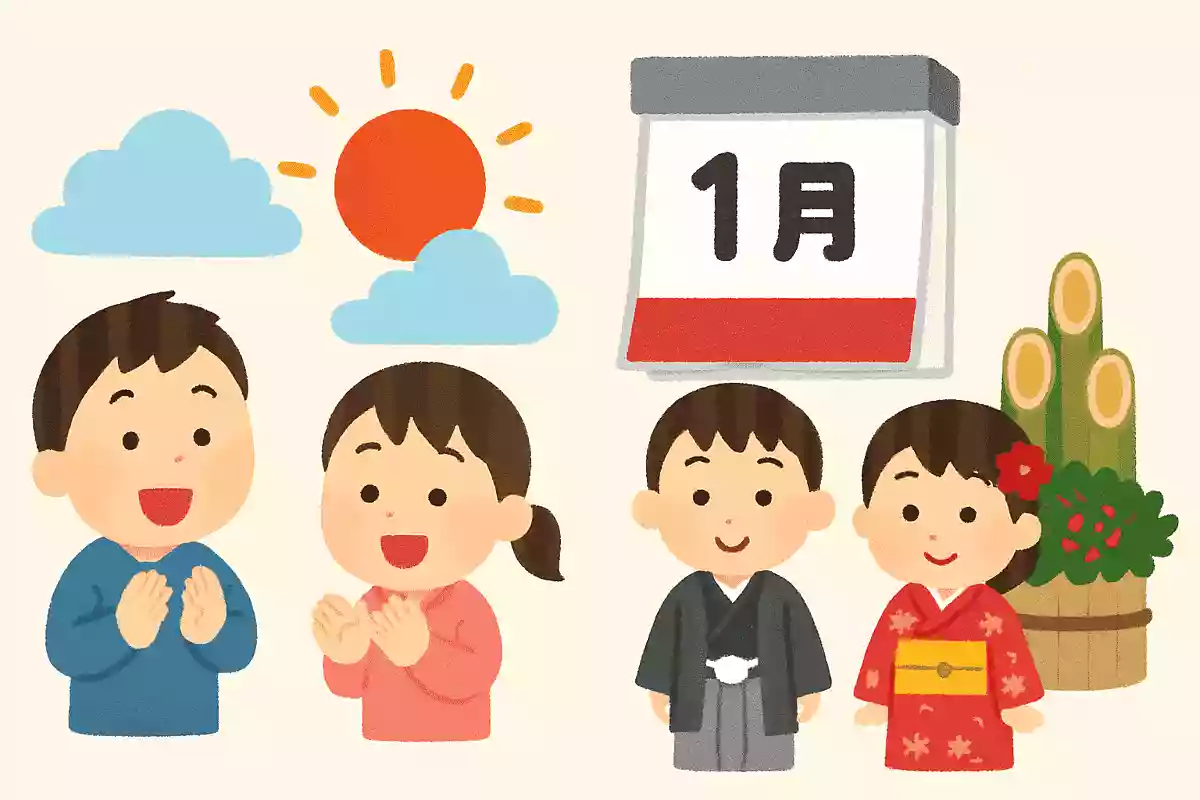
Because the phrase also appears on New Year’s cards, some people may get confused about the difference between Gantan and Ganjitsu.
While both refer to January 1, they indicate different spans of time.
Gantan refers to the morning of January 1, whereas Ganjitsu refers to the entire day of January 1.
Since there is a custom of New Year’s cards being delivered on the morning of January 1, they are often marked with Gantan.
Because Gantan includes the meaning of “morning,” be careful to use it so the meaning doesn’t become redundant.
The “pochi” in pochettes (pochibukuro) comes from the “pochi” in “koreppochi,” meaning “just a little.”

Pochibukuro, which are mainly used to put money in, are strongly associated with giving New Year’s gift money to children.
The word “pochi” in pochibukuro comes from a Kansai dialect term that conveys the idea of “just a little” or “a tiny bit.” It doesn’t refer to the actual amount inside; rather, it expresses a humble sentiment—“it’s only a little, but…” It also reflects the notion that handing over cash bare is impolite.
In that small envelope, you can feel a distilled sense of distinctly Japanese culture.
Kite flying was prohibited during the Edo period.
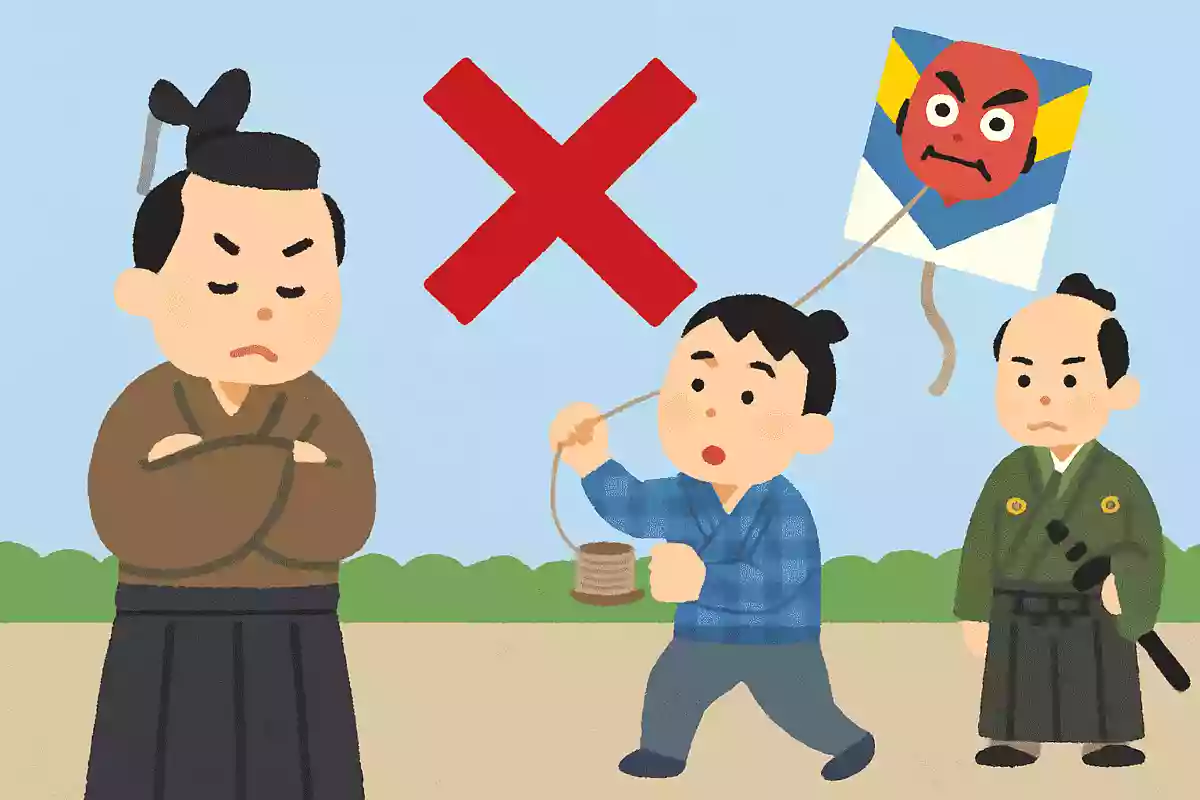
Kite flying is a classic pastime during the New Year season, evoking a peaceful image of guiding a kite to ride the wind.
It’s said that there were periods in the Edo era when kite flying was prohibited.
The reason was that it became so popular among commoners—and people got so heated about it—that it sometimes led to fights among adults, prompting a ban.
Considering that the original name ikanobori (“squid climbing”) was banned and people started calling it tako (“octopus”) to get around the prohibition, you could say this shift was significant and connects to how we refer to it today.
What you put on top of a kagami mochi isn’t a mandarin orange, but a “daidai.”
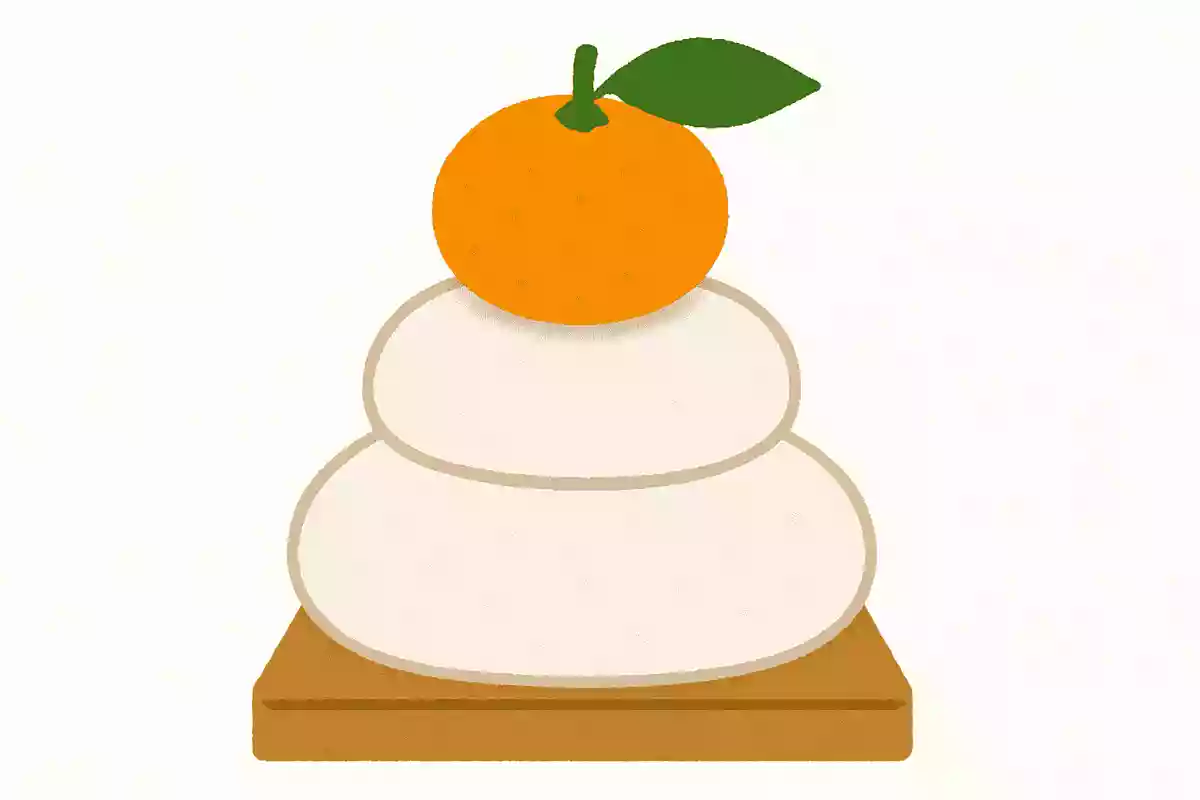
Kagami-mochi is an essential New Year’s decoration, and the orange placed on top of the rice cakes gives it a strikingly festive look.
While mandarins are sometimes placed on kagami-mochi, it is traditionally correct to place a ‘daidai.’ What matters is what kind of fruit the daidai is: because it grows large without falling from the tree, it carries the wish that a family will prosper “from generation to generation.” Mandarins are often used as a substitute because they look similar and are easy to obtain, but it’s important to understand the original meaning behind the custom.