

Fun facts you’ll want to share! January trivia and tidbits special

There are surprisingly many things about New Year’s customs and January-only traditions that we think we know but actually don’t.
From the wishes embedded in osechi cuisine and the true identity of the fruit placed atop kagami mochi, to things you shouldn’t do during the New Year period, January is full of trivia and fun facts that can liven up conversation.
In this article, we’ll introduce plenty of general-interest trivia and tidbits related to January.
Why not bring them up as topics during family gatherings with relatives over the New Year?
- [For Kids] January Trivia Quiz & Fun Facts: Learn About the New Year in a Fun Way
- Useful right away in daily life! Surprising trivia and handy tips
- Let's get excited with a New Year quiz! General questions about the Japanese New Year
- [Perfect for New Year Parties] Recommended Psychology Test for January
- So interesting you’ll want to tell someone! December Trivia & Fun Facts Special
- Trivia quiz about schools: a roundup of fun facts you’ll want to brag about
- Trivia and fun facts about food (summary)
- [For Kids] December Trivia Quiz & Fun Facts! Learn about seasonal events and traditions!
- [For Kids] Today’s Quiz Roundup. Let’s play quizzes about today! [April 2026]
- [For Elementary School Kids] A New Year’s Quiz Everyone Can Enjoy! Learn surprising fun facts with multiple-choice questions
- New Year party games that get everyone excited: a fun collection of ideas from classics to DIY
- New Year’s Games: Traditional Play and Fun Activities That Excite Everyone from Kids to Adults
- Didn't want to know?! Fascinating and scary trivia & fun facts
Fun facts you'll want to share! January trivia & tidbits (11–20)
Furisode were originally garments worn by unmarried women.
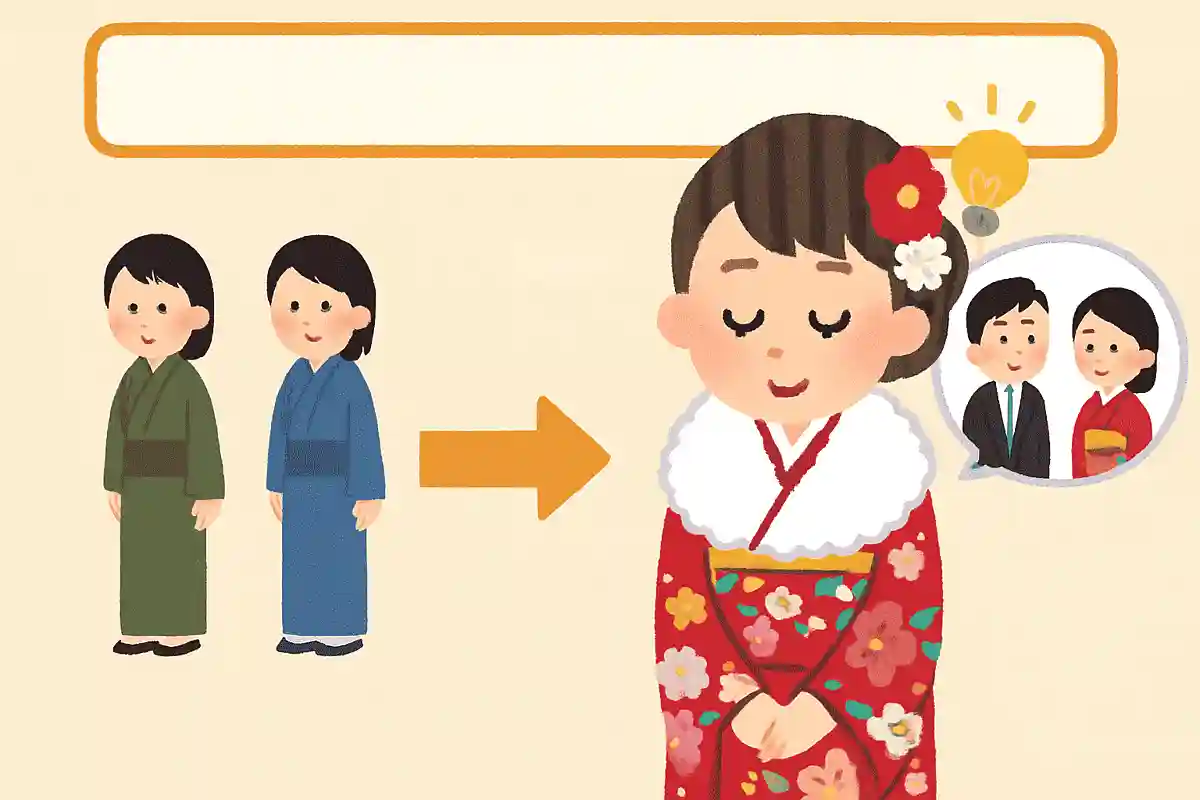
Expressing something through sleeve length—furisode and tomesode—feels so refined, or perhaps it reflects our reserved national character; in any case, it has a certain charm.
Traditionally, furisode were considered the most formal attire for unmarried women.
These days, many people continue to enjoy wearing furisode even after marriage.
There are even married people who wear furisode at their Coming-of-Age ceremonies.
It’s said the long sleeves were believed to “ward off misfortune” and “invite good matches.” It really has the feel of an old-time custom, doesn’t it?
A football tournament is held in Tokyo every January.

American football fans may already know this story.
The Rice Bowl is a prestigious New Year’s tournament held in Tokyo to determine Japan’s top football team.
It features a head-to-head, all-out battle between the previous season’s No.
1 corporate (adult) team and the university national champions.
You might think the corporate teams have the advantage when facing college players, and in some ways they often do.
But historically, schools like Kyoto University and Nihon University have defeated corporate teams.
Every January, in the bitter cold, you can witness epic clashes so intense that steam seems to rise off the players.
Even if you’re not familiar with American football, be sure to check it out!
In the past, people dedicated live horses instead of ema (votive tablets).
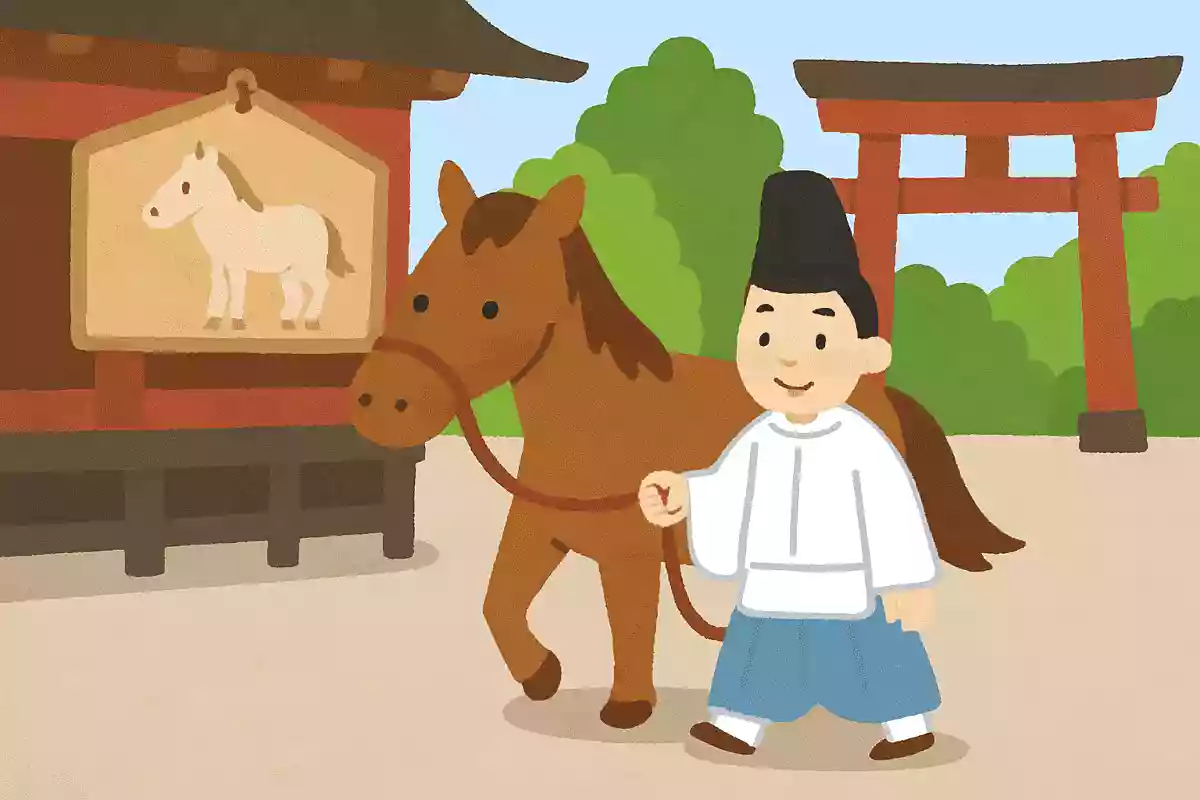
Speaking of New Year’s, many people probably visit a shrine for hatsumode and dedicate ema plaques with their wishes written on them.
Ema are said to have originated from the practice of offering live horses; as this ritual, once reserved for the high-born, spread to commoners, it was simplified into the ema we know today.
There is a history that gods were believed to appear riding horses, and horses were presented as their means of transport.
Knowing that ema trace their origins to horses as the gods’ mounts might change the mindset with which we write our wishes on them.

The feathers used for hanetsuki shuttlecocks were originally made from a plant called mukuroji (soapberry).
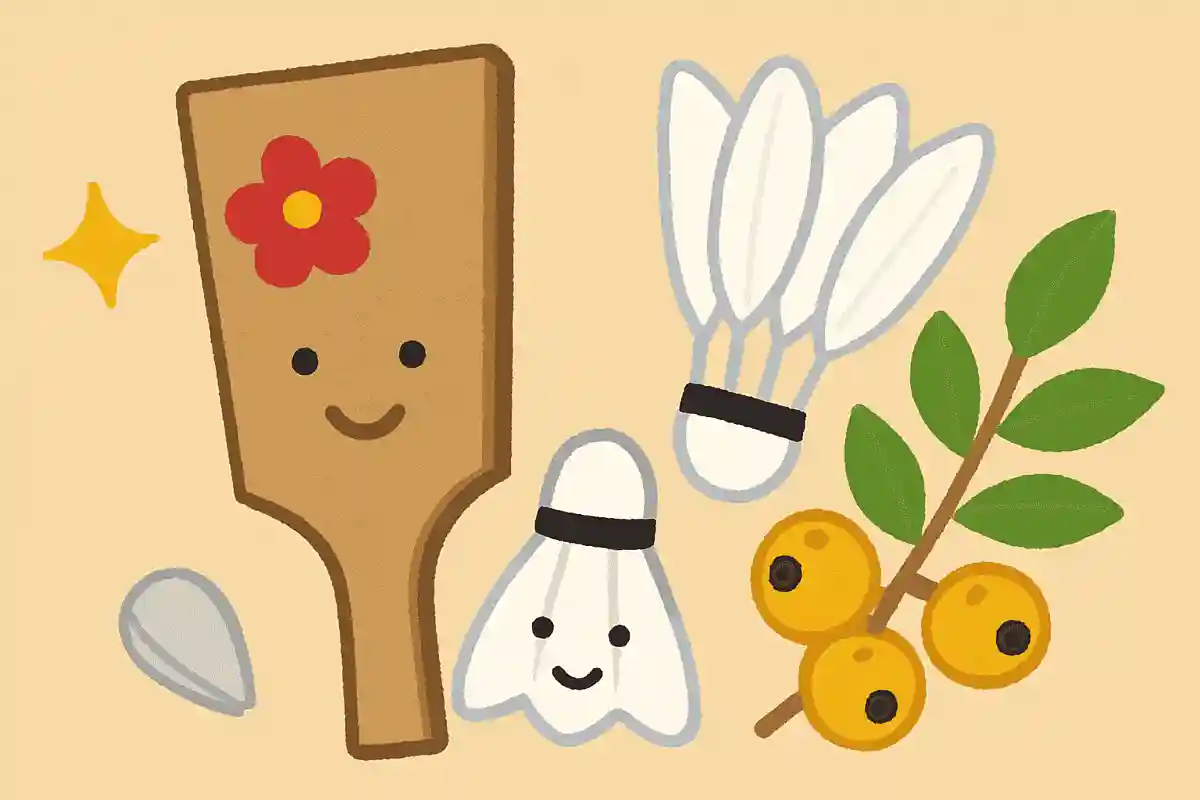
In this age when digital play is at its peak, we don’t see much of hanetsuki—one of the traditional New Year’s pastimes—anymore.
Even so, you still sometimes see TV personalities playing hanetsuki on New Year programs, getting their faces painted with ink as a penalty for losing and livening things up.
The shuttlecock used in hanetsuki is made from bird feathers, but the round core used to be made from the fruit of a plant called kuromoji.
It’s said that if you peel off the hard skin of this fruit, take out the inside, and whip it up, it even works like soap.
People in the old days really made use of everything!
Osechi dishes are packed into tiered boxes to express the wish that good fortune will be multiplied.
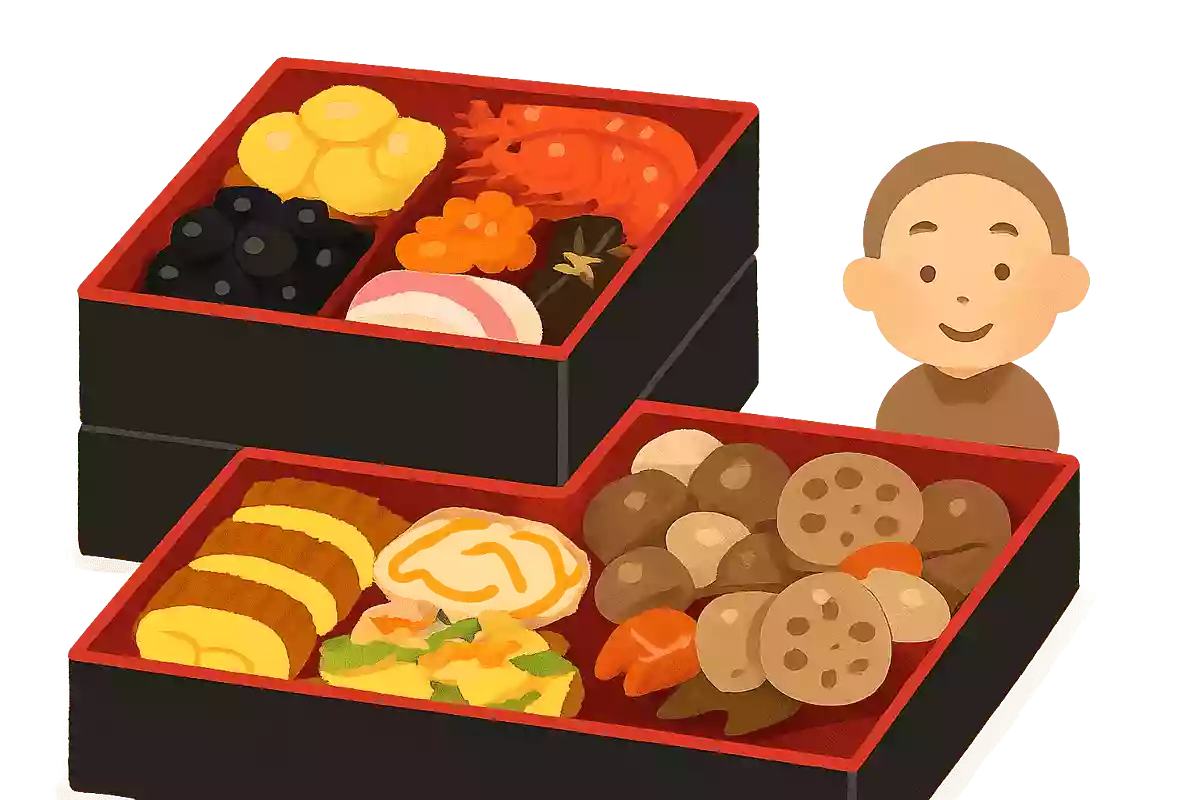
When you think of osechi ryori, you picture it packed not on plates but in stacked lacquered boxes, with their decorations highlighting a sense of festivity.
The reason for placing the dishes in these tiered boxes is said to be a wish for good fortune to “pile up.” While carrying a meaning as an auspicious symbol, the boxes also compactly organize the dishes, making them seem like a very efficient container.
Knowing this, it even feels like osechi with more tiers might invite even more good fortune.
January 15 is called the ‘Little New Year.’
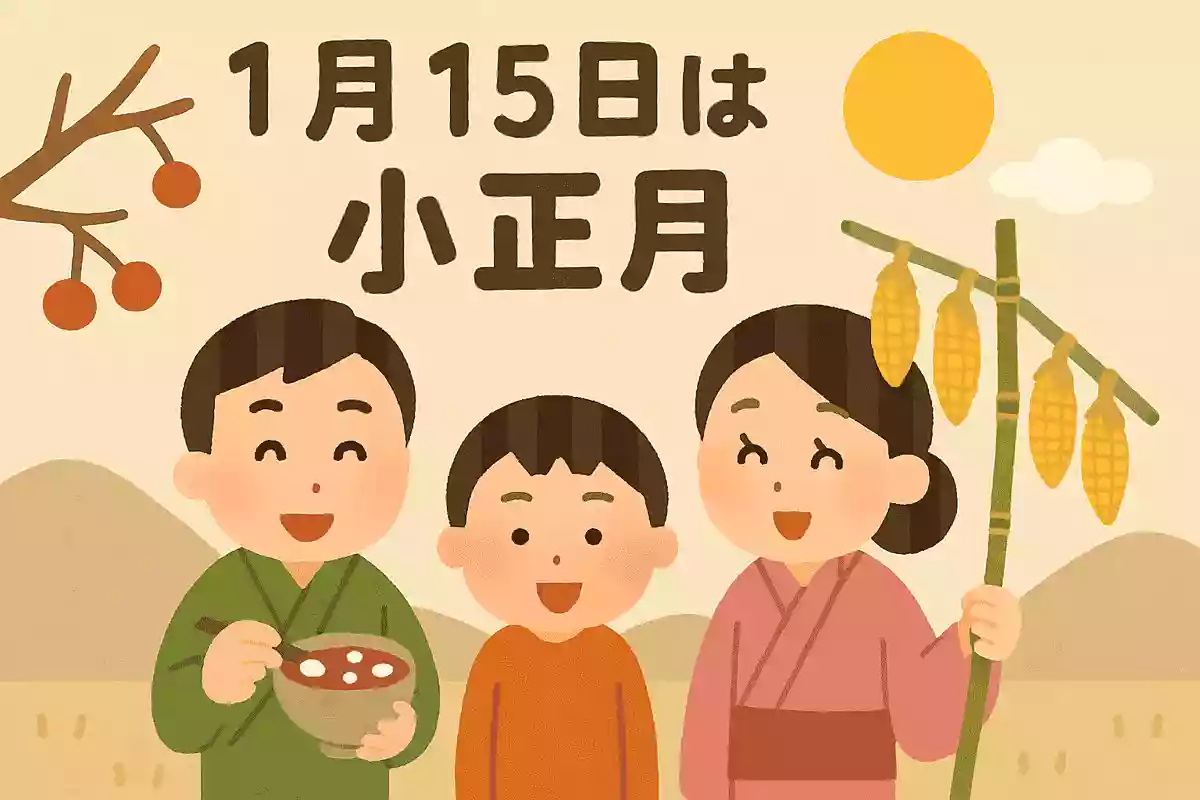
In contrast to the “Great New Year” period that runs through January 7, known as Matsunouchi, January 15 is considered “Little New Year.” The specific customs vary by region, but eating red bean porridge (azuki-gayu) is a staple.
In some areas it’s also called “Women’s New Year,” with the idea of appreciating women who were busy during the Great New Year.
It’s an event that carries a sense of wistfulness as the New Year festivities wind down and we gradually return to everyday life.
Fun facts you’ll want to share! January trivia & tidbits (21–30)
In January, there is a festival called “Hatsuka Shōgatsu” (Twentieth Day New Year).
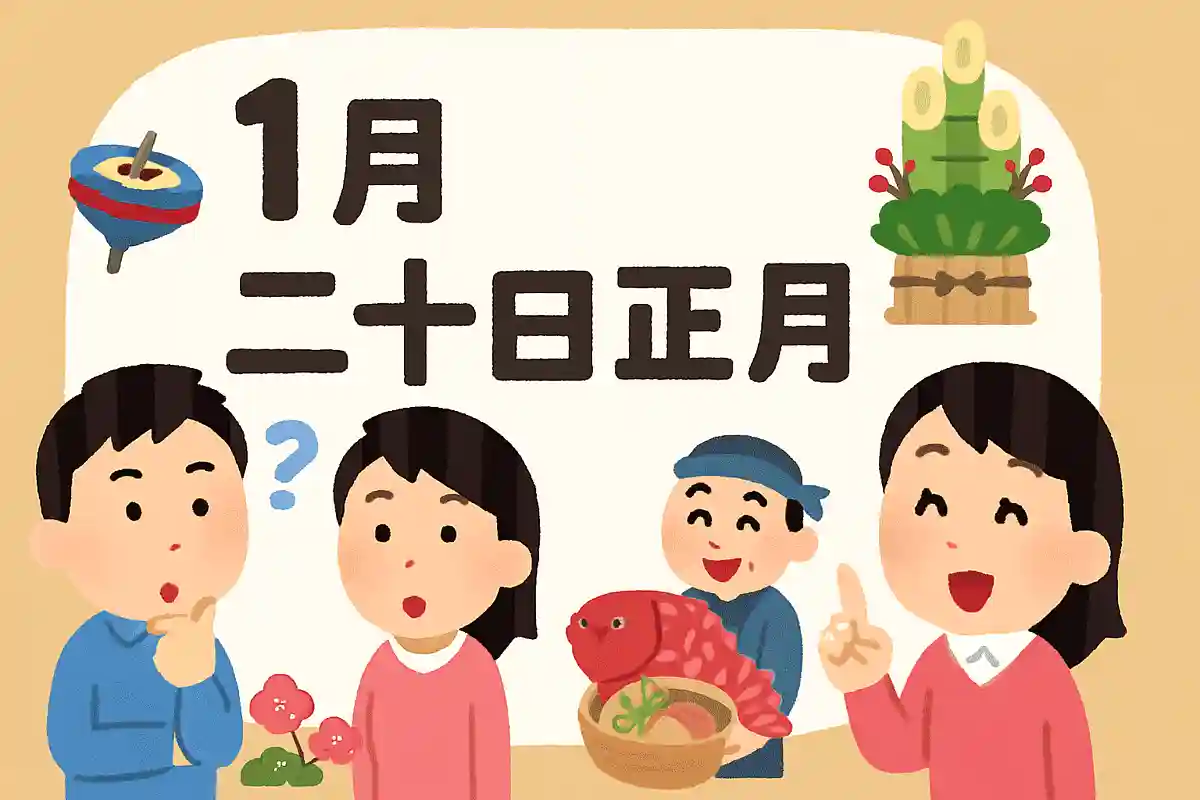
January 20 is a traditional event called “Hatsuka Shōgatsu,” which literally means “the twentieth-day New Year.” It’s a day to celebrate the New Year once more, when people take down the kagami mochi and offer thanks to the deities.
In the past, farming households held banquets and purification rites on this day—once the busy New Year period had settled—observing it as the Little New Year and praying for good health and a bountiful harvest.
It might be nice to make the 20th a slightly special day when both children and adults can feel, “Oh, the New Year has come again!” In some regions, there’s also a custom of eating mochi and sweet red beans, making it a cheerful day to look back on the start of the year.
