

Heartfelt! Inspiring Quotes Left by Great Figures of Japan

Various great figures who built Japan have left behind numerous famous sayings.
These quotes sometimes resonate with people living in the present and can serve as guideposts when moving things forward.
In this article, we introduce inspiring quotes left by those known as great figures of Japan.
We have gathered quotes from a variety of fields, including historical figures, people who supported major corporations, athletes, and entertainers.
Among the quotes we present, you may find a hint that clears your mind.
Be sure to check them out!
- Quotes from great figures that give us the power to live
- Recommended as life tips! A collection of short, memorable quotes from great figures
- A collection of quotes from people of the past: messages from famous military commanders and great figures of the world.
- Just remembering them fills you with courage! Striking quotes that touch the heart from great figures and famous people
- If you know them, they might become beacons that light your life’s path: a collection of memorable quotes.
- Quotes from professional baseball players: words that pierce the heart, filled with effort and passion
- Words I want to make my motto that always inspire me
- Guaranteed to move you! Memorable words by great figures and famous people.
- Short quotes that reach your heart in an instant. Words to encourage you right now.
- Gives you the power to overcome entrance exams! Short quotes by great and famous people.
- Words from famous people that I’d like to adopt as my motto. Inspiring quotes that convey the power of words.
- Witty one-liners that pierce the heart: a collection of brief yet profoundly meaningful maxims
- Short quotes that resonate with the heart. Words that reach you effortlessly.
Resonating with the Heart! Quotes Left by Great Figures of Japan (111–120)
I reflect on what I should, but once I sleep, I forget it.Atsuya Furuta

Atsuya Furuta, who has an illustrious career as a baseball player and is said to have defined an era.
If you like baseball, you probably know him.
This line is one of his famous quotes.
At first you might think, “What does that mean?” but it’s actually very profound and instructive.
Reflection is important, but if you overdo it, you can’t move.
That’s why you sleep and forget—in other words, by getting over it, you can move forward.
Knowing this quote might make it less scary to take on new challenges.

It’s effort. It’s study. That’s what genius is. The one who studies three, four, five times more than anyone else—that is a genius.Hideyo Noguchi

Hideyo Noguchi, who is also famous for being featured on the 1,000-yen bill.
There’s even an anecdote that when he was nominated for the Nobel Prize, Noguchi recommended another researcher instead of himself.
Known for his studies on syphilis and yellow fever, his efforts must have been so extraordinary that ordinary people could scarcely comprehend them.
Thinking of that, these words carry tremendous weight, don’t they? Achieving more results at work, improving grades at school—what you need at such times is simply to work harder than anyone else.
He urges us on, telling us that double or triple the effort is what it takes.
It’s the kind of quote you’d want to post by your front door and see every day!
If you think they’re above the clouds, you can’t win, so in a match it’s equal (fair) between us.Sota Fujii
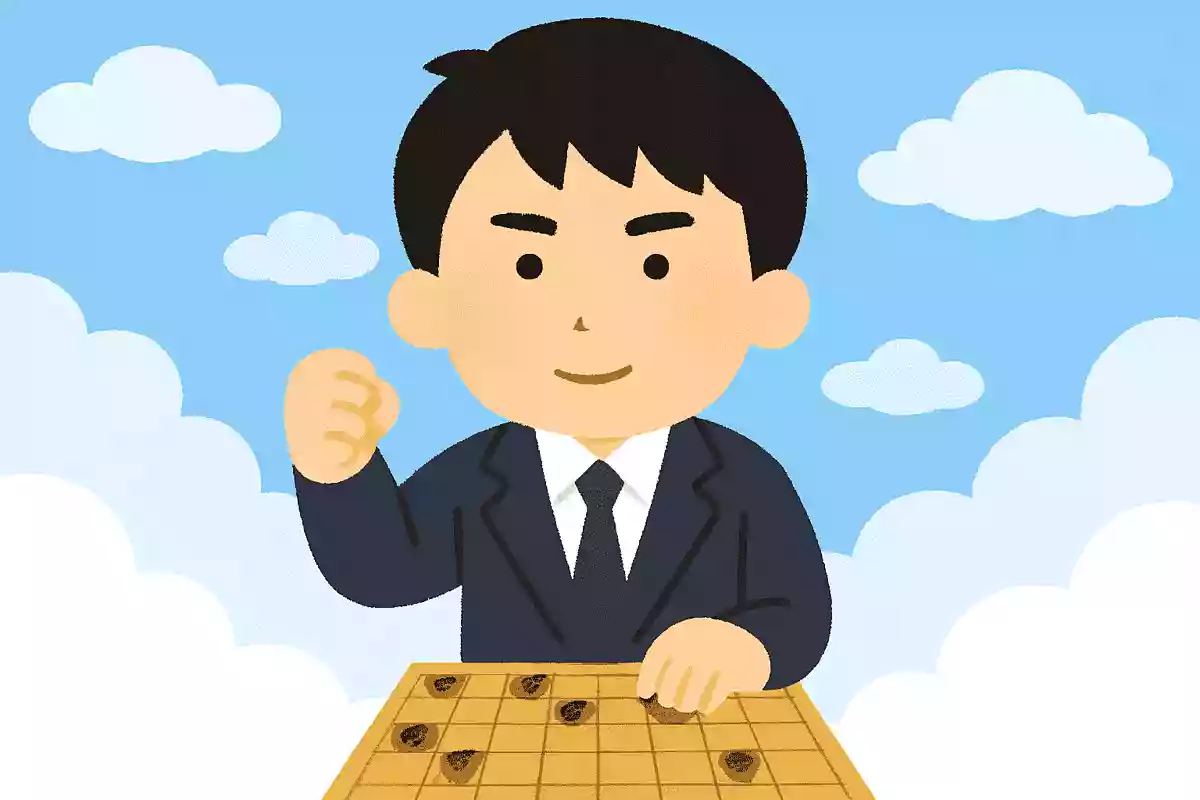
Yoshiharu Habu is also famous in Japan’s shogi world, isn’t he? A memorable quote from an interview after a match with Habu really conveys the feeling of living in the world of competition.
In response to the interviewer who described Habu as “a person above the clouds,” Sota Fujii gave a characteristically Fujii-like reply that became a famous line.
Indeed, when results haven’t yet been achieved, even someone ranked above you is equal.
And if you convince yourself before the battle that your opponent is stronger, you might lose in spirit.
It’s a quote that can be seen as guidance for one’s mindset, directed at people striving toward their goals.

Every claim of rights necessarily comes with obligations.Sanae Takaichi
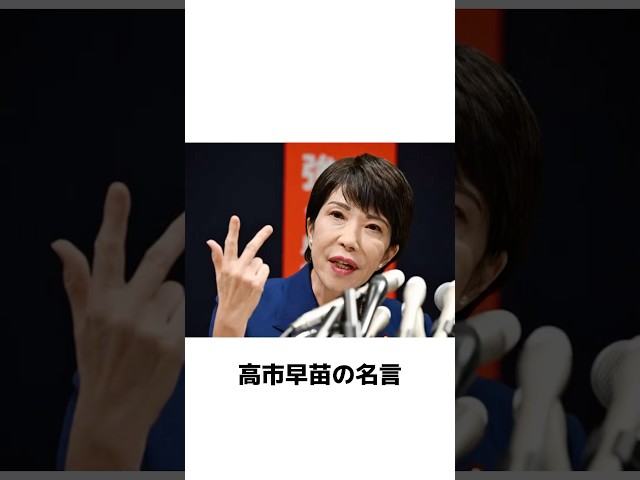
This phrase succinctly expresses the relationship between the individual and the state in a democracy.
It embodies the principle that enjoying freedoms and rights is inseparable from fulfilling the responsibilities and duties that support them.
For example, while we Japanese citizens possess the right to vote and freedom of expression, these come with obligations such as paying taxes, obeying the law, and contributing to society.
Through this idea, Ms.
Takaichi emphasizes the importance of each citizen proactively engaging with society.
Politicians, too, must not forget the duty to safeguard the people’s rights, and a stance that respects the balance between rights and obligations forms the foundation of trust.
This saying reminds us that freedom and responsibility are two sides of the same coin and can be called a memorable quote that fosters a mature democratic awareness across society.

If you endure, you will surely become a strong person.Senichi Hoshino
These are the words of Senichi Hoshino, who excelled as a player for the Chunichi Dragons during his career and later made his mark as a manager for the Chunichi Dragons, the Hanshin Tigers, and the Tohoku Rakuten Golden Eagles.
During the Great East Japan Earthquake, he was the manager of the Tohoku Rakuten Golden Eagles, the team from the disaster-stricken region, and his words are remembered for inspiring many people.
He conveys that no matter what difficulties you face, you should give your all in the present and confront them head-on—that strength lies along the path you advance by doing so.
Because these are the words of Hoshino, who rebuilt teams whose results had faltered, they carry real persuasive power; they are words that lift your spirits and make you want to keep pushing forward.

Humans work based on likes and dislikes, not on logic.Soseki Natsume

Natsume Soseki, who flourished as a novelist, is known for leaving behind numerous works such as “I Am a Cat” and “Botchan.” This is a famous quote by that great literary master—who was even featured on the 1,000-yen bill—about how emotions influence our actions.
It suggests that emotions have a greater impact on behavior than what we think in our heads, and that acknowledging this premise when we act can lead to results.
It’s a line that makes us reflect on how to engage with emotion and reason, suggesting that suppressing our own emotions may be affecting our performance.
There are two things you can change: yourself and the future.Hideyo Noguchi
These words convey the importance of focusing not on the unchangeable past or circumstances, but on your own actions and the future ahead.
Everyone has moments when they want to blame past failures or their environment, but that won’t move anything forward.
It is the present self that creates the future, and the path can change dramatically depending on your actions.
Hideyo Noguchi also refused to be defeated by difficult circumstances and opened up his future by continually improving himself.
Even when you find yourself dwelling on the past, this quote gives you the courage to believe that you have the power to change the future.
