

Heartfelt! Inspiring Quotes Left by Great Figures of Japan

Various great figures who built Japan have left behind numerous famous sayings.
These quotes sometimes resonate with people living in the present and can serve as guideposts when moving things forward.
In this article, we introduce inspiring quotes left by those known as great figures of Japan.
We have gathered quotes from a variety of fields, including historical figures, people who supported major corporations, athletes, and entertainers.
Among the quotes we present, you may find a hint that clears your mind.
Be sure to check them out!
- Quotes from great figures that give us the power to live
- Recommended as life tips! A collection of short, memorable quotes from great figures
- A collection of quotes from people of the past: messages from famous military commanders and great figures of the world.
- Just remembering them fills you with courage! Striking quotes that touch the heart from great figures and famous people
- If you know them, they might become beacons that light your life’s path: a collection of memorable quotes.
- Quotes from professional baseball players: words that pierce the heart, filled with effort and passion
- Words I want to make my motto that always inspire me
- Guaranteed to move you! Memorable words by great figures and famous people.
- Short quotes that reach your heart in an instant. Words to encourage you right now.
- Gives you the power to overcome entrance exams! Short quotes by great and famous people.
- Words from famous people that I’d like to adopt as my motto. Inspiring quotes that convey the power of words.
- Witty one-liners that pierce the heart: a collection of brief yet profoundly meaningful maxims
- Short quotes that resonate with the heart. Words that reach you effortlessly.
Resonating with the Heart! Memorable Quotes Left by Great Figures of Japan (131–140)
It’s okay. Let’s rebuild again.Akio Tadano
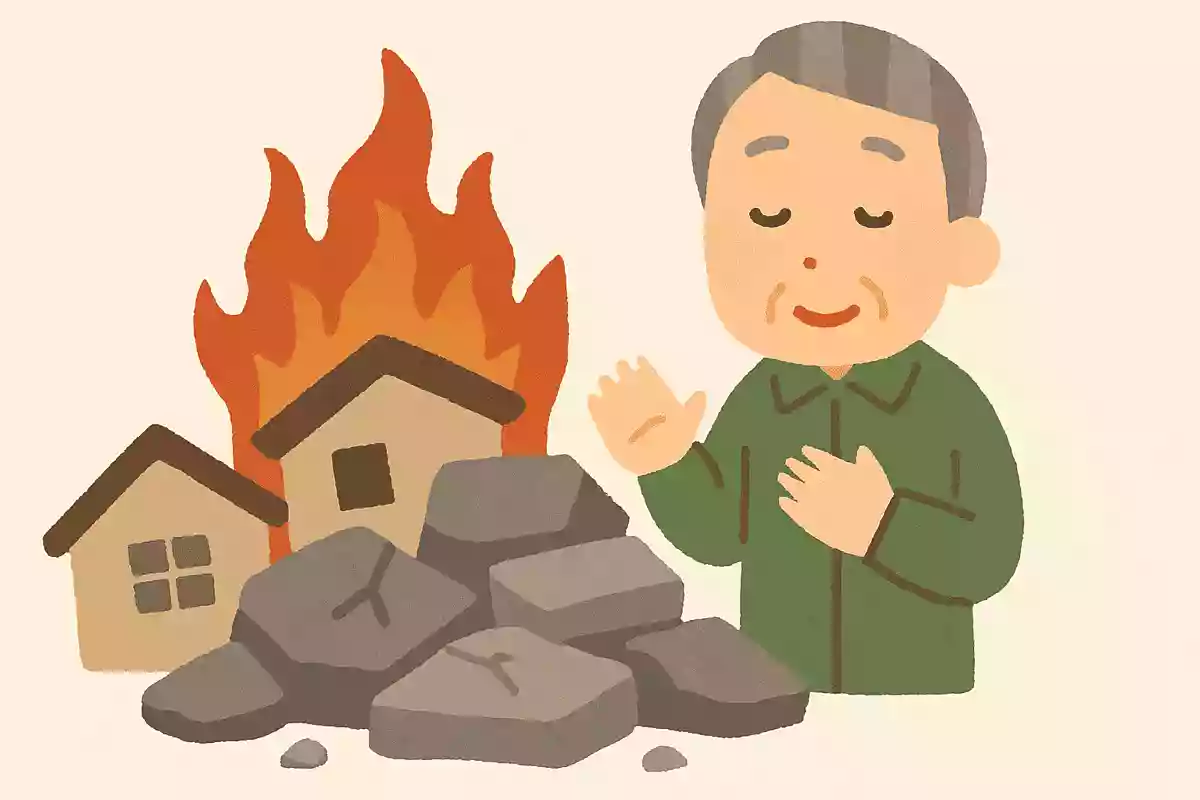
These are the words of Akio Tadano, who ran a ryokan in Ofunato, Iwate Prefecture—words about moving forward with a positive spirit even in the face of hardship.
At the time, many interviews carried a heavy sense of gloom and featured questions that stoked anxiety, which is why the fact that he delivered these words with a smile drew so much attention.
They convey a powerful hope amid uncertainty—the sense that by keeping on and not standing still, a new path will open.
The impression is further strengthened by the fact that Mr.
Tadano actually rebuilt his ryokan, embodying the importance of facing forward, just as he said.

Nature is an impartial and merciless enemy. Society is an unjust enemy with human sentiment.Soseki Natsume
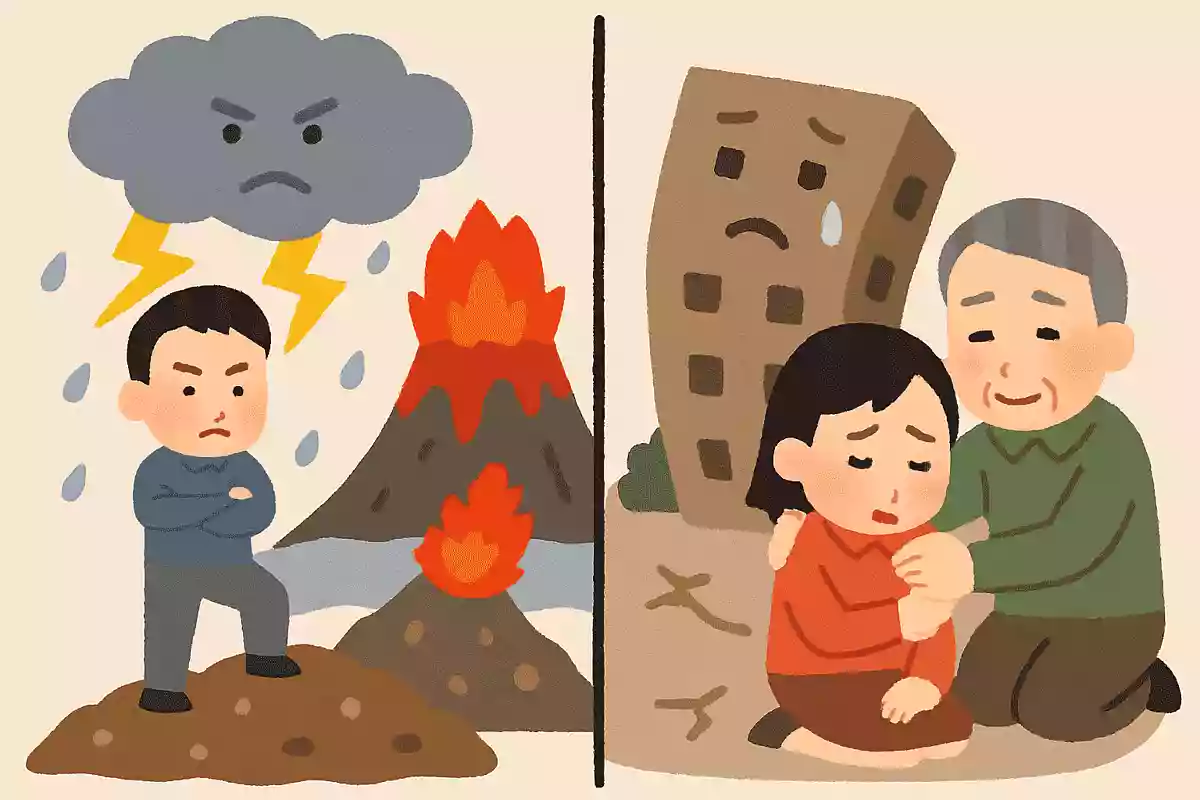
Let me introduce a famous quote by Natsume Sōseki: “Nature is a fair yet ruthless enemy.
Society is an unjust yet compassionate enemy.” Natsume Sōseki was a Japanese novelist and scholar of English literature.
His major works include I Am a Cat, Botchan, Sanshirō, And Then, Kokoro, and Light and Darkness.
This line—“Nature is a fair yet ruthless enemy.
Society is an unjust yet compassionate enemy.”—appears in his work Reminiscences.
It’s a quote that encourages us not to underestimate nature and to prepare for natural disasters.
In a country riddled with earthquakes and volcanoes like this, nuclear power plants are out of the question.Hayao Miyazaki
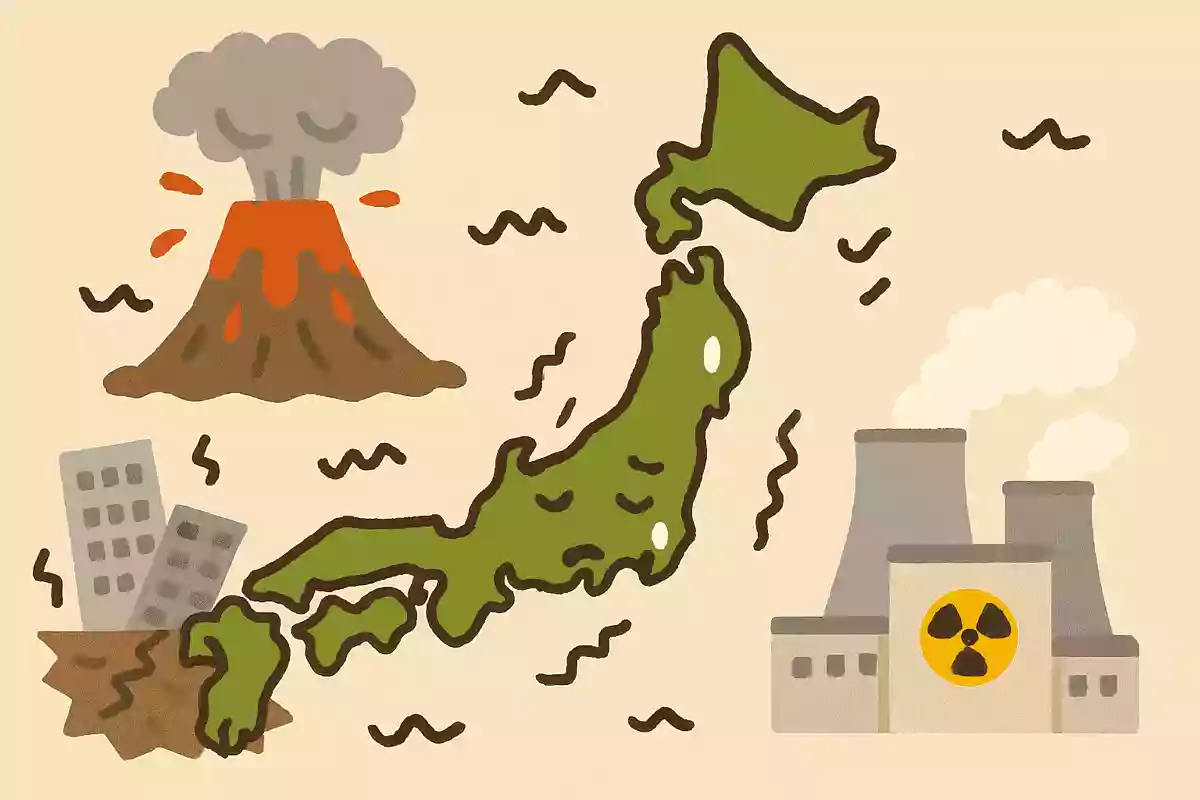
I’d like to introduce a famous quote by Hayao Miyazaki: “In a country riddled with earthquakes and volcanoes like this, nuclear power plants are out of the question.” Miyazaki, whose animated films are beloved by audiences of all ages, is often associated with charming characters.
However, his works also contain underlying themes woven into their direction and storytelling.
In Japan, a country where natural disasters are common, we must be vigilant about earthquakes.
The damage caused by building collapses and tsunamis can be immense.
Having nuclear power plants in such a country is a serious issue and perhaps something that deserves greater attention.
If you watch Nausicaä, whose message resonates with this quote, you may get a sense of what a post–nuclear accident world could be like.

Earthquakes will strike again and again. To prevent severe damage, we will build parks and roads.Shinpei Gotō
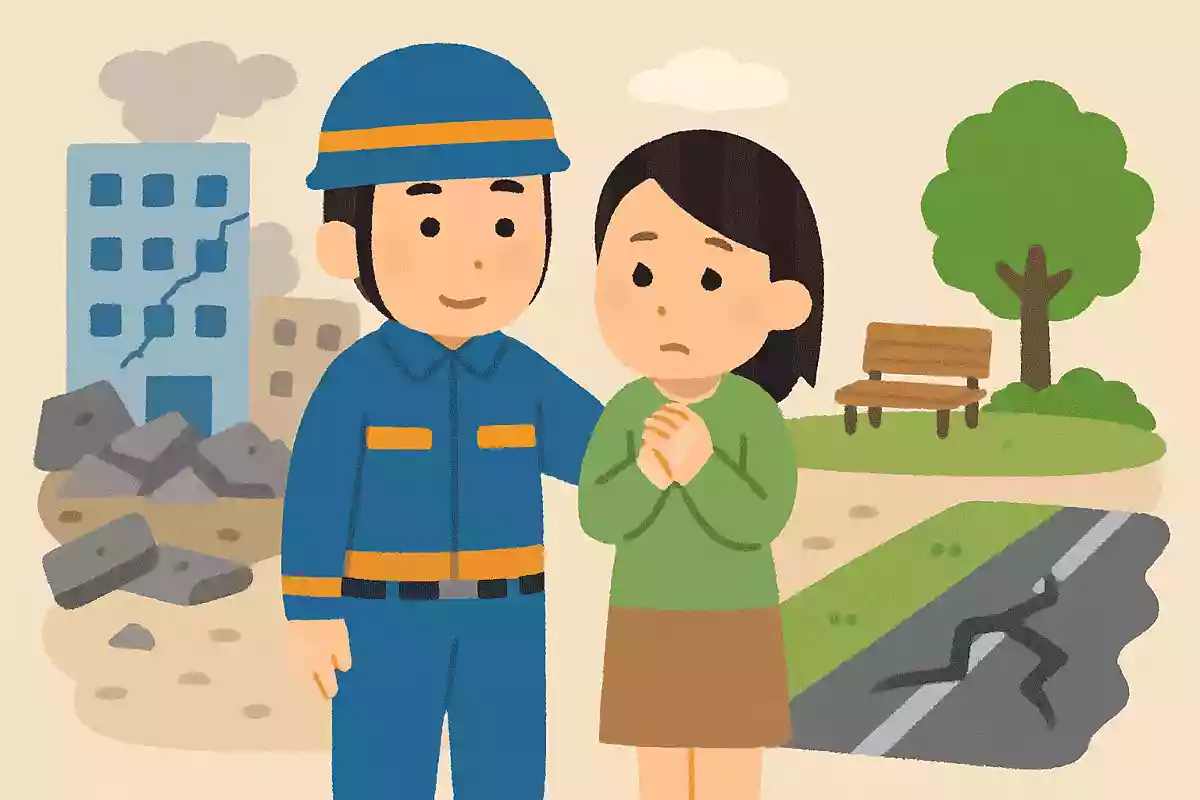
I would like to introduce a famous quote left by Shinpei Goto: “Earthquakes will come again and again.
To prevent great damage, we must build parks and roads.” From this saying, one can sense his conviction to protect human life.
Shinpei Goto devoted himself to the reconstruction after the Great Kanto Earthquake of 1923, making present-day Tokyo a city resilient to disasters.
Immediately after the earthquake, he became Minister of Home Affairs and then Minister for Reconstruction to rebuild Tokyo, which had suffered immense damage.
Along with the quote, he conceived reconstruction measures, but at the time he faced criticism from those around him.
It is said that enormous funds were required to put them into action, and landowners opposed the purchase of tracts that had been reduced to burned-out fields by the quake.
Although his budget was cut, Goto poured his efforts into building a disaster-resilient city.
Thanks to those efforts, Tokyo became stronger against earthquakes than it had been in the past.
What Japan gained after losing everything was hope… It planted the seeds of hope within us, who had been captivated by wealth.Ryu Murakami
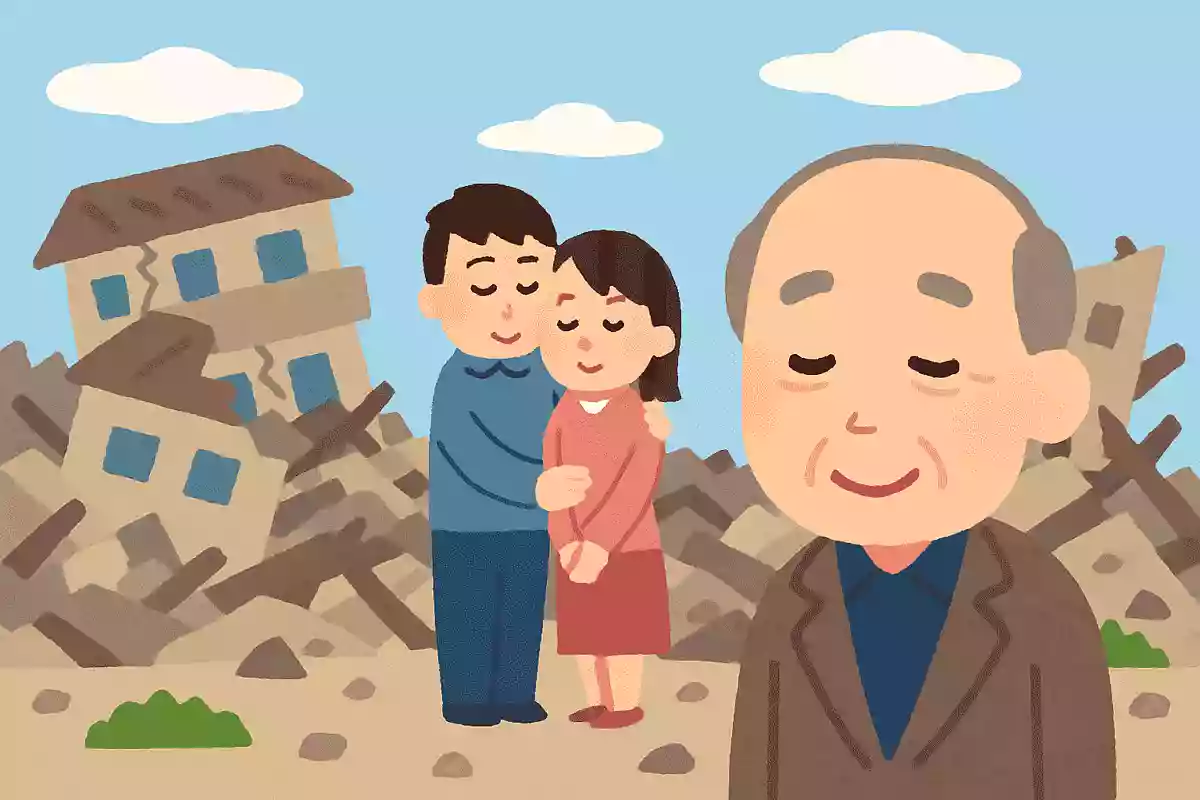
I would like to share a famous quote by Ryū Murakami: “What Japan, having lost everything, gained was hope… It planted the seeds of hope within us, whose hearts had been captivated by wealth.” The Great East Japan Earthquake caused immense damage.
Many people must have spent their days in deep anxiety.
Yet it is precisely in such times that we must not forget “hope.” As the writer Ryū Murakami says, what we gain when everything is lost in a disaster is hope—the hope to live earnestly now and to dream of a brighter future.
In a Japan where everything is close at hand and life has become affluent, perhaps many of us have lost hope in exchange.
This also resonates with the story of Pandora’s box, in which hope remained at the end.
Prepare pessimistically, act optimistically.Kazuo Inamori
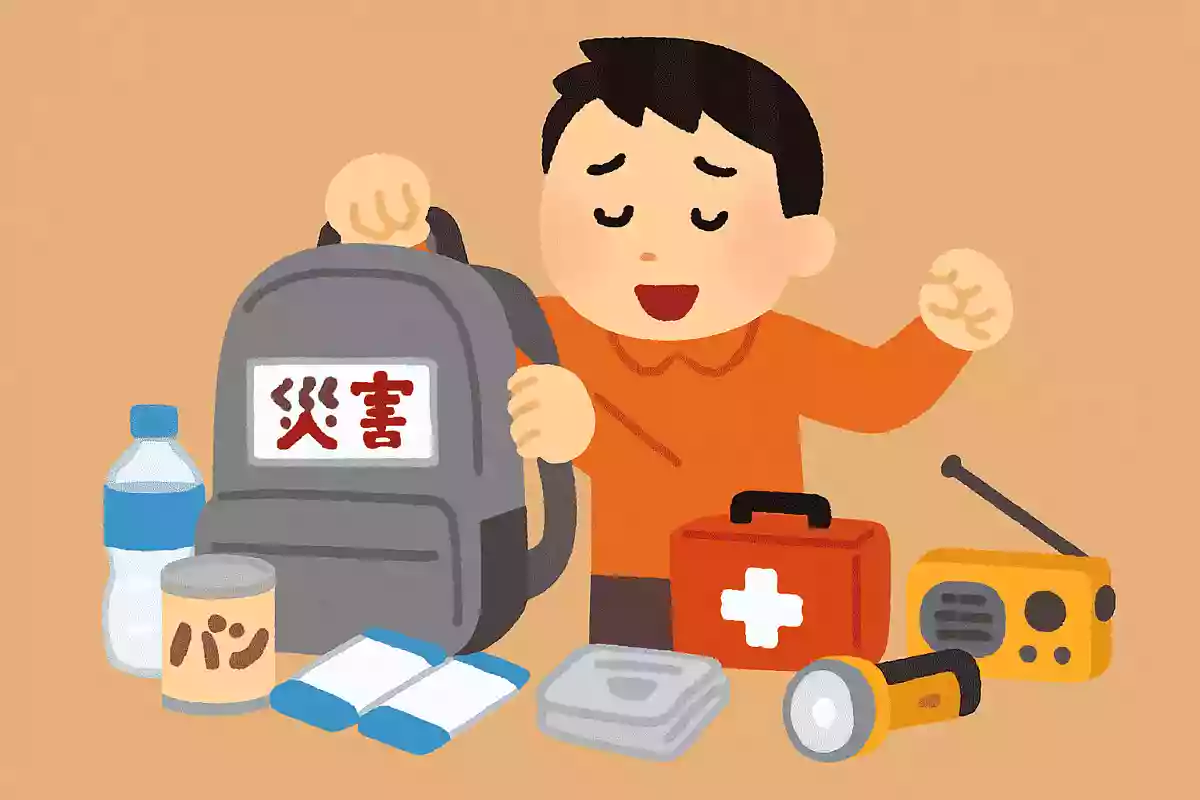
Let me introduce a famous quote left by Kazuo Inamori: “Prepare pessimistically, act optimistically.” Kazuo Inamori was a Japanese entrepreneur and engineer.
He founded Kyocera and Daini Denden, which is now KDDI, and served as chairman of the Inamori Foundation, a public-interest incorporated foundation.
He was also honorary chairman of Japan Airlines.
In the planning stage, with a strong will that says, “No matter what, we must accomplish this,” one should reexamine the plan with a pessimistic eye; then, in the execution stage, with the confidence that “We can definitely do it,” one should carry it out optimistically—brightly and with dignity.
Doesn’t this conviction also apply to disaster preparedness?
In this world of humans, there’s no such thing as failure.Ryoma Sakamoto

Ryoma Sakamoto was a patriot who played a key role in alliances like the Satsuma-Choshu Alliance and, as an entrepreneur of the late Edo period, founded the Kaientai.
His famous words, “There’s no such thing as failure in this world,” are a message only someone like Ryoma—who repeatedly took on challenges in a turbulent era—could convey.
If you can believe that no outcome is a failure, your anxiety eases whenever you take on something new.
This is a message from a great pioneer of his time that we hope you’ll remember when you feel down after thinking you’ve failed.
