

Nostalgic Children’s Songs, Folk Songs, and Nursery Rhymes: The Heart of Japan Passed Down Through Song

When we hear the gentle melodies of nostalgic children’s songs, folk songs, and nursery rhymes, memories from our early childhood come vividly rushing back, as if we’ve crossed time and space.
Perhaps you, too, have a “song of nostalgia” that has stayed with you since you were young.
In this article, we introduce iconic Japanese children’s songs (shoka), folk songs and nursery rhymes cherished and passed down across the regions, as well as beloved tunes often featured in school performances and recreational activities.
Shall we set off on a heartwarming sonic journey into the world of children’s songs that softly reflect Japan’s seasons, culture, and everyday life?
- [Warabe-uta] Beloved Classic Songs Passed Down Through Generations
- Japanese Shoka, Children's Songs, and Nursery Rhymes | Timeless masterpieces that resonate in the heart, passed down across generations
- Nursery rhymes to sing in spring: a collection of classic songs you'll want to sing with your children
- Ranking of Popular Children's Songs [2026]
- [Minna no Uta] Beloved Across Generations: Nostalgic Classics and Popular Songs
- [Hand Play] Popular with kids! A collection of trendy hand-play songs and nostalgic traditional children’s songs
- [Children’s Songs of Autumn] Autumn songs, school songs, and traditional children’s rhymes. A collection of classic pieces to sing in autumn.
- [Elementary School Music] List of Popular and Nostalgic Songs That Have Appeared in Textbooks
- Children’s Song Medley: A playlist of classic and popular hits everyone knows
- [Minna no Uta] Tear-jerking masterpiece. A moving song you want to hear again.
- Collection of winter nursery rhymes, folk songs, and children's songs. Includes fun winter hand-play songs too.
- Japanese counting songs: nostalgic temari (handball) songs and children’s folk songs
- Kyoto’s folk songs, children’s songs, and nursery rhymes: the enduring spirit of our hometown passed down through song.
[Nostalgic Children's Songs, Folk Songs, and Nursery Rhymes] The Heart of Japan Passed Down in Song (1–10)
The Puppy Police OfficerSakushi: Satō Yoshimi / Sakkyoku: Ōnaka Megumi

This work, which portrays a heartwarming story of a police dog gently trying to help a lost kitten, is one of Japan’s representative children’s songs, where Yoshimi Sato’s warm lyrics and Megumi Ohnaka’s familiar melody blend beautifully.
While empathizing with the kitten mewing “nyan, nyan, nyan” in distress, the police dog also seeks help from a crow and a sparrow, and his kindness and efforts warmly touch listeners’ hearts.
Composed in the 1950s to 1960s, the song became beloved through educational programs such as NHK’s “Minna no Uta” and “Okaasan to Issho,” and continues to be cherished by many children.
Let’s clap our handssakushi: kobayashi jun’ichi/genkyoku: cheko minyō

This warm song expresses joy beginning with the simple act of clapping, naturally resonating with children’s hearts.
With Japanese lyrics by Junichi Kobayashi set to a Czech folk melody, it features an easy-to-remember tune and friendly words, and is often sung in nursery schools and kindergartens.
It has also been featured on NHK educational programs and in collections of children’s songs, remaining beloved across generations.
Because the clapping motion helps develop a sense of rhythm and motor skills, it serves not only as a tool for parent-child communication but is also an ideal piece for recreational activities in senior care facilities.
snowMonbushō shōka

This is a Ministry of Education shoka (school song) that sings of the calm and beautiful arrival of spring.
It was published in the 1910 collection “Shōka for the Ordinary Elementary School Reader.” The lyrics, which express the joy of spring visiting the mountains, villages, and fields, embody the Japanese people’s delicate sensitivity to the seasons.
The piece also showcases masterful use of particles—using ni to indicate the state of flowers blooming and de for the action of birds singing—conveying the beauty of the Japanese language.
Frequently sung at seasonal events such as the spring term opening and entrance ceremonies, it is a classic that perfectly suits those who wish to spend a heartwarming moment while feeling the changes of nature.
[Nostalgic Children's Songs, Folk Songs, and Nursery Rhymes] The Heart of Japan Passed Down in Song (11–20)
Mr. ElephantSakushi: Mado Michio / Sakkyoku: Dan Ikuma

Created by Michio Mado and Ikuma Dan, this piece was first broadcast on NHK Radio in May 1952.
Characterized by a gentle triple-time melody and heartwarming lyrics that inspire affection for one’s individuality, it has been frequently featured on educational and children’s television programs and is beloved across generations.
Its melody, as tender as a spring breeze, is perfect for parents and children to hum together.
Singing it while taking a walk will make for even more delightful memories.
King Kamehameha of the Southern Islandssakushi: itō akira / sakkyoku: morita kōichi
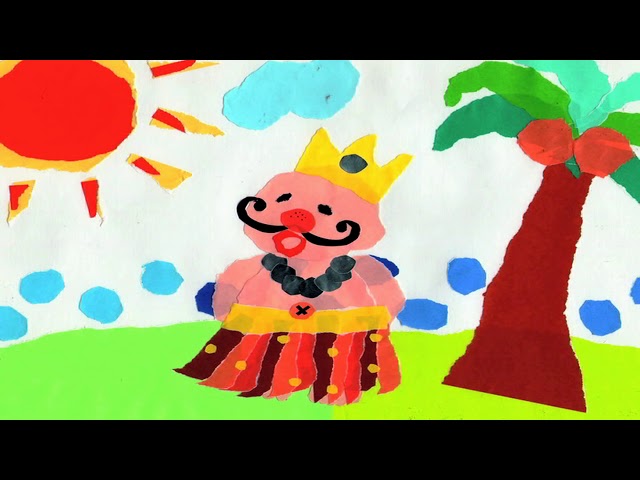
This is a heartwarming song that lightens the spirit, depicting the laid-back daily life of King Hamehameha and his family on a southern island.
The unique premise is that everyone on the island shares the same name, and their relaxed tropical lifestyle is sung over a warm melody.
It was first broadcast in 1976 on NHK’s “Minna no Uta,” performed by Ado Mizumori and Top Gallant.
The accompanying puppet-show visuals also drew attention, and the song was released that June as a double A-side single.
Sing it with the whole family and you’re sure to enjoy a delightful time!
Gonbe-san’s BabySakushi: Tashiga Akira / Genkyoku: Amerika min’yō

This children’s song, originally based on an American folk tune, features Japanese lyrics written by Akira Tashiga and has been beloved by people of all ages since the mid-Showa era.
The warm, gentle lyrics about Gonbe-san and a baby are sure to make you feel cozy.
Its rhythmic structure with frequent repetition makes it easy for children to sing—one of the song’s best qualities.
Adding hand motions while singing can also support children’s language development and sense of rhythm.
Try singing it with your child at daycare, kindergarten, or at home.
pine coneSakushi: Hirota Takao / Sakkyoku: Kobayashi Tsuyae

This is an autumn children’s song that depicts a charming scene: a pine cone tumbles down a high mountain, and a little monkey picks it up and eats it.
The lyrics were written in 1936 by Takao Hirota, who was a first-grade elementary school student at the time, and the music was composed by Tsyae Kobayashi, a music teacher.
From the late 1950s to the 1960s, the song was included on King Records’ album “Songs for Kindergarten.” With just a single, simple, and easy-to-remember verse, it has long been loved as a seasonal song in nurseries and kindergartens.
It’s also recommended to add simple choreography and enjoy it as a hand-play song! Singing while moving your body will bring back fond memories of childhood fun playing in autumn nature.